
We're learning about complex physiological systems thanks to innovative peptide medicines and rapid metabolic studies. Pharmaceutical, biotechnology, and university specialists worldwide are interested in bioglutide NA-931 peptide. This multi-receptor agonist aids metabolic research. It gives researchers novel receptor signaling circuit investigation methods. Scientists gain interest in this molecule in 2026. Organizations must grasp its differences from other single-pathway drugs to plan research. NA-931's distinctive chemical structure and metabolic research potential are attracting attention. This novel peptide binds to many receptor systems concurrently, unlike GLP-1 receptor agonists. This enables researchers to study how coordinated receptor activation affects glucose metabolism, metabolic stability, and energy balance. Pharmaceutical companies and university labs are discovering that researching multi-pathway agonism yields more human body information than receptor studies. The peptide discovery follows metabolic research's multimethod approach. Scientists now know metabolic diseases have several signaling pathways. Knowing this has increased the demand for research chemicals to understand complicated biological networks. NA-931 is useful for metabolic researchers since it stimulates glucagon, GLP-1, GIP, and GLP-2 receptors concurrently. More researchers are utilizing complicated experimental models to understand biological systems, making it more popular.
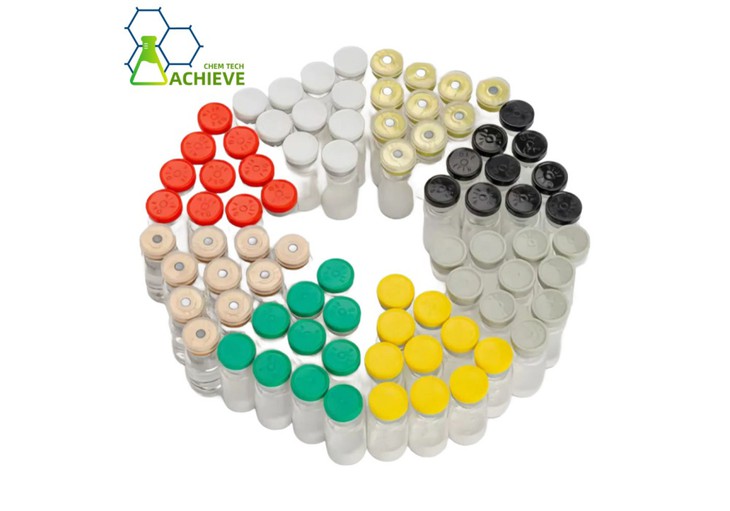
Bioglutide NA-931
1.General Specification(in stock)
(1)API(Pure powder)
(2)Tablets
(3)Capsules
2.Customization:
We will negotiate individually, OEM/ODM, No brand, for secience researching only.
Internal Code: KP-2-6/002
Bioglutide NA-931
Manufacturer: BLOOM TECH Wuxi Factory
Analysis: HPLC, LC-MS, HNMR
Main market: USA, Australia, Brazil, Japan, Germany, Indonesia, UK, New Zealand , Canada etc.
Technology support: R&D Dept.-4
We provide bioglutide NA-931, please refer to the following website for detailed specifications and product information.
Product:https://www.kpeptide.com/bodybuilding-peptide/bioglutide-na-931-capsules.html

Why Multi-Pathway Agonism Is Central to NA-931's Research Appeal

Understanding Coordinated Receptor Signaling in Metabolic Research
Each receptor system route was studied independently in metabolic studies to establish its function. This reductionist approach taught us many useful ideas, but it didn't explain how real creatures' messaging systems interact. Bioglutide NA-931 peptide lets researchers investigate coupled receptor activation patterns more like the body. Many receptors activate concurrently, starting signaling chains that vary from each route's consequences. This relationship is vital for metabolic researchers. The peptide's several pathways allow researchers to imitate complicated circumstances that single-target drugs can't. Hormone signals interact in networks throughout metabolism. To understand regulatory connections, scientists are studying NA-931. This demonstrates how activating two metabolic pathways affects the result. Due to compensating processes that make single-pathway tactics less effective, this technique is appropriate for companies that want to learn why certain metabolic therapies work and others don't. Researchers find different response patterns in multi-receptor agonists than selective medicines.
Scientific Rationale Behind Quadruple Agonist Design
The molecular design of NA-931 shows scientists understand metabolic hormone communication and incretin biology. Scientists developed this drug by studying its structure's capacity to selectively and simultaneously bind to several comparable receptors. Four receptors-glucagon, GLP-1, GIP, and GLP-2-have identical development and structure but different effects on the organism. Molecular engineering was needed to create a peptide that activates all four receptors without being selective. NA-931's balanced activity makes it appropriate for researching incretin pathways and metabolism. Scientists think multimodal receptor activation may disclose therapeutic approaches that single-route experiments cannot. Comparative receptor studies show that balanced agonism across related pathways affects metabolism differently than receptor activation. This complex picture has boosted NA-931 attention among advanced metabolic research companies. In metabolic research, the peptide may assess combination effects, receptor interaction, and compensatory signals. Leading schools increasingly value reliable high-quality research resources for these programs.

Quadruple Receptor Engagement and Integrated Metabolic Effects
Molecular Mechanisms of Multi-Receptor Activation
Due of its complex ligand-receptor interaction, NA-931 may bind to four receptors. Glucagon superfamily receptors have specific binding pockets that govern which ligands may bind and how well they activate. Amino acid sequences and structure make NA-931 interact with all four targets. After binding to each receptor, the peptide changes shape and activates receptor-specific intracellular signaling pathways. Synchronous activations in the same physiological context cause different cellular responses than sequential or separate activations. NA-931 study shows complex signaling exchanges when several receptors are active. The peptide changes glucose-dependent activity and hepatic glucose production pathways via glucagon and GLP-1 receptors. GIP receptor activation boosts metabolic signals, while GLP-2 receptor activation changes intestinal function and nutrition processing. These signals trigger physiological reactions that let researchers test their hypotheses in new ways. Understanding these relationships requires complex analytical methods including receptor binding tests, signal transduction circuit mapping, and metabolic profiling. Quality and repeatable Bioglutide NA-931 peptide supplier relationships are needed for this project.
Experimental Applications in Metabolic Research Protocols
NA-931 helps scientists study metabolism in various studies worldwide. In vitro experiments using the peptide examine how receptors are triggered in developing cell systems with diverse target receptor combinations. These findings are helping scientists understand how receptor complements impact cell response and which signaling pathways are activated in particular contexts. We may utilize the peptide to research receptor pharmacology, including how quickly receptors bind, how effectively they activate, and what signals occur following activation. For precise, reproducible findings in these sensitive assays, you require high-quality peptide preparations with confirmed purity and activity. NA-931 is utilized in preclinical models to explore metabolic responses in complex biological systems. Animal studies using this multi-receptor agonist reveal how coordinated pathway activation impacts glucose homeostasis, energy expenditure, and food partitioning in the overall body. These studies provide information that single-pathway medicines cannot. These research need high-quality peptide supplies because experimental discrepancies might make complicated metabolic outcomes difficult to interpret. Working with experienced sources ensures you can receive resources for complicated study tasks. This helps you collect high-quality scientific data that moves the field forward.

Emerging Trends in Metabolic Peptide Research and Innovation

Shifting Research Paradigms in Incretin Biology
Metabolism researchers are continually rethinking hormone action and treatment intervention. Previously, hormone systems were considered distinct signals that acted independently. We know these systems communicate and collaborate a lot. This mentality change greatly impacts study technique and compound choice. NA-931 and other peptides that function via several routes are more in line with present research than single-target medicines. As they adapt to this new paradigm, research institutes are seeking compounds that allow them to examine signaling networks instead of single routes. These shifts in thinking stem from growing evidence that metabolic therapies must target many pathways to be successful.
Researchers observed that multi-receptor compounds had greater metabolic effects than single-receptor agonists. This shows they collaborate in ways scientists are only beginning to grasp. NA-931 allows researchers to arrange their study and test their receptor combination and activation concepts. Study articles are increasingly using the peptide, indicating that many experts believe it may address current scientific concerns. Companies that want to do competitive research know that getting advanced peptides like NA-931 from a trusted Bioglutide NA-931 peptide supplier gives them strategic benefits.


Collaborative Research Networks and Data Sharing Initiatives
Multi-pathway metabolic investigation is complex, thus research institutions, pharmaceutical companies, and biotechnology companies are collaborating more. To completely comprehend integrated receptor signaling, scientists must grasp molecular medicine, systems biology, metabolic physiology, and computer modeling. Collaborative networks let teams exchange model system resources, trial designs, and findings. These ties save superfluous effort and allow more in-depth investigations than individual labs could undertake, accelerating scientific advancement. Sharing findings guides experimentation and data analysis, which benefits compounds like NA-931 in this cooperative context.
Meta-analyses and cross-study comparisons are simpler when metabolic researchers exchange data. These enhance scientific understanding. When many research groups use the same chemicals and procedures, knowledge advances faster and more correctly. The expanding usage of NA-931 in published research allows these comparisons, which help scientists uncover patterns and explain nonsensical results. Joining these networks gives firms access to additional specialists and speeds up experiment problem-solving. Companies that understand these connections and can aid with multi-site research initiatives benefit research programs.

Oral Bioavailability and Practical Research Advantages
Addressing Traditional Peptide Delivery Challenges
Usually, bioavailability and distribution channel concerns plague peptide-based research medications. Peptides break down fast in the digestive tract, hence certain experimental models need IV administration. This makes it tougher to arrange research, particularly those that examine long-term metabolic effects or need several drug administrations. NA-931's chemical features allow researchers arrange experiments more freely. Some formulation details are secret, but the peptide is more stable than prior compounds, making it suitable for future research. Better peptide stability makes scientific issues simpler to solve and modifies their nature. Peptides that don't break down rapidly make biological responses to meals, circadian rhythms, and long-term low-level exposure studies simpler. NA-931's characteristics allow for investigations that mimic hormones' long-lasting signals rather than rapid pharmacological spikes. Researchers are increasingly interested in these features because they allow them to study metabolic regulation systems more deeply. Companies who require peptides for complicated experimental procedures should only purchase from vendors that understand their technical demands and can give analytical documentation to support their quality assurance.
Consistency and Reproducibility in Multi-Center Studies
In pharmaceutical and biotechnology, research repeatability is crucial, and standard materials and validated methodologies are becoming increasingly vital. Multi-center studies of drugs like NA-931 require strong batch-to-batch stability to compare findings. Changes in peptide purity, strength, or composition might obscure biological effects and make data interpretation difficult. Top research businesses appreciate providers who offer tight quality control and comprehensive peptide batch characterization. These correlations are particularly useful for organizing large-scale group investigations, since data consistency directly influences study validity. Peptides utilized in rigorous studies must fulfill several analytical standards. These standards go beyond purity. Full characterisation involves mass spectrometry to identify compounds, high-performance liquid chromatography to evaluate purity, biological activity testing with the proper receptor binding assays, and stability testing under varied storage settings. Research-grade peptides should come with enough documentation to design and run experiments. Pharmaceutical-grade materials and thorough analytical data are valued by organizations conducting real-world investigations. These quality control processes ensure that experiment findings are based on genuine biological occurrences rather than errors, protecting research purity and scientists' money.

Expanding Scientific Interest Beyond Traditional GLP-1 Models
Novel Research Applications in Metabolic Science

Because of its unusual multi-receptor profile, NA-931 is being researched in new areas outside metabolic investigations. Researchers researching gut-brain communication may utilize the peptide to explore how metabolic signals in the periphery impact central nervous system function. It affects many incretin receptors. This allows us to explore peripheral-central responses better than single-pathway drugs. Nutrient sensing system researchers utilize NA-931 to understand how the body converts hormone inputs into sensible metabolic processes. These usage demonstrate the peptide's versatility and explain its growing popularity in numerous research domains. The peptide may be used in receptor pharmacology and drug discovery.
Multi-receptor agonists like NA-931 are used by medicinal chemistry teams to research structure-activity correlations. Drug designers may build receptor-specific medications by understanding how this peptide balances four connected receptors. Pharmacologists use NA-931 to examine how various agonist structures activate receptors and induce downstream effects. These fundamental investigations help scientists learn, which improves disease treatments. Well-described reference substances are essential for these studies.
Integration with Advanced Analytical Technologies

Modern metabolic research is increasingly using cutting-edge analytical technologies like NA-931 and powerful peptide techniques like them to discover new insights. Metabolomics technologies that analyze hundreds of chemicals simultaneously illustrate how numerous receptors modify metabolic networks worldwide. Proteomics studies examine how receptor coordination affects protein expression and post-translational modifications. Transcriptomics research indicate gene expression patterns connected to integrated signaling system activity. These systems-level studies' vast datasets assist researchers understand NA-931's molecular impacts and multi-pathway agonism.
Computational biology approaches that predict metabolic effects from receptor activation patterns using mathematical modeling and simulation. NA-931 data is used to develop complicated models of metabolic pathways, receptor communication, and feedback regulation. These models identify metabolic network control points and predict intervention efficacy. Thanks to enhanced experimental equipment, high-quality research material, and computational approaches, metabolic science is advancing quickly. Leading integrated research strategy companies require precise peptides and technical assistance from specialists.

Strategic Considerations for Research Planning

Companies doing metabolic research using multi-receptor peptides must choose where to source the compounds, how to ensure quality, and how to cooperate with suppliers. Studies using NA-931 need high-quality materials since even slight contaminants or degradation may ruin sensitive biological tests. Research teams must evaluate suppliers based on quality control, analytical abilities, regulatory compliance, and pharmaceutical and biotechnology research experience. Establishing partnerships with peptide synthesis, purification, and identification experts reduces experiment uncertainty and ensures consistent findings. A good supplier is vital for more than simply product quality.
It also affects professional aid, legal documentation, and supply chain dependability. With months or years of research, it's crucial to have the same peptide preparations. Suppliers may manufacture many batches that have been tested for consistency, allowing long-term investigations without material fluctuations. Documentation includes certificates of analysis, stability data, and production records aids legal and scientific release. Clinical research organizations benefit from pharmaceutical development standards experts. This is because professionals can ensure that materials fulfill future clinical translation standards.


Conclusion
The massive attention dedicated to Bioglutide NA-931 peptide in 2026 indicates how metabolic research methodologies and hormone expertise have evolved. This innovative multi-receptor agonist allows researchers to study complex metabolic processes that single-receptor chemicals can't. It can function on glucagon, GLP-1, GIP, and GLP-2 receptors simultaneously, allowing trials that follow current scientific principles of comprehending systems and linking pathways. Pharmaceutical, biotechnology, research, and contract development businesses are understanding that molecules like NA-931 are essential for competitive research programs that aim to solve the most pressing metabolic science concerns. Advanced molecular design, practical experimental uses, and research trends are driving the peptide's rise. From basic receptor pharmacology to complicated whole-system metabolic research, scientists use it. Growing scientific literature on NA-931's uses shows its significance across study fields and experimental scenarios. Advanced metabolic research organizations should carefully assess their peptide procurement methods since material quality, supplier competence, and complete support infrastructure affect experimental results. Strategic partnerships with experienced sources allow research teams to capitalize on multi-pathway peptides' metabolic science potential.
FAQ
1. What distinguishes Bioglutide NA-931 peptide from traditional single-receptor agonists in research applications?
NA-931 is unusual among single-receptor agonists because it activates four related glucagon superfamily receptors simultaneously. Multiple routes allow scientists to analyze biochemical responses that are more resemble biological processes than single-pathway impacts. The peptide's balanced activity across glucagon, GLP-1, GIP, and GLP-2 receptors allows scientists understand how receptors communicate, how signals operate together, and how systems compensate for flaws that can't be observed when looking at single routes. Bioglutide NA-931 peptide is valuable for understanding complex metabolic regulatory mechanisms and developing multi-pathway modulation-based treatments.
2. How do researchers ensure batch-to-batch consistency when using Bioglutide NA-931 peptide in multi-center studies?
Chemical characterization and quality control are needed to maintain peptide quality across runs. Research-grade NA-931 should be evaluated for chemical identification, purity, and receptor activation utilizing mass spectrometry, high-performance liquid chromatography, and biological assays. Researchers get detailed certifications of analysis from reputable suppliers that indicate these characteristics for each manufacturing batch. This allows researchers standardize materials across investigations. Multi-center research programs require vendors that can reliably create several batches of the same material using validated analytical procedures and reams of documentation. These quality assurance measures ensure research purity and reproducibility. They ensure experimental variability is caused by biological processes rather than material imperfections.
3. What technical support should organizations expect when sourcing Bioglutide NA-931 peptide for sophisticated research protocols?
Advanced metabolic research groups require suppliers with technological skills beyond product delivery. Tips on storage, reassembling, stability, and compatibility with various testing systems are helpful. Suppliers with years of expertise may assist build analytical methodologies, figure out why an experiment failed, and provide suggestions based on their years of supporting similar research initiatives. Documentation packages should contain certificates of analysis and other data for regulatory compliance, release requirements, and experiment planning. Suppliers that understand pharmaceutical development standards comprehend the tight requirements that govern clinical translation research. They ensure quality goods and documentation. This entire support system makes study more effective and productive, making seller selection a smart option.
Partner with BLOOM TECH for Your Bioglutide NA-931 Peptide Research Needs
BLOOM TECH is your Bioglutide NA-931 peptide supplier for metabolic research programs that need high quality and dependability. Our 100,000-square-meter GMP-certified manufacturing facilities exceed US FDA, EU, Japanese PMDA, and CFDA requirements for pharmaceutical-grade materials for your most important research. Our twelve years of organic synthesis experience and certified supplier status for 24 prominent multinational pharmaceutical and biotechnology firms have taught us the tough needs of advanced peptide research. Our factory testing, specialized QA/QC department verification, and independent authority certification ensure goods fulfill your demands. We provide detailed analytical documentation, competitive pricing with clear margins, and exact delivery timeframes handled by our advanced ERP technology. Our skilled research team provides one-stop technical assistance for Bioglutide NA-931 peptide applications, from planning to publishing. Contact our expert team at Sales@bloomtechz.com" to discuss your specific research requirements and discover how BLOOM TECH's combination of quality, expertise, and service supports your scientific success.
References
1. Müller, T. D., Finan, B., Bloom, S. R., D'Alessio, D., Drucker, D. J., Flatt, P. R., Fritsche, A., Gribble, F., Grill, H. J., Habener, J. F., Holst, J. J., Langhans, W., Meier, J. J., Nauck, M. A., Perez-Tilve, D., Pocai, A., Reimann, F., Sandoval, D. A., Schwartz, T. W., Seeley, R. J., Stemmer, K., Tang-Christensen, M., Woods, S. C., DiMarchi, R. D., & Tschöp, M. H. (2019). Glucagon-like peptide 1 (GLP-1). Molecular Metabolism, 30, 72-130.
2. Holst, J. J., Albrechtsen, N. J., Pedersen, J., & Knop, F. K. (2017). Glucagon and amino acids are linked in a mutual feedback cycle: The liver-α-cell axis. Diabetes, 66(2), 235-240.
3. Finan, B., Yang, B., Ottaway, N., Smiley, D. L., Ma, T., Clemmensen, C., Chabenne, J., Zhang, L., Habegger, K. M., Fischer, K., Campbell, J. E., Sandoval, D., Seeley, R. J., Bleicher, K., Uhles, S., Riboulet, W., Funk, J., Hertel, C., Belli, S., Sebokova, E., Conde-Knape, K., Konkar, A., Drucker, D. J., Gelfanov, V., Pfluger, P. T., Müller, T. D., Perez-Tilve, D., DiMarchi, R. D., & Tschöp, M. H. (2015). A rationally designed monomeric peptide triagonist corrects obesity and diabetes in rodents. Nature Medicine, 21(1), 27-36.
4. Coskun, T., Sloop, K. W., Loghin, C., Alsina-Fernandez, J., Urva, S., Bokvist, K. B., Cui, X., Briere, D. A., Cabrera, O., Roell, W. C., Kuchibhotla, U., Moyers, J. S., Benson, C. T., Gimeno, R. E., D'Alessio, D. A., & Haupt, A. (2018). LY3298176, a novel dual GIP and GLP-1 receptor agonist for the treatment of type 2 diabetes mellitus: From discovery to clinical proof of concept. Molecular Metabolism, 18, 3-14.
5. Nauck, M. A., Meier, J. J., Cavender, M. A., Abd El Aziz, M., & Drucker, D. J. (2021). Cardiovascular actions and clinical outcomes with glucagon-like peptide-1 receptor agonists and dipeptidyl peptidase-4 inhibitors. Circulation, 143(18), 1633-1648.
6. Tan, T. M., Field, B. C., McCullough, K. A., Troke, R. C., Chambers, E. S., Salem, V., Viardot, A., Stephens, J. W., Ghatei, M. A., & Bloom, S. R. (2013). Coadministration of glucagon-like peptide-1 during glucagon infusion in humans results in increased energy expenditure and amelioration of hyperglycemia. Diabetes, 62(4), 1131-1138.


