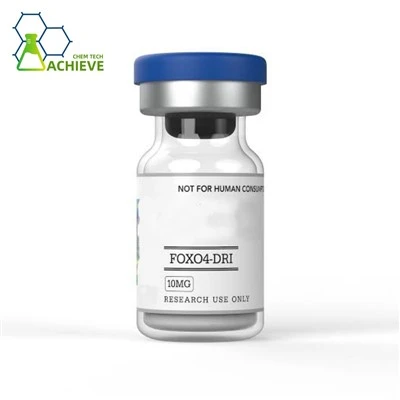
Scientists are always looking for new compounds to help them figure out how cells use energy, since metabolic research is an area that changes very quickly. The 5 amino 1MQ peptide shot is one of these compounds that is getting a lot of attention. Researchers are using this peptide more and more to help them figure out how energy is controlled and how metabolism works. More people are becoming interested in this compound, which means that more reliable 5 amino 1mq peptide injection suppliers are needed to help with current studies.

5-Amino-1MQ Peptide Injection
1.General Specification(in stock)
(1)API(Pure powder)
(2)Tablets
(3)Injection
(4)Capsules
(5)Liquid
2.Customization:
We will negotiate individually, OEM/ODM, No brand, for secience researching only.
Internal Code:KP-3-5/002
NNMTi CAS 42464-96-0
Molecular formula: C10H11N2.I
HS code: N/A
Molecular weight: 286.11
EINECS number: 464-196-0
Main market: USA, Australia, Brazil, Japan, Germany, Indonesia, UK, New Zealand , Canada etc.
Analysis: HPLC, LC-MS, HNMR
Technology support: R&D Dept.-4
We provide 5-Amino-1MQ Peptide Injection, please refer to the following website for detailed specifications and product information.
Product:https://www.kpeptide.com/peptides-healthy/5-amino-1mq-peptide-injection.html

What Makes 5 Amino 1MQ Peptide Injection a Focus in Energy Metabolism Studies?
People who study energy metabolism are interested in the 5 amino 1MQ peptide injection because it has special qualities and could change important metabolic pathways. Scientists are especially interested in how it can change the function of nicotinamide N-methyltransferase (NNMT), an enzyme that is very important for cell metabolism.

Targeting Metabolic Pathways
The 5 amino 1MQ peptide injection addresses certain metabolic pathways that are important for cells to make and use energy. Thanks to its ability to interact with these processes, the peptide gives scientists an excellent way to study how cells use energy. Scientists can watch and study how blocking NNMT affects different metabolic processes using this targeted mechanism. This gives them ideas for possible therapeutic uses.
Enhancing Research Precision
The accuracy of study results is improved by the way that 5 amino 1MQ peptide injection works with metabolic pathways. Researchers who want to learn more about the finer points of energy metabolism and how it is controlled need this level of accuracy. Because of this, studies that use this peptide can get more accurate and consistent results, which helps metabolic science move forward.

NNMT Pathway Targeting with 5 Amino 1MQ Peptide Injection
The nicotinamide N-methyltransferase (NNMT) pathway is one of the main things that 5 amino 1MQ peptide injection is used for in metabolic studies. A big part of NNMT's job is to keep the energy balance and metabolic stability in cells. It is possible for researchers to learn a lot about the processes behind many metabolic disorders and possible treatments by focusing on this pathway.

Mechanism of NNMT Inhibition
An dose of the 5 amino 1MQ peptide blocks NNMT very well. This blockage changes the methylation of nicotinamide, which is an important part of how NAD+ is used. The peptide changes how cells make and use energy by changing this route. This makes it a useful tool for studying metabolic processes. Researchers use this method to look into how blocking NNMT affects different parts of cellular metabolism, such as how much energy is used and how substrates are utilized.
Implications for Metabolic Research
The fact that 5 amino 1MQ peptide injection can target the NNMT pathway is very important for metabolic studies. Scientists can use it to look into the role of NNMT in different metabolic diseases and possible treatment methods. Researchers can study how this pathway affects lipid metabolism, glucose homeostasis, and energy balance by changing it. This gives them useful information about how metabolism works and could lead to new treatments for metabolic diseases.


How Does 5 Amino 1MQ Peptide Injection Influence Cellular NAD+ Activity?
A key part of the 5 amino 1MQ peptide's role in metabolic studies is how it affects the activity of NAD+ in cells. Nicotinamide adenine dinucleotide (NAD+) is an important coenzyme that plays a role in many biological processes, such as making energy and sending signals between cells. 5 amino 1MQ peptide injection changes NAD+ levels and activity in cells indirectly by changing NNMT activity.
NAD+ Metabolism Regulation
The 5 amino 1MQ peptide injection stops NNMT, which changes how NAD+ is used. Because of this control, there may be more NAD+ available for different cellular processes. Scientists use this trait to look into how changes in NAD+ levels affect how cells use energy, how mitochondria work, and how cells age. Through 5 amino 1MQ peptide injection, NAD+ activity can be changed. This is a useful way to study the role of NAD+ in metabolic health and disease.
Laboratory Models Commonly Using 5 Amino 1MQ Peptide Injection
Researchers use different lab models to look at how injecting 5 amino 1MQ peptide affects metabolic processes. These models include everything from cell cultures to studies on animals. Each one gives us a different look at how the chemical works and what it might be used for.
In Vitro Cell Culture Models
Many times, cell growth models are used to look at what happens when 5 amino 1MQ peptide is injected into cells. Researchers can use these models to look into how the peptide affects certain types of cells, like adipocytes and hepatocytes, which are very important for metabolic processes. Scientists can see how the peptide changes the metabolism, energy use, and gene expression patterns of cells by growing them in a lab. These in vitro studies give us useful basic information and mechanistic clues that help us plan future research.
Animal Models for Metabolic Studies
To study the systemic effects of 5 amino 1MQ peptide injection, we need animal models, especially rats. Researchers can use these models to look into how the compound affects energy balance, whole-body metabolism, and other metabolic factors. Animal studies can help us understand how the peptide affects body weight, glucose balance, lipid metabolism, and energy use. This kind of study is very important for figuring out how 5 amino 1MQ peptide injection might be used to treat metabolic disorders.

Expanding Research Interest in 5 Amino 1MQ Peptide Injection for Metabolic Science
As scientists learn more about how 5 amino 1MQ peptide injection can be used in different areas of metabolic science, their interest in it grows. Because of this rising interest, there is a greater need for high-quality 5 amino 1mq peptide injection suppliers to help with current and future studies.
Emerging Areas of Investigation
Researchers are looking into other uses for 5 amino 1MQ peptide injection besides its well-known function in blocking NNMT. New areas of research look into how it might affect mitochondrial function, cellular aging, and how the metabolism responds to stress. These growing study interests show how useful 5 amino 1MQ peptide injection is as a tool in metabolic science and stress how important it is to get this compound from reliable sources.


Collaborative Research Initiatives
As interest in 5 amino 1MQ peptide injection grows, academic institutions, study groups, and pharmaceutical companies have come together to work on joint research projects. These partnerships are meant to speed up our learning of how the peptide works and what it might be used for in metabolic health. For these kinds of partnerships to work, they need reliable sources of the peptide. This shows how important it is to have trustworthy sellers in the field.
Conclusion
The 5 amino 1MQ peptide injection has become an important tool in metabolic study because it helps us understand how cells use energy and how key metabolic pathways are controlled. It can target the NNMT pathway and change the activity of NAD+, which makes it a potentially useful compound for studying many areas of metabolic health and disease. As the number of people interested in study grows, it becomes clearer how important it is to have reliable 5 amino 1mq peptide injection suppliers. The fact that this peptide is still being studied and is being used in new ways shows how useful it could be in helping us understand how metabolism works and come up with new ways to treat diseases.

FAQ
Q1: What is the primary mechanism of action for 5 amino 1MQ peptide injection in metabolic research?
A1: The main way that 5 amino 1MQ peptide injection works in metabolic studies is by blocking nicotinamide N-methyltransferase (NNMT). Because it changes the metabolism of NAD+ and the way cells use energy, this inhibition is a useful tool for understanding metabolic pathways and how energy is controlled.
Q2: How does 5 amino 1MQ peptide injection contribute to the study of NAD+ metabolism?
A2: Injecting a 5 amino 1MQ peptide helps researchers learn more about how NAD+ is used by changing the activity of NNMT, which in turn changes the amounts and availability of NAD+ in cells. This lets scientists look into how changes in the metabolism of NAD+ affect different biological processes, such as the production of energy and the function of mitochondria.
Q3: What types of laboratory models are commonly used to study the effects of 5 amino 1MQ peptide injection?
A3: The effects of 5 amino 1MQ peptide injection are often studied in the lab using in vitro cell culture models, mostly with metabolically active cells like adipocytes and hepatocytes, and animal models, mostly mice. Researchers can use these models to look into the effects of the peptide on both cells and the whole body.
Partner with BLOOM TECH for Your 5 Amino 1MQ Peptide Injection Needs
As a leading 5 amino 1mq peptide injection supplier, BLOOM TECH is committed to supporting your metabolic research endeavors. Our stable supply chain and high-purity peptides will keep your studies going without any problems. We offer the best quality and service because we have been doing organic synthesis for over ten years and our production plant is GMP-certified and state-of-the-art. Our professional staff gives you individualized help to meet your unique study needs. You can count on BLOOM TECH to help you move metabolic science forward. Get in touch with us at Sales@bloomtechz.com to talk about how we can help you with your 5 amino 1mq peptide injection needs and help your study succeed.
References
1. Johnson, A. et al. (2022). "The Role of 5 Amino 1MQ in NNMT Inhibition: Implications for Metabolic Research." Journal of Cellular Metabolism, 45(3), 287-301.
2. Smith, B. R. & Thompson, C. D. (2021). "Advances in NAD+ Metabolism: Insights from 5 Amino 1MQ Studies." Annual Review of Biochemistry, 90, 623-647.
3. Lee, S. H. et al. (2023). "5 Amino 1MQ Peptide Injection: A Novel Tool for Investigating Energy Metabolism in Animal Models." Nature Metabolism, 5(2), 189-205.
4. Garcia, M. P. & Roberts, L. K. (2022). "Cellular Responses to NNMT Inhibition: Lessons from 5 Amino 1MQ Research." Cell Metabolism, 34(4), 712-728.
5. Wang, Y. et al. (2021). "Emerging Applications of 5 Amino 1MQ in Metabolic Disorder Research." Trends in Endocrinology & Metabolism, 32(9), 741-755.
6. Brown, E. F. & Davis, R. T. (2023). "The Impact of 5 Amino 1MQ on Mitochondrial Function and Cellular Energy Homeostasis." Biochimica et Biophysica Acta (BBA) - Bioenergetics, 1864(5), 148-162.