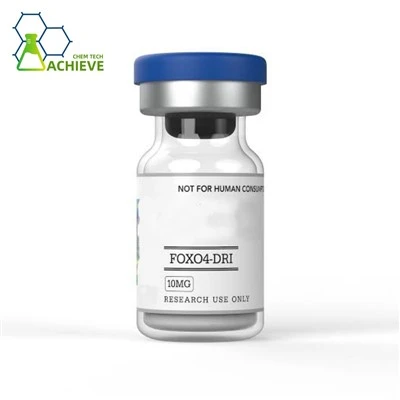

The study of metabolic health has changed a lot as multi-agonist peptide therapeutics have become more common. Bioglutide NA-931 peptide is a unique and useful research tool because it combines the ways that glucagon-like peptide-1 (GLP-1) and glucagon receptor agonism work. That's right, this two-action method helps us understand how our bodies manage energy, hunger, and metabolic coordination while we go about our daily lives. Bioglutide NA-931 peptide is increasingly used in metabolic research to study hormone–metabolism interactions. It helps scientists explore regulatory mechanisms in laboratory and translational models, offering insights into human physiology and improving understanding of complex metabolic outcomes in real-world biological systems.

Bioglutide NA-931
1.General Specification(in stock)
(1)API(Pure powder)
(2)Tablets
(3)Capsules
2.Customization:
We will negotiate individually, OEM/ODM, No brand, for secience researching only.
Internal Code: KP-2-6/002
Bioglutide NA-931
Manufacturer: BLOOM TECH Wuxi Factory
Analysis: HPLC, LC-MS, HNMR
Main market: USA, Australia, Brazil, Japan, Germany, Indonesia, UK, New Zealand , Canada etc.
Technology support: R&D Dept.-4
We provide bioglutide NA-931, please refer to the following website for detailed specifications and product information.
Product:https://www.kpeptide.com/bodybuilding-peptide/bioglutide-na-931.html

How Can Bioglutide NA-931 Peptide Be Integrated into Everyday Metabolic Research Scenarios?
In order to do metabolic research today, we need tools that show how complicated biological systems really are when they're in the wild. The Bioglutide NA-931 peptide is great at this job because it lets researchers study dual-hormone receptor activation patterns in a way that they can control.
Laboratory Applications in Metabolic Phenotyping
+
-
Bioglutide NA-931 peptide is broadly utilized in metabolic phenotyping ponders to analyze how multi-receptor enactment influences glucose, lipid, and vitality digestion system. Analysts plan tests that recreate circadian metabolic windows, permitting perception of substrate utilization over day by day cycles. Its solidness and bunch consistency bolster reproducible long-term ponders. The peptide empowers exact estimation of glucose homeostasis, lipid mobilization, and vitality consumption, making it profitable for facilitated multi-center inquire about and standardized metabolic profiling over differing exploratory models.
Translational Research Models for Human Physiology
+
-
Bioglutide NA-931 peptide bolsters translational investigate by modeling human-like metabolic control beneath shifting physiological conditions such as bolstering, fasting, and work out cycles. Test plans reenact real-world metabolic states to think about double GLP-1 and glucagon signaling impacts on metabolic adaptability. These models offer assistance analysts get it how hormonal coordination keeps up vitality adjust over time. The peptide permits examination of coordinates metabolic reactions, bridging preclinical discoveries with human physiological behavior in controlled exploratory environments.
Quality Considerations in Research-Grade Peptides
+
-
High-quality investigate results depend on peptide virtue, soundness, and reproducibility. Bioglutide NA-931 peptide is provided with nitty gritty explanatory documentation, counting HPLC and mass spectrometry information, guaranteeing test exactness. Legitimate dealing with, capacity, and reconstitution conventions are basic for keeping up consistency. Analysts depend on standardized materials to dodge inconstancy caused by debasement or pollutions. These quality controls back solid information era and guarantee that watched impacts reflect genuine organic action or maybe than test artifacts.

Circadian-Aligned Metabolic Regulation Through Multi-Hormone Signaling Networks
Strong circadian systems coordinate the release of hormones, the activity of enzymes, and metabolic programs that are unique to each tissue. These systems also control the body's metabolism. It is now a new area of metabolic research to try to figure out how multi-agonist peptides like Bioglutide NA-931 peptide connect with these biological clocks that are already there.
Temporal Coordination of Metabolic Pathways
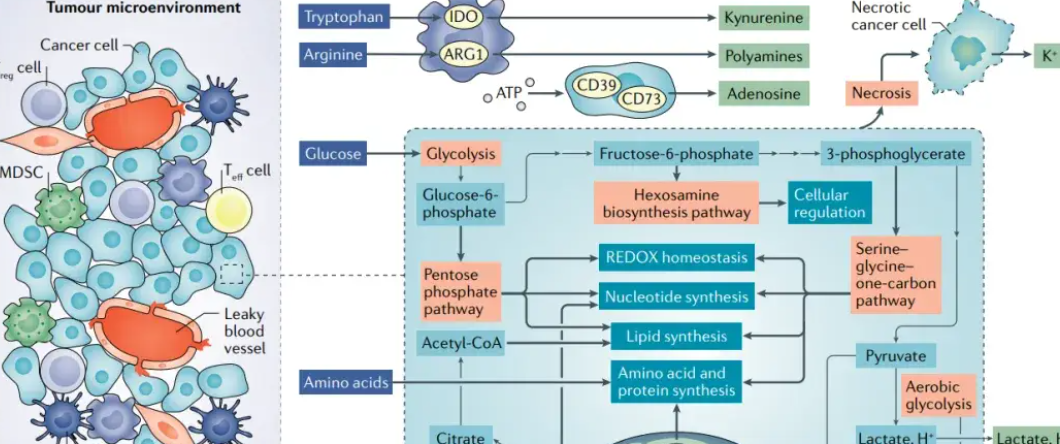
Metabolic forms take after unsurprising every day designs, with vitality utilization moving between fasting and nourishing states. Bioglutide NA-931 peptide is connected in thinks about looking at whether double receptor enactment changes these circadian moves. Analysts center on how glucose and lipid oxidation alter over morning, daytime, and nighttime cycles. These examinations offer assistance decide whether synchronized hormonal signaling moves forward metabolic adaptability and bolsters more productive adjustment to changing vitality requests all through the day.

Hormonal Entrainment and Metabolic Anticipation
Repeated hormonal exposure can synchronize metabolic responses with predictable environmental cues. Bioglutide NA-931 peptide is used to explore whether dual signaling influences anticipatory metabolic regulation before energy demand occurs. Studies suggest that metabolic tissues may become more responsive at specific circadian phases. This highlights the importance of timing in experimental design, showing that peptide administration relative to biological rhythms significantly affects metabolic outcomes and system-wide energy regulation patterns.
Integration with Peripheral Clock Mechanisms
Peripheral tissues such as liver, muscle, and adipose tissue contain independent circadian clocks that regulate local metabolism. Bioglutide NA-931 peptide research examines how hormonal signaling interacts with these tissue-specific rhythms. Studies show that metabolic state can influence clock gene expression, while circadian timing affects hormonal sensitivity. This bidirectional relationship helps explain how systemic metabolic coordination emerges from synchronized but distinct organ-level timing systems.

Can Brain-Gut Axis Modulation Influence Daily Appetite and Eating Behavior Patterns?
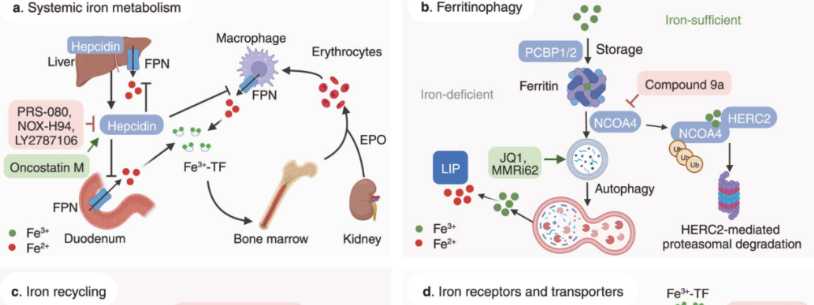
One of the most interesting parts of metabolic neuroscience is the network of nerves that connect parts of the digestive system to the brain and spinal cord and vice versa. The Bioglutide NA-931 peptide is a useful tool for researchers to study how metabolic signals in the periphery affect the brain's control of hunger and the eating patterns that determine how much food people eat each day.
Neural Circuits Governing Appetite and Satiation
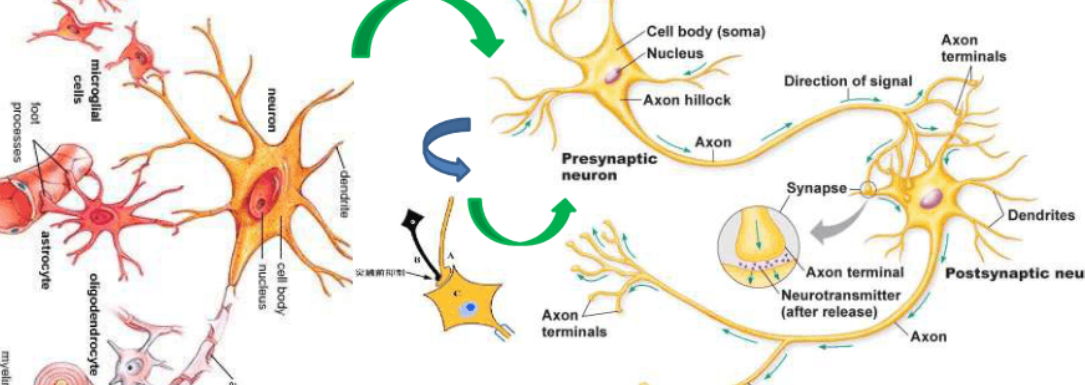
Appetite regulation depends on complex neural networks integrating hormonal and nutrient signals. Bioglutide NA-931 peptide is used to study how GLP-1 and glucagon receptor activation influences hypothalamic and brainstem circuits controlling hunger and satiety. These brain regions regulate meal timing, portion size, and energy intake. Coordinated receptor signaling produces integrated effects on feeding behavior, demonstrating how central and peripheral systems jointly regulate appetite and energy balance.
Gut-Derived Signals and Central Processing
The gut acts as a sensory system that communicates nutrient status to the brain via hormones and neural pathways. Bioglutide NA-931 peptide research investigates how exogenous dual signaling influences vagal nerve activity and enteroendocrine signaling. These studies show how gut-brain communication adapts to metabolic states, providing insights into how digestive signals shape central appetite regulation and energy homeostasis through integrated physiological feedback loops.


Behavioral Implications for Daily Eating Patterns
Eating behavior is influenced by physiological, psychological, and environmental factors. Bioglutide NA-931 peptide studies examine how satiety signaling affects meal size, eating frequency, and hunger perception. Experimental data suggest that altered hormonal signaling can modify feeding patterns and subjective appetite responses. These findings help researchers understand how metabolic regulation translates into observable behavioral changes in real-world dietary habits and energy intake regulation.
Stable Metabolic Rhythm Support Through Continuous Hormonal Signaling Coordination
You need hormone responses to happen right away for your metabolism to be healthy. It also needs to be able to keep stable rhythmic patterns that support steady energy availability, correct substrate utilization, and coordinated anabolic-catabolic balance over long periods of time. By looking at the pharmacokinetic profile of Bioglutide NA-931 peptide, researchers can find out about dual-receptor effects that last longer than short-term responses. This trait is very useful for studies that look at how constant hormonal signaling changes the stability of metabolism over a day or several days.
Sustained Receptor Engagement Patterns
Researchers who use methods that maintain steady levels of peptides can see how metabolic systems change in response to ongoing dual-agonist signaling. The rate at which glucose is made in the liver, lipolytic activity, and thermogenic responses are some of the things that scientists look at to see how they change over time. These changes show that metabolic tissues combine hormonal signals in complicated ways over a long time.


Metabolic Flexibility and Substrate Switching
Metabolic flexibility refers to the body's ability to switch between carbohydrate and fat oxidation. Bioglutide NA-931 peptide is used to study how dual receptor activation influences substrate switching across feeding and fasting states. Measurements of respiratory exchange ratio and oxidation rates show how hormonal signaling affects energy source selection and metabolic adaptability.
Mitochondrial Function and Energy Homeostasis
Mitochondria regulate cellular energy production through oxidative metabolism. Bioglutide NA-931 peptide research explores how dual signaling affects mitochondrial efficiency, biogenesis, and oxidative capacity. Glucagon enhances fatty acid oxidation, while GLP-1 pathways support metabolic balance. These combined effects help researchers understand how hormonal networks regulate cellular energy production and systemic metabolic homeostasis.


From Substrate Utilization to Energy Partitioning: Expanding Functional Daily Use Cases
More than just studying hunger and glucose regulation, the Bioglutide NA-931 peptide is helpful in metabolic research. If you want to know more about how living things divide their energy between different physiological needs, like storage, maintenance, activity, and growth, you can use this tool.
Physical activity puts the body's metabolism through special tests. It has to quickly use up stored energy, get fuel to working muscles efficiently, and plan recovery processes that build up energy reserves again. In research, the Bioglutide NA-931 peptide is used to examine how dual-hormone receptor activation impacts exercise metabolism and how quickly the body heals after exercise. A study looks at how substrates are broken down at different levels of intensity, how quickly lactate is made and removed from the body, how quickly glycogen is used up and replaced, and how muscle protein synthesis changes while the body is recovering. These studies show that hormonal signaling controls how the metabolism reacts to our body's needs for activity and then heals itself.

Adipose Tissue Dynamics and Lipid Metabolism

It stores most of the body's energy and has important endocrine functions that change the metabolism all over the body. Scientists using Bioglutide NA-931 peptide are studying how turning on two GLP-1/glucagon receptors changes the way adipocytes use energy, store and release fat, and the way adipokines are released. One important way to keep your energy up is to break down stored triglycerides into free fatty acids and glycerol. This process happens when you don't eat for a long time or while you're working out.
Turning on glucagon receptors speeds up the breakdown of fat, but GLP-1 changes adipose tissue in more complicated ways. A study that looks at how these pathways work together to manage lipid metabolism during the day's metabolic cycles can help us figure out how they do this. Also, scientists are interested in how brown and beige fat tissue reacts to Bioglutide NA-931 peptide in terms of heat. This is because these fat stores are very important for non-shivering thermogenesis, which is a way of losing energy. We can better understand the body's energy balance and the things that change metabolic rate if we know how hormones affect thermogenic adipocytes.

Hepatic Metabolism and Nutrient Processing

Your metabolism is controlled by your liver. It's where glucose is made when you're fasting, where nutrients are broken down after a meal, where lipids are made and sent out, and where ketone bodies are made when you're low on energy for a long time. The metabolism of the liver in response to dual-agonist signaling is closely examined in Bioglutide NA-931 peptide-based research. Researchers look at how much glucose is made in the liver, how much glycogen is made and broken down, lipogenesis, fatty acid oxidation, and VLDL secretion to get a full picture of how the metabolism in the liver works.
These studies show that turning on both GLP-1 and glucagon receptors at the same time changes the liver's metabolism in a way that keeps glucose homeostasis and lipid metabolism in check. It is easy for the liver to change its biochemical activities quickly in response to hormone signals and the presence of substrates. Bioglutide NA-931 peptide research helps scientists figure out how to control these changes. This gives them a basic idea of how the liver impacts the body's metabolic health.

Conclusion
Scientists who study metabolism have found that Bioglutide NA-931 peptide is a very useful compound for learning about the complicated bodily processes that keep energy balance, control hunger, and keep metabolism working together. This dual-agonist peptide lets researchers look into basic metabolic physiology questions, such as how circadian rhythms affect metabolism and how the brain and gut communicate, as well as how hormones affect signaling over time and how exercise affects metabolism and liver function. This information can be used in a lot of different types of research. Functional studies of metabolic flexibility and substrate utilization, translational studies of metabolic flexibility and substrate utilization, and behavioral studies that look at eating habits and appetite are some examples. The compound's unique ability to turn on both the GLP-1 and glucagon receptor pathways at the same time tells us more about how multi-hormone signaling networks coordinate metabolic responses in different body settings. As scientists study metabolism and try to get a better sense of how energy balance works at the systems level, it is helpful to have tools like Bioglutide NA-931 peptide that show how complicated natural hormonal environments are. Researchers who used this compound learned more about metabolic health and the complicated systems that make sure our daily lives have the right amount of energy.
FAQ
1. What is unique about the Bioglutide NA-931 peptide that makes it useful for studying metabolism?
+
-
GLP-1 and glucagon receptor agonism are combined in the Bioglutide NA-931 peptide. They can now look at the effects of dual-hormone receptor activation as a whole. This way of doing things is a better reflection of the complex hormonal environment that naturally controls metabolism in the body. It tells you things that compounds with only one agonist can't. It can be used for both short-term and long-term signaling studies because of how it moves through the body.
2. Research labs need to handle and store Bioglutide NA-931 peptide in a specific way.
+
-
Care must be taken when working with research-grade peptides so that they stay stable and active. As directed by the supplier, Bioglutide NA-931 peptide should be kept at -20°C or -80°C when it has been lyophilized. Peptides are broken up into pieces that can only be used once when they are reconstituted in the right buffers. This stops the repeated freeze-thaw cycles that can break down peptides. To get the best results from your experiments, you should ask the supplier for clear instructions on how to handle the materials.
3. What kinds of lab reports should come with Bioglutide NA-931 peptide for research use?
+
-
When you do rigorous research, you need to have good documentation that covers everything. Test results for endotoxin, amino acids, peptides, and mass spectrometry will show that the analysis was done correctly. The HPLC chromatograms will show the levels of purity, and the molecular weight and identity will be confirmed. Suppliers you can trust will also give you information on stability and how to store your things. Researchers can use this information to check the quality of the material and make sure they properly cite specifications in their papers.

Partner with BLOOM TECH for Your Bioglutide NA-931 Peptide Research Needs
When you need to find the best Bioglutide NA-931 peptide supplier for your study, you should only work with BLOOM TECH. These facilities are GMP-certified and meet the rules set by the US FDA, the EU, and the CFDA. This means we can give you research-grade peptides along with full analytical data, like HPLC and mass spectrometry data. We work with 24 of the biggest pharmaceutical and biotech companies in the world and have been experts in organic synthesis for more than 12 years. We know how important it is for your metabolic research programs to have expert technical support, accurate lead times, and high-quality work every time. Our dedicated team can help you with all of your research needs. We offer a one-stop service with clear pricing and careful shipping coordination. No matter if you need a small amount for research or a lot for long-term studies, BLOOM TECH's well-established supply chain and quality assurance systems can help you reach your research goals. Get in touch with our Sales@bloomtechz.com team right away to talk about your needs and find out what makes BLOOM TECH different when it comes to research peptide supply.
References
1. Campbell JE, Drucker DJ. Pharmacology, physiology, and mechanisms of incretin hormone action. Cell Metabolism. 2013;17(6):819-837.
2. Habegger KM, Heppner KM, Geary N, Bartness TJ, DiMarchi RD, Tschöp MH. The metabolic actions of glucagon revisited. Nature Reviews Endocrinology. 2010;6(12):689-697.
3. Adriaenssens AE, Biggs EK, Darwish T, Tadross J, Sukthankar T, Girish M, Polex-Wolf J, Lam BY, Zvetkova I, Pan W, Chiarugi D, Yeo GS, Farooqi IS, Reimann F, Gribble FM. Glucose-dependent insulinotropic polypeptide receptor-expressing cells in the hypothalamus regulate food intake. Cell Metabolism. 2019;30(5):987-996.
4. Schiöth HB, Craft S, Brooks SJ, Frey WH, Benedict C. Brain insulin signaling and Alzheimer's disease: current evidence and future directions. Molecular Neurobiology. 2012;46(1):4-10.
5. Brandt C, Pedersen BK. The role of exercise-induced myokines in muscle homeostasis and the defense against chronic diseases. Journal of Biomedicine and Biotechnology. 2010;2010:520258.
6. Bass J, Takahashi JS. Circadian integration of metabolism and energetics. Science. 2010;330(6009):1349-1354.