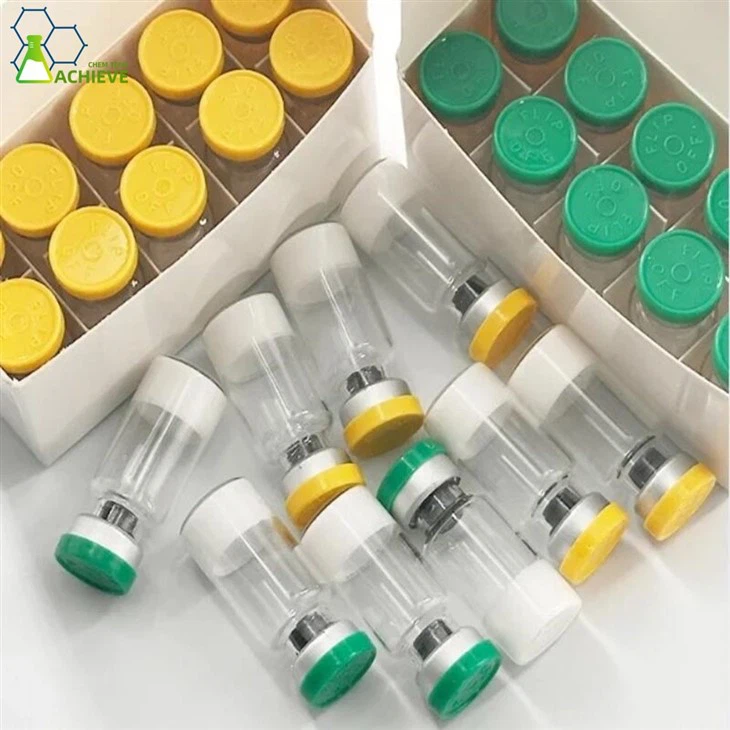
Corn oligopeptide is a small-molecule functional oligopeptide mixture prepared from corn gluten meal-a by-product of corn starch processing-as the main raw material, adopting modern biotechnological processes including targeted enzymatic hydrolysis with compound proteases, membrane separation and purification, and spray drying.
Rich in branched-chain amino acids and a variety of bioactive peptide fragments, it possesses multiple physiological activities such as antioxidant effect, liver protection and hangover relief, blood pressure regulation, immunity enhancement, and auxiliary regulation of blood glucose and blood lipids.
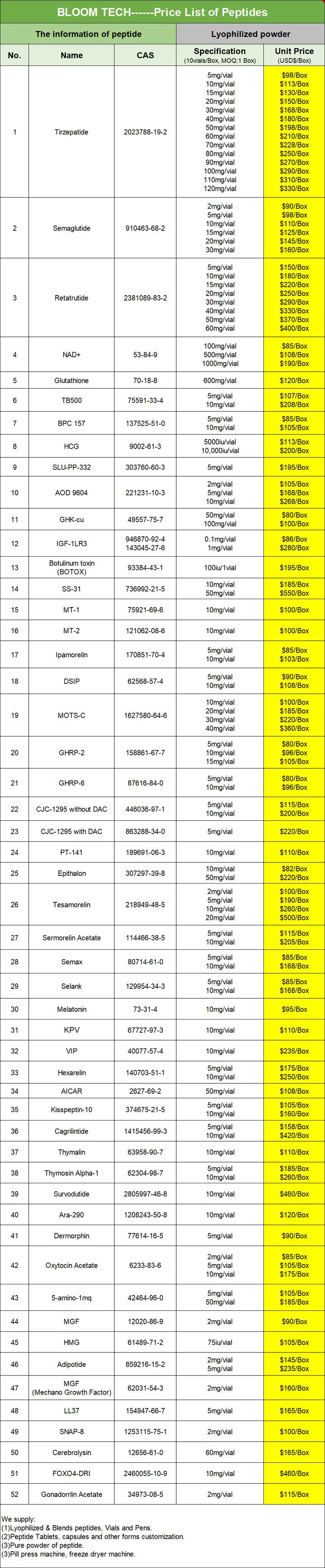
Our Products Form
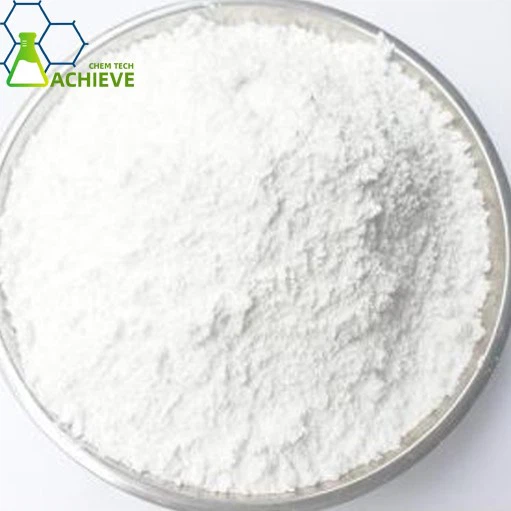
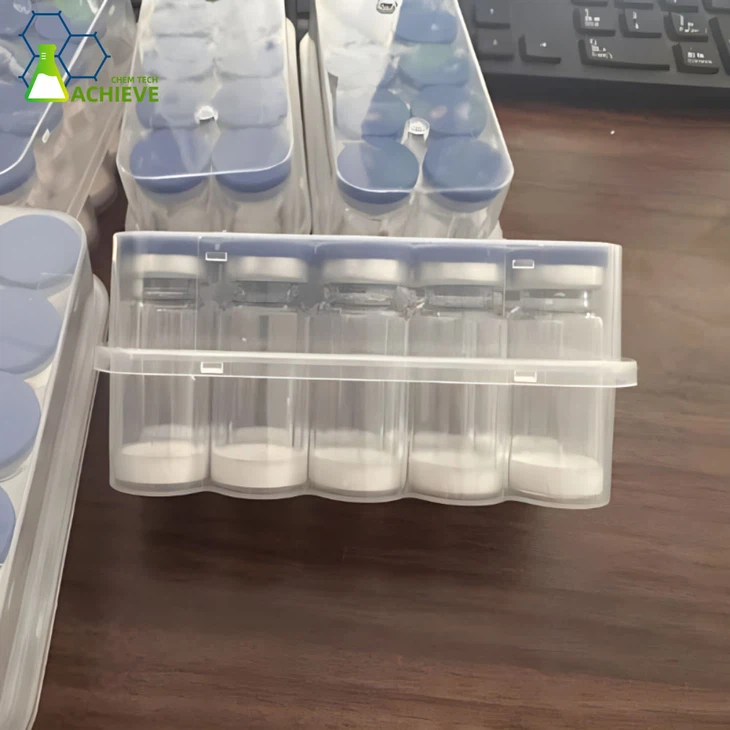

Corn Oligopeptide COA
 |
||
| Certificate of Analysis | ||
| Compound name | Corn Oligopeptide | |
| Grade | Pharmaceutical grade | |
| Quantity | 25g | |
| Packaging standard | PE bag+Al foil bag | |
| Manufacturer | Shaanxi BLOOM TECH Co., Ltd | |
| Lot No. | 202601090066 | |
| MFG | Jan 9th 2026 | |
| EXP | Jan 8th 2029 | |
| Structure | N\A | |
| Item | Enterprise standard | Analysis result |
| Appearance | White or almost white powder | Conformed |
| Water content | ≤5.0% | 0.33% |
| Loss on drying | ≤1.0% | 0.42% |
| Heavy Metals | Pb≤0.5ppm | N.D. |
| As≤0.5ppm | N.D. | |
| Hg≤0.5ppm | N.D. | |
| Cd≤0.5ppm | N.D. | |
| Purity (HPLC) | ≥99.0% | 99.90% |
| Single impurity | <0.8% | 0.27% |
| Total microbial count | ≤750cfu/g | 300 |
| E. Coli | ≤2MPN/g | N.D. |
| Salmonella | N.D. | N.D. |
| Ethanol (by GC) | ≤5000ppm | 700ppm |
| Storage | Store in a sealed, dark, and dry place below 2-8°C | |
|
|
||

Application in the Food Industry

Corn oligopeptide features core properties including low molecular weight (mostly ranging from 200 to 1000 Da), high water solubility, high temperature resistance, acid and alkali resistance, direct absorbability by the human body, and extremely low allergenicity. As a natural functional ingredient, it has extensive application scenarios in the food industry and is suitable for the development of various conventional and functional foods. Rich in branched-chain amino acids (Valine, Isoleucine, Leucine) and cholesterol-free, it has a natural mellow flavor and can replace part of artificial flavor enhancers, conforming to the trend of modern healthy consumption.In sports nutrition foods, it can effectively inhibit muscle protein decomposition during exercise, promote muscle protein synthesis, accelerate lactic acid metabolism, relieve post-exercise fatigue and repair muscle damage. It is commonly added to sports drinks, energy meal replacement powders, protein bars, solid sports brewing preparations and other products. Compared with macromolecular proteins, it can be rapidly absorbed by the intestinal tract without gastrointestinal digestion, providing instant nutritional supplementation for high-intensity exercisers and fitness enthusiasts, and helping improve athletic performance and recovery efficiency.
Relevant studies have shown that sports drinks supplemented with it can significantly reduce lactate dehydrogenase activity in hypoxic cardiomyocytes, enhance superoxide dismutase activity, and exert a protective effect on cardiomyocytes after exercise.
In hangover and liver-protective foods, it can enhance the activity of alcohol dehydrogenase and acetaldehyde dehydrogenase in the liver, accelerate the catabolism of alcohol and acetaldehyde in the body, reduce acetaldehyde accumulation in the liver, and alleviate oxidative damage of alcohol to hepatocytes.Meanwhile, it can slow down the absorption rate of alcohol in the stomach and relieve hangover symptoms such as dizziness, nausea and fatigue after drinking.


It has been widely applied in hangover oral liquids, liver-protecting compressed candy, herbal compound beverages and other products. In 2010, the Ministry of Health of China approved the product powder as a new resource food, with a recommended daily intake of ≤ 4.5g, and its safety has been fully verified.
In dairy and baked foods, the addition of it can fortify protein nutrition and improve product flavor and tissue structure.When applied to yogurt and formulated milk, it can enhance system stability, extend shelf life and mask off-flavors of milk powder. Used in bread, cakes, pastries and other baked goods, it can strengthen the toughness of gluten network, improve the fluffiness and water retention of finished products, and delay aging and hardening. In addition, its natural mellow flavor can be applied to meat products, compound seasonings and concentrated soup bases to realize healthy formula upgrading with reduced salt and flavor enhancers.
It can also be compounded with perilla seed oil to prepare microcapsules and improve the antioxidant capacity of products.In special dietary and elderly foods, targeting the elderly, postoperative rehabilitation crowds and people with weak digestive function, corn oligopeptide can rapidly supplement amino acids required by the body by virtue of its advantage of direct absorption without digestion, improving malnutrition and physical weakness. Its high proportion of glutamine plays an important role in maintaining intestinal function and promoting tissue repair. It can be added to infant complementary diets (in compliance with relevant standards) and liquid nutritional meals as a high-quality protein fortifying raw material to meet the dietary needs of special groups. It should be noted that infants and young children shall not consume it arbitrarily and must follow relevant consumption standards.

References
[1] Yang Yuexin, Li Ning. Application Guide of Nutritional Functional Ingredients [M]. Beijing: Peking University Medical Press, 2011.
[2] Cui Pengfei, Li Muyue, Song Chunmei, et al. Factory Design and Application Prospect Analysis of Corn Oligopeptide Powder[J]. China Condiment, 2024, 49(2): 121-128.
Medical and Clinical Auxiliary Field
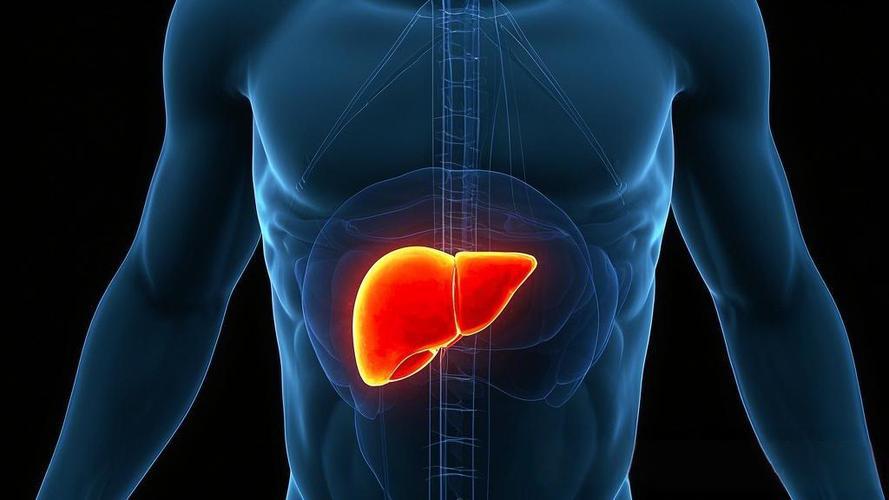
With low antigenicity, good biocompatibility and no obvious toxic and side effects, the application value of it in clinical adjuvant conditioning is continuously explored. It is mainly used in liver injury repair, nutritional support for radiotherapy and chemotherapy, gastrointestinal mucosal repair and wound healing. Its high Fischer ratio makes it a potential adjuvant therapeutic preparation for liver diseases.
In the adjuvant repair of liver injury, for alcoholic liver injury, drug-induced liver injury and non-alcoholic fatty liver disease, it can reduce inflammatory infiltration of hepatocytes, promote the repair and regeneration of damaged hepatocytes, reduce the probability of liver fibrosis, and assist in improving liver function indicators such as ALT and AST.It can improve the degree of hepatic coma and mental state by regulating the Fischer ratio in blood, reduce blood ammonia concentration of patients and even restore it to normal levels, thereby alleviating or eliminating symptoms of hepatic encephalopathy.
It can be used as a dietary nutritional supplement for liver disease patients.
In the adjuvant application for tumor radiotherapy and chemotherapy, its antioxidant activity can scavenge a large number of free radicals generated by radiotherapy and chemotherapy and reduce oxidative damage to normal cells.
Meanwhile, it can enhance body immune function, relieve side effects caused by radiotherapy and chemotherapy such as myelosuppression, loss of appetite and physical decline, improve the quality of life and tolerance of tumor patients, and provide a new option for nutritional support of tumor patients.


In the conditioning of gastrointestinal diseases, corn oligopeptide can repair damaged gastrointestinal mucosa, regulate intestinal flora structure, promote the proliferation of beneficial bacteria, improve gastritis, superficial ulcers and intestinal dysfunction, and relieve alternating constipation and diarrhea symptoms.The glutamine it contains exerts a good effect on maintaining gastrointestinal metabolic function, and its small-molecular structure does not increase the digestive burden of the gastrointestinal tract, making it suitable for long-term nutritional supplementation of gastrointestinal disease patients.
In skin trauma and postoperative repair, it can promote the proliferation of skin fibroblasts and endogenous collagen synthesis, accelerate epidermal wound healing and relieve inflammatory reactions. In addition, the chelate formed by it and ferrous iron has good biological activity, which can play a role in postoperative clinical nutritional support and adjuvant conditioning of chronic skin ulcers, showing great application potential.
References
[1] Zhang Xinxue, Lu Zhihao, Liu Jiasheng, et al. Preparation and Structural Characterization of Corn Oligopeptide Ferrous Chelate[J]. Science and Technology of Food Industry, 2023, 44(4): 243-251.
[2] White Paper on Domestic Functional Peptide Raw Material Research (2023), Professional Committee of Functional Ingredients, China National Food Industry Association.
Cosmetics and Daily Chemical Industry
Rich in hydrophilic amino acid residues, it has the functions of anti-aging, moisturizing, barrier repair and tyrosinase inhibition. It is natural, mild and non-irritating, serving as a popular natural active additive in skin care and personal care products. It can effectively improve skin and hair conditions and conform to the market trend of natural skin care.
In anti-aging and firming skin care, it scavenges skin free radicals, reduces collagen loss, promotes elastic fiber synthesis, fades fine lines and dry lines, relieves facial skin sagging, and enhances skin compactness and elasticity.


It is often added to anti-aging essences, firming face creams, repair masks and other products to provide long-term anti-aging care for the skin.
In moisturizing and barrier repair, a large number of hydrophilic groups on its molecular chain can capture and lock moisture, deeply relieve dry and rough skin and maintain skin hydration. Meanwhile, it can repair damaged stratum corneum and enhance the skin's resistance to external irritation. It is applicable to products for sensitive skin repair, seasonal skin stability maintenance and post-sun soothing, helping the skin restore a healthy barrier.
References
[1] Research Progress on Application of Natural Active Peptide Raw Materials in Cosmetics[J]. China Surfactant Detergent & Cosmetics, 2022, 52(8): 568-574.
[2] Wang Qiang, Zhou Sumei. Development and Application of Cereal-derived Active Peptides in Daily Chemical Industry[J]. Fine and Specialty Chemicals, 2021, 29(6): 45-49.
Precautions for Suitable and Unsuitable Populations
The product has extremely low allergenicity, but it still carries potential allergic risks for people with cereal protein allergy, who are prohibited from consumption.
Infants and young children, pregnant women, lactating women, people with severe liver and renal insufficiency, and patients with severe chronic diseases are not suitable for long-term self-consumption.
They should take it as needed after evaluation by doctors or professional nutritionists to avoid increasing the metabolic burden of visceral organs.
References
[1] Cui Pengfei, Li Muyue, Song Chunmei, et al. Factory Design and Application Prospect Analysis of Corn Oligopeptide Powder[J]. China Condiment, 2024, 49(2):121-128.
[2] Lu Zhihao, Zhao Xiaohan, Pei Chenhao, et al. Antioxidant and Anti-allergic Activities of Corn Oligopeptide, Wheat Oligopeptide and Their Metal Chelates[J]. Food and Fermentation Industries, 2023, 49(14):35-40.
FAQ
What does oligopeptide do for the skin?
+
-
Protect against free radicals: Since oligopeptides help to build up skin cells, they are essentially strengthening the skin barrier and increasing protection against UV damage and other environmental intruders.
What is corn oligopeptide?
+
-
The corn oligopeptide (CP), derived from the enzymatic hydrolysis of corn gluten meal, is a valuable resource known for its various pharmacological activities, including antioxidant, antiapoptotic, blood pressure-lowering, and hepatoprotective effects.
Hot Tags: corn oligopeptide, China corn oligopeptide manufacturers, suppliers, Botulinum Toxin Injection 100iu, Nad Capsule, Nad Peptide Injection, Nad Tablet, BPC 157 Peptide Cream, BPC 157 Peptide Capsules