


New peptide compounds that have multiple effects on weight control and energy balance are constantly changing the field of metabolic studies. Bioglutide NA-931 peptide is one of these new tools for research that has caught the attention of scientists because of its unique structural features and way of working. In laboratory settings, this multi-receptor agonist is a complex way to learn about how fat is burned, how to control hunger, and how body composition changes. Researchers who study metabolic pathways are becoming more and more aware of the worth of compounds that interact with multiple biological targets at the same time. These compounds may provide more complete information than traditional methods that focus on a single receptor.

1.General Specification(in stock)
(1)API(Pure powder)
(2)Tablets
(3)Capsules
2.Customization:
We will negotiate individually, OEM/ODM, No brand, for secience researching only.
Internal Code: KP-2-6/002
Bioglutide NA-931
Analysis: HPLC, LC-MS, HNMR
Technology support: R&D Dept.-4
We provide Bioglutide NA-931, please refer to the following website for detailed specifications and product information.
Product:https://www.kpeptide.com/bodybuilding-peptide/bioglutide-na-931.html

How Does Bioglutide NA-931 Target Multiple Metabolic Pathways?
There are four different types of receptors that Bioglutide NA-931 peptide can interact with. These are glucagon-like peptide-1 (GLP-1), glucose-dependent insulinotropic polypeptide (GIP), glucagon (GCG), and neuropeptide Y (NPY) receptors. This quadruple agonist design is different from other metabolic modulators that usually only work on one target. Multi-receptor interaction makes sense because controlling metabolism involves a lot of complicated cross-talk between different signaling cascades, not just one or two pathways.
Engaging the GLP-1 receptor starts a chain of events that are related to keeping glucose levels stable and sending signals about fullness. When this receptor system is turned on, signals are sent to pancreatic beta cells that make them release more insulin in a way that depends on glucose. This lowers the risk of hypoglycemia events. In addition to controlling blood sugar, GLP-1 routes affect how quickly the stomach empties and talk to parts of the brain that control how hungry we feel. Long-term stimulation of GLP-1 receptors is linked to less food intake and weight changes that happen over long observation periods, according to research models.

Glucose-Dependent Insulinotropic Polypeptide Interactions

Adding the GIP receptor part to metabolic regulation gives it another level. GIP pathways are known for their part in releasing insulin after a meal, but new research shows they also play a role in fat tissue activity and lipid metabolism. When both GLP-1 and GIP receptors are activated at the same time, they have effects that are different from when only one is active. This dual incretin method has shown better metabolic results in a number of different experimental models when compared to techniques that only target one receptor.
At first glance, adding glucagon receptor agonism might not make sense, since glucagon is usually linked to higher blood sugar levels. But long-term activity of glucagon receptors at the right levels raises energy use and helps the liver burn fat. The metabolic environment formed by GLP-1 and GIP signaling at the same time seems to change glucagon's effects, moving them toward increasing lipolysis instead of glucose production. This complex interaction shows how chemicals that bind to multiple receptors can have different effects than compounds that only activate one route.

Neuropeptide Y Modulation

NPY receptors are very important for controlling energy balance, especially in hypothalamic pathways that control eating habits and energy saving. The way Bioglutide NA-931 peptide interacts with certain NPY pathways is part of its overall metabolic makeup. The chemical might affect both metabolic processes in the periphery and the regulatory systems in the brain that control long-term energy balance by targeting this fourth receptor system. Laboratories that are studying how weight is controlled can benefit from having tools that can look at many parts of this complicated bodily system at the same time.

Enhanced Appetite Regulation Through Quadruple Receptor Engagement
Food intake regulation depends on complex communication between the gut, pancreas, adipose tissue, and brain regions involved in hunger and satiety. Bioglutide NA-931 peptide, with its multi-receptor activity, can influence several points in this network simultaneously, producing broader appetite control than single-target agents.
After eating, enteroendocrine cells release hormones that signal nutrient availability. NA-931 engages GLP-1 and GIP pathways, strengthening these natural satiety signals. GLP-1 receptor activation slows gastric emptying, prolonging fullness, while also sending signals via vagal pathways to the brainstem. These combined effects typically reduce meal size and eating frequency in research models.

Central Nervous System Integration

In the brain, the hypothalamus integrates peripheral signals to regulate energy balance. Some peptide-related signals can influence this system indirectly through blood-brain barrier interactions or nearby brain regions. This affects neuropeptide systems such as NPY, shifting the balance toward reduced appetite and increased satiety. NA-931's multi-receptor activity may reinforce these central effects and lower overall feeding drive.
Eating behavior is also driven by reward circuits linked to pleasure and motivation. GLP-1-related signaling can interact with mesolimbic pathways, potentially reducing the appeal of highly palatable foods. This helps address non-hunger-driven eating, which often contributes to excessive energy intake. These mechanisms provide insight into how reward-related feeding can be modulated in research settings.

Sustained Versus Acute Effects

Short-term receptor activation can reduce meal size quickly, while longer exposure influences adaptive changes in feeding circuits. Multi-receptor agonists may maintain effectiveness over time by engaging several pathways at once, reducing the likelihood of physiological adaptation. This makes them useful tools for long-term metabolic studies.

Optimizing Energy Balance and Fat Utilization in Research Models
To lose body fat, you need to create an energy balance, which means that you need to burn more calories than you take in. But the changes in metabolism that happen during this shortage have a big effect on which cells help with weight loss. Compounds that work on multiple elements of energy balance at the same time are useful for studying these complicated relationships.
Adaptive thermogenesis, activity-related energy use, and baseline metabolic rate are some of the factors that make up energy consumption. The glucagon receptor part of Bioglutide NA-931 peptide has effects on the liver that raise the body's metabolic rate and make it use more energy. Research models show that people who are treated with substances that match this receptor makeup use more air and produce more heat. The process involves more oxygen metabolism in the liver and maybe even more action in brown fat tissue, though the exact roles of different tissues are still being studied.


The incretin components (GLP-1 and GIP) also help keep the body's energy balance in check. There is evidence that these routes change how substrates are used, making metabolism depend more on oxidizing lipids than burning carbohydrates. This improvement in metabolic flexibility is especially helpful when the body needs to use saved energy because it isn't getting enough food. Tools that can change these basic metabolic factors are useful for experiments that look at fuel choices under different nutritional situations.
To lose fat, you need to both create an energy shortage and easily get lipids from stores in adipose tissue. Hormone-sensitive lipase and other enzymes break down triglycerides into free fatty acids and glycerol that are used by tissues outside the fat cells. Glucagon signaling usually speeds up lipolysis, and the glucagon receptor part of Bioglutide NA-931 peptide helps move fat around more efficiently. This lipolytic stimulus, when paired with the metabolic environment set by activating GLP-1 and GIP receptors, sends released fatty acids toward oxidation instead of re-esterification.

Hepatic Fat Metabolism
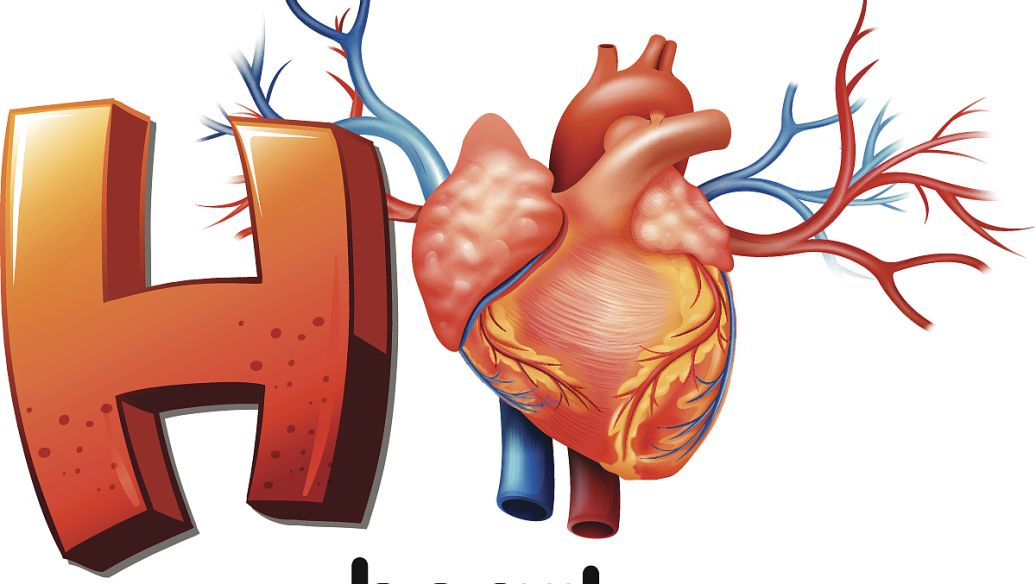
Fat distribution plays a key role in metabolic outcomes. Visceral fat, surrounding internal organs, is more metabolically active and strongly linked to metabolic disorders than subcutaneous fat. Therefore, compounds that reduce visceral fat are particularly valuable in metabolic research. The liver, as a central metabolic organ, regulates nutrient processing, lipid synthesis, and glucose balance. Fatty liver (hepatic steatosis) is closely associated with obesity and insulin resistance. Bioglutide NA-931 peptide may support liver metabolism by activating glucagon receptors, promoting fatty acid breakdown, and reducing new fat formation, which can help limit liver fat accumulation.
Muscle Mass Preservation During Fat Reduction Studies
One of the most important problems in weight management studies is figuring out why some treatments lead to fat loss, and others lead to unwanted loss of lean tissue. Because skeletal muscle affects metabolic rate and functional ability, keeping muscle mass during an energy shortage is very important.
When the body has a low energy balance, it has to get energy from stored sources, which could include muscle protein. Whether protein breakdown speeds up or stays steady depends on the hormonal and metabolic environment that different chemicals create. Activating the GLP-1 receptor seems to have effects that spare proteins through processes that aren't fully known but might involve improving insulin signaling and changing the metabolism of amino acids. Research methods that check the nitrogen balance and changes in lean tissue can show if certain treatments only target fat or muscle. Dual-energy X-ray absorptiometry (DEXA) and magnetic resonance imaging (MRI) are two techniques that can accurately measure body composition and tell the difference between changes in fat mass and changes in lean tissue. The results of studies using these methods show that multi-receptor agonists like Bioglutide NA-931 peptide lead to better changes in body composition than just cutting calories.

Insulin Signaling and Anabolic Pathways

Anabolic signals through insulin and insulin-like growth factor pathways help keep skeletal muscle in good shape. By lowering glucose levels, activating incretin receptors helps keep insulin levels at a healthy level, which supports muscle protein production without encouraging the storage of too much fat. This physiological balance is one of the main benefits of substances that improve insulin sensitivity instead of just stopping energy intake by making you feel less hungry.
Keeping muscles working when they don't have enough energy is important for metabolic health in general, not just for keeping mass. Compounds that keep your strength and ability to move while you lose weight are useful for study models that use fitness components. The impact of multi-receptor agonism on energy metabolism may help maintain physical fitness by making substrates more available and improving metabolic efficiency.


Translating Mechanistic Insights into Broader Metabolic Investigations
The information gained from studying certain chemicals, such as Bioglutide NA-931 peptide, goes beyond what that molecule does right away. Understanding how metabolic control works with multiple receptors helps researchers come up with new ideas and directions for their work.
Systems Biology Perspectives
+
-
More and more, modern metabolic science looks at things from a systems-level viewpoint, which acknowledges how biological control is linked. This way of thinking about metabolism doesn't see it as a series of straight lines. Instead, it looks at feedback loops, redundant processes, and traits that appear when complex systems interact. If you want to learn more about these systems, multi-receptor agonists are very helpful because you can't just add up the effects of each receptor.
Personalized Metabolism Concepts
+
-
Combining computational modeling with actual confirmation lets researchers make detailed models that show how different metabolic tissues work together. These models use information about hormone release, receptor expression patterns, the triggering of signaling cascades, and the final physiological consequences. Building a model, trying it in experiments, and then making it better is an iterative process that helps us understand metabolic physiology better than just basic study can.
Experimental Design Considerations
+
-
Individual metabolic responses vary widely, creating both challenges and opportunities in research. Some subjects respond strongly to interventions, while others show minimal effects, highlighting the need to identify biomarkers that explain this variability. Multi-target compounds like Bioglutide NA-931 peptide may help address these differences by acting on several pathways at once, increasing the likelihood of consistent effects across diverse populations. Reliable metabolic research also depends on careful study design, including treatment duration, dosing, measurement timing, and control selection. Standardized methods support comparison across studies. Finally, reproducibility requires consistent, well-characterized materials. Working with qualified suppliers that provide full documentation, stability data, and quality assurance ensures dependable and scientifically valid results.
Conclusion
The study of metabolic regulation using multi-receptor methods, such as the Bioglutide NA-931 peptide, reveals important details about the complicated physiology that controls body composition, energy balance, and hunger control. The four-receptor interaction profile that targets GLP-1, GIP, glucagon, and NPY pathways has coordinated effects on regulatory centers and peripheral tissues that go beyond what single-target drugs usually do. Research applications spanning pharmaceutical development, biotechnology investigations, and academic metabolism studies benefit from access to well-characterized peptide tools that enable rigorous experimental protocols. The mechanistic understanding derived from such investigations advances fundamental knowledge while potentially informing translational applications in metabolic health. As metabolic research continues evolving toward systems-level perspectives that recognize the interconnected nature of biological regulation, compounds engaging multiple pathways simultaneously provide particularly valuable investigational tools. The ongoing exploration of these mechanisms promises continued advancement in understanding metabolic physiology and developing novel approaches to weight management challenges.
FAQ
Bioglutide NA-931 peptide interacts with four different types of receptors at the same time: GLP-1, GIP, glucagon, and NPY receptors. This has linked metabolic effects that affect energy balance, hunger control, and fat metabolism. This multi-pathway method leads to different results than the simple additive effects of activating individual receptors. It might provide a more complete metabolic control for study purposes.
Research-grade peptides should be at least 98% pure, as confirmed by HPLC analysis, come with full analysis papers that prove their identification through mass spectrometry, and show how stable they are when stored in a certain way. Researchers can do studies that meet strict scientific standards and regulatory requirements when suppliers keep their GMP certification up to date and provide regulatory support paperwork.
Compounds that work on more than one pathway at the same time may be more effective across a wider range of groups than single-target methods because they use processes that work together and in addition to each other. When one route is less sensitive in some people, other pathways may be able to make up for it, keeping the total metabolic effects the same. This extra information helps us understand how individual changes in metabolic control happen.

Partner with BLOOM TECH for Premium Research-Grade Bioglutide NA-931 Peptide Supplier Excellence
BLOOM TECH is ready to help you with your metabolic research projects by providing you with pharmaceutical-grade Bioglutide NA-931 peptide that is backed by strict quality control and legal compliance. Our 100,000-square-meter production facilities are GMP-certified and also have licenses from the US-FDA, the EU, the PMDA, and the CFDA. This means that your study materials will meet the highest international standards. We know that uniform, well-characterized compounds are needed for reproducible science. That's why every batch goes through three levels of quality control: testing in the plant, review by our dedicated QA/QC department, and proof by a third party. With more than twelve years of experience specializing in organic synthesis and pharmaceutical intermediates, we offer more than just products. We also offer partnerships with clear, set prices, accurate lead times tracked in our ERP platform, and one-on-one technical help from our professional team. If you are a pharmaceutical business that needs a large supply with full CMC paperwork, a research group that needs flexible packaging with detailed analytical data, or a CDMO that wants to make sure their supply chain is stable, BLOOM TECH can help you. Connect with our team today to discuss your research needs: Sales@bloomtechz.com.
References
1. Finan B, Yang B, Ottaway N, et al. A rationally designed monomeric peptide triagonist corrects obesity and diabetes in rodents. Nature Medicine. 2015;21(1):27-36.
2. Müller TD, Finan B, Bloom SR, et al. Glucagon-like peptide 1 (GLP-1). Molecular Metabolism. 2019;30:72-130.
3. Nauck MA, Quast DR, Wefers J, Meier JJ. GLP-1 receptor agonists in the treatment of type 2 diabetes – state-of-the-art. Molecular Metabolism. 2021;46:101102.
4. Adriaenssens AE, Biggs EK, Darwish T, et al. Glucose-dependent insulinotropic polypeptide receptor-expressing cells in the hypothalamus regulate food intake. Cell Metabolism. 2019;30(5):987-996.
5. Day JW, Ottaway N, Patterson JT, et al. A new glucagon and GLP-1 co-agonist eliminates obesity in rodents. Nature Chemical Biology. 2009;5(10):749-757.
6. Tschöp MH, Finan B, Clemmensen C, et al. Unimolecular polypharmacy for treatment of diabetes and obesity. Cell Metabolism. 2016;24(1):51-62.


