Modern metabolic study keeps finding interesting links between the energy processes in cells and health in general. Many people are interested in 5 amino 1mq peptide injection, a man-made chemical that changes the amounts of nicotinamide adenine dinucleotide (NAD+) in a unique way. Figuring out how this substance changes the production of NAD+ tells us a lot about how it might be used to improve metabolic health and cell function.
NAD+ is an important coenzyme that helps cells do many things, from making energy to fixing DNA. As we look into the connection between 5-Amino-1-methylquinoline and the amount of NAD+ available, the science data tells us a very interesting story of metabolic change at the cellular level.

5-Amino-1MQ Peptide Injection
1.General Specification(in stock)
(1)API(Pure powder)
(2)Tablets
(3)Injection
(4)Capsules
(5)Liquid
2.Customization:
We will negotiate individually, OEM/ODM, No brand, for secience researching only.
Internal Code:KP-3-5/002
NNMTi CAS 42464-96-0
Molecular formula: C10H11N2.I
HS code: N/A
Main market: USA, Australia, Brazil, Japan, Germany, Indonesia, UK, New Zealand , Canada etc.
Analysis: HPLC, LC-MS, HNMR
Technology support: R&D Dept.-4
We provide 5 amino 1mq peptide, please refer to the following website for detailed specifications and product information.
Product:https://www.kpeptide.com/peptides-healthy/5-amino-1mq-peptide-injection.html

Can 5 Amino 1MQ Peptide Injection Increase NAD+ Availability?
The Fundamental Connection to Cellular NAD+ Pools
The 5 amino 1mq peptide injection changes the amount of NAD+ available by interacting with nicotinamide N-methyltransferase (NNMT). This enzyme speeds up the methylation of nicotinamide (NAM), changing it into N-methylnicotinamide (MNA). The body then gets rid of MNA. This process actually uses up all the nicotinamide in the cells, which is a key building block for making NAD+ through the rescue route.In the fat tissue of mice that were made overweight through a diet, researchers found that NNMT expression rises greatly when metabolic function is impaired. When cells have a lot of NNMT, they keep changing nicotinamide to MNA, which makes less substrate available for NAD+ renewal. This causes a metabolic bottleneck that stops cells from making energy and hurts many processes that rely on NAD+.

5-Amino-1-methylquinoline stops NNMT from working, which lets nicotinamide stay in the cell environment longer.This gives the enzyme nicotinamide phosphoribosyltransferase (NAMPT) more material to change back into nicotinamide mononucleotide (NMN), which then turns into NAD+. Animal tests have shown that after treatment, NAD+ levels rise by 2.3 times in white fat tissue. This means that cells have a lot more energy available to them.
Tissue-Specific Effects on NAD+ Restoration
Different organs react differently to 5-Amino-1-methylquinoline treatment, which is due to the fact that they have different NNMT expression patterns. Adipose tissue, especially white adipose tissue in obese people, has very high NNMT activity, which means it responds very well to NNMT suppression. Studies show that treated mice's epididymal fat pads have big changes in their metabolism, with better mitochondrial activity and oxidative metabolism.
Responses are also noticeable in skeletal muscle tissue. Through oxidative phosphorylation, muscle cells depend on NAD+ to make energy. When 5-Amino-1-methylquinoline treatment makes NAD+ available again, muscle cells have better mitochondrial production and can burn fat more efficiently. A higher NAD+/NADH ratio in muscle tissue is linked to longer exercise stamina and more flexible metabolism.Another organ with a lot of NNMT production is liver tissue, which has better metabolic parameters after treatment. Increasing NAD+ in the liver helps with many tasks, such as controlling gluconeogenesis, lipid metabolism, and cleansing. In animal models, increasing NAD+ levels in hepatocytes leads to better insulin sensitivity and less steatosis in the liver.
Duration and Magnitude of NAD+ Enhancement
The changes in the amount of NAD+ that happen over time after a 5 amino 1mq peptide injection dose show that the effects last rather than just spike briefly.
NNMT suppression stops the NAD+ pool from being used up all the time, unlike direct NAD+ precursor addition, which gives the body a suzbstrate right away but may be affected by regulatory feedback mechanisms. This method might offer a more stable and long-lasting way to raise NAD+ levels in cells.Studies that looked at how long the treatment lasted show that regular giving over a few weeks makes NAD+ supply get better over time. Treatment plans that last for eight weeks show that tissue NAD+ levels stay high. This is joined by changes in metabolic markers like insulin sensitivity, mitochondrial DNA copy number, and oxidative enzyme expression.The amount that NAD+ is increased depends on the dose and the person's biological health. Tissues with higher NNMT activity at rest tend to respond more strongly, while tissues with lower NNMT expression may only show small changes. This shows that 5-Amino-1-methylquinoline mostly affects tissues that are chemically damaged and have low NAD+ levels because NNMT overexpression has happened.

NAD+ Biosynthesis Support Through 5 Amino 1MQ Peptide Injection
The Salvage Pathway Enhancement Mechanism
Three main ways that NAD+ is made are the de novo pathway from tryptophan, the Preiss-Handler pathway from nicotinic acid, and the rescue route from nicotinamide. The salvage pathway is the main way that NAD+ is restored in most human tissues, which makes it a key area for metabolic control.Nicotinamide is the first step in the rescue pathway. NAMPT changes it into NMN with the help of PRPP. This is when nicotinamide mononucleotide adenylyltransferase (NMNAT) changes NMN into NAD+. This loop keeps going because different enzymes use up NAD+ and then it is rebuilt from the nicotinamide that is released.Nicotinamide is taken away from the salvage route by NNMT, which breaks this loop. 5-Amino-1-methylquinoline stops NNMT from working, which stops this shift and makes sure that nicotinamide can still be changed back to NMN by NAMPT. This action improves the efficiency of the salvage pathway without adding extra NAD+ precursors from outside the cell.

Synergistic Effects with NAD+ Consuming Enzymes
There are a lot of important enzyme families that use NAD+ as a substrate. These include sirtuins, PARPs, and CD38. These enzymes use up NAD+ while doing important things for cells like removing a specific acetyl group from proteins, fixing DNA, and sending calcium signals. The balance between making and using NAD+ affects how much NAD+ is available in cells.One of the most important results of having more NAD+ available is that it turns on sirtuin. For their deacetylase function, sirtuins, especially SIRT1 and SIRT3, need NAD+ as a partner. When 5 amino 1mq peptide injection raises NAD+ levels, it makes sirtuin activity go up. This makes mitochondria work better, makes them more resistant to stress, and improves metabolic control.
Researchers have found that tissues treated with 5-Amino-1-methylquinoline have more SIRT1-mediated deacetylation of PPAR-γ and PGC-1α. These are important proteins that control metabolism and mitochondrial biogenesis. This chain effect makes the first metabolic benefits even stronger than just restoring NAD+, changing the metabolism in a big way.
Metabolic Flexibility and Substrate Utilization
The amount of NAD+ in the cell really affects how it chooses between food sources. The ratio of NAD+ to NADH is a biochemical sensor that shows the redox state and energy charge of cells.
When NAD+ levels are low, glycolytic metabolism and lipid storage happen, and when levels are high, oxidative metabolism and fatty acid consumption happen.When cells are treated with 5-Amino-1-methylquinoline, their metabolism becomes more flexible. They can switch between burning glucose and fatty acids more easily depending on what substrates are available. This flexibility means that the mitochondria are working better and making energy more efficiently. Some genes that help break down fatty acids, like carnitine palmitoyltransferase 1A (CPT1A) and acyl-CoA oxidase 1 (ACOX1), are turned on more, while genes that make fat, like fatty acid synthase (FAS), are turned off.The better utilization of substrates leads to useful biochemical results. In animal models, weight loss, better glucose tolerance, and more activity ability have all been seen. These changes show that the body's metabolism has been optimized all over thanks to improved NAD+ homeostasis and the energy paths inside cells that it affects.

The Relationship Between NNMT Activity and NAD+ Levels
NNMT expression varies greatly between healthy and diseased states. High NNMT levels in adipose tissue are connected to metabolic diseases, including obesity and insulin resistance. Too much nicotinamide methylation drains NAD+ pools from cells, worsening metabolic performance.Studies show that obese persons have many times more NNMT mRNA in their adipose tissue than thin people. This surge harms metabolic health markers including insulin sensitivity and mitochondrial function. The enzyme slows metabolism by making it difficult for the cell to maintain NAD+ levels for energy production.
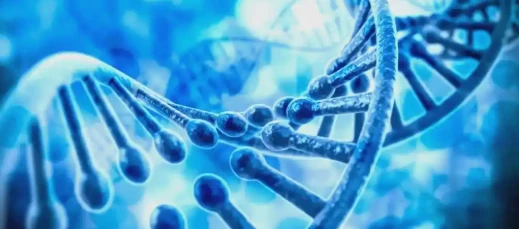
Genetic studies confirm that NNMT controls metabolism. SNPs in the NNMT gene affect body mass index, insulin sensitivity, and lipid profiles. Higher NNMT activity genes are associated with metabolic issues, whereas lower activity genes are associated with improved metabolic health.Beyond substrate competition, NNMT and NAD+ are linked. NNMT modifies cell methylation potential by using up S-adenosylmethionine (SAM), the global methyl donor. This has larger epigenetic consequences that may alter gene expression and metabolism and cell function.When 5-Amino-1-methylquinoline inhibits NNMT, it restores NAD+, maintains cellular methylation capability, and removes a metabolic blocker that stopped oxidative metabolism. Due to its multifaceted function, the chemical affects cellular metabolism and energy balance.
Cellular Energy Benefits Linked to 5 Amino 1MQ Peptide Injection
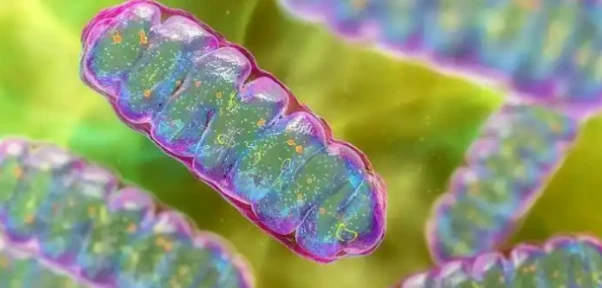
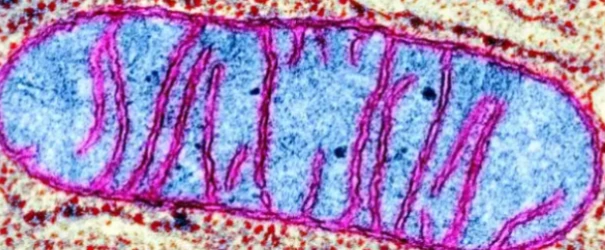
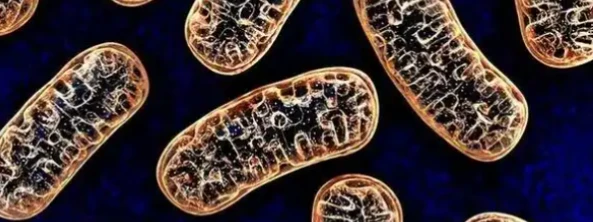
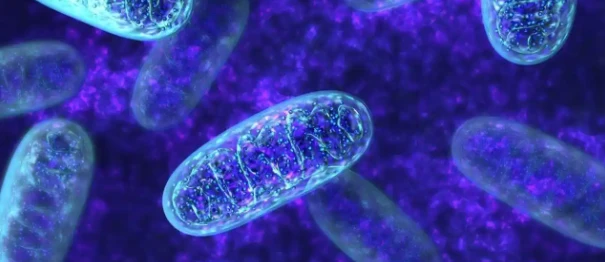
Mitochondria produce ATP by oxidative phosphorylation, which relies heavily on NAD+. Electron transport chains require NAD+ as an electron acceptor, and cell energy production depends on this mechanism.A 5-Amino-1-methylquinoline peptide infusion improved mitochondrial function in many ways. Better mitochondrial formation results from more mitochondrial DNA copies. Electron transport improves when respiratory chain complex expression and function improve. Electron leakage and ROS generation halt when the mitochondrial membrane potential remains constant.
Measured changes in body function result from mitochondrial enhancements. They produce ATP quicker, manage calcium better, and are more stress-tolerant.
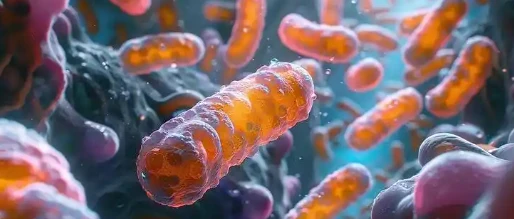

Animal studies demonstrate that treated persons exercise better. Some treatments enhance treadmill performance by almost 30%. A fundamental enhancement in cell energy production boosts physical capabilities.Mitochondrial quality control measures are another benefit. Mitophagy and other NAD+-dependent activities help cells remove damaged mitochondria and maintain healthy mitochondria. More NAD+ aids the PINK1/Parkin pathway, which destroys damaged mitochondria and selectively rebuilds the mitochondrial network.Improved mitochondrial function creates positive feedback loops that boost metabolic health. Better energy generation reduces cell stress, inflammation, and tissue healing. These widespread benefits demonstrate that reducing NNMT and raising NAD+ alters cellular metabolism.
Why NAD+ Enhancement Is a Key Focus of 5 Amino 1MQ Peptide Injection Research
NAD+ deficiency contributes to metabolic inefficiency and cellular degeneration. Overweight, metabolic syndrome, and other health issues lower tissue NAD+ levels. Many NAD+-dependent activities are affected by this reduction, causing metabolic decline.NAD+ is often increased by supplementing with precursors like NR or NNN. These nutrients may increase NAD+ levels, however they have issues such variable absorption, regulatory feedback systems, and the requirement to be taken daily. Researchers are exploring alternatives to providing substrate to address NAD+ depletion due to these issues.
An alternate approach that prevents NAD+ precursor waste is 5-Amino-1-methylquinoline. Instead of supplying too much substrate, it prevents nicotinamide from converting into a form the body can eliminate.

This mechanism-based strategy explains why chemically injured tissues have lower NAD+ levels.Another reason researchers want to suppress NNMT to increase NAD+ is because it only affects select tissues. Adipose tissue and the liver, which are most impacted by metabolic diseases, express NNMT the most. Due to its selectivity, the 5 amino 1mq peptide injection largely affects organs where replenishing NAD+ would have the most metabolic advantage, which may limit unintended consequences.
NAD+ restoration has several benefits, making it an excellent therapeutic topic. The effects of NAD+ go beyond energy generation. It impacts DNA repair, immunological function, circadian rhythm modulation, and cell stress response. By increasing NAD+, NNMT inhibition may optimize metabolic health in several areas at once.Ongoing research is revealing new NAD+ biology and health links. Understanding how substances like 5-Amino-1-methylquinoline influence these pathways helps research metabolism and develop metabolic dysfunction therapies.

Conclusion
The connection between 5-Amino-1-methylquinoline and the production of NAD+ is a complex way to improve metabolism. This chemical fixes a basic problem that stops NAD+ production in tissues that aren't working properly by blocking NNMT and stopping nicotinamide from going to waste. This raises the amount of NAD+ in cells, which leads to changes in mitochondrial function, energy production, and the health of all cells.
A lot of research shows that responsive tissues have a lot more NAD+, which leads to changes in metabolic markers and functional results. Tissue-selective interventions that focus on areas with high NNMT expression may be more effective than methods that supplement the whole body.
Our knowledge of NAD+ biology and how metabolism works is always growing. Compounds like 5-Amino-1-methylquinoline are useful for study and might even have medicinal uses. The link between blocking NNMT and increasing NAD+ gives us new ideas for changing metabolism and making cells use energy more efficiently.
FAQ
Q1: How does 5 amino 1mq peptide injection differ from direct NAD+ precursor supplements?
+
-
5-Amino-1-methylquinoline stops the NNMT enzyme from working, which stops nicotinamide from changing into a form that the body can get rid of. Instead of adding an outside substrate, this process keeps the NAD+ intermediates that are already inside the cells. Direct NAD+ predecessors like NMN or NR offer extra substrate, but they might have trouble being absorbed and may be affected by regulatory feedback. The NNMT suppression method targets a specific metabolic drain on NAD+ pools. It works best in tissues with high levels of NNMT expression, like fat tissue that is metabolically dysfunctional.
Q2: Which tissues show the greatest NAD+ response to 5-Amino-1-methylquinoline treatment?
+
-
Since NNMT expression is usually high in adipose tissue, especially white adipose tissue in obese people, it has the strongest NAD+ increase. In lab models, NAD+ levels rise more than two times in fat tissue after treatment. Muscle and liver tissue in the skeleton also react strongly, showing better NAD+/NADH levels and better mitochondrial activity. The size of the response is related to the starting amount of NNMT expression. This means that tissues with low metabolism usually gain the most from this intervention.
Q3: What downstream metabolic changes occur when NAD+ levels increase through NNMT inhibition?
+
-
Having more NAD+ turns on sirtuin family proteins, mainly SIRT1 and SIRT3. These proteins control metabolism by deacetylating proteins. This action boosts mitochondrial production through the PGC-1α pathway, makes it easier to burn fat, and makes glucose metabolism better. Studies on cells show that oxidative stress signs are lower, mitochondrial membrane potential is higher, and the production of oxidative enzymes is higher. Some of the measured effects of these changes are better insulin sensitivity, less fat, more exercise ability, and more metabolic flexibility in how substrates are used.

Partner with BLOOM TECH for Premium 5 Amino 1MQ Peptide Injection Supply
BLOOM TECH is a reliable source for 5 amino 1mq peptide injection. They have over 12 years of experience in organic synthesis and offer full quality assurance to meet your research and development needs. Our 100,000-square-meter GMP-certified production sites keep their US-FDA, EU-GMP, PMDA, and CFDA certifications, making sure that every batch is of pharmaceutical-grade quality. Our advanced ERP platform lets us handle clear pricing, strict three-layer quality control, and exact delivery dates for 24 large international companies working in pharmaceutical research, new materials development, and specialty chemicals. No matter if you need small amounts for testing in the lab or large amounts for production, our expert team is here to help you every step of the way. You can talk to our knowledgeable sales team at
Sales@bloomtechz.com about your unique needs, ask for certificates of analysis, or get full quotes for high-purity 5-Amino-1-methylquinoline compounds. We offer quality that meets foreign standards at prices that are lower than those of straight manufacturers.
References
1. Kraus D, Yang Q, Kong D, et al. Nicotinamide N-methyltransferase knockdown protects against diet-induced obesity. Nature. 2014;508(7495):258-262.
2. Komatsu M, Kanda T, Urai H, et al. NNMT activation can contribute to the development of fatty liver disease by modulating the NAD+ metabolism. Scientific Reports. 2018;8(1):8637.
3. Campagna R, Pozzi V, Spinelli G, et al. The role of nicotinamide N-methyltransferase in genomic stability and tumorigenesis: Connections with metabolic alterations. International Journal of Molecular Sciences. 2021;22(11):5686.
4. Hong S, Moreno-Navarrete JM, Wei X, et al. Nicotinamide N-methyltransferase regulates hepatic nutrient metabolism through Sirt1 protein stabilization. Nature Medicine. 2015;21(8):887-894.
5. Neelakantan H, Vance V, Wang HL, et al. Selective and membrane-permeable small molecule inhibitors of nicotinamide N-methyltransferase reverse high fat diet-induced obesity in mice. Biochemical Pharmacology. 2018;147:141-152.
6. Roberti A, Fernández AF, Fraga MF. Nicotinamide N-methyltransferase: At the crossroads between cellular metabolism and epigenetic regulation. Molecular Metabolism. 2021;45:101165.