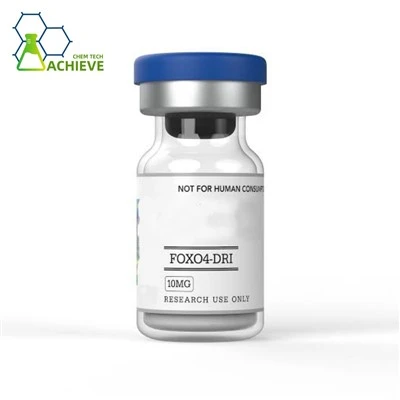

Losing weight has traditionally demanded strict dietary restrictions and exhausting exercise regimens. Many individuals struggle with conventional approaches that require constant willpower and often lead to disappointing rebounds. Recent metabolic research has unveiled an innovative pathway: 5 amino 1mq peptide, a selective small-molecule compound that targets the body's internal fat-burning mechanisms at the cellular level. This breakthrough offers a fundamentally different approach to weight management by working with your body's natural metabolic processes rather than against them.
1.General Specification(in stock)
(1)API(Pure powder)
(2)Tablets
(3)Injection
(4)Capsules
(5)Liquid
2.Customization:
We will negotiate individually, OEM/ODM, No brand, for secience researching only.
Internal Code:KP-3-5/002
NNMTi CAS 42464-96-0
Molecular formula: C10H11N2.I
HS code: N/A
Molecular weight: 286.11
EINECS number: 464-196-0
Main market: USA, Australia, Brazil, Japan, Germany, Indonesia, UK, New Zealand , Canada etc.
Analysis: HPLC, LC-MS, HNMR
Technology support: R&D Dept.-4

The compound operates through a sophisticated biochemical mechanism that addresses fat accumulation at its source. Unlike appetite suppressants or stimulants, this peptide influences how cells process and utilize stored energy. Researchers have documented its ability to shift metabolic balance toward fat breakdown while maintaining normal eating patterns. This represents a paradigm shift in metabolic science, opening new possibilities for individuals who have struggled with traditional weight management strategies.

How Does 5 Amino 1MQ Peptide Influence Fat Metabolism and Lipid Processing?

Targeting the Root Cause of Fat Accumulation
5 amino 1mq peptide functions by inhibiting nicotinamide N-methyltransferase (NNMT), an enzyme that is very important for cell metabolism and that it blocks. When NNMT activity stays high, it lowers the amount of NAD+ in cells, which is a coenzyme that is needed to make energy and keep metabolism in check. Because of this, the body's metabolism changes in a way that makes it easier to store fat than use it. The peptide returns NAD+ availability by specifically blocking NNMT. This changes the way cells handle lipids in a fundamental way.
Research done in the lab using 3T3-L1 preadipocyte models has shown amazing results. Using the substance at a dose of 30 μM stopped adipogenesis by more than 70%, which greatly decreased the buildup of triglycerides inside cells. The peptide lowers the levels of important adipogenic transcription factors like PPARγ and C/EBPα. These factors control how fat cells mature. In the long term, this stops preadipocytes from turning into adult fat-storing cells, which stops weight gain at its source.
Reshaping Lipid Metabolism Balance
The biochemical benefits are more than just stopping fat cells from forming. Studies on diet-induced fat mice showed that 28 days of treatment increased the expression of genes related to lipolysis, like ATGL and HSL, while decreasing the expression of genes related to lipogenesis, like FAS and ACC. These two actions work together to make the metabolism work better, breaking down fat faster and making less fat. The treated mice had 35% less white adipose tissue mass than the normal mice, and the adipocytes were a lot smaller.
What makes this method different from other ways to lose weight is that it keeps your hunger normal. The people in the study kept eating the same amount of food, which suggests that the weight loss was due to their metabolism working better instead of cutting calories. Plasma cholesterol levels dropped by 30% in the treated animals and got closer to levels seen in their leaner counterparts. This resetting of the metabolism happens without the mental stress of being hungry all the time or the physical stress of being severely calorically deficient.

The Connection Between 5 Amino 1MQ Peptide and Enhanced Cellular Energy Utilization

Boosting Mitochondrial Function and Energy Expenditure
The rise in NAD+ levels caused by 5 amino 1mq peptide has major effects on how cells convert energy. NAD+ is an important chemical for mitochondrial oxidative phosphorylation, which is how cells turn food into energy that they can use. When there is more NAD+ available, mitochondria work better, which means that even when you're not doing anything, you use more energy. In other words, the body burns more calories throughout the day without having to do anything extra.
Experimental data from obese mouse models showed that giving them peptides significantly increased the amount of energy they used. When mitochondrial activity goes up, stored triglycerides are broken down faster, turning them into fatty acids that power cell processes. This change in metabolism doesn't just get rid of fat; it also puts that saved energy to good use in cells. The body learns to use its fat stores more effectively, which creates a fat-loss system that lasts after the treatment time is over.
Activating Longevity Pathways for Metabolic Health
In addition to burning fat right away, the compound turns on SIRT1, a protein linked to longevity that controls many metabolic processes. Activating SIRT1 stops the transcription of adipogenic genes, which stops fat cells from maturing and improves the health and resilience of cells at the same time. This route links better metabolism to other health benefits, showing that the peptide does more than just help you lose weight.
The SIRT1 system affects how sensitive cells are to insulin, how they react to inflammation, and how well they can handle stress. The peptide helps recover metabolic flexibility, which is the body's ability to quickly switch between burning fats and carbs for energy. People who are overweight or obese often have trouble with this movement, which can make it harder to control their weight. In contrast to temporary fixes, restoring this ability is a basic change that needs to be made.


Understanding NNMT Inhibition as a Key Mechanism of 5 Amino 1MQ Peptide

The Biochemical Foundation of NNMT Targeting
Nicotinamide N-methyltransferase works where a number of different biochemical routes meet. Its main job is to methylate nicotinamide, which uses up both nicotinamide and S-adenosylmethionine while creating 1-methylnicotinamide. Nicotinamide is a building block for NAD+, so this process uses up all the NAD+ in the cell. When a person is overweight, the production of NNMT rises abnormally in fat cells and the liver. This causes a metabolic bottleneck that makes it easier for fat to build up.
The quinoline ring shape of the peptide makes it very specific in its ability to bind to NNMT's active site. This chemical structure makes sure that the inhibition stays where it's supposed to be, so it doesn't affect other enzyme systems too much. The specificity is a huge plus because broad-spectrum metabolic interventions often have side effects that aren't sought. The compound has a focused process that changes metabolism in a big way by exactly changing this one enzyme.
Clinical Implications of NNMT Modulation
Researchers have found a link between NNMT expression and metabolic dysfunction and obesity. Biopsies of adipose tissue from obese people show significantly higher amounts of NNMT compared to lean people. This excess starts a dangerous cycle: high NNMT activity lowers NAD+, which hurts mitochondrial function and encourages fat storage, which raises NNMT expression even more. To break this cycle, specific actions at the enzyme level are needed.
Studies show that lowering NNMT activity through genetic or drug-based methods makes many metabolic factors better at the same time. In addition to losing weight, people who are treated have better glucose tolerance, less hepatic steatosis, and less inflammation throughout the body. Based on these wide-ranging improvements, it seems that blocking NNMT fixes underlying metabolic problems instead of just treating symptoms. The method might help people who are dealing with metabolic syndrome and the problems that come with it.


How 5 Amino 1MQ Peptide Supports Research on Fat Breakdown Pathways

Advancing Scientific Understanding of Lipolysis
The fact that 5 amino 1mq peptide is available for research purposes has sped up the study of fat metabolism. Scientists can now break down the molecular processes that control lipolysis with a level of accuracy that has never been seen before. Scientists have found new regulatory nodes in the fat breakdown cascade by comparing metabolic profiles before and after NNMT inhibition. These findings go beyond the peptide itself and help us learn more about how metabolism works.
Gene expression studies show that the substance raises the levels of several lipolytic enzymes at the same time. Triglyceride breakdown starts with adipose triglyceride lipase (ATGL) taking out the first fatty acid. Hormone-sensitive lipase (HSL) then continues the process. The peptide raises the levels of both enzymes and helpful proteins such as perilipin and comparative gene identification-58 (CGI-58). This synchronised reaction suggests that blocking NNMT turns on a master control switch that starts the lipolytic program.
Implications for Metabolic Disease Research
The peptide is a useful tool for looking into the links between how fat is burnt and metabolic diseases. Fatty liver disease that isn't caused by booze affects a lot of obese people and is caused by too much fat building up in the liver. Studies that used the substance showed that it significantly decreased the weight, volume, and triglyceride content of the livers of fat animal models. Hepatic inflammation markers like TNF-α and IL-6 went down a lot, which means the disease isn't getting worse as fast.
According to these results, there is a clear link between NNMT activity, fat failure, and liver disease. The peptide's ability to improve both adipose and hepatic metabolism at the same time shows that both states are controlled by similar processes. This knowledge leads to the creation of treatment plans that deal with various parts of metabolic syndrome through a single action. Researchers are still finding more links between NNMT and heart health, insulin resistance, and the production of inflammation.


Exploring the Role of 5 Amino 1MQ Peptide in Modern Weight Management Studies

Innovative Intervention Strategies Without Dietary Restriction
More and more, modern studies on weight control are focusing on metabolic interventions that don't require big changes to your lifestyle. The 5 amino 1mq peptide is a good example of this method because it works well without limiting calories. In controlled studies, mice that were fed the compound while eating a high-fat diet still lost a lot of weight and had better metabolisms. On the other hand, traditional methods depend on people sticking to their diets.
The 11-day intervention study had amazing results: the mice that were treated lost a lot of body weight even though they could eat whatever they wanted. The amount of white fat in the body shrank by 35%, and the shape and function of fat cells and metabolism markers also got better. The fact that hunger doesn't go up to make up for the loss of fat says that the body is okay with the new homeostatic set point. This might help with the notoriously hard part of losing weight: metabolic adaptation, which leads to weight gain.
Synergistic Potential with Complementary Approaches
The peptide works well on its own, but researchers are looking into how to combine it with other methods to get the most out of it. Combining NNMT inhibition with mild caloric restriction has been shown to speed up fat loss compared to using either method alone. The two seem to work well together: lowering lipids in the diet lowers the amount of fat that comes in, and increasing lipolysis makes better use of stored fat. This two-step process works faster and doesn't require strict dietary restrictions.
Combination exercise studies show even more benefits. The peptide treatment made the grip strength of old mice about 40% stronger, which suggests that it had effects that protected or strengthened muscles. When combined with exercise training, respondents' metabolic efficiency and ability to repair muscles improved even more. The peptide seems to keep lean body mass while fat is lost, which is a typical worry for people who lose weight quickly.


Safety Profiles and Sustained Effects
Tolerability traits that are good have been found through careful safety evaluations of multiple studies. During long periods of treatment, animals that were given medicine kept up normal amounts of physical activity, eating habits, and liver and kidney function. Even after long-term treatment, there were no major side effects. This suggests that the specific mechanism doesn't mess up important physiological processes.
The fact that the metabolic changes last for a long time is especially interesting. A short-term follow-up after treatment stopped showed that the weight loss had been kept and did not return right away. This is very different from many weight loss programs that cause people to quickly gain the weight back after stopping them. The fact that the effects last for a long time suggests that the peptide helps set up a new metabolic balance instead of forcing short-term changes through drug pressure. This trait could be very important for long-term weight management in the real world.
Conclusion
The discovery of the 5 amino 1mq peptide is a big step forward in metabolic research and the study of how to lose weight. By going after NNMT, this chemical stops fat buildup in a new way that speeds up the body's natural metabolic processes. Research shows that people can lose a lot of fat, burn more energy, and change their metabolism in a good way without having to change their food or deal with major side effects.
The peptide can lower adipose tissue mass, improve insulin sensitivity, lower hepatic fat accumulation, and lower inflammation all at the same time. This makes it a powerful metabolic modulator. Its process protects lean body mass while targeting fat stores directly, which makes it better than methods that just lose weight. As more studies are done to find more benefits and improve how it is used, this substance could lead to new ways of fighting obesity and metabolic conditions that are linked to it.
FAQ
1. What makes 5 amino 1mq peptide different from traditional weight loss supplements?
5 amino 1mq peptide works at the cellular level by stopping the activity of the NNMT enzyme, which is different from hunger suppressants and boosters. This system improves the body's natural fat-burning process by making more NAD+ available and starting up lipolytic pathways. Research shows that a person can lose a lot of fat without losing their appetite or having to limit what they eat. This means that weight management can be done by optimising the metabolism instead of changing their behaviour.
2. How long does it take to observe metabolic effects from 5 amino 1mq peptide?
According to research studies, metabolic changes can be seen 11 days after treatment, and over 28 days of treatment, a lot of fat mass is lost. Subjects who were treated had 35% less white fat tissue and better lipid profiles and energy usage. The benefits seem to last, as weight loss was still seen in short-term follow-up after treatment stopped, showing that a new metabolic balance has been set.
3. Can 5 amino 1mq peptide be combined with other metabolic interventions?
Studies that look into combining approaches show that they can work well together. When combined with mild calorie restriction, the peptide speeds up fat loss even more than either one alone. When combined with exercise, it improves muscle power and regeneration. Researchers have also found that GLP-1 receptor agonists may work well with other metabolic drugs, as the side effects are lessened when used together. These results suggest that flexible integration could be a part of full weight management plans.
Partner with BLOOM TECH - Your Trusted 5 Amino 1MQ Peptide Supplier
BLOOM TECH stands at the forefront of metabolic research compounds, offering pharmaceutical-grade 5 amino 1mq peptide backed by comprehensive quality assurance. Our GMP-certified facilities have passed rigorous inspections by the US FDA, PMDA, and EU regulatory bodies, ensuring every batch meets international quality standards. As a qualified supplier to 24 major international pharmaceutical and research organizations, we provide competitive pricing with transparent profit structures (10-30%) designed for long-term partnerships.

Our triple-quality verification system-factory testing, internal QA/QC department analysis, and third-party authority certification-guarantees compound purity and consistency. We maintain an extensive inventory of over 250,000 chemical compounds with clear pricing and rapid delivery timelines. Whether you require research quantities or bulk manufacturing, our ERP platform ensures accurate quotations, precise lead times, and complete documentation for seamless customs clearance. If quality issues arise, we provide full refunds as contractually guaranteed.
Connect with our experienced team to discuss your 5 amino 1mq peptide supplier needs and discover how BLOOM TECH can support your research or commercial objectives. Contact us today at Sales@bloomtechz.com to request detailed specifications, certificates of analysis, and customized quotations.
References
1. Kraus D, Yang Q, Kong D, et al. Nicotinamide N-methyltransferase knockdown protects against diet-induced obesity. Nature. 2014;508(7495):258-262.
2. Ulanovskaya OA, Zuhl AM, Cravatt BF. NNMT promotes epigenetic remodeling in cancer by creating a metabolic methylation sink. Nature Chemical Biology. 2013;9(5):300-306.
3. Komatsu M, Kanda T, Urai H, et al. NNMT activation can contribute to the development of fatty liver disease by modulating NAD+ metabolism. Scientific Reports. 2018;8(1):8637.
4. Campagna R, Mateuszuk L, Wojnar-Lason K, et al. Nicotinamide N-methyltransferase in endothelium protects against oxidant stress-induced endothelial injury. Biochimica et Biophysica Acta Molecular Cell Research. 2021;1868(1):118889.
5. Roberti A, Fernández AF, Fraga MF. Nicotinamide N-methyltransferase: At the crossroads between cellular metabolism and epigenetic regulation. Molecular Metabolism. 2021;45:101165.
6. Hong S, Moreno-Navarrete JM, Wei X, et al. Nicotinamide N-methyltransferase regulates hepatic nutrient metabolism through Sirt1 protein stabilization. Nature Medicine. 2015;21(8):887-894.