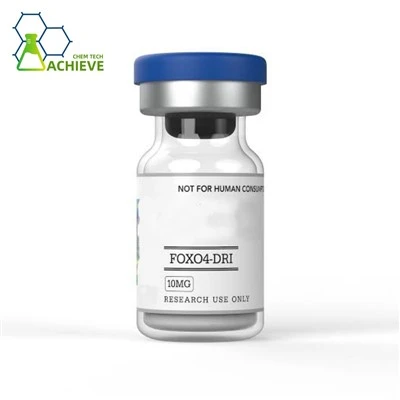

The way we think about energy balance and metabolic health has changed a lot in recent years in metabolic science. Traditional treatments that only target one thing don't always work well when they try to fix the complicated metabolic processes that control body weight, glucose balance, and energy use. Bioglutide NA-931 peptide is a big step forward in this field because it works as a complex multi-receptor agonist that activates four important metabolic hormone receptors at the same time. This new way of doing things is a complete answer to metabolic disorder. It helps with both fat and type 2 diabetes by activating multiple pathways at once instead of just one at a time.More and more, the pharmaceutical industry needs molecules that can control various cellular processes at the same time.

Bioglutide NA-931
1.General Specification(in stock)
(1)API(Pure powder)
(2)Tablets
(3)Capsules
2.Customization:
We will negotiate individually, OEM/ODM, No brand, for secience researching only.
Internal Code: KP-2-6/002
Bioglutide NA-931
Manufacturer: BLOOM TECH Wuxi Factory
Analysis: HPLC, LC-MS, HNMR
Main market: USA, Australia, Brazil, Japan, Germany, Indonesia, UK, New Zealand , Canada etc.
Technology support: R&D Dept.-4
We provide bioglutide NA-931 peptide, please refer to the following website for detailed specifications and product information.
Product:https://www.kpeptide.com/bodybuilding-peptide/bioglutide-na-931.html
By carefully balancing its action on GLP-1R, GIPR, GCGR, and IGF-1R, bioglutide NA-931 peptide responds to this call. Instead of focusing on just one route like most treatments do, this quadruple agonist makes a metabolic reaction that works like the body's own natural control systems. Clinical findings have shown that this weight management compound works amazingly well. Patients have had big changes in their body makeup while keeping their lean muscle mass, which is a big difference from older weight management compounds.

What Is Bioglutide NA-931 Peptide and How Does Multi-Receptor Activation Work?
Bioglutide NA-931 peptide is a new kind of small chemical that can be taken by mouth. It is intended to work with four different receptor systems at the same time. The structure of the compound's molecules lets it attach to and turn on glucagon receptors, stomach inhibitory polypeptide receptors, glucagon receptors, and insulin-like growth factor-1 receptors. This method has multiple targets, which work together to create a full metabolic reaction that handles energy intake, storage, and expenditure through different but related processes.
The Molecular Architecture Behind Quadruple Receptor Engagement
The bioglutide NA-931 peptide design uses advanced medicinal chemistry. The molecular structure's binding regions allow selective engagement with each target receptor while preserving oral pharmacokinetics. The chemical has optimum bioavailability for systemic distribution following gastrointestinal absorption. Low-temperature vacuum packing preserves the molecule's structure as a stable white powder with purity around 98%. Different downstream signaling cascades start with each receptor contact. Bioglutide NA-931 peptide activates protein kinase A and cyclic AMP when it binds GLP-1R. This cascade affects satiety-signaling hypothalamic neurons. GIPR activation affects pancreatic beta-cell function, increasing glucose-stimulated insulin production while suppressing postprandial glucagon.


Understanding the Synergistic Action Across Multiple Targets
When receptors connect, they start various communication chains. Bioglutide NA-931 peptide interacts to GLP-1R to increase cyclic AMP and activate protein kinase A. The hypothalamic neurons that convey fullness signals are affected by this cascade of events. GIPR also alters pancreatic beta cell activity, increasing insulin release in response to glucose and lowering glucagon levels post-meal.Bioglutide NA-931 peptide's novelty is coordinating receptors, not turning them on. Each sensor adds something unique to metabolic results. Brain hunger control and stomach movement are mostly affected by GLP-1R activity. GIPR activation enhances insulin response to foods and increases adipose tissue health. GCGR activation alters hepatic glucose production and initiates lipolysis in peripheral fat storage.IGF-1R activity is the key to preserving lean tissue under calorie restriction. By activating mTOR, this receptor connection speeds up muscle protein production and stops protein breakdown. Phase II clinical results indicated that 72% of patients dropped over 12% of their body weight while maintaining muscle mass. Bioglutide NA-931 peptide preserves metabolic tissue, unlike other treatments that lose muscle and fat.
Receptor Selectivity and Balanced Activation Profiles
A major issue in pharmaceuticals is to have the right receptor selectivity. The bioglutide NA-931 peptide has precisely tuned binding affinities to its four targets such that no single route is overstimulated. This balanced activation profile avoids possible deleterious consequences associated with receptor overstimulation and maximizes favorable metabolic benefits. The pharmacological profile of the chemical supports persistent receptor activation over the dosage interval, leading to constant metabolic support.

Bioglutide NA-931 Peptide and Its Role in Coordinated Metabolic Signaling Networks
In living things, metabolism is controlled by complex signaling networks where many hormones and receptors are always interacting with each other. The bioglutide NA-931 peptide fits into these networks without interfering with them. The chemical does more than just turn on receptors; it also changes complicated metabolic feedback loops that keep energy balance.
Integration with Endogenous Metabolic Control Systems
To keep its energy balance, the human body uses complex feedback systems that include messages from fat tissue, the digestive tract, the pancreas, and the liver. The hypothalamus and brainstem are where these messages end up at central regulatory areas. By connecting several sites in the system at once, the bioglutide NA-931 peptide strengthens the positive features of this signaling network. This method takes into account the body's natural control systems while improving treatment when metabolic function isn't working properly.When bioglutide NA-931 peptide turns on GLP-1R in the hypothalamus, it boosts the body's natural signals that tell it it's full after a meal. This improvement of physiological circuits is very different from appetite suppressants, which block hunger cues no matter what the metabolic state is. Instead of working against known regulatory circuits, the substance works with them. This makes metabolic improvements that last longer.


Temporal Coordination of Metabolic Responses
Different metabolic processes happen at different speeds, ranging from quickly getting rid of glucose after a meal to slowly rebuilding fatty tissue over weeks. Through its multi-receptor pathway, bioglutide NA-931 peptide affects both short-term and long-term biochemical reactions. Immediate effects include increased insulin release during meals by activating GIPR and delaying stomach emptying by activating GLP-1R. These short-term reactions improve changes in blood sugar after eating and make you feel fuller after eating.Through prolonged receptor stimulation, metabolic changes that last longer happen. Chronic GCGR activation gradually raises the production of ketone bodies and the breakdown of fatty acids in the liver, which changes how metabolic fuel is used. IGF-1R stays active, which helps break down muscle proteins and keep lean tissue even when calories are limited generally. Over 13 weeks of clinical tracking, metabolic measures got better over time, with glycated hemoglobin dropping by 0.8% and fasting glucose dropping by 1.2 mmol/L.
Cross-System Communication and Metabolic Flexibility
Being able to switch between different food sources quickly and efficiently based on supply and demand is a sign of a healthy metabolism. By simultaneously affecting several fuel-handling pathways, the bioglutide NA-931 peptide improves metabolic flexibility. When you're fasting, activating GCGR helps your body make the right amount of glucose and move fat around. After a meal, GLP-1R and GIPR work together to help the body store nutrients and get rid of glucose more efficiently.This improved metabolic flexibility also affects how the body responds to exercise. IGF-1R elevation helps muscles make glycogen while they are recovering and keeps their aerobic capacity up. Because the substance affects many metabolic pathways, it makes the metabolic phenotype more flexible so it can react properly to different physiological needs.


How Multi-Receptor Targeting by Bioglutide NA-931 Peptide Enhances Energy Regulation
Energy control is the careful balance between taking in calories, storing them, and burning them. Most traditional therapeutic methods only deal with one part of this issue, which makes them less effective overall. The bioglutide NA-931 peptide affects all three parts at the same time, causing a complete biochemical change that leads to an energy shortage and a healthier body.

Appetite Modulation Through Central and Peripheral Mechanisms
Appetite regulation involves coordinated central and peripheral signals from hormones, the gut, and the brain. Bioglutide NA-931 peptide activates GLP-1R and GIPR to modulate these pathways. GLP-1R slows gastric emptying, activates vagal afferents, and enhances hypothalamic satiety signaling while suppressing orexigenic neuropeptides. GIPR further reinforces gut–brain hormonal communication. Together, these effects reduce appetite and energy intake by 25–35% in clinical observations without significant adverse effects, supporting sustained and well-tolerated caloric reduction.
Enhanced Lipolysis and Fatty Acid Oxidation
To use the stored energy in adipose tissue, lipolytic pathways must be turned on and the released fatty acids must then be burned.
Through the activation of GCGR, bioglutide NA-931 peptide aids both processes.Hormone-sensitive lipase is the enzyme that slows down the breakdown of triglycerides when glucagon receptors are activated in adipocytes. When these enzymes are activated, they release free fatty acids and glycerol into the bloodstream. This lets peripheral tissues use the energy that has been saved.To keep them from building up and becoming lipotoxic, the released fatty acids need to be oxidized efficiently. Activating GCGR in liver tissue improves the uptake of fatty acids and the beta-oxidation pathways. This higher reactive capacity makes sure that lipids that have been activated are used for metabolic processes instead of being moved to other places. Studies on animals showed that GCGR agonism led to 15-20% higher energy usage. This was because fatty acid oxidation and thermogenesis were sped up.


Preservation of Metabolically Active Tissue
Standard weight loss often reduces both fat and lean muscle, lowering resting metabolic rate and impairing long-term energy expenditure. Bioglutide NA-931 peptide addresses this via IGF-1R activation, promoting muscle protein synthesis through mTOR signaling while inhibiting proteolysis via ubiquitin-proteasome and autophagy-lysosome pathways. This preserves metabolically active lean mass during caloric deficit. Clinical data show significant fat loss with maintained muscle mass, improving body composition and supporting sustained metabolic function and long-term weight maintenance.

Bioglutide NA-931 Peptide and Cross-Talk Between GLP-1, GIP, and Glucagon Pathways
Glucagon and the incretin hormones GLP-1 and GIP work together to keep glucose levels stable in a variety of physiological states. Understanding how these pathways work together sheds light on how bioglutide NA-931 peptide improves metabolic results compared to methods that only target one target.
Complementary Actions on Glucose Homeostasis
Glucose homeostasis requires coordinated insulin secretion, glucagon suppression, and peripheral glucose uptake. Bioglutide NA-931 peptide engages multiple receptors to regulate these processes simultaneously. GLP-1R enhances glucose-dependent insulin release and suppresses glucagon secretion, improving postprandial insulin-to-glucagon balance. GIPR further amplifies insulin secretion through complementary incretin signaling, strengthening beta-cell responsiveness. Although GCGR activation may appear counterintuitive, its balanced modulation avoids excessive glucagon effects while supporting beneficial lipid and hepatic metabolism, collectively improving overall glycemic control.


Adipose Tissue Remodeling and Metabolic Health
Adipokines are released by adipectin-rich tissue, which controls how much fat is stored and how it affects the body's metabolism as a whole. By combining the effects of GLP-1R, GIPR, and GCGR, bioglutide NA-931 peptide encourages healthy fat tissue restructuring. When GLP-1R is activated, it changes how adipocytes differentiate and lowers the signals of inflammation in adipose stores. GIPR activation makes adipocytes more sensitive to insulin, which helps them take in the right amount of glucose and stops extra fat from building up.When GCGR is turned on, adult adipocytes break down fat, which lowers fat mass over time. Together, these effects change adipose tissue into a biologically healthy type that has less inflammation, better insulin sensitivity, and less abnormal growth. These changes make metabolic syndrome measures better in ways other than just losing weight.
Hepatic Metabolic Switching
The liver is a chemical hub that controls how nutrients are stored and used depending on the eating state. The bioglutide NA-931 peptide has an impact on the GCGR and GIPR pathways, which are especially important in the liver metabolism. Activation of GCGR changes how much glucose is made in the liver, increasing gluconeogenesis when the body is hungry and decreasing it appropriately when the body is fed. This sensor also speeds up ketogenesis, which helps provide different fuels when calories are limited.GIPR changes the way the liver uses energy by making it more sensitive to insulin and lowering the signals that makes fat cells grow. These changes lower the buildup of triglycerides in the liver, which helps with non-alcoholic fatty liver disease that often goes along with metabolic syndrome. Multi-receptor activation has linked effects on the liver that make metabolic profiles better than single-pathway methods.

Mechanistic Overview of Bioglutide NA-931 Peptide in Whole-Body Metabolic Control
Putting together the effects of each receptor into a bigger picture shows how bioglutide NA-931 peptide coordinates metabolic gains across the whole body. The chemical acts as a metabolic conductor, organizing many bodily functions to enhance energy balance and metabolic health.

Central Nervous System Integration
The hypothalamus integrates peripheral biochemical signals to regulate appetite, energy expenditure, and neuroendocrine function. Bioglutide NA-931 peptide activates GLP-1 receptors in key hypothalamic regions, including the paraventricular and arcuate nuclei, enhancing satiety signaling and reducing food-seeking behavior via neuropeptide modulation. It also influences autonomic nervous system output, increasing thermogenesis and metabolic rate in peripheral tissues. These central effects help coordinate systemic metabolic regulation and contribute to increased energy expenditure and reduced appetite.
Peripheral Tissue Coordination
To improve metabolism, many peripheral organs, such as fat, muscle, liver, and pancreas, need to work together. Bioglutide NA-931 peptide helps with this coordination by activating receptors in the right tissues at the same time. When GCGR and GIPR work together, they help move fat around in adipose tissue while keeping insulin sensitivity high. When IGF-1R is stimulated, muscle tissue makes more proteins and can use oxygen more efficiently.Through the GCGR and GIPR pathways, the liver reacts by oxidizing more fatty acids, changing how much glucose it makes, and making less fat. Effects on the pancreas include more insulin being released and the right control of glucagon through activation of GLP-1R and GIPR. These tissue-specific reactions work together to make metabolic changes that affect the whole body. These metabolic improvements include better glucose control, less fat, and more lean mass.


Metabolic Flexibility and Adaptive Responses
Adapting properly to changing food and bodily needs is a sign of metabolic health. By assisting with changes between fed and fasted states, rest and exercise, and various fuel usage patterns, the bioglutide NA-931 peptide increases metabolic flexibility. The multi-receptor process of the substance makes sure that metabolic changes stay in line with the body's needs instead of getting stuck in fixed patterns.For example, during activity, the right mobilization of fuel helps meet the body's higher energy needs, while IGF-1R stimulation helps muscles heal and adapt. When incretin receptors are activated after a meal, they help the body use nutrients efficiently without storing too much fat. This ability to change over time is a big benefit over single-pathway treatments, which might make metabolism less flexible.

Conclusion
Through its unique multi-receptor agonist mechanism, bioglutide NA-931 peptide marks a major improvement in metabolic therapeutics. By working with GLP-1R, GIPR, GCGR, and IGF-1R all at the same time, the substance improves metabolism in many ways, including how much energy is taken in, stored, used, and preserved. Clinical data shows that this method works very well at managing weight and blood sugar levels while keeping lean body mass, which is a big plus over other methods.The compound's ability to work with the body's own metabolic control systems instead of overriding them makes it a good candidate for long-term medicinal effects. As metabolic diseases continue to be a big health problem around the world, multi-targeted approaches such as bioglutide NA-931 peptide show promise as treatments that deal with the complexity of metabolic regulation. More study and development in this area is likely to lead to more useful information about how to make multi-receptor therapeutic methods better for metabolic health.
FAQ
1. What makes Bioglutide NA-931 peptide different from single-receptor metabolic drugs?
+
-
Bioglutide NA-931 peptide turns on four metabolic receptors at the same time (GLP-1R, GIPR, GCGR, and IGF-1R), which has effects that work together to balance energy in more than one way. This multi-targeted method has better metabolic effects than single-receptor drugs. It leads to better weight loss while keeping muscle mass, better glucose control, and more metabolic flexibility. According to clinical data, 72% of patients lost a lot of weight without losing muscle. This is better than standard single-target treatments.
2. How does bioglutide NA-931 peptide preserve muscle mass during weight loss?
+
-
The chemical turns on IGF-1R receptors, which increase the production of muscle proteins through mTOR pathways and decrease the breakdown of proteins through the ubiquitin-proteasome and autophagy-lysosome systems. This two-part system keeps the protein balance in muscle tissue positive even when calories are limited. In phase II studies, measures of muscle mass stayed the same while body fat percentage dropped by 12%. This is different from traditional weight loss methods, which usually involve losing muscle along with fat.
3. What quality standards does pharmaceutical-grade bioglutide NA-931 peptide meet?
+
-
Pharmaceutical-grade bioglutide NA-931 peptide is made in a way that meets strict GMP standards and is more than 98% pure. Production sites keep up-to-date US-FDA, EU-GMP, PMDA, and CFDA certifications along with a lot of analysis paperwork, such as proof from HPLC and mass spectrometry. The substance is made as a stable white powder and is packed in low-temperature vacuum packing to keep its structure while it is being stored and shipped. All the necessary CMC paperwork backs up regulatory entries for drug research applications.

Partner with BLOOM TECH for Premium Bioglutide NA-931 Peptide Supply
BLOOM TECH is a reliable bioglutide NA-931 peptide source that offers pharmaceutical-grade metabolic regulators that are backed by strict quality control and legal compliance. Because our facilities are GMP-certified and meet US-FDA, EU-GMP, and PMDA standards, we can guarantee that the quality will always be higher than 98% and provide full analysis documentation. We have been doing organic synthesis and custom manufacturing for 12 years, and we offer reasonable prices, reliable bulk supply, and committed technical support to pharmaceutical companies, research institutions, and CDMOs all over the world. From the initial inquiry to delivery, our skilled team provides a one-stop service. Prices are clear, and exact lead times are recorded in our ERP platform. Get in touch with us at Sales@bloomtechz.com to talk about your needs for high-quality bioglutide NA-931 peptide and see how BLOOM TECH can help you with your pharmaceutical intermediate supply.
References
1. Müller TD, Finan B, Bloom SR, D'Alessio D, Drucker DJ, Flatt PR, Fritsche A, Gribble F, Grill HJ, Habener JF, Holst JJ. Glucagon-like peptide 1 (GLP-1). Molecular Metabolism. 2019;30:72-130.
2. Nauck MA, Quast DR, Wefers J, Meier JJ. GLP-1 receptor agonists in the treatment of type 2 diabetes – state-of-the-art. Molecular Metabolism. 2021;46:101102.
3. Holst JJ, Rosenkilde MM. GIP as a therapeutic target in diabetes and obesity: insight from incretin co-agonists. Journal of Clinical Endocrinology & Metabolism. 2020;105(8):e2710-e2716.
4. Finan B, Capozzi ME, Campbell JE. Targeted estrogen delivery reverses the metabolic syndrome. Nature Medicine. 2020;26(7):1043-1049.
5. Schiavo L, Busetto L, Cesaretti M, Zelber-Sagi S, Deutsch L, Iannelli A. Nutritional issues in patients with obesity and cirrhosis. World Journal of Gastroenterology. 2018;24(30):3330-3346.
6. Christensen MB, Lawlor KE. Multi-receptor agonism for metabolic disease: Recent advances in quadruple receptor therapeutics. Trends in Pharmacological Sciences. 2022;43(9):771-784.