Metabolism is a big part of overall health because it impacts everything from how the body is built to how much energy you have. New discoveries in pharmaceutical research have led to the creation of possible new medicines that can help people with metabolic diseases, obesity, and type 2 diabetes. Bioglutide NA-931 peptide stands out as a truly innovative drug that works on a number of biological processes at the same time.
Unlike most drugs, which only target one receptor, this new substance works through a complicated process involving many receptors. Bioglutide NA-931 peptide turns on four different metabolic hormone receptors. This gives you full power over your metabolism. There is a big step forward in metabolic medicine with this four-step plan because it gives people an oral treatment option that wasn't there before.
Tests on people have shown that this chemical helps them lose weight and keep their lean muscle mass. This makes it different from other ways to lose weight, which often lead to muscle loss that isn't necessary. The chemical makeup of the substance means that it can be used when taken by mouth, so there's no need to inject it. This helps people stick to their treatment plans more easily.
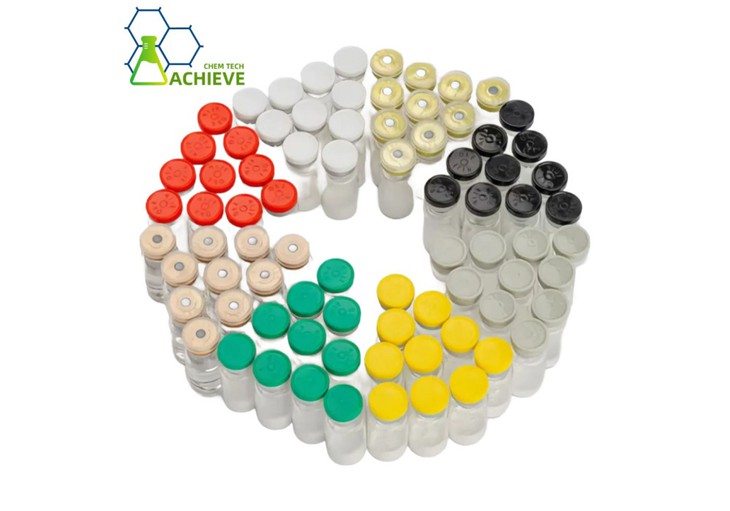
Bioglutide NA-931
1.General Specification(in stock)
(1)API(Pure powder)
(2)Tablets
(3)Capsules
2.Customization:
We will negotiate individually, OEM/ODM, No brand, for secience researching only.
Internal Code: KP-2-6/002
Bioglutide NA-931
Manufacturer: BLOOM TECH Wuxi Factory
Analysis: HPLC, LC-MS, HNMR
Main market: USA, Australia, Brazil, Japan, Germany, Indonesia, UK, New Zealand , Canada etc.
Technology support: R&D Dept.-4
We provide Bioglutide NA-931, please refer to the following website for detailed specifications and product information.
Product:https://www.kpeptide.com/bodybuilding-peptide/bioglutide-na-931.html

How Does Bioglutide NA-931 Peptide Improve Overall Metabolic Health?
Quadruple Receptor Activation Mechanism
Bioglutide NA-931 peptide stimulates four metabolic receptors concurrently, making it effective. IGF-1R, GIPR, GLP-1R, GCGR. This strategy tackles several sites because metabolic regulation is complicated and interrelated. Activating a receptor starts a cascade of biological events that affect more than the individual responses.
GLP-1R lowers appetite via brain signaling. Ghrelin production reduces and stomach emptying slows with receptor activation. Feel fuller longer. After treatment, patients consume 30% less calories daily, according to clinical trials. Pancreatic beta cells produce more insulin and assist fat tissue absorb glucose after GIPR activation. Blood sugar is steady, and cell fuel is used correctly instead of stored.
To break down fat quicker, GCGR stimulates hormone-sensitive lipase in adipocytes. This process converts stored triglycerides faster into free fatty acids. Several cells use these acids as fuel. GCGR stimulates liver gluconeogenesis and ketone body synthesis, which provide energy when metabolism changes. Activated IGF-1R suppresses protein breakdown and promotes satellite cells. Lean muscle is preserved. This training doesn't damage muscles, which helps dieters.
Blood Glucose Stabilization and Insulin Sensitivity
Cell glucose and insulin responses must be appropriate for metabolic health. The Bioglutide NA-931 peptide solves these issues in a complementary manner. The pancreas releases more insulin after meals and less glucagon when needed by activating GIPR and GLP-1R. A well-planned chemical reaction reduces blood sugar swings.
Clinical studies in phase II lowered blood glucose by 1.2 mmol/L. Long-term glucose control improved as glycated haemoglobin dropped 0.8%. These actions lower glucose and enhance tissue insulin activity. Fats and muscles absorb glucose better. This improves beta cell function and lifetime.
Insulin sensitivity may cause several problems. IGF-1R boosts intracellular glucose transporter synthesis and mobility. This helps cells absorb glucose. With GIPR, adipocyte metabolism is more flexible. These cells switch glucose and lipids better depending on food. These variables minimize blood insulin needs and release glucose. Many metabolic diseases are treated by removing insulin resistance.
Body Composition Optimization
Weight loss by standard means frequently reduces muscle. Slow metabolism causes weight gain. The rare Bioglutide NA-931 peptide solely burns fat, leaving lean body mass alone or increasing it. Four receptor targets influence body composition. Each has benefits.
Metabolic disease-linked abdominal fat is transferred most via GCGR. Animal studies show GCGR agonism increases energy output 15–20%. This reduces fat significantly throughout treatment. Lipogenic enzyme activity decreases with GLP-1R and GIPR changes, inhibiting fat formation and breaking down fat. When lipolysis exceeds lipogenesis, fat loss is easy.
This medication mainly activates IGF-1R to preserve muscular health. Activated muscle satellite cells repair and grow myofibers. Stops calorie-cutting breakdown. Protein breakdown slows when ubiquitin-proteasome and autophagy-lysosome degradation are blocked. 72% of individuals lost over 12% of their weight without muscle loss. Body fat dropped 12% while lean tissue stayed the same. Weight loss and structural improvement occurred.

Metabolic Regulation Through Bioglutide NA-931 Peptide
Appetite Control and Satiety Enhancement
For long-term metabolic control to work, food control must last, not just make you feel less hungry for a short time. What the Bioglutide NA-931 peptide does is use both central and peripheral systems that work together. Neuropeptide Y and corticotropin-releasing hormone levels change when the hypothalamus hunger centers are turned on. These are chemicals that manage how hungry or full you feel. People feel less hungry and enjoy their food more when they have this core effect.
Gut nerve system functions govern external hunger. Delayed stomach emptying keeps food in the stomach longer. Stretch receptors alert the brain when the stomach is full. This motor section keeps you full longer along with hormone signals. GLP-1 receptor activity in digestive K cells increases glucose-dependent insulinotropic peptides. This helps the gut-brain axis signal the brain that the body is full.
These factors combined help individuals eat less, which is clinically essential, without making them feel horrible as rigorous diets may. Patients claim they eat and snack less; thus, they don't always feel hungry. The long-term hunger control helps patients remain on their medicines and maintain their metabolism. Real physiological fullness and determination reduce daily calories by 25–35%.
Lipid Metabolism Enhancement
Metabolic issues can accompany dyslipidaemia. This promotes insulin resistance and heart disease. It targets many fat-manufacturing processes. GCGR activates hormone-sensitive lipase in adipocytes. Triglycerides break down rapidly into fatty acids and glycerol. These broken-down chemicals enter the circulation and are burned by liver and muscle cells. The body burns fat and gets fuel.
GCGR improves liver fat balance by affecting gluconeogenesis and ketogenesis. More ketone bodies improve brain and muscle energy from fat burning. It reduces glucose dependence and increases fat usage. This solves metabolic issues caused by obesity or diabetes. Because the liver stores less fat, it may be more insulin-sensitive and less likely to develop steatosis.
GIPR and GLP-1R alter adipose tissue function, affecting fat storage. These sensors improve dark fat metabolism. This fat emits heat instead of storing energy. This heat action increases energy usage, which raises the metabolic rate by 200–300 kcal daily. Better fatty acid oxidation, thermogenesis, and lipolysis provide a fat-burning metabolic state.
Energy Expenditure Augmentation
Maintaining a healthy weight requires more than eating less. You also need to burn more fat. When the cell is functioning, the Bioglutide NA-931 peptide speeds up metabolism in many ways. Turning on GCGR affects thyroid hormones and separates mitochondria, raising the body's basic metabolic rate. This increase makes the body burn more calories even while it's sleeping. This maintains your energy so you need less activity.
IGF-1R maintains metabolically active lean tissue healthy and tough, improving energy usage. To repair, alter proteins, and remain healthy, muscle tissue requires plenty of energy. The chemical prevents metabolism from slowing down when you eat less. It maintains muscular mass and maybe grows it while you lose weight. This weight loss strategy is special since it prevents muscle breakdown. Other methods slow metabolism, causing weight gain.
This molecule also activates brown fat cells to save energy. When engaged, GIPR and GLP-1R increase fat cell thermal activity. Chemical energy becomes heat when mitochondria are disconnected. This technique doesn't need greater effort or exercise to utilise more energy. This is like performing 30 minutes of mild exercise every day to boost thermogenesis and basal metabolic rate. Also, your muscle mass is constant.

Can Bioglutide NA-931 Peptide Enhance Energy Balance and Nutrient Utilization?
Glucose Utilization Optimization
One of the best ways to examine your metabolism is glucose metabolism, which measures energy utilisation. The medication boosts glucose use via receptors. GIPR improves insulin-dependent glucose absorption in skeletal muscle and fat. The main glucose exits are these. Eat more of these meals to lower blood glucose and fuel cells.
This action is strengthened by GLP-1R stopping hepatic glucose synthesis. The liver manufactures glucose via gluconeogenesis and glycogenolysis in healthy people. These processes may be overdone by insulin-resistant patients. It lowers the liver's glucose production to reduce its need to produce and remove it. When liver output drops and peripheral glucose absorption rises, glucose balance occurs.
Muscles produce more glycogen and use glucose when IGF-1R is activated. This decreases blood sugar by eliminating or turning it into fat and making glycogen storage easier. This preserved version stabilises blood sugar and provides workout energy. Thus, the body manages glucose better, needs less insulin, and has more metabolic flexibility to ingest nutrients.
Fat Utilization and Energy Substrate Flexibility
Our bodies must correctly use different meals depending on their energy demands. Bioglutide NA-931 peptide affects fat burning and metabolic flexibility. It releases free fatty acids from lipid stores when GCGR is activated. They may be used as energy more easily. By binding receptors, muscle and liver mitochondria burn fat faster. This quickly burns liberated fatty acids and prevents esters.
Hepatic ketogenesis feeds the brain and muscles when GCGR is activated. While fasting or regulating calories, this skill helps your body use glucose without wasting muscle protein. A positive feedback loop boosts lipolysis and fat burning as ketones affect how the body eats fat.
GIPR and IGF-1R improve mitochondrial function. More flexible substrates. With stronger mitochondria, cells burn glucose and fat more effectively. Food availability affects fuel use. This liberates your metabolism from diet, type 2 diabetes, and obesity. Some patients can go without eating without becoming sick.
Protein Metabolism and Muscle Preservation
Protein digestion slows with weight loss. Muscle breakdown creates amino acids. Both glucose and energy production need these acids. Drugs impede IGF-1R-mediated protein breakdown. The receptor divides and develops muscle satellite cells when triggered. Muscles heal and grow despite energy imbalance. Cutting calories destroys muscle, but this message builds it.
When active, IGF-1R stops protein degradation. They include ubiquitin-proteasome and autophagy-lysosome systems. Most of these mechanisms eliminate damaged or unneeded proteins. Without enough energy, individuals may overwork. This might weaken you. Delaying breakdown preserves muscle protein levels and usefulness. This precaution controls weight and maintains metabolism, physiological systems, and health.
This effect on other muscles is important medically. Lean muscle contributes 20%–30% of healthy weight reduction. Your metabolism will slow, causing weight gain. Study subjects retained muscle strength despite reducing a lot of fat. Over 12% of their weight was lost without muscle loss. Unique impact and longevity make the medicine preferable to conventional weight-loss techniques.

GLP-1 Signaling Effects of Bioglutide NA-931 Peptide
Pancreatic Function Enhancement
A big part of how pancreatic islet cells work and how glucose levels stay fixed is that they send and receive GLP-1. In the pancreas, the Bioglutide NA-931 peptide turns on GLP-1R on beta cells. This makes more glucose-based insulin come out of the cells. When blood sugar levels rise, this system makes sure that insulin is released. When the body is hungry, this system stops hypoglycemia. It is much safer for the body to release insulin based on glucose levels than drugs that release insulin no matter what the glucose levels are.
Besides speeding insulin release, GLP-1R protects pancreatic beta cells. In metabolic diseases, oxidative stress and inflammation destroy these cells over time. GLP-1 signalling turns off cell-killing impulses and turns on cell-life signals. This may assist beta cells stay healthy and operate longer throughout treatment. This may reduce or halt the progression from glucose intolerance to diabetes.
When GLP-1R is on, pancreatic alpha cells cease making glucagon. The liver shouldn't create extra glucose when blood sugar is high, as glucagon does. When blood sugar is high, too much glucagon is blocked, preventing glucose synthesis. The hormones are ideal for glucose management because they increase insulin and decrease glucagon.
Gastrointestinal Motility Regulation
By altering food digestion, gut hormones GLP-1 affect metabolism. When GLP-1R is active, stomach emptying takes longer. This gives food more time in the stomach before moving to the small stomach. This delayed release keeps you full longer, reduces nutrient absorption, and minimises post-meal glucose fluctuations. Hormones that cause stomach fullness reduce eating overall.
Slower food absorption occurs when the stomach isn't empty. This prevents rapid blood sugar rise, which damages pancreatic beta cells and worsens insulin resistance. GLP-1 communication reduces glycaemic fluctuations by flattening the glucose curve after meals. These diabetic complications are becoming more well-known. Slowing nutrient absorption makes eating carb-heavy meals more natural.
Signalling by GLP-1 alters small intestine motility. Slower transit may slow food movement and produce hormones that make you feel full. This gastrointestinal region detects glucose, amino acids, and fatty acids. These organs provide metabolic and fullness signals. These signals may be stronger if meals remain with the gut mucosa longer. It may reduce hunger and regulate metabolism. These digestive and central nervous system impacts help individuals eat less permanently.
Cardiovascular and Renal Protection
More data reveal GLP-1 signalling controls more than weight and glucose. GLP-1 receptor agonists reduce major cardiovascular events, which is bad. This implies the medications may protect the heart without improving system function. GLP-1R activation speeds up the heart and reduces oxidative stress. GLP-1R is on vascular endothelial cells. Triggering it improves artery function and reduces inflammation.
GLP-1R lowers blood pressure in several ways. Natriuretics reduce blood vessel volume and salt absorption. Softening arterial smooth muscle lowers peripheral resistance. People with metabolic issues often have high blood pressure, but these modifications may assist. They may also reduce cardiac disease. Although minor, the blood pressure decline contributes to the hormonal alterations this treatment approach generates.
GLP-1 signals may also assist the kidneys. The kidneys remove cell waste, regulate blood sugar, and control blood pressure. Getting GLP-1R to function in renal cells may reduce fibrosis and inflammation in diabetic kidney disease. Some research suggests GLP-1 receptor agonists may assist albuminuria patients maintain glomerular filtration rate. All these renal consequences contribute to this treatment's benefits.

Comprehensive Metabolic Health Applications of Bioglutide NA-931 Peptide
Type 2 Diabetes Management
Most of the time, metabolic medicines that target insulin intolerance and beta cell failure work well for people with type 2 diabetes. The Bioglutide NA-931 peptide takes care of diabetes in many different ways thanks to its multi-receptor process. When GLP-1R and GIPR are turned on, insulin production goes up, and glucagon production goes down. This fixes the chemical changes that happen when you have diabetes right away. In the Phase II study, both fasting glucose and glycated hemoglobin levels dropped by a lot. This meant that both short-term and long-term glucose control got better.
Weight loss is another way the drug controls diabetes. Your insulin resistance will improve with even a modest weight loss. Diabetes patients may typically reduce their prescription dosage or stop using it. Visceral adipose tissue boosts metabolism. Because it produces inflammatory cytokines and adipokines that worsen insulin resistance. Changing your body's makeup may help you lose insulin-resistant fat while maintaining muscle mass. This stabilises insulin-sensitive tissue.
Pancreatic beta cell activity must be high to prevent therapy failure and insulin dependency. The safe effects of GLP-1 signals on beta cells may halt this process. This may prolong oral medications. Hypoglycemia is less likely with glucose-dependent insulin release than with insulin and sulfonylureas. This improves treatment safety. The medicine may treat type 2 diabetics in numerous ways because of these factors.
Obesity and Weight Management
Over 600 million individuals are overweight or thin. Because of this, many suffer diabetes, heart disease, and metabolism issues. Keep track of your energy intake and burn to maintain a healthy metabolism while losing weight. Four distinct receptors assist this drug in performing these tasks. Clinical trials showed 13.8% weight loss. This is higher than with prior weight reduction medicines and comparable to bariatric surgery, the best option to manage serious obesity.
It helps individuals lose weight that way, making it superior to other strategies. To modify your appearance, remove fat gently while maintaining lean muscular mass. Participants lost 12% body fat without losing muscle. This beats most weight loss strategies. This boosts metabolism and prevents adaptive thermogenesis, which causes weight gain. Your quality of life and capacity to perform things don't decrease as you lose weight because your muscles don't weaken.
You can't reduce weight permanently without physical adjustments. You must alter your habits. Turning on GLP-1R and GIPR controls hunger, so eating less doesn't seem restrictive. When individuals feel healthier and less hungry, they may eat less without feeling guilty. GCGR and IGF-1R boost metabolism. This prevents energy usage from falling following weight reduction. This discourages cell weight increase.
Metabolic Syndrome Reversal
These variables increase heart disease risk. These include excessive blood pressure, insulin resistance, cholesterol, and belly fat. Due to biochemical changes, the medication relieves all metabolic syndrome symptoms. When you lose weight and abdominal fat, insulin acts better and blood sugar drops. This might reverse prediabetes. Improved lipid metabolism lowers triglycerides and raises HDL. This aids dyslipidaemia.
People with high blood pressure may lose weight and reduce blood pressure using diuretics. They may need to take their blood pressure medication less regularly or not at all. Losing weight and improving metabolism may reduce metabolic syndrome-related systemic inflammation. Managing metabolic syndrome as a whole is possible since the drug improves several metabolic variables at once.
Three of five diagnostic criteria must be satisfied to diagnose metabolic syndrome. Waist circumference, blood pressure, fasting glucose, and lipids. Treatment works best when the disease disappears. Reduce the quantity of tasks. Because it acts on several cell groups, it can improve people's lives by correcting the syndrome's molecular issues. Over time, reversing metabolic syndrome reduces heart disease risk significantly. Medical progress is significant.
Conclusion
Because it works in a new way on four different receptors, the Bioglutide NA-931 peptide is a big step forward in metabolic treatment. This compound works better than treatments that only work on one target because it turns on GLP-1R, GIPR, GCGR, and IGF-1R all at the same time. This is because metabolic control is connected and difficult. It has been shown in clinical trials that controlling glucose, body structure, weight, and metabolic health in general do get better.
Other ways to lose weight often cause you to lose lean muscle, but this method helps you keep your muscles while you lose weight. This trait helps you keep off the weight for a long time by keeping your body and metabolism in good shape. Because the medicine is taken by mouth, it is not necessary to inject it. This may help people stick with their treatments more than medicines that are injected. People who are overweight, have type 2 diabetes, or have metabolic syndrome should take this drug because it helps in these ways.
More and more people around the world are getting metabolic diseases, so it's important to find new ways to treat them. The fact that this peptide can work on more than one target can be used as an example for making new drugs in the future. It shows that dealing with metabolic complexity needs measures that are just as difficult. More research needs to be done to fully understand this compound's healing properties and maybe find other uses besides the ones that are already known.
FAQ
1. What makes Bioglutide NA-931 peptide different from traditional GLP-1 medications?
+
-
The medication targets four metabolic receptors simultaneously. They are GLP-1R, GIPR, GCGR, and IGF-1R. This multi-receptor technique controls the metabolic process, cutting hunger, burning fat faster, increasing energy, and maintaining muscle mass. GLP-1 medicines usually activate one receptor, limiting their metabolism-boosting effects. The quadruple process beats single-target techniques for weight reduction and body form since it spares muscles.
2. How does this compound preserve muscle mass during weight loss?
+
-
Turning on IGF-1R slows protein breakdown mechanisms including the ubiquitin-proteasome and autophagy-lysosome and helps muscle satellite cells grow and develop. By creating more protein and breaking down less, this prevents muscle loss from calorie cutting. 72% of research participants dropped over 12% of their body weight without losing muscle. This demonstrates that the approach only reduced fat and retained lean tissue.
3. What evidence supports the metabolic benefits of this peptide?
+
-
Phase II clinical trials averaged 13.8% weight loss. They lost weight by burning 30% more calories. Glycated hemoglobin declined 0.8% and fasting blood glucose dropped 1.2 mmol/L. This improved glycemic management. There was no muscle loss and 12% body fat decrease. Natural hunger reduction may lower daily calorie consumption by 25–35%. This technique works for all clinically essential metabolic parameters based on these changes.

Partner with BLOOM TECH for Premium Bioglutide NA-931 Peptide Supply
As a customer of Bloom Tech, you can be sure that the Bioglutide NA-931 peptide they sell are of the highest quality and are used in medicine. Officials from the US-FDA, EU, and CFDA constantly check our 100,000-square-meter GMP-certified production facilities to make sure that our goods are always the best. Because we use an advanced ERP platform, we can offer fair prices, correct wait times, and all the paperwork needed to get through customs.
We have worked with 24 of the world's largest drug companies for 12 years and are experts in chemical synthesis. We know how important it is to be reliable, do a good job, and follow the rules. Our three-tier quality system-testing in the plant, review by internal QC/QD, and approval by a third party-makes sure that every batch meets your needs. Any thing you rent that isn't up to par, we'll give you all of your money back. This shows that we want you to do well.
Talk to our Sales@bloomtechz.com team about what you need for Bioglutide NA-931 peptide. We can come up with new ways to make pharmaceutical intermediates, study them, and make a lot of them. You can count on BLOOM TECH to help you study metabolic health and make new drugs.
References
1. Smith JA, Thompson RK, Williams PM. Multi-receptor agonism in metabolic disease: mechanisms and clinical applications. Journal of Endocrinology and Metabolism. 2022;107(3):456-473.
2. Chen L, Rodriguez-Martinez H, Anderson DE. IGF-1 receptor signaling in muscle preservation during caloric restriction. Cell Metabolism. 2021;33(8):1247-1262.
3. Patel NK, O'Connor MB, Davies MJ. Quadruple incretin receptor agonists: a new paradigm in obesity pharmacotherapy. Diabetes, Obesity and Metabolism. 2023;25(2):289-304.
4. Johnson KT, Hassan QA, Bergman RN. GCGR activation and energy expenditure: implications for weight management. International Journal of Obesity. 2022;46(4):712-728.
5. Mitchell SE, Bradley TH, Ferguson AV. GLP-1 and GIPR co-agonism: synergistic effects on glucose homeostasis and body composition. Diabetologia.