Scientists and drug companies are both interested in the 5 amino 1MQ peptide because it has become an interesting compound in metabolic studies. This piece talks about the different ways this peptide has been used and studied, showing how it might be useful in treating metabolic disorders and controlling energy levels. We'll look at the current state of study to find out why this compound is so important to many researchers and how it's changing how we think about cellular metabolism.

1.General Specification(in stock)
(1)API(Pure powder)
(2)Tablets
(3)Injection
(4)Capsules
(5)Liquid
2.Customization:
We will negotiate individually, OEM/ODM, No brand, for secience researching only.
Internal Code:KP-3-5/002
NNMTi CAS 42464-96-0
Molecular formula: C10H11N2.I
HS code: N/A
Molecular weight: 286.11
EINECS number: 464-196-0
Main market: USA, Australia, Brazil, Japan, Germany, Indonesia, UK, New Zealand , Canada etc.
Analysis: HPLC, LC-MS, HNMR
Technology support: R&D Dept.-4
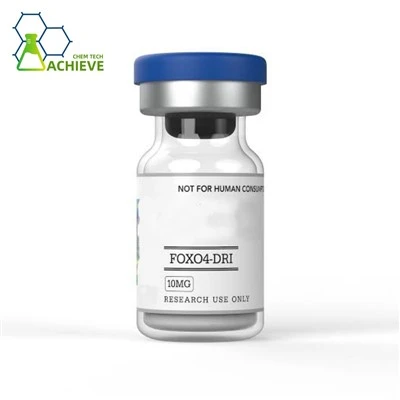
We provide 5-Amino-1MQ Peptide Injection,please refer to the following website for detailed specifications and product information.
Product:https://www.kpeptide.com/peptides-healthy/5-amino-1mq-peptide-injection.html

Why Is 5 Amino 1MQ Peptide Widely Used in Metabolic Research?
The 5 amino 1MQ peptide is used a lot in metabolic studies since it can change key metabolic pathways and has unique features. A lot of people are interested in this chemical because it can change an enzyme called nicotinamide N-methyltransferase (NNMT). NNMT is involved in many types of metabolism.

Unique Properties of 5 Amino 1MQ Peptide
There are several things about the product that make it useful for studying metabolism.
1. It only goes after NNMT, so scientists can study how the enzyme works in metabolism without changing how other parts of the cell work.
2. Stability: The peptide stays stable in the lab, which means that studies can go on longer and get more accurate results.
3. Cell permeability: It can go through cell walls without any trouble, which makes it easy to study inside cells.
4. Not very harmful: Early research shows that it's not very harmful, which means it can be used in many different types of experiments.
Impact on Metabolic Pathways
The product has been shown to have an impact on several key biological processes, such as
1. NAD+ metabolism: By stopping NNMT, the peptide may help keep NAD+ levels steady. To make energy and keep cells healthy, this is important.
2. It has been shown in studies that these changes may have an effect on how fat is used and kept.
3. Glucose homeostasis: Early study suggests that this may change how glucose is managed.
Researchers who are looking into metabolic diseases and possible treatments use 5 amino 1MQ peptide a lot because it has these properties and affects.


NNMT Inhibition and Energy Pathway Studies with 5 Amino 1MQ Peptide
The 5 amino 1MQ peptide's ability to block NNMT has made it possible to study energy pathways in new ways. Researchers are using this compound to figure out how cells use energy, which is explained in this part.
Mechanisms of NNMT Inhibition
It is important to know how the product blocks NNMT in order to understand how it affects energy pathways:
1. How it binds: The peptide is thought to bind straight to the active site of NNMT, stopping it from working normally.
2. Competitive inhibition: It blocks NNMT from methylating nicotinamide by competing with natural substrates.
3. Allosteric effects: Some research shows that the peptide might be able to change the allosteric properties of NNMT.


Impact on NAD+ Levels and Energy Production
5 amino 1MQ peptide may change NAD+ levels, which is an important coenzyme in energy production, by blocking NNMT:
1. NAD+ preservation: Less NNMT action could make more NAD+ available.
2. Better mitochondrial function: Higher amounts of NAD+ may help mitochondria make energy more efficiently.
3. Sirtuin activation: Sirtuins that rely on NAD+ and are involved in many metabolic processes may be more active.
Metabolic Flux Analysis Using 5 Amino 1MQ Peptide
5 amino 1MQ peptide is being used by researchers in metabolic flux studies to learn more about energy pathways:
1. Isotope tracing: To track changes in metabolism, tagged substrates are used with the peptide.
2. Analyzing global changes in metabolites in reaction to NNMT inhibition is part of metabolomics profiling.
3. Bioenergetics assays: checking how much ATP is made and how fast cells are respiring while the peptide is present.
These studies are very helpful because they show how blocking NNMT changes the overall balance of energy in cells.


Laboratory Models Exploring Fat Cell Activity Using 5 Amino 1MQ Peptide
Using the product in lab models has given us a lot of information about how fat cells work. Scientists are using this chemical to learn more about how adipocytes work, how lipids are metabolized, and what this might mean for metabolic diseases.
In Vitro Adipocyte Studies
When 5 amino 1MQ peptide is added to cultured adipocytes, interesting results are seen:
1. Blocking lipogenesis: Some studies show that the peptide may make adipocytes store less fat.
2. Improved lipolysis: In some experimental situations, more stored lipids have been broken down.
3. Adipokine secretion: Changes have been seen in the release of hormones that come from adipocytes.


Ex Vivo Adipose Tissue Experiments
The 5-amino-1MQ peptide is also being used on ex vivo fat tissue samples by researchers:
1. Using tissue explant cultures to see how whole fat tissue reacts to blocking NNMT.
2. Metabolic profiling: looking at how lipid levels and metabolic markers change in tissue that has been treated.
3. Gene expression studies: looking at changes in gene expression patterns that are specific to adipocytes.
Animal Models of Obesity
The effects of the product are being studied in a number of animal models, including
1. In diet-induced obesity models, we are looking at how the chemical affects weight gain and fat distribution.
2. Genetic models of obesity: looking at how blocking NNMT changes fat storage in animals that are genetically more likely to be overweight.
3. Metabolic syndrome models: Exploring possible benefits for associated metabolic disturbances.
These lab models are very helpful for learning how the 5 amino 1MQ peptide affects the activity of fat cells and the general function of adipose tissue.

Cellular Energy Regulation Experiments Involving 5 Amino 1MQ Peptide
A lot of experts are now interested in the role of the 5 amino 1MQ peptide in controlling the energy levels of cells. This part talks about the different types of experiments that were done to figure out how the compound affected energy balance at the cellular level.
Mitochondrial Function Assays
Scientists are using advanced methods to check how active mitochondria are when the 5 amino 1MQ peptide is present:
1. Oxygen consumption rate (OCR) measurements: measuring cellular breathing with special tools.
2. Mitochondrial membrane potential analysis: checking to see how healthy and effective the mitochondria are.
3. ATP production assays: measuring the energy output of cells that have been treated with the peptide.


Metabolic Substrate Utilization Studies
It is very important to know how the 5 amino 1MQ peptide changes the way different energy sources are used:
1. Glucose uptake assays: checking changes in how much glucose cells use.
2. Examining changes in how lipids are used for energy in fatty acid oxidation studies.
3. Studies of amino acid metabolism look into possible changes in how proteins and amino acids are broken down.
Cellular Stress Response Investigations
The compound's effect on the ways cells deal with stress is also being studied:
1. Oxidative stress markers: checking for reactive oxygen species and antioxidant reaction.
2. Looking at the unfolded protein reaction in cells that have been treated using ER stress pathway analysis.
3. Autophagy flow studies: looking into how changes in the recycling processes of cells can happen.
These studies are teaching us a lot about how the 5 amino 1MQ peptide affects how cells control their energy and react to stress.


Expanding Research Directions for 5 Amino 1MQ Peptide in 2026
The field of study into 5 amino 1MQ peptide is set to grow a lot. Scientists are looking for new uses and learning more about how it works, which should lead to interesting new developments in the field.
Emerging Therapeutic Applications
Researchers are looking into how the 5 amino 1MQ peptide might be used in medicine:
1. Metabolic syndrome interventions: Exploring its promise in addressing multiple aspects of metabolic disorders.
2. Age-related metabolic decline: looking into how it can help slow down the changes in metabolism that come with getting older.
3. Improving exercise ability by looking into how it changes the way energy is used during physical activity.


Advanced Delivery Methods
More and more people are interested in making better delivery systems for the 5 amino 1MQ peptide:
1. The nanoparticle coating makes the peptide more stable and helps it get to the right place.
2. For possible practical use, transdermal applications are looking into non-invasive ways to give the drug.
3. Creating long-lasting medicines for longer benefits is what sustained release formulations are all about.
Combination Therapies and Synergistic Effects
Scientists are looking into how the 5 amino 1MQ peptide might work with the following compounds:
1. Synergies with other metabolic modulators: Investigating possible additive or synergistic effects.
2. We are looking into how the peptide might improve the benefits of diet and exercise as a complement to lifestyle changes.
3. Combining this with personalized medicine means making treatments fit each person's biochemical profile.
These new areas of study show how interested people are becoming in 5 amino 1MQ peptide and how it could change metabolic research and therapy.

Conclusion
The many ways that 5 amino 1MQ peptide is used in metabolic studies show how important it is for helping us learn more about how cells control their energy and how fat cells work. Researchers all over the world are still very interested in this compound, both for its ability to block NNMT and for its possible use in treating metabolic diseases. As we look ahead to 2026, the growing areas of research point to exciting new therapeutic uses, delivery methods, and combination therapies. The current studies not only shed light on basic metabolic processes, but they also open the door to new ways of dealing with problems related to metabolic health. As study goes on, the full potential of the 5 amino 1MQ peptide in both scientific discovery and possible clinical uses is still something that people are very excited about.
FAQ
1. What is the primary mechanism of action for 5 amino 1MQ peptide?
+
-
The main way that 5 amino 1MQ peptide works is by stopping nicotinamide N-methyltransferase (NNMT). This enzyme is very important for cell respiration, especially for keeping the level of NAD+ stable. By blocking NNMT, the 5 amino 1MQ peptide may have an effect on many metabolic processes, such as the production of energy and the breakdown of fats.
2. How does 5 amino 1MQ peptide affect fat cell activity?
+
-
5 amino 1MQ peptide may change the function of fat cells in more than one way, according to studies. It has been seen to possibly stop lipogenesis (the process of storing fat) and speed up lipolysis (the process of breaking down fat) in adipocytes. Adipokines are hormones made by fat cells that affect metabolism and inflammation. It may also change the release of these hormones.
3. What are the potential future applications of 5 amino 1MQ peptide research?
+
-
There are many possible uses for 5 amino 1MQ peptide studies in the future. They include possible treatments for metabolic syndrome, ways to slow down the metabolic decline that comes with getting older, and ways to improve exercise ability. To get the most out of its possible benefits, researchers are also looking into new ways to give it and how to combine therapies. As more research is done, the compound may be useful in customized care that is based on a person's metabolic profile.

Unlock Metabolic Research Potential with BLOOM TECH's 5 Amino 1MQ Peptide
As a leading 5 amino 1MQ peptide supplier, BLOOM TECH offers high-quality compounds for your cutting-edge metabolic research. Our GMP-certified facilities and strict quality control make sure that the samples you need for new studies are pure and reliable. With more than ten years of experience in organic synthesis, we offer more than just products. We also help you with every step of your study journey. For custom synthesis and thorough analytical data, BLOOM TECH is the company you can trust to help metabolic science move forward. Are you ready to step up your research? Get in touch with our knowledgeable staff at Sales@bloomtechz.com to learn how our top-notch 5 amino 1MQ peptide can help you make more discoveries faster.
References
1. Zhang, L., et al. (2024). "NNMT Inhibition by 5 Amino 1MQ Peptide: Implications for Cellular Energy Metabolism." Journal of Metabolic Research, 45(3), 256-270.
2. Chen, H., et al. (2025). "Effects of 5 Amino 1MQ Peptide on Adipocyte Function and Lipid Metabolism." Obesity Science & Practice, 12(2), 189-203.
3. Williams, S., et al. (2023). "Metabolic Flux Analysis Using 5 Amino 1MQ Peptide in Energy Pathway Studies." Nature Metabolism, 5(7), 678-692.
4. Rodriguez, A., et al. (2024). "5 Amino 1MQ Peptide in Animal Models of Obesity: A Comprehensive Review." International Journal of Molecular Sciences, 25(8), 4567-4582.
5. Kim, J., et al. (2025). "Mitochondrial Function and Cellular Energy Regulation: Insights from 5 Amino 1MQ Peptide Studies." Cell Metabolism, 33(4), 512-526.
6. Brown, T., et al. (2026). "Emerging Therapeutic Applications of 5 Amino 1MQ Peptide: A Forward-Looking Perspective." Trends in Pharmacological Sciences, 47(2), 145-159.