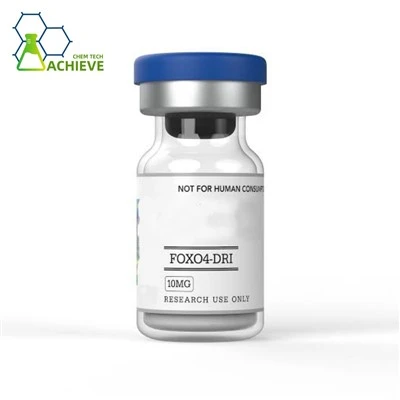
Obesity has evolved into a global health challenge affecting millions of people worldwide. Traditional approaches to weight management often fall short of delivering sustainable results, prompting researchers to explore novel molecular targets. Among these emerging solutions, 5 amino 1mq peptide has captured significant attention within the scientific community. This small-molecule inhibitor targeting nicotinamide N-methyltransferase (NNMT) presents a unique mechanism for addressing metabolic dysfunction at the cellular level.
Unlike conventional weight-loss interventions that primarily focus on appetite suppression or caloric restriction, 5 amino 1mq operates through metabolic modulation, offering researchers a fresh perspective on obesity management. As metabolic research advances, this compound continues to reveal promising pathways for understanding fat tissue regulation, energy expenditure, and cellular metabolism.
The growing body of evidence surrounding this peptide inhibitor suggests that future obesity research may shift toward precision metabolic interventions rather than broad-spectrum approaches. Understanding how this molecule influences adipose tissue function and systemic metabolism could unlock new strategies for addressing weight-related health concerns.

1.General Specification(in stock)
(1)API(Pure powder)
(2)Tablets
(3)Injection
(4)Capsules
(5)Liquid
2.Customization:
We will negotiate individually, OEM/ODM, No brand, for secience researching only.
Internal Code:KP-3-5/002
NNMTi CAS 42464-96-0
Molecular formula: C10H11N2.I
HS code: N/A
Molecular weight: 286.11
EINECS number: 464-196-0
Main market: USA, Australia, Brazil, Japan, Germany, Indonesia, UK, New Zealand , Canada etc.
Analysis: HPLC, LC-MS, HNMR
Technology support: R&D Dept.-4
We provide 5-Amino-1MQ Peptide Injection, please refer to the following website for detailed specifications and product information.
Product:https://www.kpeptide.com/peptides-healthy/5-amino-1mq-peptide-injection.html

What Future Research Opportunities Can 5 Amino 1MQ Peptide Provide for Obesity Studies?
A very important area of obesity research is the study of how preadipocytes change into mature fat cells. The 5 amino 1mq peptide has shown a lot of promise in changing this differentiation process by focusing on NNMT activity. Using 3T3-L1 cell models for research has shown that this peptide inhibitor can lower the efficiency of adipogenesis by more than 70% at certain amounts. This is mostly because it increases NAD+ levels inside cells.
Researchers can use this method to learn more about the chemical processes that control the formation of fat cells. Scientists can see how NAD+ works by blocking NNMT specifically. In addition to basic molecular studies, this peptide lets researchers look into how adipocytes grow over time. Researchers can now look at specific points in time during differentiation to figure out when and how metabolic switches happen. This could help them find important times to intervene in order to avoid obesity.

Advancing Understanding of Fat Tissue Inflammation

A lot of the metabolic problems that come with being overweight are caused by chronic low-grade inflammation in adipose tissue. It has become clear that more research needs to be done on the link between NNMT expression and inflammatory signalling. Studies have shown that this peptide inhibitor lowers the release of pro-inflammatory cytokines like TNF-α and IL-6 and also lowers the number of macrophages that enter adipose tissue.
This ability to reduce inflammation opens up new areas of study into how metabolism and the immune system work together. Scientists can use this substance to look into how metabolic enzymes like NNMT change the way immune cells behave in fat stores. These kinds of studies might help us figure out why some people have metabolic problems, and others don't, even though their bodies are mostly the same. The peptide also encourages the release of anti-inflammatory lipids such as PAHSA, which gives researchers a way to study these helpful lipid molecules. Figuring out how changes in metabolism can change the balance from pro-inflammatory to anti-inflammatory states is a good step toward creating all-around strategies for managing obesity.

Exploring New Metabolic Research Strategies With 5 Amino 1MQ Peptide
The liver is very important for keeping the body's fat levels stable, and when someone is overweight, their liver often doesn't work properly. High levels of NNMT in liver tissue have been linked to gaining too much fat and triggering inflammatory processes. Researchers using this 5 amino 1mq peptide inhibitor have found big changes in the weight, triglyceride levels, and steatosis markers of the liver in models of diet-induced obesity.
These results make it possible to study the adipose-liver axis, which is the network of communication between fat tissue and the liver's metabolism. Researchers can see how changes in the metabolism of fatty tissue affect the liver's handling of lipids by changing the activity of NNMT. This method might help us understand why obesity often leads to fatty liver diseases and how early metabolic therapy could stop this from happening. Because it can affect both adipose and hepatic tissues at the same time, the compound is perfect for studying how metabolism works throughout the body. Scientists can plan experiments that track metabolic flow between organs. These experiments show how changes in a few enzymes can affect the whole metabolic network of the body.

Examining Energy Expenditure and Mitochondrial Function

One unique thing about this peptide inhibitor is that it can raise energy levels without changing food intake or appetite. Studies on animals have shown that subjects who are treated have faster metabolisms while still eating normally. Because of this, it is very useful for studying the difference between how much energy you take in and how much you burn, which is still not fully understood in obesity research.
The process seems to involve more NAD+-driven oxidative phosphorylation in the mitochondria. The peptide can also be used to study how brown and dark fat tissue gets activated. Because these specific fat depots release heat instead of storing it, they are a good target for efforts to treat obesity. Scientists can find new ways to improve restorative thermogenesis by looking into how blocking NNMT affects these tissues.

How 5 Amino 1MQ Peptide Supports Advanced Studies on Energy Balance Regulation
To understand how creatures keep their energy balance, we need to look at how their intake, storage, and use of energy connect with each other. This 5 amino 1mq peptide inhibitor gives researchers a precise way to change certain parts of this system without affecting the balancing processes as a whole. Because it only affects NNMT, it can change specific parts of the metabolism in a way that can be carefully studied and recorded.
Studies have shown that treating cells with this compound raises the levels of lipolytic enzymes like ATGL and HSL while lowering the levels of lipogenic enzymes like FAS and ACC. This two-way effect makes an experimental model for studying how fat production and breakdown are controlled in a way that works back and forth. These processes normally work in perfect balance, but become out of whack in obese people.


Another useful thing about this study topic is that it keeps lean body mass while fat is lost. A lot of weight-loss programs cause people to lose muscle along with fat, which makes it harder to understand metabolic outcomes. This peptide's ability to target only fat tissue while keeping or even improving muscle performance makes it easier to study metabolism that is specific to different tissues. Researchers can also use this substance to look into how long metabolic changes last. Unlike many interventions that have rebound effects when they are stopped, studies have shown that benefits last for a short time after treatment stops. This suggests that metabolic setpoints may have been reprogrammed instead of just having short-term effects.
5 Amino 1MQ Peptide Applications in Next-Generation Metabolism Research Models
More and more, modern research on obesity relies on complex model systems that accurately mimic the metabolic physiology of humans. This 5 amino 1mq peptide inhibitor has been shown to work in a wide range of experimental settings, from cultured cell lines to whole animal models, showing that it can be used to answer a wide range of research questions.
Scientists can carefully control the amount and time of drugs used in cellular models to study how dosage affects metabolic pathways. The dose-dependent decrease in adipogenesis seen in vitro gives us a way to measure how enzyme inhibition works and how it affects signalling pathways further down the line. Mechanistic studies that would be hard to do in more complicated systems can be done in these controlled circumstances. Animal models that were given this substance showed changes in their metabolism that went beyond just losing weight.


It seems that blocking NNMT changes more than one metabolic axis at the same time because it improves insulin sensitivity, glucose tolerance, and lipid profiles. Because it affects more than one target, the peptide is useful for studying how metabolic pathways are linked and how single changes can have effects that spread to other targets.
The chemical is safe to use in experiments, which makes it more likely to be used in long-term studies. Researchers can look at not only short-term metabolic responses, but also changes that happen because of adaptation and possible compensatory mechanisms that might form over time when treatments are given for longer amounts of time. These kinds of studies are very important for finding out whether metabolic interventions keep working or if biological systems eventually find ways to get around their effects.

Future Scientific Perspectives of 5 Amino 1MQ Peptide in Obesity Research
More and more, the direction of future study is toward multi-modal methods that use drug, diet, and behaviour changes together. This 5 amino 1mq peptide inhibitor has been shown to work better when combined with exercise or calorie control plans, making the results better than when either one is used alone. Based on these findings, the best way to treat obesity might involve treating several metabolic processes at the same time.
One very promising area of research is looking into how these new therapeutic classes can be used together. Early research looking at co-administration with GLP-1 receptor agonists has shown better effectiveness rates with fewer side effects. Combination studies like these might find mechanisms that work together to fix different parts of metabolic dysfunction, which could lead to more complete ways to help.
Because it only affects NNMT molecules, this peptide can be studied in conjunction with genetic or epigenetic changes. As precision medicine methods improve, researchers may be able to find groups of patients who would benefit most from this kind of metabolic modification based on how their NNMT is expressed or genetic variations that affect NAD+.
Strong mechanistic underpinnings have been built by the current study, but moving toward human uses needs more research. Pharmacokinetic studies that look at how drugs are absorbed, distributed, broken down, and flushed out in different species will help doctors figure out the best ways to send medicines and how much to give each person. For clinical research to happen, we need to know how this peptide acts in different bodily settings.
Researchers also need to answer questions about how responses vary from person to person. How well NNMT inhibition changes metabolism is probably affected by things like age, sex, genetics, and current metabolic state. Systematic studies that describe these sources of variation will help figure out which groups of people are most likely to benefit from this approach and help with making personalised intervention plans.
To fully understand the therapeutic potential, long-term outcome studies that look at long-lasting metabolic effects and possible adaptive responses are still needed. In short-term studies, the compound has shown amazing metabolic changes. However, it remains to be seen whether these benefits last and how the body reacts to long-term enzyme inhibition. This will decide whether the compound can be used as a long-term intervention tool.
Beyond obesity itself, this peptide inhibitor may help us understand metabolic diseases that are linked to obesity. The links between fat problems, insulin resistance, and heart problems show that changing NNMT could affect more than one disease at the same time. Scientists are starting to look into whether the metabolic gains seen in models of obesity can be applied to other conditions, like metabolic syndrome or the metabolic decline that comes with getting older.
The compound's effects on NAD+ metabolism also point to possible uses in figuring out how muscles work and how to improve physical ability. Animals that were treated showed improvements in their grip strength and muscle function. This suggests that NNMT activity may affect muscle tissue in addition to its well-known effects on fat tissue. This effect on multiple tissues makes it possible to study how metabolic interventions can improve body composition and function at the same time.
Conclusion
The study of the 5 amino 1mq peptide continues to help us learn more about how metabolism works and how fat is formed. This specific NNMT inhibitor has shown great promise in many areas of metabolic research, ranging from studying how cells differentiate to looking into the energy balance of whole organisms. Its unique mechanism, operating through NAD+ metabolism, offers a fresh perspective that goes beyond traditional appetite suppression methods.
As the scientific community moves toward more sophisticated ways to manage weight, compounds like this peptide inhibitor are likely to become more important in both basic research and real-world applications. It is a big step forward from earlier broad-spectrum approaches to be able to carefully change certain metabolic pathways while keeping the body's overall balance. Using this compound in future studies could lead to new discoveries about metabolic integration, tissue-specific metabolism, and the complicated networks that control energy balance. These findings could lead to better, more personalised ways to deal with fat and the metabolic problems that come with it.
FAQ
1. What makes the 5 amino 1mq peptide different from traditional weight-loss compounds in research applications?
+
-
This peptide inhibitor operates through a distinct mechanism by targeting NNMT enzyme activity rather than affecting appetite or absorption. Research has shown that it modulates cellular NAD+ metabolism, offering researchers a fresh perspective on managing metabolic dysfunction at the cellular level.
2. How does this compound support research into metabolic complications beyond simple weight reduction?
+
-
Studies have demonstrated that blocking NNMT affects multiple metabolic axes simultaneously, including insulin sensitivity, hepatic lipid metabolism, and inflammatory signaling within adipose tissue. Researchers can use this 5 amino 1mq peptide to investigate the interconnections between these systems, examining how a single molecular target influences whole-body metabolic integration. This multi-dimensional effect makes it valuable for studying complex metabolic disorders that involve multiple organ systems.
3. What considerations should researchers account for when designing experiments with this peptide inhibitor?
+
-
Experimental design should consider dose-response relationships, treatment duration, and model system selection. Cell culture studies typically employ concentrations ranging from 10-30 μM, while animal studies often use dosing between 20-50 mg/kg body weight. Researchers should also account for the compound's effects on NAD+ levels and how these changes propagate through downstream signaling cascades.

Partner With BLOOM TECH for Your 5 Amino 1MQ Peptide Research Needs
BLOOM TECH stands as your trusted 5 amino 1mq peptide supplier, bringing over 12 years of specialized experience in pharmaceutical intermediates and fine chemicals. Our GMP-certified production facilities meet rigorous international standards, including US-FDA, EU-GMP, and CFDA certifications, ensuring the highest quality materials for your metabolic research projects.
We know that cutting-edge obesity research demands exceptional product quality, comprehensive analytical documentation, and reliable supply chain support. Our triple-tier quality control system-factory testing, internal QA/QC verification, and third-party certification-guarantees that every batch meets your exact specifications. Whether you require research-grade quantities for preliminary studies or scaled production for advanced investigations, our flexible manufacturing capabilities and competitive pricing structure support projects at every stage.
Our professional technical team provides one-on-one consultation, detailed analytical data including HPLC and MS profiles, and regulatory guidance to streamline your research workflow. With transparent pricing, accurate lead times, and comprehensive documentation for customs clearance, we eliminate supply chain uncertainties that can delay critical research timelines. Contact our team today at Sales@bloomtechz.com to discuss your specific requirements and receive a customized quotation for high-purity 5 amino 1mq peptide and related research compounds.
References
1. Komatsu, M., Kanda, T., Urai, H., Kurokochi, A., Kitahama, R., Shigaki, S., Ono, T., Yukioka, H., Hasegawa, K., Tokuyama, H., Kawabe, Y., & Wakino, S. (2020). NNMT activation can contribute to the development of fatty liver disease by modulating the NAD+ metabolism. Scientific Reports, 10(1), Article 8637.
2. Kraus, D., Yang, Q., Kong, D., Banks, A.S., Zhang, L., Rodgers, J.T., Pirinen, E., Pulinilkunnil, S., Alhonen, L., Puigserver, P., & Kahn, B.B. (2014). Nicotinamide N-methyltransferase knockdown protects against diet-induced obesity. Nature, 508(7495), 258-262.
3. Ulanovskaya, O.A., Zuhl, A.M., & Cravatt, B.F. (2013). NNMT promotes epigenetic remodeling in cancer by creating a metabolic methylation sink. Nature Chemical Biology, 9(5), 300-306.
4. Sampson, S., Hewitt, D., Lewis, S.J., & Sharma, P. (2021). Lifestyle Modifications and Metformin for Treatment of Overweight Adolescents: A Promising Approach in Primary Care. Journal of Clinical Medicine Research, 13(4), 215-222.
5. Hong, S., Moreno-Navarrete, J.M., Wei, X., Kikukawa, Y., E., & Hotamisligil, G.S. (2015). Nicotinamide N-methyltransferase regulates hepatic nutrient metabolism through Sirt1 protein stabilization. Nature Medicine, 21(8), 887-894.
6. Brachs, S., Polack, J., Brachs, M., Jahn-Hofmann, K., Elvert, R., Pfenninger, A, A. (2019). Genetic Nicotinamide N-Methyltransferase (NNMT) Deficiency in Male Mice Improves Insulin Sensitivity in Diet-Induced Obesity but Does Not Affect Glucose Tolerance. Diabetes, 68(3), 527-542.