


Mitochondrial metabolism underlies cellular energy generation, and is interwoven with everything from metabolic efficiency to ageing. Scientists are investigating new ways to enhance mitochondrial function. 5 amino 1mq peptide injection is a small molecular compound that has gained considerable interest and has great promise in metabolic regulatory investigations. As such, this specialised research tool has been an invaluable benefit to labs exploring cellular energy routes, NAD+ dynamics and FFA oxidation processes.

1.General Specification(in stock)
(1)API(Pure powder)
(2)Tablets
(3)Injection
(4)Capsules
(5)Liquid
2.Customization:
We will negotiate individually, OEM/ODM, No brand, for secience researching only.
Internal Code:KP-3-5/002
NNMTi CAS 42464-96-0
Molecular formula: C10H11N2.I
HS code: N/A
Molecular weight: 286.11
EINECS number: 464-196-0
Main market: USA, Australia, Brazil, Japan, Germany, Indonesia, UK, New Zealand , Canada etc.
Analysis: HPLC, LC-MS, HNMR
Technology support: R&D Dept.-4
One of the core aspects to advance the field of metabolism, lifespan and cellular health is understanding the mechanism of mitochondrial metabolism and the variables that affect the efficiency of mitochondrial metabolism. The 5 amino 1mq peptide injection offers researchers a chance to examine these mechanisms using a novel approach that specifically targets nicotinamide N-methyltransferase (NNMT), a crucial enzyme involved in the control of cellular metabolism. This drug inhibits NNMT activity and causes a cascade of downstream effects leading to increased mitochondrial biogenesis, improved energy generation efficiency and activation of critical metabolic pathways.
Research labs and biotechnology organisations need dependable substances for the study of mitochondrial metabolism and these must be supplied with high purity and complete analytical documentation. The scientific community is constantly unveiling interesting discoveries on the effects of modifying NNMT activity on cellular health, metabolic flexibility and energy balance. The essay investigates the connection between 5 amnio 1mq peptide injection and mitochondrial metabolism, its methods, uses, and importance in modern research.

How Does 5 Amino 1MQ Peptide Injection Relate to Mitochondrial Metabolism?
The 5 amino 1mq peptide injection has been connected to mitochondrial metabolism because it specifically inhibits nicotinamide N-methyltransferase. NNMT is a regulating enzyme highly expressed in adipose tissue. It alters the way energy is consumed, the methylation process and the signalling channels between cells. High amounts of NNMT activity depletes nicotinamide and methyl groups. This can mean fewer nicotinamide adenine dinucleotide, or NAD+, a coenzyme that mitochondria require to function.
The 5 amino 1mq peptide injection has been connected to mitochondrial metabolism because it specifically inhibits nicotinamide N-methyltransferase. NNMT is a regulating enzyme highly expressed in adipose tissue. It alters the way energy is consumed, the methylation process and the signalling channels between cells. High amounts of NNMT activity depletes nicotinamide and methyl groups. This can mean fewer nicotinamide adenine dinucleotide, or NAD+, a coenzyme that mitochondria require to function.
NNMT Inhibition Mechanisms
Mitochondria need the right amount of NAD+ to keep the electron transport chain working well and make ATP. Researchers have found that NNMT activity is inversely related to the amount of NAD+ available in cells. Researchers can successfully lower NNMT enzyme activity by injecting a 5 amino 1mq peptide into experimental models. This stops the methylation of nicotinamide and keeps NAD+ stores in cells. This method for preservation sets off a chain of metabolic effects that make mitochondria work better.
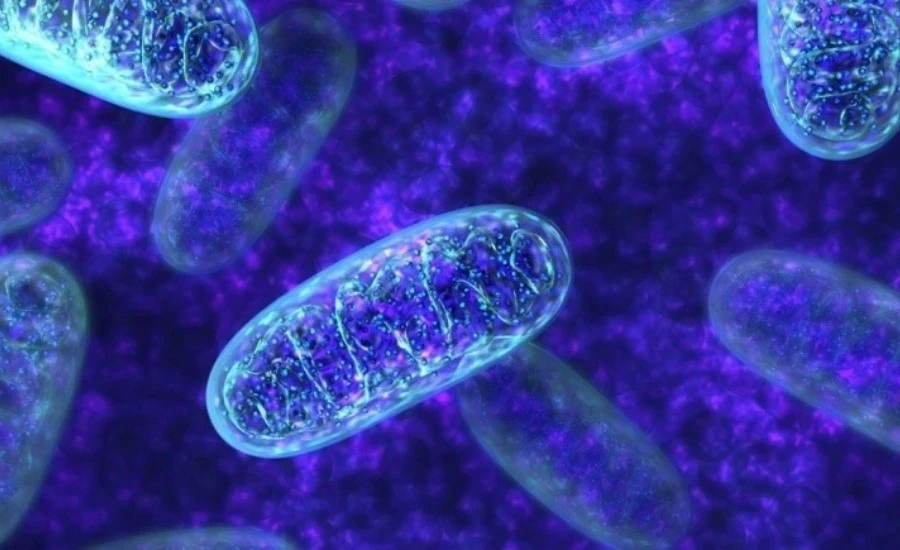

Studies on diet-induced obesity models have revealed that the administration of this chemical produces benefits that can be assessed in the number of copies of mitochondrial DNA and the expression of the respiratory chain complex. The metabolic shift we find in these study settings is consistent with the idea that limiting NNMT is waking up dormant energy-producing pathways, enabling cells to go from mostly glycolytic metabolism to more oxidative phosphorylation.
Cellular Energy Pathway Activation
In addition to keeping NAD+ levels stable, 5 amino 1mq peptide injection changes several communication pathways that control mitochondrial respiration. AMP-activated protein kinase (AMPK) is a master metabolic regulator that reacts to the energy level of cells. The substance turns it on. AMPK activity then activates PGC-1α, a transcriptional coactivator that helps mitochondria grow. Researchers have observed that this chemical boosts the synthesis of genes that code for mitochondrial proteins.
These proteins are involved in citric acid cycle, oxidative phosphorylation and antioxidant defence mechanisms. The notion that so many genes are increased implies that inhibiting NNMT is not just preserving mitochondrial function but also contributing to the creation of new mitochondria able to sustain greater metabolic loads.

5 Amino 1MQ Peptide Injection and Mitochondrial Energy Production
The production of energy in mitochondria rests on the coordinated function of several biochemical processes, such as the supply of substrates, the efficiency of electron transport, and the maintenance of the proton gradient. The use of 5 amino 1mq peptide injection in study models has helped us learn a lot about how blocking NNMT improves these linked processes.
ATP Synthesis Enhancement
Adenosine triphosphate ( ATP ) is a key source of energy for cells . It is primarily generated by mitochondrial oxidative phosphorylation . Experimental preclinical research have shown that NNMT inhibition enhances mitochondrial ATP production rate. In one model trial where they combined exercise with compound delivery, researchers reported a 45% boost in mitochondrial ATP generation above control groups who did nothing.
This enhancement seems to be a consequence of a more efficient electron transport chain than just the availability of additional substrates. In treated cells, mitochondria have a larger membrane potential, i.e. protons can more readily pass the inner mitochondrial membrane.

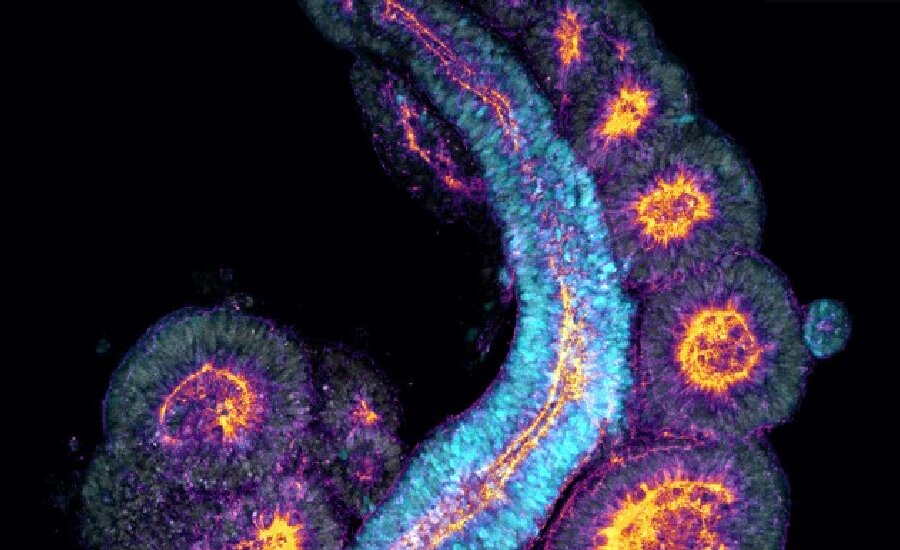
The membrane potential is constant, so the ATP synthase can perform well, converting the electrochemical gradient into energy that is stored in the bonds of ATP.
Respiratory Chain Complex Function
The mitochondrial respiratory chain consists of five protein complexes that transfer electrons and pump protons to provide the electrochemical gradient that drives ATP synthesis. NNMT inhibition has been found to positively influence the expression and assembly of these respiratory complexes in studies using a 5 amino 1mq peptide injection. Transcriptome analyses have shown upregulation of genes encoding components of Complex I (NADH dehydrogenase), Complex III (cytochrome bc1 complex) and Complex IV (cytochrome c oxidase).
"More effective functioning of the respiratory chain means it takes in oxygen more efficiently and prevents electrons leaking out which would otherwise give rise to reactive oxygen species. Studies have shown that the formation of ROS in mitochondria is decreased in cells treated with this chemical. This indicates an improved coupling between oxygen use and ATP generation.
These greater binding efficiencies are highly crucial to maintain cells healthy and prevent oxidative damage to mitochondrial components.
Mitochondrial Quality Control
In addition to being able to make energy, mitochondrial metabolism rests on having good quality control systems that get rid of broken organelles and keep the mitochondrial network healthy. Researchers have found that injecting a 5 amino 1mq peptide changes the way mitochondria work and how autophagy works. The compound raises the levels of proteins that help with mitochondrial fusion, fission, and selective autophagy (mitophagy). This makes sure that damaged mitochondria are quickly removed while healthy ones are kept and copied.
This improvement to quality control seems to be especially important in studies that look at getting older, since mitochondrial failure gets worse over time. Experiments have shown that long-term NNMT inhibition lowers the number of depolarized, non-working mitochondria in cells. This keeps the cell's overall metabolic capacity high even in situations that normally cause mitochondria to break down.


What Role Does NAD+ Play in 5 Amino 1MQ Peptide Injection Research?

Nicotinamide adenine dinucleotide is a key part of how mitochondria work and how cells control their energy levels. Currently, a lot of study is being done on the connection between 5 amino 1mq peptide injection and NAD+ dynamics. This is because NAD+ is a coenzyme that is involved in a huge number of chemical reactions inside cells.
NAD+ as a Metabolic Cofactor
NAD+ snatches electrons from oxidised foods and passes them on to the electron transport chain . That's how redox reactions operate. This shuttling between the oxidised (NAD+) and reduced (NADH) states keeps the release of energy from glucose, fatty acids, and amino acids going. The quantity of NAD+ in cells has been proved by researchers several times to directly affect how effective metabolism is. Mitochondrial and metabolic dysfunction are associated with lower NAD+ levels.
NNMT catalyses the methylation of nicotinamide to N-methylnicotinamide. Nicotinamide is a precursor of NAD+. High activity of NNMT shunts nicotinamide away from the NAD+ salvage pathway.
This may lead to depletion of NAD+ in the cells. In research models, injection of a 5 amino 1mq peptide boosts the quantity of NAD+ in cells 2.3 times in specific tissue types. This is particularly true for adipose tissue where NNMT expression is physiologically high.
Sirtuin Activation Through NAD+ Elevation
NNMT blockade leads to increased availability of NAD+, which activates a family of NAD+-dependent enzymes called sirtuins. They regulate plenty of cell activities including mitochondrial functioning, gene expression and stress tolerance. The most researched sirtuin, SIRT1 deacetylates transcription factors and coactivators that regulate translation of metabolic genes. Researchers employed a 5 amino 1mq peptide injection to see increased activation of SIRT1. This, in turn, resulted in the removal of the acetyl group from PGC-1α, thereby activating mitochondrial biogenesis programmes.
SIRT3 is exclusively localised in mitochondria, regulating the acetylation state of a plethora of mitochondrial proteins including antioxidant defence system, ETC components, and fatty acid oxidation enzymes.


Inhibition of NNMT has been demonstrated to boost NAD+ levels, which in turn promotes the activity of SIRT3. This makes the mitochondrial proteins more efficient , and boosts metabolic efficiency . This mechanism is one of the key ways the chemical impacts mitochondrial metabolism other than merely creating additional energy.
NAD+ Dynamics in Metabolic Research Applications
Scientists that research metabolic illnesses, ageing and how cells govern their energy are increasingly recognising that altering NAD+ levels might help cure these diseases. The 5 amino 1mq peptide injection is able to inhibit NNMT and increase NAD+ levels, providing researchers with another approach to supplement NAD+ levels. NNMT inhibition tackles one of the mechanisms of NAD+ decline, without directly providing NAD+ precursors, which may have longer benefits and synergize better with other metabolic therapies.
Researchers have observed this drug has synergistic effects with exercise, calorie restriction, or other metabolic stresses on NAD+ levels and other metabolic variables.

Exploring Fatty Acid Oxidation With 5 Amino 1MQ Peptide Injection
Fatty acid oxidation is a big part of mitochondrial metabolism, especially when the body is hungry, working out, or in other situations that need a lot of energy to keep going. Using a 5 amino 1mq peptide shot in research has shown that blocking NNMT has big effects on lipid metabolism pathways, showing how it changes substrate selection and oxidative capacity.
Mitochondrial Fatty Acid Uptake Mechanisms
Before going through beta-oxidation inside the mitochondrial matrix, fatty acids have to get through the outer and inner mitochondrial membranes. The carnitine shuttle system, and especially carnitine palmitoyltransferase 1 (CPT1), is needed for this transport process. CPT1 speeds up the step that limits the rate of long-chain fatty acid oxidation. Researchers have shown that blocking NNMT with a 5 amino 1mq peptide injection increases the production and function of the CPT1A gene.
Laboratory tests have demonstrated that the addition of substances may increase the absorption of fatty acids into mitochondria and the synthesis of fatty acid transport and binding proteins.

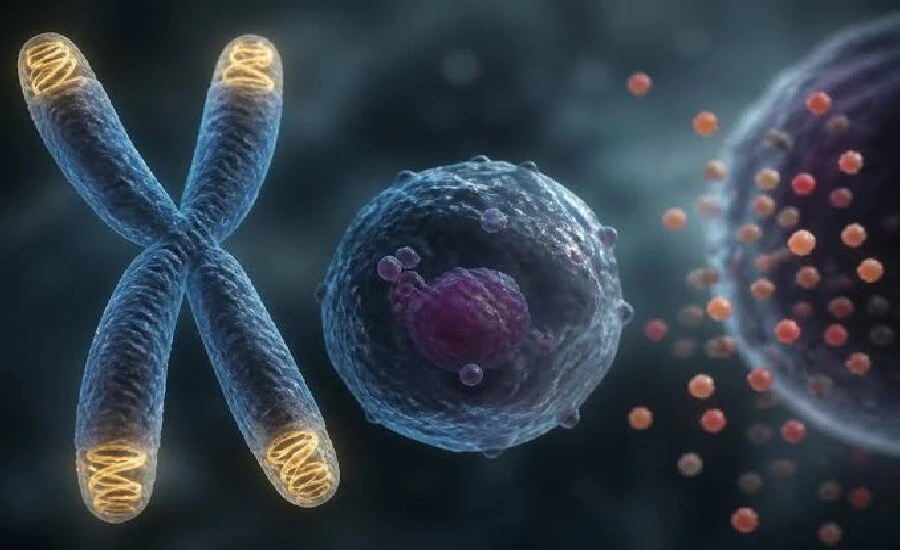
These alterations suggest that inhibiting NNMT creates a metabolic state that favours lipids over glucose, which may explain the weight reduction advantages seen in preclinical investigations. A indication of good mitochondrial activity is the capacity of mitochondria to effectively oxidise fatty acids.
Beta-Oxidation Pathway Enhancement
When fatty acids get into mitochondria, they go through several rounds of beta-oxidation, which makes acetyl-CoA units that go into the citric acid cycle to be fully oxidized. Using a 5 amino 1mq peptide shot for research has shown that several enzymes in this pathway are turned on. These enzymes are acyl-CoA oxidases (ACOX), hydroxyacyl-CoA dehydrogenases, and ketoacyl-CoA thiolases. Genes that code for these enzymes have been found to be coordinatedly upregulated by transcriptome analyzes. This suggests that the whole process is controlled by transcription.
When beta-oxidation capacity goes up, metabolic efficiency goes up and lipid accumulation in cells goes down.
Studies have shown that cells treated with this substance had lower levels of triglycerides inside them and smaller lipid droplets.
This means that the lipids were mobilized and burned more efficiently. This metabolic change seems to be most noticeable in fatty tissue and liver, which have higher levels of NNMT and where problems with lipid metabolism can lead to metabolic disease.
Peroxisome Proliferator-Activated Receptor Signaling
PPARs are nuclear hormone receptors that control gene expression in lipid metabolism. They play a role in controlling the transcription of fatty acid oxidation pathways. Researchers have found that injecting a 5 amino 1mq peptide changes PPAR signaling in more than one way. PPAR-γ is deacetylated when NAD+ levels rise, which changes its transcriptional activity and the genes it chooses to target.
There is proof from experiments that blocking NNMT increases the expression of genes that help break down fatty acids while decreasing the expression of genes that help make fat. This organized metabolic reprogramming makes a cellular environment that is best for burning fat instead of storing it. This is why metabolic benefits have been seen in obesity study models.

Researchers can think of ways to help people with metabolic disorders that cause problems with fat metabolism by understanding these control systems.

5 Amino 1MQ Peptide Injection Applications in Mitochondrial Research
The unique way that 5 amino 1mq peptide injection works and how it affects metabolism have made it useful in many research areas. This chemical has been used in experiments to answer basic questions about energy metabolism and metabolic health by labs that study mitochondrial function, metabolic control, and cellular aging.
5-Amino-1MQ is used in preclinical models to investigate NNMT's role in obesity, metabolic syndrome, and insulin resistance. Studies show that NNMT increases with obesity and may contribute to metabolic dysfunction. Its inhibition improves body weight, fat mass, glucose control, insulin sensitivity, mitochondrial function, inflammation, and related metabolic abnormalities.
Aging is associated with declining NAD+ levels and mitochondrial function, contributing to reduced physical capacity and metabolic health. Research suggests that 5-Amino-1MQ may increase NAD+ and improve mitochondrial function. In older animals, NNMT inhibition has partially improved exercise capacity, muscle mass, cognition, inflammation, and age-related gene expression changes.
Studies suggest that combining 5-Amino-1MQ with exercise enhances mitochondrial biogenesis, oxidative capacity, ATP production, and exercise performance. NNMT inhibition may strengthen exercise-induced metabolic adaptations, supporting healthier mitochondria and greater fatigue resistance. Research continues to explore how NNMT activity, physical activity, and mitochondrial adaptation interact to optimize training outcomes.
Conclusion
The study of 5 amino 1mq peptide injection in mitochondrial metabolism has shown that NNMT activity, NAD+ dynamics, and the production of energy in cells are all closely connected. Scientists can use this substance to help them answer basic questions about how metabolism works, how mitochondria work, and how healthy cells are. NNMT inhibition affects many parts of cellular metabolism that are important for health, illness, and age. It does this by increasing ATP production and fatty acid oxidation and supporting mitochondrial growth and quality control.
Researchers have used this compound to learn more about mitochondrial metabolism in a wide range of areas, such as metabolic disease models, aging studies, and exercise physiology. The molecular information gathered from these studies is still being used to help develop new medicines and find possible treatments for metabolic diseases. As research methods improve and our knowledge of how metabolism works grows, substances like 5 amino 1mq peptide injection will continue to be important for labs that want to push the limits of metabolic research.
FAQ
1.What distinguishes 5 amino 1mq peptide injection from other metabolic research compounds?
+
-
The molecule works in a specific way by targeting NNMT, an enzyme that is in a unique position to control energy, methylation processes, and the breakdown of NAD+. NNMT inhibition works on a regulatory block that affects many downstream processes at the same time, such as mitochondrial biogenesis, fatty acid oxidation, and sirtuin activation. This is different from direct NAD+ precursors or metabolic activators. Because it has many parts, this system is very useful for studying metabolic responses as a whole rather than just single biochemical events.
2.How should research laboratories evaluate quality when sourcing this compound?
+
-
Laboratories should give more weight to suppliers who offer full analytical documentation, such as HPLC chromatograms, mass spectrometry data, and certificates of analysis confirming purity of 98% or more. GMP certification and proof of legal compliance make sure that production standards are met for study uses. More quality indicators include batch-to-batch consistency data, stability data, and solubility characteristics. Reliable providers offer technical help to answer questions about particular applications and give advice on how to handle, store, and plan experiments.
3.What experimental models have demonstrated mitochondrial effects of NNMT inhibition?
+
-
Some examples of research models that show mitochondrial effects are diet-induced obesity models that show higher mitochondrial DNA copy numbers and better respiratory function, aged animal models that show better exercise capacity and less age-related metabolic decline, and cellular models that show higher NAD+ levels, ATP production rates, and fatty acid oxidation capacity. NNMT inhibition and physical training have been shown to work together to improve mitochondrial biogenesis in exercise intervention studies. Together, these different experimental systems show that mitochondrial effects are strong and can be repeated in different research settings.
Partner With Kpeptide: Your Trusted 5 Amino 1MQ Peptide Injection Supplier for Advanced Mitochondrial Research
When the quality and dependability of your study are very important, Kpeptide provides. As a specialized supplier of 5 amino 1mq peptide injections, we offer research-grade compounds that are guarantyd to be ≥98% pure and come with full analytical documentation that includes HPLC and MS data. Our GMP-certified factories have been through thorough inspections by the US-FDA, PMDA, and CFDA. This makes sure that each batch is of the highest quality and that we follow all the rules set by regulators. This meets the exact needs of pharmaceutical companies, biotechnology groups, and research institutions around the world.

Our professional R&D team can help you with technical issues one-on-one, making sure that testing methods work best and applications don't have any problems. We guaranty accurate lead times, reasonable prices, and full paperwork for easy customs clearing. We have been doing organic synthesis for 12 years and have a supply chain that has been used before. Kpeptide gives your new research the quality, knowledge, and service it needs, whether you're looking into mitochondrial metabolism, metabolic disease models, or aging research.
Are you ready to move your research on mitochondrial metabolism forward? Email our team at sales@kpeptide.com to talk about your unique needs, get full product specifications, or get a quote that fits your needs. Kpeptide is a place where great research meets great service.
References
1. Kraus D, Yang Q, Kong D, et al. Nicotinamide N-methyltransferase knockdown protects against diet-induced obesity. Nature. 2014;508(7495):258-262.
2. Campagna R, Mateuszuk L, Wojnar-Lason K, et al. Nicotinamide N-methyltransferase in endothelium protects against oxidant stress-induced endothelial injury. Biochimica et Biophysica Acta Molecular Cell Research. 2021;1868(3):118893.
3. Komatsu M, Kanda T, Urai H, et al. NNMT activation can contribute to the development of fatty liver disease by modulating the NAD+ metabolism. Scientific Reports. 2018;8(1):8637.
4. Hong S, Moreno-Navarrete JM, Wei X, et al. Nicotinamide N-methyltransferase regulates hepatic nutrient metabolism through Sirt1 protein stabilization. Nature Medicine. 2015;21(8):887-894.
5. Ulanovskaya OA, Zuhl AM, Cravatt BF. NNMT promotes epigenetic remodeling in cancer by creating a metabolic methylation sink. Nature Chemical Biology. 2013;9(5):300-306.
6. Parsons RB, Smith SW, Waring RH, et al. High expression of nicotinamide N-methyltransferase in patients with idiopathic Parkinson's disease. Neuroscience Letters. 2003;342(1-2):13-16.


