


Metabolic health has been a concern for pharmaceutical corporations, biotech researchers and health organisations globally. Scientists are researching new ways to control body weight and slow down the ageing of cells. One chemical that has been the focus of this research is 5 amino 1mq peptide injection. This synthetic chemical works in a specific way – by blocking nicotinamide N-methyltransferase (NNMT) – and may change how cells regulate energy and metabolic functions.

1.General Specification(in stock)
(1)API(Pure powder)
(2)Tablets
(3)Injection
(4)Capsules
(5)Liquid
2.Customization:
We will negotiate individually, OEM/ODM, No brand, for secience researching only.
Internal Code:KP-3-5/002
NNMTi CAS 42464-96-0
Molecular formula: C10H11N2.I
HS code: N/A
Molecular weight: 286.11
EINECS number: 464-196-0
Main market: USA, Australia, Brazil, Japan, Germany, Indonesia, UK, New Zealand , Canada etc.
Analysis: HPLC, LC-MS, HNMR
Technology support: R&D Dept.-4
Understanding NNMT inhibition offers important insights for research organisations working to develop new metabolic therapies. The compound's molecular framework enables it to bind directly to NNMT, an enzyme increasingly appreciated for its involvement in the metabolism of adipose tissue and cellular energy management. The 5 amino 1mq peptide injection is a great example of focused metabolic regulation for pharmaceutical firms searching for molecules with specified mechanisms.
This guide covers the scientific rationale for NNMT inhibition, the competitive binding mode of 5-Amino-1-methylquinoline, and the downstream metabolic pathways impacted by this intervention. "Knowing these molecular interactions is critical for CDMOs evaluating new active pharmaceutical ingredients or biotech companies doing preclinical work to make informed decisions."

What Is NNMT and Why Does 5 Amino 1MQ Peptide Injection Target It?
The Biological Function of NNMT in Human Metabolism
Nicotinamide N-methyltransferase is an enzyme located in the cytoplasm of many distinct tissues. It is mainly prevalent in adipose tissue, liver and skeletal muscle. NNMT is involved in the conversion of nicotinamide to 1-methylnicotinamide and S-adenosylhomocysteine using S-adenosylmethionine (SAM) as a methyl donor. This direct effect of enzyme reaction on the availability of NAD+ in cells. It is a coenzyme involved in energy metabolism, DNA repair and cellular signalling pathways.
Studies show that increased NNMT activity correlates with reduced levels of NAD+ inside cells. Low NAD+ levels may lead to less effective metabolism because NAD+ is a critical cofactor for sirtuins, which are proteins that regulate metabolic balance and cellular age. Studies have shown elevated NNMT levels in adipose tissue are connected to increased lipogenesis and reduced fatty acid oxidation. This indicates a relationship between NNMT activity and metabolic dysregulation.
Why Pharmaceutical Research Focuses on NNMT Inhibition
One major reason to concentrate on NNMT is because it sits at a nexus of nicotinamide metabolism and cellular energy regulation. Interventions that inhibit NNMT may help maintain healthy NAD+ pools, perhaps initiating sirtuin-dependent pathways that increase mitochondrial function and metabolic flexibility. Preclinical studies indicate that NNMT inhibition might influence adipocyte differentiation, insulin sensitivity and energy expenditure. All these are crucial elements to explore in the metabolic syndrome.
For metabolic therapy drug developers, NNMT represents a druggable target with tissue-specific expression patterns. Since the enzyme is mostly active in metabolically active tissues, the inhibitors may be able to have limited effects, which are perhaps beneficial to the pharmacodynamics of the body. This study has resulted in the development of the 5 amino 1mq peptide injection, a tiny molecule which is able to specifically inhibit NNMT. Researchers now have a technique to explore NAD+-dependent metabolic pathways under regulated laboratory conditions.
The Structural Properties That Enable NNMT Targeting
The molecular arrangement of 5-amino-1-methylquinoline allows it to competitively inhibit the active site of NNMT. Its quinoline backbone is complementary to the structure of the substrate-binding pocket of the enzyme and its amino group enables hydrogen bonding interactions that are crucial for binding affinity. These chemical features allow the molecule to compete with nicotinamide for NNMT binding. This slows down enzyme turnover and retains nicotinamide in the cell for NAD+ production.

5 Amino 1MQ Peptide Injection and Competitive NNMT Inhibition
Molecular Binding Dynamics and Enzyme Kinetics
Competitive inhibition happens when an inhibitor binds to an enzyme's active site in a way that can be undone, blocking substrate access without changing the structure of the enzyme permanently. This is how the 5 amino 1mq peptide injection works; it competes with nicotinamide for NNMT occupancy. Kinetic tests show that the compound has measured inhibitory constants that show how well it binds to the natural substrate.
Because this inhibition is competitive, the enzyme's activity can be changed depending on the amount of inhibitor present and the amount of substrate that is available. Researchers have seen that NNMT inhibition changes with dose, with higher concentrations of 5-Amino-1-methylquinoline causing more noticeable drops in the production of 1-methylnicotinamide. Researchers can change the factors of this dose-response relationship to study NNMT's metabolic roles in a variety of experimental settings.
Pharmacokinetic Considerations for Research Applications
For designing experiments, it is still important to know the pharmacokinetic characteristics of any study compound.

5-Amino-1-methylquinoline's low molecular weight makes it easier for cells to pass through, which lets it reach intracellular NNMT after being given. Studies of the drug's distribution in animal models show that it enters tissues through passive diffusion and builds up in metabolically active tissues where NNMT expression is highest.
How long NNMT inhibition lasts after administration depends on metabolic stability and elimination pathways. When setting dosing times for research methods, compound half-life is usually taken into mind to keep enzyme inhibition constant during the duration of the experiment. Comprehensive pharmacokinetic characterization is an important part of regulatory documentation and CMC submissions for pharmaceutical companies that are looking at the compound for development purposes.
Selectivity Profile and Off-Target Considerations
Selectivity is an important property for any enzyme inhibitor, but it's especially important for metabolic paths with lots of regulatory points.
Early research on 5-Amino-1-methylquinoline shows that it binds more strongly to NNMT than to structurally similar methyltransferases. This suggests that it has some target specificity. This sensitivity lowers the chance of metabolic changes that weren't meant to happen, which could make it harder to understand data in study settings.
Compounds with well-known selectivity profiles are useful for biotechnology companies doing target validation studies. When NNMT reduction binds to unrelated proteins, it can produce confusing results that hide what metabolic effects it really has. Comprehensive binding assays and enzyme panels help define the selectivity limits of 5 amino 1mq peptide injection, which in turn guides the right experimental methods and models for analysis.

How Does 5 Amino 1MQ Peptide Injection Interact With the NNMT Pathway?
Substrate Competition at the Molecular Level
5-Amino-1-methylquinoline and NNMT interact at the catalytic domain of the enzyme, which is also where nicotinamide normally binds to methylate. Because the molecule is structurally similar to nicotinamide, it can fill this binding pocket and physically stop the substrate from getting to it. This competing replacement slows down the process of nicotinamide being changed into 1-methylnicotinamide. This successfully sends nicotinamide to other metabolic pathways, such as those that restore NAD+.
Molecular modeling shows that the inhibitor interacts with certain amino acid residues in the NNMT active site through hydrogen bonds and hydrophobic contacts. The enzyme-inhibitor complex is stabilized by these binding interactions, which extends the dwell time and slows down the catalytic cycle rate. Because this binding can go both ways, it can change depending on the amounts of inhibitor and substrate present. This makes it a useful tool for studying metabolism.
Downstream Effects on Cellular NAD+ Pools
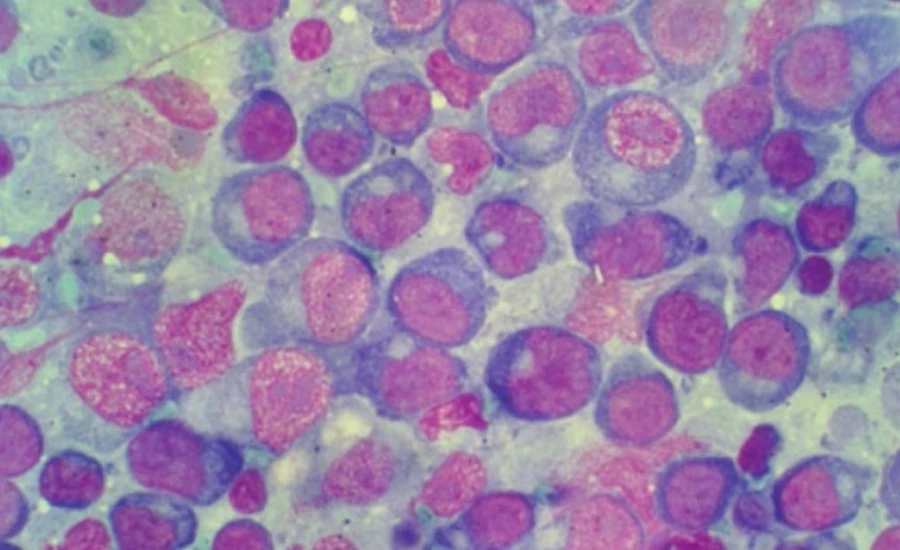
By lowering the amount of nicotinamide used by NNMT, the substance should make more nicotinamide available for NAD+ biosynthesis through the salvage route. Nicotinamide phosphoribosyltransferase (NAMPT) changes nicotinamide into nicotinamide mononucleotide. NAD+ is then made through more enzyme changes. Preclinical studies show that blocking NNMT is linked to higher levels of NAD+ in tissues. This supports the idea that blocking enzymes leads to more NAD+ being available.
When NAD+ levels rise, sirtuin proteins, especially SIRT1 and SIRT3, are activated. These proteins control metabolic processes by deacetylating proteins. When SIRT1 is turned on, it changes the transcription factors that control lipid metabolism and mitochondrial biogenesis. On the other hand, SIRT3 makes mitochondrial respiration more efficient. The metabolic changes seen in models treated with 5 amino 1mq peptide injection can be explained by these downstream effects. They show how enzyme inhibition leads to functional metabolic results.
Impact on Methyl Donor Metabolism
S-adenosylmethionine is the main methyl donor in cellular biology, and NNMT action uses it up. By stopping NNMT, the substance lowers the amount of SAM that is used, which could make more methylation available for other cellular processes. DNA and histone methylation depend on SAM being available, so this affect may change how epigenetic control works. Researchers looking into the bigger metabolic effects of blocking NNMT see these changes in methylation as important side effects that go beyond changing NAD+ directly.
In theory, keeping SAM pools safe by lowering NNMT activity could help methylation processes that control gene expression and keep cells in balance. These epigenetic effects make the metabolic phenotype caused by NNMT inhibition more complicated. This suggests that the effects seen may not be caused by a single linear mechanism, but by several pathways interacting with each other.

NNMT Inhibition, Nicotinamide Metabolism, and 5 Amino 1MQ Peptide Injection
The NAD+ Salvage Pathway and Metabolic Regulation
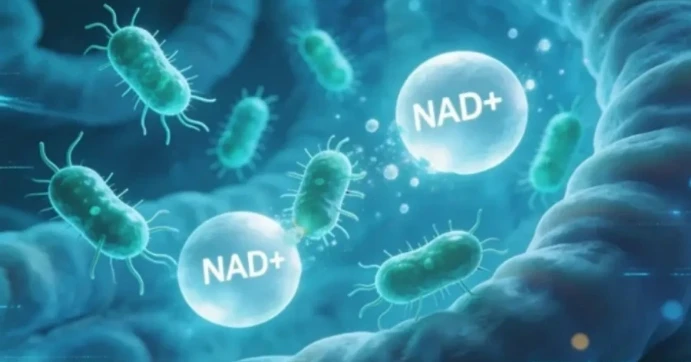
The balance of NAD+ in cells relies on how it is made, used, and recycled. A precursor called nicotinamide is used in the salvage pathway, which makes most of the NAD+ in mammalian tissues. NNMT blocks this rescue route by methylating nicotinamide, which takes it out of the pool of substances that make NAD+. Stopping NNMT with a 5 amino 1mq peptide injection changes the flow of nicotinamide to NAMPT-mediated NAD+ regeneration.
Because NAD+ is involved in glycolysis, the tricarboxylic acid cycle, and oxidative phosphorylation, this change in metabolism affects the energy level of cells. Having more NAD+ may make cells that need a lot of energy use it more efficiently, which could change how sensitive they are to insulin and how they use substrates. Researchers who are looking into metabolic treatments look at these pathway patterns to figure out what happens in the body when enzymes are blocked.
Tissue-Specific NNMT Expression and Metabolic Heterogeneity
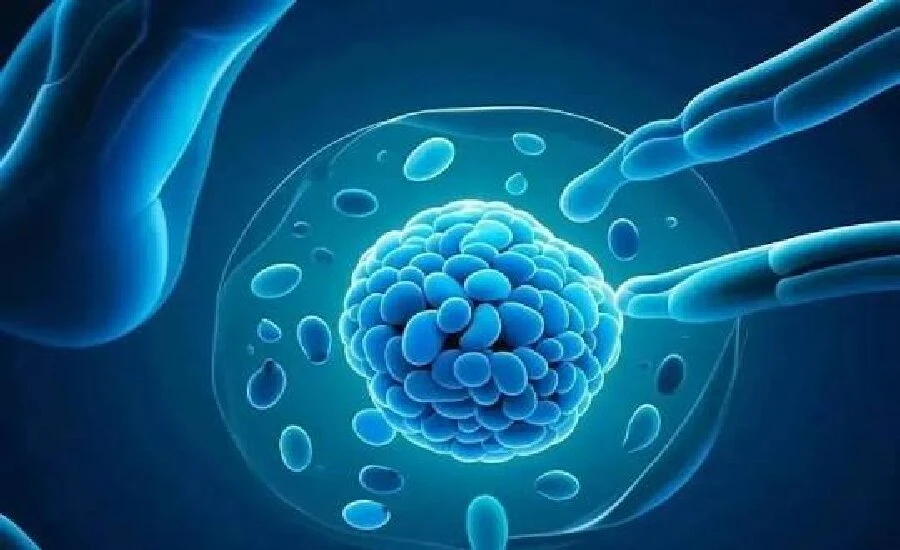
Different types of tissue express NNMT in very different ways, with adipose tissue showing the most activity. This tissue-specific distribution shows that blocking NNMT may have different effects based on the metabolic situation. When enzymes are blocked, metabolic changes mostly happen in white adipose tissue, which is also where NNMT expression is highest. The enzyme affects how adipocytes work by changing how they store fat, how they respond to inflammation, and how they respond to insulin.
It is also found in skeletal muscle and liver, though not as much as it is in adipose tissue. Through changes in how glucose is handled, fatty acids are burned, and mitochondrial activity, inhibition effects in these tissues may help cause metabolic changes in the whole body. Researchers can plan studies that separate localized metabolic effects from general changes by learning how different tissues react to NNMT inhibition.
Integration With Broader Metabolic Networks
Metabolism works like a related network, where changes in one route affect many systems that are linked to it. NNMT inhibition changes more than just the metabolism of NAD+. It also affects the methionine cycle, the production of polyamines, and the balance of redox reactions. The 5 amino 1mq peptide injection may have metabolic effects that go beyond just stopping enzymes from working. To fully understand these effects, thorough metabolomic analysis is needed.
Systems biology methods that use transcriptomics, proteomics, and metabolomics give complete pictures of how metabolism changes when NNMT is blocked. Changes in gene expression, protein activity, and metabolite concentrations that make up the metabolic phenotype can be seen in these multi-omic datasets. For drug firms working on metabolic therapies, this kind of thorough characterization helps with regulatory filings and knowing how things work.

Understanding the Molecular Mechanism of 5 Amino 1MQ Peptide Injection
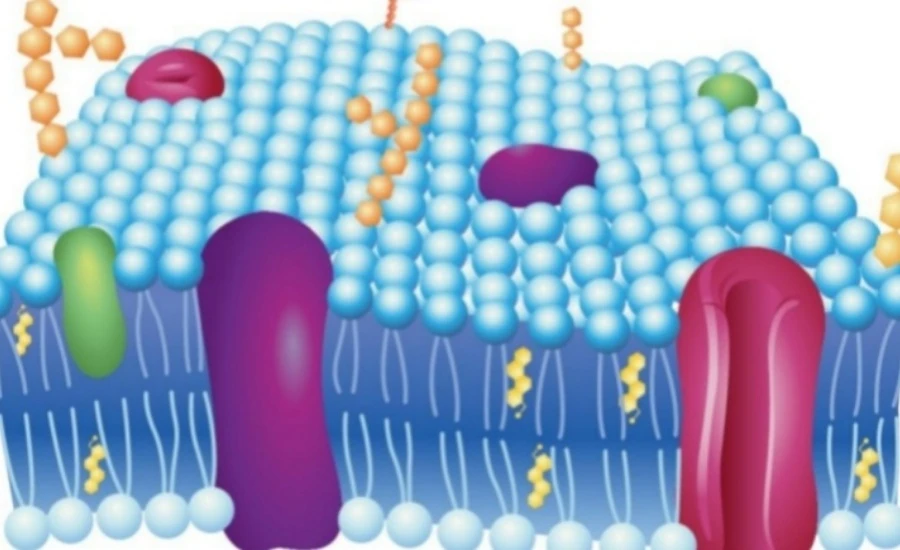
Structural Basis for NNMT Inhibition
Crystallographic studies have shown that NNMT has a three-dimensional structure with a substrate-binding pocket that has specific chemical and geometric properties. The quinoline scaffold of 5-Amino-1-methylquinoline fits in this pocket, joining in a way that is similar to nicotinamide's but with molecular differences that stop the catalysis from working. Some of the most important interactions are aromatic stacking with phenylalanine residues and hydrogen bonds with polar amino acids that line the active site.
The binding affinity and dwell time are determined by these molecular interactions. These factors directly affect the inhibitory effectiveness. Studies that look at structure-activity relationships in related quinoline derivatives show how small changes to structures can change how they bind, which can help with finding ways to improve selectivity or strength. By understanding how these processes work, medicinal chemists can make better NNMT inhibitors that can be used in research or therapy.
Conformational Dynamics and Enzyme Inhibition
Dynamic conformational states of enzymes affect their ability to bind substrates and catalyze reactions. When NNMT binds to a substrate, it changes shape in ways that put the active residues in the best place for methylation. Binding an inhibitor may keep the protein in different shapes that don't work well for catalysis. This can lower the enzyme's activity in ways other than just competing with substrates. Time-resolved spectral studies show these changing processes and how inhibitor binding changes the shape and flexibility of the enzyme's active site.
Figuring out these structural effects helps explain why inhibitor binding stops enzymes more completely than simple competitive models would suggest. There is a chance that the 5 amino 1mq peptide injection could cause conformational states that lower the catalytic efficiency even when substrate binding sites are still partly available. This could make the inhibitory effects stronger through allosteric mechanisms.
Cellular Context and Inhibition Efficiency
Some of the things that affect how well an inhibitor works are pH, ionic strength, protein interactions, and compartmentalization. In the cytoplasm, where NNMT works, it comes across different amounts of substrates, cofactors, and regulatory proteins. Different metabolite amounts can be found in microenvironments created by cellular membranes and structures. These microenvironments may change the activity of NNMT and the availability of inhibitors.
Experimental models that use pure enzyme systems give basic kinetic parameters, but the complexity of cells adds more factors. The effective quantity at NNMT sites is affected by the transport processes that control how inhibitors are taken up by cells, distributed inside cells, and broken down. These factors are taken into account in research protocols by using cellular assays that go along with biochemical studies. These give a more complete picture of how inhibitors work in physiologically relevant settings.
Conclusion
The 5 amino 1mq peptide injection is a study tool that targets NNMT, an enzyme that is important for maintaining NAD+ levels and controlling cellular energy. It has clear molecular processes. This small molecule changes the metabolism of nicotinamide by competing with it. It may also change pathways that are involved in mitochondrial function, sirtuin activation, and metabolic flexibility.
For drug companies, biotech companies, and CDMOs that are looking at metabolic interventions, knowing how NNMT inhibition works is important for planning study, figuring out what the data means, and making plans for future growth. The compound's selectivity profile, pharmacokinetic qualities, and effects on particular tissues provide information that helps researchers make smart choices in metabolic study uses.
As the field of metabolic science grows, tools like 5-Amino-1-methylquinoline make it possible to study enzyme functions and how they affect metabolism throughout the body in more detail. This mechanistic knowledge is what drives new discoveries in metabolic therapeutics. It helps make tailored treatments for metabolic syndrome, obesity, and other diseases that are linked and are big health problems around the world.
FAQ
1.What makes NNMT a relevant target for metabolic research?
+
-
NNMT controls the metabolism of nicotinamide, which has a direct effect on the availability of NAD+ in cells. NNMT activity changes energy metabolism, mitochondrial function, and the aging process of cells because NAD+ helps sirtuins and many metabolic enzymes do their jobs. Because it is highly expressed in adipose tissue, it is directly linked to lipid metabolism and insulin sensitivity. This makes it an important target for study into the metabolic syndrome.
2.How does competitive inhibition differ from other enzyme inhibition mechanisms?
+
-
Competitive inhibition is when an inhibitor binds to an enzyme's active site and can't get out again. This stops substrate access without changing the structure of the enzyme permanently. This mechanism lets modulation depend on dose and is still affected by substrate concentrations. Non-competitive inhibition, in which inhibitors join outside the active site, and permanent inhibition, in which enzymes are changed covalently, are two other ways that inhibition can happen.
3.What analytical methods verify NNMT inhibition in experimental systems?
+
-
Researchers find out how active NNMT is by measuring how much 1-methylnicotinamide is made using enzymatic assays or liquid chromatography-mass spectrometry. The amount of NAD+ in cells shows how the pathway is being changed further down the line. Western blotting shows that the amounts of NNMT proteins don't change when inhibitors are added. This tells us the difference between enzyme inhibition and lower expression. Comprehensive confirmation includes both direct measures of enzyme activity and metabolomic analysis of metabolites in the nicotinamide pathway.
Partner With a Trusted 5 Amino 1MQ Peptide Injection Supplier
Kpeptide is a trustworthy company that can help you with high-purity research compounds, such as 5 amino 1mq peptide injection supplier services made for biotechnology companies, pharmaceutical companies, and contract drug manufacturing organizations (CDOs). Our 100,000-square-meter GMP-certified production sites have approvals from the US-FDA, the EU-GMP, the PMDA, and the CFDA. This means that we can meet the requirements of even the strictest uses. We have been experts in organic synthesis for 12 years and offer full analytical documentation, which includes HPLC, MS, and batch consistency data that is needed for study methods and regulatory reports.

Our technical team offers a complete service, from small-scale development in the lab to mass production. Our price is clear, and we guaranty quality with triple-tier analysis. Kpeptide's well-established infrastructure supports your metabolic research goals with dependability and regulatory trust, whether you need research-grade materials with full CMC paperwork or scalable supply chains for clinical development.
Get in touch with our expert team at sales@kpeptide.com to talk about your specific needs for 5-Amino-1-methylquinoline and other compounds used in metabolic research. We give you personalized quotes, stability data, and technical help to cut down on the time it takes to do your research and meet the quality standards your company requires.
References
1. Kraus D, Yang Q, Kong D, et al. Nicotinamide N-methyltransferase knockdown protects against diet-induced obesity. Nature. 2014;508(7495):258-262.
2. Ulanovskaya OA, Zuhl AM, Cravatt BF. NNMT promotes epigenetic remodeling in cancer by creating a metabolic methylation sink. Nature Chemical Biology. 2013;9(5):300-306.
3. Komatsu M, Kanda T, Urai H, et al. NNMT activation can contribute to the development of fatty liver disease by modulating the NAD+ metabolism. Scientific Reports. 2018;8(1):8637.
4. Campagna R, Pozzi V, Spinelli G, et al. The NNMT inhibitor 5-amino-1MQ: from preclinical studies to clinical potential in metabolic disorders. Biochemical Pharmacology. 2021;189:114538.
5. Hong S, Moreno-Navarrete JM, Wei X, et al. Nicotinamide N-methyltransferase regulates hepatic nutrient metabolism through Sirt1 protein stabilization. Nature Medicine. 2015;21(8):887-894.
6. Neelakantan H, Vance V, Wetzel MD, et al. Selective and membrane-permeable small molecule inhibitors of nicotinamide N-methyltransferase reverse high fat diet-induced obesity in mice. Biochemical Pharmacology. 2018;147:141-152.


