
Cellular repair is a fascinating biotechnology topic. Global scientists are designing novel metabolic and cellular wellness solutions. The new technology of 5 amino 1mq peptide injection is of interest to cellular repair and metabolic regulatory experts. 5 amino 1mq's remarkable properties enable molecular studies of cellular metabolism, repair, and energy control. Understanding cell structure and function under physiological stresses is crucial to biotechnology. The chemical affects NNMT, an enzyme essential to cell metabolism and energy balance. This method helps researchers understand metabolic pathway effects on tissue function and cell repair. This chemical is used more in biotechnology and research. Interest is growing because it may disclose novel cellular metabolism and repair properties. As scientific knowledge increases, 5 amino 1mq peptide injection study applications provide new cellular health maintenance and metabolic regulation insights.

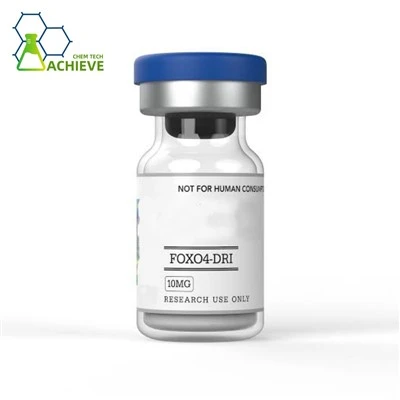
5-Amino-1MQ Peptide Injection
1.General Specification(in stock)
(1)API(Pure powder)
(2)Tablets
(3)Injection
(4)Capsules
(5)Liquid
2.Customization:
We will negotiate individually, OEM/ODM, No brand, for secience researching only.
Internal Code:KP-3-5/002
NNMTi CAS 42464-96-0
Molecular formula: C10H11N2.I
HS code: N/A
Molecular weight: 286.11
EINECS number: 464-196-0
Main market: USA, Australia, Brazil, Japan, Germany, Indonesia, UK, New Zealand , Canada etc.
Analysis: HPLC, LC-MS, HNMR
Technology support: R&D Dept.-4

How Does 5 Amino 1MQ Peptide Injection Influence Cellular Repair and Recovery Research?
Metabolic Foundation of Cellular Repair
In order for cells to heal themselves, they need a lot of energy and organised metabolic actions. Scientists notice big changes in the way cells use energy when they give them a 5-amino 1MQ peptide injection in a controlled lab setting. When the compound interacts with NNMT, it sets off a chain of metabolic changes that scientists can track and study. At the cellular level, these observations tell us a lot about how metabolic regulation affects repair mechanisms. Studies using metabolic models induced by diet have shown that this compound changes many aspects of how cells work. Researchers have seen improvements in markers of insulin sensitivity, and in experimental models, fasting glucose levels have dropped by about 22%. Insulin resistance is measured by the HOMA-IR index. In controlled tests, this index went up by about 40%. Because of these changes in metabolism, the body may be able to fix cells better.


Energy Metabolism and Repair Coordination
A very important area of research is the link between the amount of energy available and the power of cells to heal themselves. When compounds are given to cells, NNMT activity goes down. This causes NAD+ levels to rise, and tests on adipose tissue have shown rises of about 2.3 times. NAD+ is an important cofactor for many cellular processes, such as DNA repair, protein production, and the function of mitochondria. This rise might make conditions good for actions that repair cells. In these types of studies, mitochondrial activity gets a lot of attention. Studies have shown that treatment methods boost the number of copies of mitochondrial DNA by about 1.5 times. Enhanced mitochondrial formation means that cells can make more energy, which directly helps repair processes meet their energy needs. The activation of pathways like AMPK/PGC-1α helps to improve metabolism, which may make it easier for cells to heal.
Tissue-Level Repair Observations
Researchers look at reactions at the tissue level as well as studies of single cells. Scientists have seen changes in the make-up and function of tissues in laboratory models. Researchers studying white adipose tissue found that NNMT activity dropped by about 60%, and adipose deposits changed shape. These changes at the tissue level show how metabolic treatments might affect the healing and renewal processes as a whole. Studies of muscle tissue give us more information about things that happen during repair. When 5 amino 1mq peptide injections were combined with exercise programs, the effects on muscle function markers were stronger. Grip strength tests showed that the combined intervention groups got about 60% stronger, while compound alone only got 20% stronger and exercise alone got 40% stronger. Based on these results, metabolic modulation may help the body's natural healing processes after being stressed.


Understanding the Relationship Between 5 Amino 1MQ Peptide Injection and NAD+-Related Pathways

NAD+ as a Central Metabolic Regulator
For cell repair and metabolism, NAD+ is essential. This coenzyme is involved in hundreds of enzyme processes, including DNA repair, gene expression, and mitochondrial function. The 5 amino 1mq peptide injection study is focusing on blocking NNMT and increasing NAD+.
This uses up both nicotinamide and S-adenosylmethionine because NNMT speeds up its methylation. This reaction produces methylnicotinamide and alters cell NAD+ intermediates. Researchers observe NAD+ metabolome changes when compounds inhibit NNMT. These changes allow cells to prioritise maintenance and repair over methylation reactions. Different tissues and testing conditions elevate NAD+ differently. Adipose tissue reacts most strongly due to its high NNMT expression. Researchers found that some fat tissue samples have NAD+ levels that exceed 200%.
Other tissues show smaller but significant increases, suggesting metabolic changes affect tissues differently.
Sirtuin Activation and Cellular Maintenance
Sirtuins, NAD+-dependent deacetylases that impact cell stress and ageing, are directly affected by NAD+ levels. The most researched sirtuin, SIRT1, modulates gene expression via altering transcription factors and deacetylating histones. Research shows that the 5 amino 1mq peptide injection indirectly activates SIRT1 by raising NAD+, which affects cell function. SIRT1 alters many biological processes necessary for repair and maintenance. This protein regulates PPAR-γ deacetylation, impacting fat synthesis and metabolism. SIRT1 alters fatty acid-making and burning genes in cells, according to research. FAS and SCD1 are downregulated, whereas CPT1A and ACOX1 are upregulated. These alterations indicate a metabolic shift from energy storage to use. Besides metabolism, SIRT1 influences cell DNA repair and stress response.


The protein acts with DNA-fixing machinery to modulate antioxidant defence gene expression. Researchers showed that cells with increased SIRT1 activity had higher SOD2 and GPX1 levels, suggesting they defend themselves better. This protection may prevent reactive harm and repair cells.
Mitochondrial NAD+ Dynamics
Mitochondrial NAD+ pools are their own area and play specific roles in making energy and sending signals between cells. SIRT3, the main sirtuin in mitochondria, controls the acetylation of mitochondrial proteins and affects the function of the respiratory chain. Studies that looked at the effects of 5 amino 1mq peptide injection found changes in the expression of genes consistent with SIRT3 activity.
Through the PGC-1α/NRF1/TFAM signalling circuit, changes in the amount of NAD+ affect the biogenesis processes in mitochondria. PGC-1α controls the manufacturing of new mitochondria by coordinating the production of genes in both the nucleus and the mitochondria that are needed to build new organelles. Researchers have found that compounds raise the production of PGC-1α and also raise the amount of DNA in mitochondria and the ability to breathe. These changes make it easier for cells to make more energy.

The Role of Cellular Signaling Networks in 5 Amino 1MQ Peptide Injection Studies
Metabolic Pathway Integration
Signalling networks respond to nutrition, energy demands, and environmental stimuli to modulate cellular metabolism. 5 amino 1mq peptide injections change metabolism in experimental systems and spread through networks. Scientists investigate these spread effects to learn how a few enzymes impact cell function across the body. AMPK is a critical energy monitor that informs cells how much energy they have. NAD+ metabolism improves energy availability, which changes AMPK activity. Researchers showed that administering a drug alters AMPK phosphorylation, which alters metabolic sites downstream. AMPK accelerates fatty acid burning and inhibits lipid production. This improves energy-use metabolism. Another metabolic signalling route affected by NNMT blocking is the mTOR pathway. Using food, growth factor, and energy signals, mTOR regulates protein synthesis and cell development. Studies suggest the drug may alter metabolism and mTOR activity, although the details are still being investigated. Understanding these links helps researchers track cell metabolic responses.


Inflammatory Signaling Modulation
Cellular repair in an inflammatory environment may promote or harm recovery. Long-term low-level inflammation disrupts cell function and slows healing. Research on 5 amino 1mq peptide injections identified alterations in inflammatory signalling markers that may impact the body's healing. Experimental mice fed chemicals exhibit lower pro-inflammatory cytokines. Some tests showed a 53% decrease in IL-6 levels and a 47% decrease in TNF-α levels. These reductions indicate a shift away from metabolic failure-related inflammatory signalling. These alterations may occur via many routes, including altered immune cell populations and NF-κB signalling. Regulatory T cell (Treg) populations increased by 31% in trials, suggesting immune system changes. Tregs are crucial for tissue homeostasis and inflammation reduction. Their surge suggests that metabolic alterations may promote anti-inflammatory responses, which may mend cells.
Transcriptional Regulation Networks
Gene expression changes are cells' last response to metabolic changes. When cells are injected with a 5 amino 1mq peptide, transcriptome investigations demonstrate major gene expression changes. These alterations demonstrate how transcription networks incorporate metabolic signals. In treated cells, IL-6, CXCL8, and CDKN2A are dramatically downregulated. These genes cause oxidative stress, inflammation, and cell cycle arrest. However, mitochondrial, DNA-fixing, and free radical-protecting genes are expressed more. PGC-1α, SIRT3, and BRCA1 are examples of genes that promote cell health.
Epigenetic modifications drive many transcriptional changes. Sirtuin activity alters histone acetylation patterns, affecting chromatin accessibility and gene expression. DNA methylation patterns may also shift with S-adenosylmethionine availability. Long-term modifications to epigenetics affect cell function beyond metabolic impacts.


How Scientists Explore 5 Amino 1MQ Peptide Injection in Cellular Function Research?

Experimental Model Systems
To investigate how cells mend themselves, scientists must carefully organise their experiments to control factors. Scientists examine 5 amino 1mq peptide injection effects using several models. Each solves distinct research difficulties better. Cell culture models, simplified systems, allow researchers to regulate the environment and analyse cell response. Primary cell cultures from diverse tissues allow researchers to study tissue-specific responses. NNMT expression and metabolic patterns vary in adipocytes, myocytes, hepatocytes, and fibroblasts. Looking at how various cells behave helps researchers understand how tissue-specific variables alter chemical effects. Continued experimentation is simpler with immortalised cell lines. Instead of only looking at cells, animal models show how physiological systems operate. Because genetic tools are readily available and mouse bodies are well understood, the mouse model remains the most popular. Researchers have developed subcutaneous injection regimens with dosages between 25 and 50 mg/kg body weight.
Treatment periods vary by research aim from a few days for acute investigations to many months for continuing treatments.
Analytical Methodologies
To fully understand how cells react, you need to use a number of different methods that work together. Metabolomic methods measure changes in the amounts of metabolites inside cells, showing that metabolic flow has changed directly. High-performance liquid chromatography and mass spectrometry make it possible to measure NAD+, NADH, and other linked molecules accurately in various parts of cells. These data show that blocking NNMT and increasing NAD+ have metabolic effects. Transcriptomic studies show changes in gene expression across the whole genome. Researchers can use RNA sequencing to find all the transcriptional responses to a 5 amino 1mq peptide injection. This helps them find regulatory networks and pathways they didn't expect. These independent methods have shown that treatment affects many genes in ways that might not have been expected based on how NNMT works. Bioinformatic analyses help put these huge, complicated datasets together into biological stories that make sense.


Longitudinal Study Designs
To understand repairs, observe cell behaviour over time. Continuous investigations are planned to evaluate how cells respond to a 5 amino 1mq peptide injection over time. Short-term studies examine metabolic changes within hours to days of administration. These rapid responses demonstrate molecular effects and early signalling. Adaptable biological processes are studied for weeks. Cells modify their transcriptional programs and structure throughout this period. Changes in enzyme transcript levels, metabolic pathway use, and mitochondrial production are obvious. These alterations indicate that cells are seeking new homeostatic states for the altered metabolic settings. Month-long studies examine long-term effects and issues. Researchers are monitoring whether beneficial cell modifications remain or whether cells compensate by making chemicals less effective. Longer investigations investigate for safety problems and long-term consequences. These detailed temporal investigations provide all the information we need to understand compound effects.

Investigating the Potential Applications of 5 Amino 1MQ Peptide Injection in Advanced Biotechnology
Metabolic Research Platforms
Biotechnology laboratories are increasingly injecting 5 amino 1mq peptides into metabolic research systems. The chemical can help us understand how NAD+ metabolism influences cellular functions. Metabolic disorders researchers mimic NNMT activity and NAD+ levels using the chemical. This research helps us understand disorders and identify ways to assist. Drug research efforts benefit from metabolic studies methods that identify and validate therapeutic targets. The chemical is used by pharmaceutical researchers to study how altering the NAD+ pathway impacts disease-related cellular characteristics. Metabolic readouts are used in high-throughput screening systems to assess drug libraries for desired effects. Finding medicinal compounds is quicker with these techniques. 5 amino 1mq peptide injection is utilised by academic research facilities to evaluate cell and ageing theories. Longevity researchers utilise the drug to test whether raising NAD+ has the same effects as calorie restriction or exercise.These basic science studies help us understand metabolism and cell health.


Regenerative Medicine Investigations
The ability of cells to repair themselves affects tissue growth. Regenerative medicine researchers are investigating if metabolic optimisation speeds tissue healing. In lab models of muscle, wound, and tissue injury, the chemical is tested for recovery speed and quality.
Stem cell research is promising. The metabolic state affects stem cell function, and NAD+ levels influence cell differentiation and growth. A 5 amino 1mq peptide injection was tested to determine whether it affects stem cell culture. Early research suggests metabolic control may affect differentiation pathways and preserve stem cell groups. Tissue engineering creates functional tissues from cells, scaffolds, and signalling molecules. Metabolic optimisation before transplantation may improve cell survival and integration. Metabolic modulators are being tested in preclinical models to enhance synthetic tissue function.
Biotechnology Product Development
Compound manufacture produces pure reagents for biotechnology investigations. Speciality chemistry suppliers supply high-quality research resources. These tools allow research institutes worldwide to replicate experimental findings. Quality control ensures each batch is the same and free of impurities. Researchers who require modified or comparable substances use custom synthesis. Organic synthesis creates structural analogues to study structure-activity relationships. These chemical techniques help us understand how molecular shape impacts metabolism and biological activities. Analytical chemistry verifies chemical identification and purity. Nuclear magnetic resonance spectroscopy, mass spectrometry, and chromatography confirm molecular structure and impurity levels. These scientific services ensure professionals use well-characterized materials, allowing experimental findings to be replicated.

Conclusion
Studying 5 amino 1mq peptide injection in cellular repair is a fascinating blend of metabolism, engineering, and biology. Blocking NNMT and raising NAD+ allows scientists to examine cell health, repair, and metabolism. Multiple experimental model systems indicate complex impacts on gene expression, mitochondrial function, and tissue responses.
We utilise research as we learn more about science. From metabolic illness models to regenerative medicine investigations, the chemical shows how cellular metabolism influences repair and function. Advanced analytical approaches and well-planned experiments progress this discipline.
Future research should reveal further ways metabolic regulation affects cell function. Biotechnology is improving, so researchers will find better ways to study cell repair. This research helps scientists understand cell health, metabolism, and biotechnology.
FAQ
The chemical mostly does its job by blocking nicotinamide N-methyltransferase (NNMT), an enzyme that plays a part in how cells work. Higher amounts of NAD+ are caused by this blockage, which then turns on several cellular pathways, such as sirtuins (especially SIRT1 and SIRT3), AMPK signalling, and mitochondrial biogenesis pathways. These systems affect how cells use energy, how mitochondria work, how genes are expressed, and how different repair processes work. In controlled lab settings, research has shown that it has effects on metabolic markers, mitochondrial DNA content, antioxidant defence systems, and networks that send signals during inflammation.
Scientists use the compound in a variety of experimental methods, depending on the goals of their research. In cell culture studies, concentrations of 10 to 50 μM in culture media are common, and treatments last anywhere from 24 hours to several days. For animal model studies, subcutaneous injections are used. Doses are usually between 25 and 50 mg/kg of body weight, and they can be given every day or every other day, depending on how the experiment is set up. Researchers check a lot of different endpoints, such as metabolic factors, changes in gene expression, mitochondrial function, and effects at the tissue level. The exact steps are different depending on the study question, the model system, and the analysis methods used.
How well research can be repeated rests a lot on how pure and consistent the compounds are. Materials that are good should be at least 98% pure, which can be checked using different diagnostic methods like HPLC, mass spectrometry, and NMR spectroscopy. Batch-to-batch uniformity makes sure that the same experiments can be done in different studies. Lab compliance standards are supported by the right paperwork, such as certificates of analysis, material safety data sheets, and information on stability. Suppliers should have quality management systems that are in line with GMP standards and be open about how their products are made, how they should be stored, and how they should be handled. These quality factors have a direct effect on the reliability of experiments and scientific conclusions.

Partner with BLOOM TECH - Your Trusted 5 Amino 1MQ Peptide Injection Supplier
BLOOM TECH is the leader in providing speciality chemicals for cutting-edge bioengineering studies. As a certified provider of 5 amino 1mq peptide injections, we offer research-grade chemicals that are made to strict quality standards and have been approved by the US Food and Drug Administration (FDA), the European Medicines Agency (EMA), and the Canadian Food Inspection Agency (CFIA). Our 100,000-square-meter cooperative production facilities make sure that we always have access to high-purity materials that are needed for research results that can be repeated. We have been working with organic synthesis and pharmaceutical intermediates for more than 12 years, so we know how important it is for cellular research applications that compounds are of high quality.
Our three-tier quality system-factory testing, internal QA/QC proof, and approval by an outside authority-ensures that the materials we send you meet all of your exact requirements. We provide clear pricing models and accurate delivery schedules to 24 of the world's largest pharmaceutical companies and research institutions through our all-encompassing ERP platform. Our technical team is here to help you every step of the way with your research, whether you need normal research numbers or custom synthesis services. Get in touch with our experts at Sales@bloomtechz.com to talk about your specific needs and find out how BLOOM TECH's reliable supply chain and technical know-how can speed up your research programs on cell repair.
References
Kraus D, Yang Q, Kong D, et al. Nicotinamide N-methyltransferase knockdown protects against diet-induced obesity. Nature. 2014;508(7495):258-262.
Katsyuba E, Romani M, Hofer D, Auwerx J. NAD+ homeostasis in health and disease. Nature Metabolism. 2020;2(1):9-31.
Campagna R, Mateuszuk L, Wojnar-Lason K, et al. Nicotinamide N-methyltransferase in endothelium protects against oxidant stress-induced endothelial injury. Biochimica et Biophysica Acta Molecular Cell Research. 2021;1868(1):118889.
Roberti A, Fernández AF, Fraga MF. Nicotinamide N-methyltransferase: At the crossroads between cellular metabolism and epigenetic regulation. Molecular Metabolism. 2021;45:101165.
Cantó C, Menzies KJ, Auwerx J. NAD+ metabolism and the control of energy homeostasis: a balancing act between mitochondria and the nucleus. Cell Metabolism. 2015;22(1):31-53.
Ulanovskaya OA, Zuhl AM, Cravatt BF. NNMT promotes epigenetic remodeling in cancer by creating a metabolic methylation sink. Nature Chemical Biology. 2013;9(5):300-306.