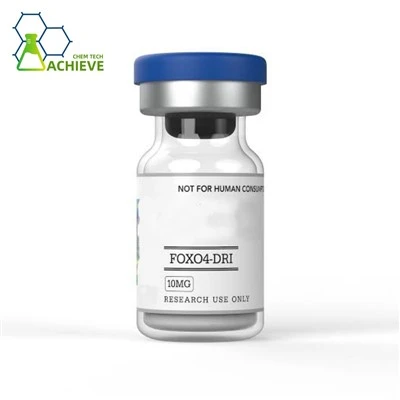
Modern wellness research focuses on metabolic health, discovering new chemicals that may affect cellular energy systems. The metabolic control and cellular ageing research groups are interested in 5 amino 1mq peptide injection. This laboratory-synthesised small molecule chemical helps researchers study how various enzymatic pathways affect cellular energy balance and metabolic activity.
As communities worldwide struggle with weight control, energy metabolism, and age-related decline, metabolic regulating systems are becoming more important. The 5 amino 1mq peptide injection interacts specifically with nicotinamide N-methyltransferase (NNMT), a key enzyme in cellular metabolism, making it a unique study model. This chemical is being studied for metabolic uses by pharmaceutical, biotechnology, and academic researchers.
This thorough review covers 5 amino 1mq's modes of action, research efforts, and metabolic and cellular data. This molecule's scientific base is useful for metabolic study by pharmaceutical researchers, contract developers, and biotech companies seeking high-quality research molecules.
1.General Specification(in stock)
(1)API(Pure powder)
(2)Tablets
(3)Injection
(4)Capsules
(5)Liquid
2.Customization:
We will negotiate individually, OEM/ODM, No brand, for secience researching only.
Internal Code:KP-3-5/002
NNMTi CAS 42464-96-0
Molecular formula: C10H11N2.I
HS code: N/A
Molecular weight: 286.11
EINECS number: 464-196-0
Main market: USA, Australia, Brazil, Japan, Germany, Indonesia, UK, New Zealand , Canada etc.
Analysis: HPLC, LC-MS, HNMR
Technology support: R&D Dept.-4


What Is 5 Amino 1MQ Peptide Injection and How Is It Studied in Metabolism Research?

Understanding the Molecular Structure and Chemical Properties
A small molecule inhibitor called 5 amino 1mq is something that researchers make just for metabolic studies. Unlike peptides that are naturally made by the body, this man-made substance has a quinoline-based structure with specific chemical changes that allow it to work with enzymes in a specific way. Researchers can precisely study NNMT blocking thanks to the molecular design. This makes it very useful for controlled experiments where understanding certain metabolic pathways is important.
To make sure that the results of experiments are always the same, research-grade preparations of 5 amino 1mq peptide injection usually meet strict purity standards, often going above and beyond 98% purity levels. For pharmaceutical companies and biotechnology research groups to be sure of the identity and purity of molecules, they need a lot of analytical data.
This includes high-performance liquid chromatography (HPLC) profiles, mass spectrometry confirmation, and nuclear magnetic resonance (NMR) spectra. These quality standards make sure that study results can be repeated in a variety of lab settings and with different sets of experiments.
Research Models and Study Design Considerations
Different animal models are used by scientists who study metabolic control to look at how 5 amino 1mq peptide injection changes the way cells work. In vitro cellular studies using adipocyte cultures, hepatocytes, or fibroblast cell lines to see direct metabolism effects are usually the first step in preclinical research. Researchers can use these controlled environments to see how NAD+ levels, mitochondrial function, and gene expression patterns change after compounds are added.


Studies using animal models give us more information about how metabolic processes affect the whole body. To find out how NNMT inhibition affects metabolism throughout the body, researchers have used models of diet-induced obesity, natural ageing, and metabolic syndrome. Different studies use different methods for administration. To find the best trial factors, researchers try out different dosing schedules, delivery methods, and treatment lengths. These studies give us useful information about how metabolism works, how to control weight, and how to keep the energy balance right.
Quality Requirements for Research Applications
To make sure that their experiments are true, organisations that do metabolic research need substances that meet certain quality standards.
For study reasons, the 5 amino 1mq peptide injection must come with thorough reports of analysis that show its identity, purity, and any possible impurities. Consistency from batch to batch is especially important for long-term studies where the settings of the experiments need to stay the same during multiple testing stages.
To keep their molecular structure during study periods, research-grade materials also need to be stored properly and have stable data. Documentation that shows the right way to handle, reconstitute, and keep compounds stable in different storage conditions helps research teams keep the quality of compounds from the time they are bought until the experiments are finished. These quality issues have a direct effect on the results of research and the validity of findings that have been published.


Key Research Applications of 5 Amino 1MQ Peptide Injection in Cellular Studies

Investigating Metabolic Pathway Regulation
This research examines how inhibiting NNMT affects cell metabolic networks. When researchers introduce the 5 amino 1mq peptide into cellular models, they evaluate the increase in NAD+. Increased NAD+ levels trigger a sequence of events that influence various metabolic processes.
Higher NAD+ levels activate sirtuin family proteins, notably SIRT1, which regulates energy use and stress response. Scientists study protein synthesis, chemical activity, and metabolic flux to determine activation patterns. Scientists now understand how inhibiting enzymes causes metabolic alterations in many tissue types and cell settings.
Researchers also examine fatty acid metabolism once the chemical is delivered. Adipocyte studies demonstrate alterations in lipid-producing and -breaking genes.
FAS and CPT1A are among these genes. We can examine metabolic problems by investigating molecular changes in cellular energy consumption patterns when NNMT is suppressed.
Exploring Cellular Aging Mechanisms
Studying cellular senescence and ageing mechanisms is also significant. 5 amino 1mq peptide injection helps scientists explore how metabolism affects cellular ageing. Replicative senescence models, in which cells divide repeatedly, may be used to investigate whether metabolic optimisation slows or accelerates ageing.
Studies on fibroblast senescence models indicated that chemicals reduce senescence-associated beta-galactosidase activity. Cell cycle regulatory proteins like p21 and p16 exhibit expression variations that indicate cell growth phases.


Some scientists still debate the relationship between metabolism and cellular ageing. These observations enrich the discussion.
Understanding mitochondrial function is crucial to ageing research. After drug administration, researchers measured mitochondrial membrane potential, ATP generation, and mitochondrial DNA copies to determine how metabolic therapies impact cell energy production. Researchers studying how mitochondrial activity declines with ageing find these measures beneficial for finding solutions.
Examining Inflammatory Response Modulation
At both the cellular and systemic levels, metabolic dysfunction is often linked to inflammatory processes. 5 amino 1mq peptide injection is used by researchers to look into the links between controlling metabolism and signalling pathways that cause inflammation.
Using models to study cytokine production, especially interleukin-6 (IL-6) and tumour necrosis factor-alpha (TNF-α), shows how blocking NNMT affects the release of inflammatory mediators.
The senescence-associated secretory phenotype (SASP) is a field of study where metabolic and inflammation processes meet. Senescent cells release a number of pro-inflammatory substances that change the surroundings of the tissues around them. Studies that check for SASP markers after a compound treatment help us understand if metabolic interventions can change the inflammatory profiles that come with cells getting older. These research applications are especially useful for groups that are looking into metabolic syndrome and inflammatory conditions that come with getting older.


How NNMT Inhibition Supports the Mechanism of 5 Amino 1MQ Peptide Injection

The Enzymatic Target and Its Metabolic Role
Nicotinamide N-methyltransferase is a metabolic enzyme that is mostly found in fat tissue and the liver. Nicotinamide is methylated by this enzyme, which changes it to N-methylnicotinamide while using S-adenosylmethionine (SAM) as a methyl source. Nicotinamide is a building block for NAD+ production through the salvage pathway, so the activity of enzymes has a direct effect on the amount of NAD+ available in cells. When NNMT activity goes up, cells move nicotinamide away from making NAD+, which could reduce the amount of energy that cells can use.
5 amino 1mq peptide injection works by binding competitively to the NNMT enzyme and stopping it from breaking down nicotinamide substrates. This blockage keeps nicotinamide available for making NAD+, which results in higher levels of NAD+ inside cells. Researchers have confirmed these biochemical changes by directly measuring NAD+ in treated tissue and cell samples.
This sets up the basic mechanism that leads to the metabolic effects that follow.
Downstream Signaling Cascade Activation
High amounts of NAD+ turn on enzymes that rely on NAD+, mainly those in the sirtuin protein family. Sirtuins control many things inside cells, like how genes are expressed, how mitochondria work, and how cells deal with stress. When SIRT1 is turned on, it changes the way metabolic genes are controlled by deacetylating histones and changing transcription factors. PPAR-γ acetylation state research shows how 5 amino 1mq peptide injection affects adipogenic gene expression programs indirectly through this signalling pathway.
The AMP-activated protein kinase (AMPK) pathway also reacts to changes in metabolism brought on by blocking NNMT. AMPK is a monitor for cellular energy that turns on when the energy level changes. Studies that check the state of


AMPK phosphorylation and the activation of downstream targets show how metabolic interventions cause coordinated cellular reactions that affect many energy-related processes at the same time. Researchers can better understand the bigger physiological effects seen in whole-animal studies with the help of these mechanistic insights.
Epigenetic Regulation Through Metabolic Intermediates
New study is showing links between blocking digestive enzymes and changes in epigenetics. NNMT's use of SAM changes the ability of cells to methylate, which changes the patterns of methylation in both histones and DNA. When a 5 amino 1mq peptide injection lowers NNMT activity, SAM amounts may change in cells, which could affect how epigenetics controls genes. Teams of researchers looking into these links look at global methylation patterns, specific histone modifications, and changes in gene expression to figure out how metabolic actions have long-lasting effects on cells.
Exploring Energy Balance and Metabolic Pathways With 5 Amino 1MQ Peptide Injection
Adipose Tissue Metabolism and Fat Storage Regulation
Significant metabolic changes are seen in studies that look at how adipose tissue reacts to a 5 amino 1mq peptide injection. In studies using diet-induced obesity models, giving compounds leads to weight loss and a drop in fatty tissue mass. To figure out how big these effects are, researchers measure the weight of white adipose tissue, the amount of the epididymal fat pad, and the size of adipocyte cells. The changes that were seen are linked to changes in the expression of genes that control the production and storage of lipids. This suggests that there have been major changes in the metabolism of fatty tissue.
Molecular analysis of treated fat tissue shows that lipogenic enzymes like fatty acid synthase and stearoyl-CoA desaturase-1 (SCD1) are expressed less.


Genes that help break down fatty acids, like CPT1A and acyl-CoA oxidase 1 (ACOX1), are expressed more. These patterns of gene expression show that the metabolism is changing, as energy-storing processes slow down and energy-using processes speed up. Researchers who study metabolic diseases think that these changes at the molecular level are very important for figuring out possible ways to treat these illnesses.
Glucose Metabolism and Insulin Sensitivity Research
Another area of study where 5 amino 1mq peptide injection is useful for experiments is glucose balance. To see how metabolic effects work, fasting blood glucose, glucose tolerance test reactions, and insulin sensitivity scores are measured in preclinical studies. The research shows that treated animal models are better at handling glucose and are more sensitive to insulin, which suggests that these effects are positive in controlling glucose metabolism.
Researchers can get precise measures of changes in insulin sensitivity from the homeostatic model assessment of insulin resistance (HOMA-IR). Studies that show HOMA-IR levels going down after compound treatment show that metabolic optimisation benefits are real. Organisations that study metabolic syndrome will find these measurements especially useful, since insulin resistance is a key feature of this disease that needs treatment.
Mitochondrial Biogenesis and Energy Production Enhancement
The function of mitochondria is very important for making energy in cells and keeping the metabolism in check. Scientists who studied how mitochondria react to a 5 amino 1mq peptide injection found that the number of copies of mitochondrial DNA increased, and the expression of markers for mitochondrial biogenesis increased.


As a master regulator of mitochondrial biogenesis, the peroxisome proliferator-activated receptor gamma coactivator 1-alpha (PGC-1) has been shown to be raised in tests after compound treatment.
Using Seahorse technology or oxygen consumption assays to measure mitochondrial respiratory capacity shows that treated cells and tissues have higher oxidative phosphorylation capacity. In the same way, the rate of ATP production goes up, which means that cells can make more energy. These results back up the idea that metabolic treatments that target NNMT may improve cellular energy metabolism by improving the activity of mitochondria. These experimental models are used by research teams looking into diseases of the energy cycle to try out different ways to help people.

Future Research Directions for 5 amino 1mq Peptide Injection Applications
Expanding Understanding of Tissue-Specific Metabolic Effects
At the moment, most research is focused on adipose tissue and liver metabolism. However, new studies are starting to look at how these things affect different types of tissue. 5 amino 1mq peptide injection may help researchers learn more about how skeletal muscle metabolism works, how heart tissue uses energy, and how the brain controls metabolism. Different tissues have different amounts of NNMT and different biochemical traits, which suggests that blocking effects may be very different between organs.
To learn more about how localised metabolic effects work, research groups are working on conditional knockout models and tissue-specific delivery methods.


Scientists will be able to tell if systemic administration has effects that are felt throughout the body or if there are responses that are specific to different tissues using these advanced experimental methods. It is important to understand these differences in order to come up with specific treatment plans and guess what uses they might have in different metabolic situations.
Investigating Combination Approaches With Other Metabolic Interventions
Scientists know that controlling metabolism involves many processes that work together. This means that using more than one method may have positive benefits. Finding out how the 5 amino 1mq peptide injection reacts with exercise, changes to the food, or other metabolic chemicals is very helpful for coming up with the best ways to help people.
Studies that combine giving compounds and endurance training show better metabolic benefits than studies that only do one of the two. This suggests that the two may work together in additive or synergistic ways. As a next step in research, we could look at combinations that include NAD+ precursor supplementation, antioxidants that target mitochondria, or other metabolic modulators. To tell the difference between individual effects and interactive effects, these studies need a well-thought-out experimental design, as well as more complex analysis methods and bigger sample sizes.


Contract research organisations and pharmaceutical companies that are doing these complicated studies need reliable, high-quality compound supplies to make sure that the experiments are valid over long research periods of time.
Advancing Understanding of Long-Term Metabolic Effects and Safety Profiles
Short-term metabolic studies give us basic information, but it's important to know what happens over time if we want to make new medicines. Long-term studies with animals that look at chronic 5 amino 1mq peptide injection administration will help researchers figure out if the metabolic benefits last over time and if there are any mechanisms that help the body adapt. These studies also give us important safety information about the possible bad effects of long-term NNMT blocking.
Researchers are working on making biomarker panels that are smarter so that metabolic health can be tracked in a more complete way over longer treatment periods. To make sure there is a full safety review, these screens test liver function, kidney function, cardiovascular markers, and hormonal profiles. Companies doing these advanced studies need chemical supplies that are GMP-certified and come with all the paperwork they need to support regulatory applications and quality assurance processes.
Conclusion
As scientists understand more about metabolism and cell ageing, 5 amino 1mq peptide injection research changes. This man-made tiny chemical may be used to research NNMT inhibition in several lab procedures and applications. From single cells to large animals, the chemical helps researchers study how enzyme pathways impact energy balance and metabolic health.
High-purity, consistent chemicals are needed for metabolic studies. As research applications increase and experiment designs get more sophisticated, dependable chemical sources with thorough analytical data are needed. Researchers of adipose tissue metabolism, cellular ageing, and mitochondrial function benefit from regulated, high-quality chemicals.
Scientists are investigating how targeted therapies might assist metabolic diseases and aging-related function decline. Metabolic research has a promising future. This study includes the 5 amino 1mq peptide injection. The information helps scientists understand metabolic control at the molecular, cellular, and systemic levels.
FAQ
1. To what amount of purity should research-grade 5 amino 1mq peptide injection be used for metabolic studies?
To make sure that experiments are consistent and can be repeated, research-grade compounds usually need to be at least 98% pure. When you use high-purity products, impurities that could mess up metabolic measurements are kept to a minimum. To make sure the quality standards are met, research-grade materials should come with analytical paperwork like HPLC chromatograms, mass spectrometry data, and certificates of analysis.
2. What makes the 5 amino 1mq peptide injection different from metabolic compounds that happen naturally?
The compound in question is not a naturally occurring substance; it is a man-made small molecule that was made to block NNMT. In contrast to natural metabolites or peptides made by biological systems, 5 amino 1mq has a chemical structure that was carefully chosen to work with specific enzymes. Researchers can study specific metabolic pathway effects with more accuracy with this synthetic origin than with naturally variable compounds.
3. How should the 5 amino 1mq peptide injection be stored to keep it stable for study uses?
For long-term keeping, research chemicals usually need to be kept at controlled temperatures, usually between -20°C and -80°C. Compared to fluid preparations, lyophilised powder forms are more stable. To keep the purity of compounds during study timelines, researchers should follow the manufacturer's instructions for reconstitution, storage time limits, and handling safety. Properly keeping paperwork makes sure that the results of an experiment can be repeated.
Partner With BLOOM TECH as Your Trusted 5 Amino 1MQ Peptide Injection Supplier
BLOOM TECH is the company you can trust to give you high-quality research compounds that help with advanced metabolic studies. We have been making organic compounds and pharmaceutical intermediates for more than 12 years. We offer research-grade 5 amino 1mq peptide injection that meets the strict quality standards of biotechnology companies, pharmaceutical companies, and contract research sites all over the world. Our GMP-certified factories have been inspected by the US-FDA, CFDA, PMDA, and EU regulatory bodies, so you can be sure that the chemicals they make meet the highest quality standards.

We know that the success of research relies on compound uniformity, thorough analytical recording, and reliable management of the supply chain. Our quality assurance process includes three types of testing: analysis at the factory level, review by our own QA/QC department, and certification by authorised analytical agencies. This strict method makes sure that every batch gets certain levels of purity and comes with all the analytical data you need to follow your study processes. We are approved providers to 24 of the world's largest pharmaceutical and research companies. For advanced metabolic research uses, we provide compounds with the necessary paperwork, stability data, and regulatory support.
Bloom Tech offers personalised professional service, clear prices, and quick shipping for research-grade materials used in cellular metabolism studies, experimental development programs, or group research projects. Talk to our technical team about your unique research needs and find out how our experience as a provider of 5 amino 1mq peptide injections can help you reach your metabolic research goals faster. Email us at Sales@bloomtechz.com right now to get quotes for your next research project, ask for analytical specifications, or talk about custom synthesis options.
References
1. Komatsu, M., Kanda, T., Urai, H., Kurokochi, A., Kitahama, R., Shigaki, S., & Ono, T. (2018). "NNMT activation can contribute to the development of fatty liver disease by modulating the NAD+ metabolism." Scientific Reports, 8(1), Article 8637.
2. Kraus, D., Yang, Q., Kong, D., Banks, A.S., Zhang, L., Rodgers, J.T., & Guarente, L. (2014). "Nicotinamide N-methyltransferase knockdown protects against diet-induced obesity." Nature, 508(7495), 258-262.
3. Ulanovskaya, O.A., Zuhl, A.M., & Cravatt, B.F. (2013). "NNMT promotes epigenetic remodeling in cancer by creating a metabolic methylation sink." Nature Chemical Biology, 9(5), 300-306.
4. Hong, S., Moreno-Navarrete, J.M., Wei, X., Kikukawa, Y., Tzameli, I., Prasad, D., & Kahn, C.R. (2015). "Nicotinamide N-methyltransferase regulates hepatic nutrient metabolism through Sirt1 protein stabilization." Nature Medicine, 21(8), 887-894.
5. Neelakantan, H., Vance, V., Wetzel, M.D., Wang, H.Y., McHardy, S.F., Finnerty, C.C., & Hommel, J.D. (2018). "Selective and membrane-permeable small molecule inhibitors of nicotinamide N-methyltransferase reverse high fat diet-induced obesity in mice." Biochemical Pharmacology, 147, 141-152.
6. Parsons, R.B., Smith, S.W., Waring, R.H., Williams, A.C., & Ramsden, D.B. (2003). "High expression of nicotinamide N-methyltransferase in patients with idiopathic Parkinson's disease." Neuroscience Letters, 342(1-2), 13-16.