Research into metabolism is always changing quickly, revealing new chemicals that could change how we think about how cells control their energy use. 5 amino 1mq peptide is one of these new chemicals that experts, biotechnology groups, and drug companies all over the world are very interested in. This small-molecule inhibitor is an exciting step forward in the search for precise and effective ways to change metabolic pathways. More and more people are interested in this substance because it targets nicotinamide N-methyltransferase (NNMT), an enzyme that is becoming better known for playing a key role in cellular metabolism. As scientists learn more about metabolic dysfunction and energy balance, 5-amino-1-methylquinoline peptide stands out as an interesting study tool that could be used in many therapeutic areas. Organizations working on metabolic science, drug development, and clinical research can learn a lot from keeping up with the latest trends in this peptide.This in-depth look at the topic examines why this substance has become so important in modern metabolic studies. It also includes new scientific findings and creative uses that are moving the field forward.

5-Amino-1MQ Peptide Injection
1.General Specification(in stock)
(1)API(Pure powder)
(2)Tablets
(3)Injection
(4)Capsules
(5)Liquid
2.Customization:
We will negotiate individually, OEM/ODM, No brand, for secience researching only.
Internal Code:KP-3-5/002
NNMTi CAS 42464-96-0
Molecular formula: C10H11N2.I
HS code: N/A
Main market: USA, Australia, Brazil, Japan, Germany, Indonesia, UK, New Zealand , Canada etc.
Analysis: HPLC, LC-MS, HNMR
Technology support: R&D Dept.-4
We provide 5 amino 1mq peptide, please refer to the following website for detailed specifications and product information.
Product:https://www.kpeptide.com/peptides-healthy/5-amino-1mq-peptide-injection.html

Why Is 5 Amino 1MQ Peptide Trending in Metabolic Research?
The NNMT Connection and Metabolic Regulation
The fact that 5 amino 1mq peptide selectively blocks nicotinamide N-methyltransferase is directly linked to its rise in study interest. NNMT has become an important regulator in cellular metabolism, changing the amount of NAD+ and the routes that make energy. This enzyme speeds up the methylation of nicotinamide, which changes the cellular NAD+ pool that is needed for mitochondria to work and for metabolic flow. Scientists have seen that the amount of NNMT in the body is linked to different metabolic states. This makes the way that chemicals like 5 amino 1mq peptide can change their levels very interesting. Due to its ability to specifically block this enzyme without having many other unwanted effects, the peptide has become an important study tool. Scientists in the pharmaceutical and engineering industries are looking into how blocking NNMT affects how much energy is used, how fats are broken down, and how cells breathe.


Convergence of Multiple Research Disciplines
More and more, researchers from different fields need to work together on 5 amino 1mq peptide metabolic research. The 5-amino-1-methylquinolinium peptide is at the center of enzymology, cellular bioenergetics, and systems biology. This coming together has produced a natural momentum, with study teams from different fields offering insights that build on each other. Pharmaceutical firms like that the compound might be able to be used in bigger preclinical studies from small lab studies, while research groups like that its mechanism of action is well understood. The peptide's rising popularity also shows a larger move in metabolic science toward targeted modifications rather than broad-reaching changes. It should be used in official study projects because it meets regulatory requirements, such as GMP manufacturing standards and thorough documentation. Companies that are looking into metabolic modulators need providers that can help them with technical issues, keep the supply chain stable, and give them advice on regulations throughout the whole research process.

Recent Discoveries on 5 Amino-1MQ Peptide and NNMT
Mechanistic Insights into Enzyme Inhibition
We have a much better idea of how the 5 amino 1mq peptide works with NNMT at 5 amino 1mq peptide the molecular level, thanks to new studies. Crystallography and computer modeling have shown that the compound's selectivity profile is based on specific binding interactions. Researchers can use these new mechanistic insights to create more complex experimental methods that make the most of the peptide's unique qualities. Scientists studying enzyme kinetics have found the inhibition constant and shown competitive inhibition patterns that help scientists figure out how much to use in studies of cells and organisms. Having access to such detailed dynamic data has sped up hypothesis-driven research by letting scientists guess what will happen in a variety of testing settings. When looking at compounds for possible development paths, pharmaceutical firms that are still doing early-stage research really value these mechanistic details.

Tissue-Specific Effects and Expression Patterns
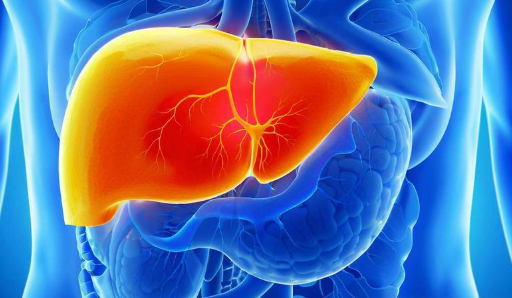
New research has mapped NNMT expression across different organs, showing different patterns of spread that affect the effects of 5-amino-1-mq peptides. Adipose tissue, liver, and skeletal muscle all have high levels of NNMT expression, which makes them important places to study metabolism. Researchers can make studies that are more relevant to certain metabolic situations by understanding these tissue-specific trends. Different reactions in different types of tissue have led to research into bioavailability and delivery methods. Contract research companies that help with drug development understand how these findings affect decisions about formulation development and route of administration. When taking positive results from in vitro experiments and applying them to more complicated experimental models, the peptide's stability data and solubility traits become very important.
Does 5 Amino 1MQ Peptide Redefine Metabolic Modulation?
Precision Targeting of Metabolic Pathways
The 5-amino-1-mq peptide is an example of a move away from broad metabolic stimulation or suppression and toward precise metabolic regulation. Using older methods often had effects on the whole body and didn't target specific pathways very well. NNMT suppression, on the other hand, has a clearer entry point. Pharmaceutical experts like this level of accuracy because it helps them make medicines that are safer and have more predictable pharmacodynamic reactions. By carefully changing one regulatory node, the compound's method lets researchers break down complicated metabolic networks. This skill has been very useful in systems biology, where controlled changes are needed to understand 5 amino 1mq peptide how pathways combine. Research groups that do metabolic flux analysis really benefit from having tools that let them make clean trial designs with few variables that could throw off the results.


Integration into Contemporary Research Frameworks
More and more, modern metabolic research uses more than one type of experiment, ranging from testing molecules in cells to using computer models to make predictions. The 5-amino-1-mq peptide has been successfully moved between these systems, showing uniform activity profiles that prove its usefulness. The fact that it can be used on multiple platforms makes it an even more important study tool in metabolic science. Distributors and suppliers who work with researchers are aware of the growing need for substances that have been used before and have been proven to work in many studies. Competitive prices and reliable cold-chain operations make it possible for labs with a range of budgets to get what they need. Clinics, hospitals, and research centers can find reliable sources for research-grade materials with the help of marketing support and being an approved seller.

Research Focus Areas for 5 Amino 1MQ Peptide Applications
Energy Metabolism and How Mitochondria Work
The main goal of the study is to find out how the 5 amino 1mq peptide affects the bioenergetics of mitochondria and the production of energy in cells. Researchers who looked at oxygen intake rates, ATP synthesis, and metabolic substrate choices found that these things have complex effects on the energy balance of cells. These studies give us the basic information we need to understand the bigger physiological effects. The compound is especially useful for researchers studying mitochondrial dysfunction linked to age and metabolic diseases. Being able to change the amount of NAD+ available by blocking NNMT is a possible way to help that gets to the root reasons instead of just treating the symptoms. Pharmaceutical firms that are looking at mitochondrial targets, such as how safe the compound has been shown to be in study settings.


Metabolic Homeostasis for the Whole Body
Systems-level study looks at how blocking NNMT in certain areas affects metabolic factors that affect the whole body, such as glucose tolerance, insulin sensitivity, and energy use. These combined studies show how molecular processes affect body functions important for metabolic health. Figuring out these connections helps connect results from basic study with real-world uses. Contract development and production companies that help with preliminary research stress how important it is to have scalable synthesis methods and regulatory documentation. Supply chain stability is more and more important as research moves from exploratory studies to official development projects. Established providers that offer full CMC paperwork and legal advice are very helpful during these changes.
Innovations in Metabolic Science Driven by 5 Amino-1MQ Peptide
Advanced Analytical Methodologies
The study of the 5 amino 1mq peptide has led to the creation of more complex chemical 5 amino 1mq peptide methods for figuring out metabolic processes. Researchers have improved methods for measuring internal NAD+ levels, NNMT activity in tissue samples, and the metabolic effects that follow with a level of accuracy that has never been seen before. These improvements in methods help metabolic researchers in general, not just those studying this one chemical. High-resolution metabolomics methods have found metabolic signatures linked to blocking NNMT, showing surprising pathway links. These findings show how focused study tools can shed light on biochemical connections that weren't known before. Compounds that allow for such mechanistic detail are valued by pharmaceutical researchers who are doing target confirmation studies.
Translational Research Bridges
Having a well-studied NNMT inhibitor available for preliminary studies has sped up the development of new ideas in applied research. The 5-amino-1-mq peptide is a proof-of-concept tool that helps researchers decide whether to put more money into studying NNMT as a therapy target. One important thing that research-grade chemicals do is act as a link between basic science and possible clinical uses. Organizations doing pilot studies for new metabolic interventions should use well-known research tools instead of chemicals that haven't been tested. Multiple separate studies using the 5 amino 1mq peptide build a knowledge base that helps with planning experiments and figuring out what the results mean. More and more, collaborative research networks use standard research tools to make it easier for schools to compare and confirm data.
Computational and Systems Biology Integration
Because it is easy to see how NNMT suppression works, the 5-aminomethyl-1-methylguanidine peptide is perfect for computer modeling and systems biology methods. Researchers have added the substance to computer models of how cells use energy, which lets them guess how the metabolic network will react to changes. These advances in computing make it easier to come up with smart combination tactics and find biomarkers of reaction. Combining experimental data from 5 amino 1mq peptide studies with computer models is a good example of how multidisciplinary metabolic research is today. Biotechnology companies that are making their own research tools are looking for compounds that have enough information about them to help with model building and evaluation. This interaction between experimental and computer methods leads to new ideas in metabolic studies.

Conclusion
The fact that 5 amino 1mq peptide has become a well-known study tool shows how metabolic science and precision medicine have come a long way. Its ability to selectively block NNMT gives scientists a strong way to study how cells use energy, keep NAD+ levels stable, and other related metabolic processes. New findings have helped us learn more about how this substance affects the control of metabolism at the molecular, cellular, and system levels. Recent studies on mitochondrial function, fat biology, and whole-body metabolism show that the peptide can be used in a variety of laboratory settings. Studies that used this compound led to new ways of doing things that have improved analytical skills and models for translational research. Well-known study tools like the 5-amino-1-methylquinoline peptide will continue to be important to discovery efforts as metabolic science moves toward more precise treatments. Pharmaceutical firms and university labs that do metabolic research are becoming more and more aware of how important it is to have reliable access to research-grade compounds that come with full quality documentation and technical support. As the number of studies on NNMT and metabolic regulation continues to rise, the 5-amino-1-methylquinoline peptide is likely to remain a key tool for metabolic research.
FAQ
1. What makes 5 amino 1mq peptide particularly valuable for metabolic research applications?
+
-
The substance selectively blocks NNMT and has a well-known mode of action that lets researchers study NAD+ metabolism and how cells control their energy levels. The high purity, full analytical definition, and batch stability of 5 amino 1mq peptide make it perfect for experiments that need to be repeated in cellular assays, tissue studies, and systems biology methods. Pharmaceutical and biotechnology companies demand strict research methods, and thorough technical paperwork makes them possible.
2. How do researchers ensure quality when sourcing 5-amino-1-methylquinoline peptide for scientific studies?
+
-
To make sure the quality is good, choose providers who give full certificates of analysis that include HPLC purity data, mass spectrometry proof, sterility testing, and information on stability. Manufacturing sites that are GMP-certified and have governmental approvals from groups like the US FDA and EU-GMP show that they follow strict quality standards. Suppliers with a good reputation offer three levels of quality control: testing in the plant, verification by an independent QA/QC department, and analysis by a third-party authority. This makes sure that the materials meet the strict requirements for study use.
3. What analytical data should accompany 5 amino 1mq peptide for metabolic research?
+
-
Material suitable for research should have full analytical details, like HPLC chromatograms showing levels of purity, mass spectrometry data proving molecule identification, NMR spectra for structural confirmation, and solubility data in the right solvents. Researchers have all the information they need for designing experiments and meeting regulatory requirements thanks to extra paperwork that covers things like sterility, endotoxin levels, stability under different storage conditions, and proof of analysis from each production batch.

Partner with BLOOM TECH: Your Trusted 5 Amino 1MQ Peptide Supplier
BLOOM TECH is a dependable company that can provide you with 5 amino 1mq peptide. They give research-grade chemicals that meet the strict requirements of pharmaceutical companies, biotechnology companies, and research institutions all over the world. Our GMP-certified facilities (US-FDA, EU-GMP, PMDA qualified) make sure the highest purity levels-above 98%-with full analytical paperwork that includes HPLC and mass spectrometry data. We have more than 12 years of experience in organic synthesis and fine chemical manufacturing. We are a qualified provider for 24 of the world's largest businesses. This shows that we are dedicated to quality, reasonable pricing, clear profit margins, and accurate lead times that we can track through our advanced ERP platform. Whether you need small amounts for research or large-scale production, our skilled R&D team can help you with all the technical support, regulatory advice, and stable supply chain issues you need to move your metabolic research projects forward. Experience the BLOOM TECH difference: strict triple-layer quality control, a variety of packing choices, stability from batch to batch, and full CMC paperwork to help you reach your study goals. Get in touch with our dedicated team right away at Sales@bloomtechz.com to talk about your unique needs and find out how our knowledge can help speed up your metabolic research projects.
References
1. Kraus D, Yang Q, Kong D, et al. Nicotinamide N-methyltransferase knockdown protects against diet-induced obesity. Nature. 2014;508(7495):258-262.
2. Ulanovskaya OA, Zuhl AM, Cravatt BF. NNMT promotes epigenetic remodeling in cancer by creating a metabolic methylation sink. Nature Chemical Biology. 2013;9(5):300-306.
3. Komatsu M, Kanda T, Urai H, et al. NNMT activation can contribute to the development of fatty liver disease by modulating the NAD+ metabolism. Scientific Reports. 2018;8:8637.
4. Roberti A, Fernández AF, Fraga MF. Nicotinamide N-methyltransferase: At the crossroads between cellular metabolism and epigenetic regulation. Molecular Metabolism. 2021;45:101165.
5. Hong S, Moreno-Navarrete JM, Wei X, et al. Nicotinamide N-methyltransferase regulates hepatic nutrient metabolism through Sirt1 protein stabilization. Nature Medicine. 2015;21(8):887-894.
6. Brachs S, Polack J, Brachs M, et al. Genetic nicotinamide N-methyltransferase (Nnmt) deficiency in male mice improves insulin sensitivity in diet-induced obesity but does not affect glucose tolerance. Diabetes. 2019;68(3):527-542.