




Tirzepatide Injection 2.5 mg is a freeze-dried powder formulation for subcutaneous injection, with its active ingredient being Tirzepatide, an innovative dual glucose dependent insulinotropic peptide (GIP) receptor and glucagon like peptide-1 (GLP-1) receptor agonist. The molecular formula of Tilpotide is C225H348N48O68, with a molecular weight of 4813.53 Da. Its chemical structure has been carefully designed to simulate the effects of naturally occurring GIP and GLP-1 hormones in the human body. This formulation is typically provided in the form of a single dose pen or single dose vial, each containing 0.5 mL of solution, with a concentration of 2.5 mg/0.5 mL of tilpotide. In addition, the formulation also contains the following excipients: sodium chloride (4.1 mg), disodium hydrogen phosphate heptahydrate (0.7 mg), and injection water. In order to adjust the pH value of the solution, hydrochloric acid solution and/or sodium hydroxide solution may also be added to ensure that the final solution has a pH value between 6.5 and 7.5, presenting as a colorless to slightly yellow clear liquid.
We not only provide pure powder and capsules, but also other dosage forms. If necessary, please contact our sales team.
Our products


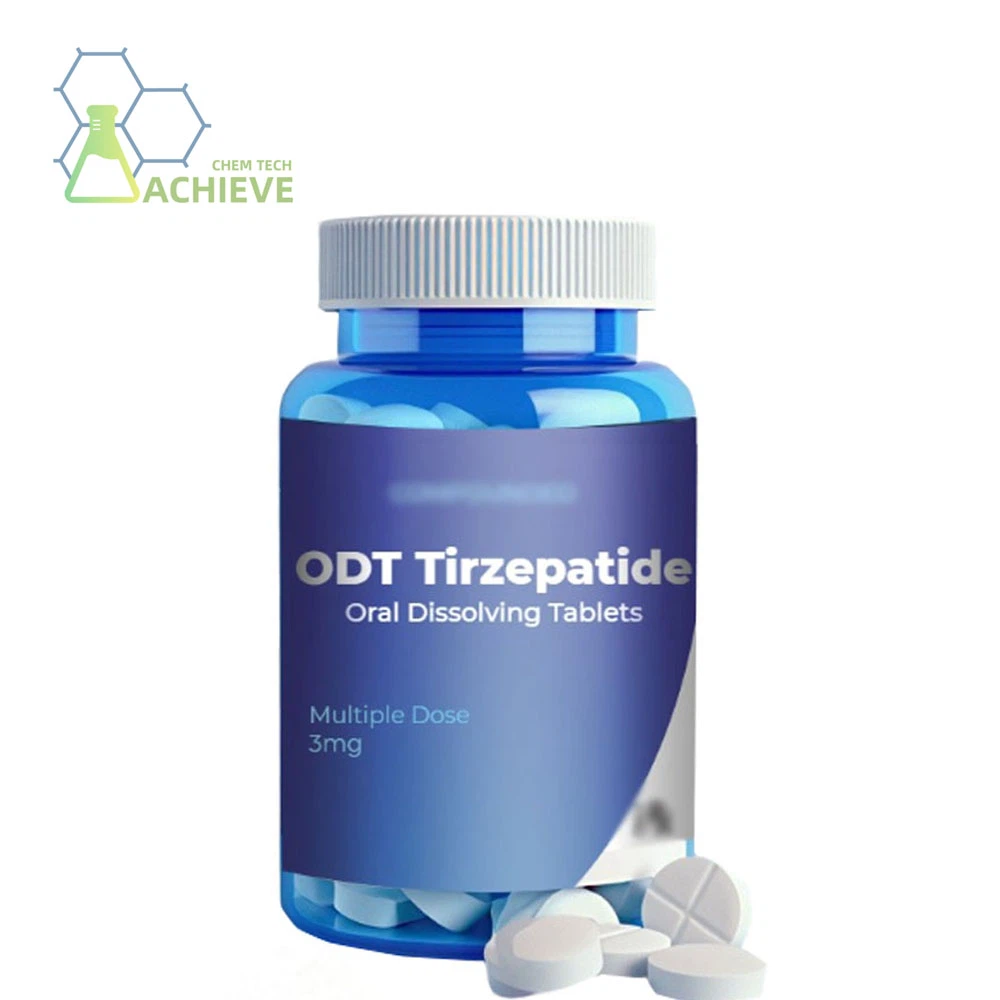
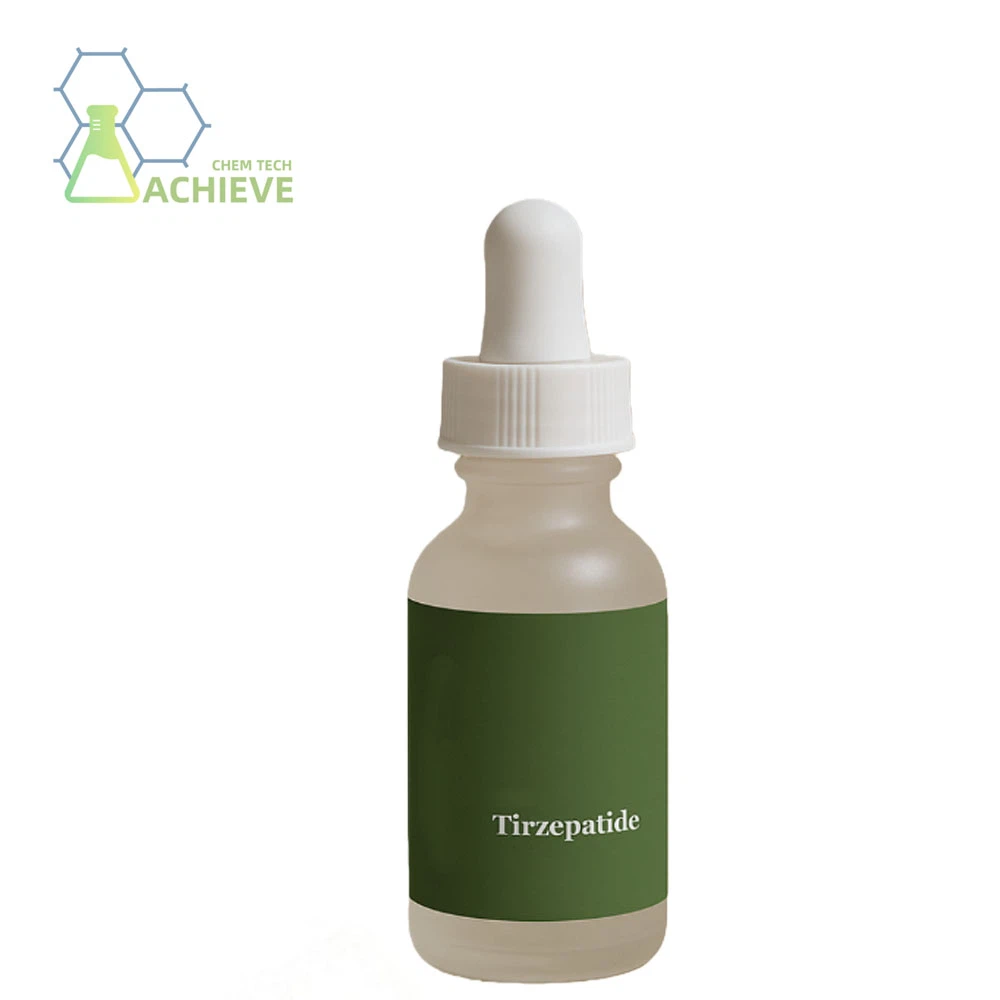
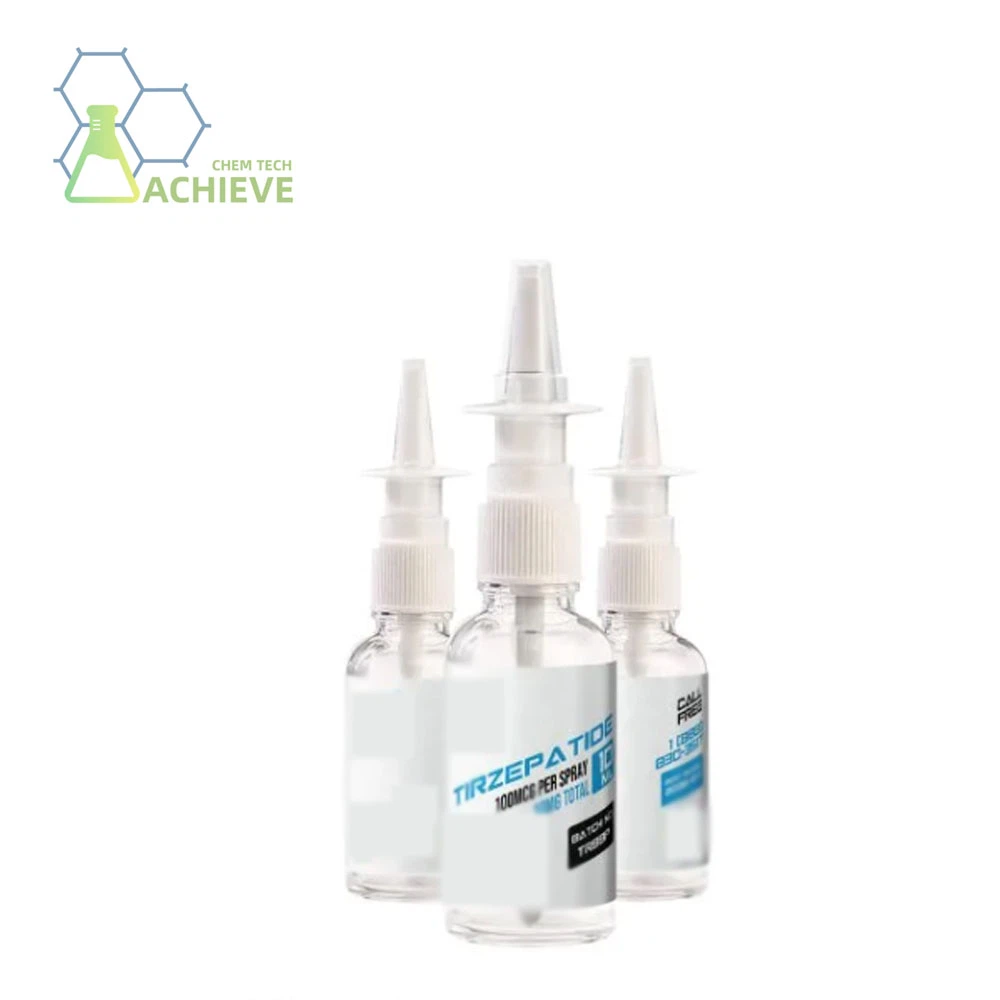



Tirzepatide COA
 |
||
| Certificate of Analysis | ||
| Compound name | Tirzepatide | |
| Grade | Pharmaceutical grade | |
| CAS No. | 2023788-19-2 | |
| Quantity | 15g | |
| Packaging standard | PE bag+Al foil bag | |
| Manufacturer | Shaanxi BLOOM TECH Co., Ltd | |
| Lot No. | 202501090024 | |
| MFG | Jan 9th 2025 | |
| EXP | Jan 8th 2028 | |
| N/A | ||
| Item | Enterprise standard | Analysis result |
| Appearance | White or almost white powder | Conformed |
| Water content | ≤5.0% | 0.36% |
| Loss on drying | ≤1.0% | 0.24% |
| Heavy Metals | Pb≤0.5ppm | N.D. |
| As≤0.5ppm | N.D. | |
| Hg≤0.5ppm | N.D. | |
| Cd≤0.5ppm | N.D. | |
| Purity (HPLC) | ≥99.0% | 99.90% |
| Single impurity | <0.8% | 0.37% |
| Total microbial count | ≤750cfu/g | 80 |
| E. Coli | ≤2MPN/g | N.D. |
| Salmonella | N.D. | N.D. |
| Ethanol (by GC) | ≤5000ppm | 400ppm |
| Storage | Store in a sealed, dark, and dry place below -20°C | |
|
|
||

Potential unique mechanism of Tirzepatide reshaping microbiota
In the field of metabolic disease treatment,Tirzepatide Injection 2.5 Mg, as an innovative drug, is attracting widespread attention for its unique dual receptor activation mechanism and significant clinical effects. It not only shows excellent ability to reduce glucose and weight in the treatment of diabetes and obesity, but also has been found to have a potential role in remodeling the intestinal flora in recent studies. As an important "invisible organ" of the human body, intestinal flora is closely related to metabolic health, and its imbalance is closely related to the occurrence and development of obesity, diabetes, cardiovascular disease and other diseases.
The relationship between gut microbiota and metabolic health
The gut microbiota is a vast and complex microbial ecosystem primarily composed of numerous phyla, including Firmicutes, Bacteroidetes, and Bifidobacterium. These microbial communities perform multiple critical physiological functions in the human body. In terms of nutrient metabolism, the gut microbiota aids in food digestion and absorption, breaking down indigestible dietary fibers and other substances to produce short-chain fatty acids (SCFAs) such as acetate, propionate, and butyrate. These SCFAs serve as vital energy sources for intestinal cells while also regulating host metabolism, influencing fat storage and energy expenditure. Regarding immune regulation, the gut microbiota interacts with the human immune system, helping to train and modulate immune cells, maintaining immune balance, and preventing inflammatory diseases caused by excessive immune responses. Additionally, the gut microbiota plays a key role in maintaining intestinal barrier function by promoting the growth and differentiation of intestinal epithelial cells and enhancing the expression of tight junction proteins, thereby preventing the entry of harmful substances and pathogens into the bloodstream.

Imbalance of gut microbiota and metabolic diseases

When the balance of gut microbiota is disrupted and dysbiosis occurs, it can trigger a series of metabolic disorders, which are closely related to the occurrence and development of various metabolic diseases. In terms of obesity, studies have shown that the composition of gut microbiota in obese patients is significantly different from that of normal weight individuals. The ratio of Firmicutes to Bacteroidetes is imbalanced, and some productive bacteria increase, leading to increased energy absorption. At the same time, the intestinal barrier function is impaired, and endotoxins enter the bloodstream, causing chronic low-grade inflammation and further promoting fat accumulation and insulin resistance. In the field of diabetes, intestinal flora imbalance can interfere with insulin signal transduction and lead to abnormal blood glucose control by affecting bile acid metabolism, production of short chain fatty acids and immune regulation. In addition, dysbiosis of gut microbiota is intricately linked to metabolic related diseases such as cardiovascular disease and non-alcoholic fatty liver disease, becoming an important influencing factor for metabolic health.
The direct mechanism of action of Tirzepatide in reshaping the microbiota
Tirzepatide Injection 2.5 Mg has a direct and significant impact on appetite and metabolism by activating GIP and GLP-1 receptors, indirectly affecting the survival environment of gut microbiota. In terms of appetite regulation, GIP and GLP-1 receptors are widely distributed in the central nervous system, especially in metabolic regulatory regions such as the hypothalamus. After Tirzepatide activates these receptors, it can inhibit energy intake and reduce appetite. On the one hand, it can directly act on the appetite regulation center of the hypothalamus, inhibiting the expression of appetite related neuropeptides (NPY/AgRP), causing the body to feel full and reducing food intake. On the other hand, GIP receptors are also expressed in non neuronal cells in the hypothalamus, such as oligodendrocytes, and work synergistically with GLP-1 receptors to further enhance the appetite suppressing effect. At the same time, central GIP receptor agonists can improve side effects such as nausea and vomiting caused by GLP-1 receptor activation, increase patient tolerance to drugs, and more effectively achieve appetite suppression.


In terms of metabolic regulation, Tirzepatide activation of receptors can improve insulin sensitivity, promote glucose uptake and utilization, and lower blood glucose levels. It promotes insulin secretion in the first and second phases in a glucose concentration dependent manner, enhances pancreatic beta cell function, while reducing glucagon levels and regulating glucose and lipid metabolism. This metabolic improvement creates a healthier living environment for the gut microbiota, reducing the negative impact of metabolic disorders such as high blood sugar and high blood lipids on the gut microbiota, and promoting the growth and reproduction of beneficial bacteria.
Bile acids play a crucial role in the interaction between gut microbiota and hosts, and Tirzepatide can affect gut microbiota by regulating bile acid metabolism. Bile acids are synthesized by the liver and play various physiological functions in the intestine, including promoting fat digestion and absorption, regulating gut microbiota composition, and so on. After Tirzepatide activates GLP-1 and GIP receptors, it can promote the activation of farnesol X receptor (FXR). FXR is a nuclear receptor that plays an important regulatory role in bile acid metabolism, lipid metabolism, and glucose metabolism. After activating FXR, it can regulate the synthesis, secretion, and reabsorption of bile acids, and change the pool composition of bile acids in the intestine.


Different bile acids have varying effects on gut microbiota. Some bile acids have antibacterial effects and can inhibit the growth of harmful bacteria; And other bile acids can act as signaling molecules to regulate the metabolism and growth of beneficial bacteria. Tirzepatide regulates bile acid metabolism to shift the bile acid pool in the gut towards beneficial bacterial growth, such as increasing the proportion of bile acids with antibacterial activity, inhibiting the colonization and reproduction of pathogenic bacteria, and promoting the growth of beneficial metabolites such as short chain fatty acids, thereby reshaping the gut microbiota structure.
The indirect mechanism of Tirzepatide reshaping the microbiota

Improve the correlation between metabolic indicators and microbiota
Tirzepatide has shown significant improvement in metabolic indicators in clinical trials, which are closely related to changes in gut microbiota. Taking the SURMUNT-1 study as an example, the study evaluated adults who were obese or overweight and had at least one weight related disease. The results showed that patients who received the highest dose of Tirzepatide (15 mg) lost an average of 20.9% (about 24 kg) of weight within 72 weeks, while metabolic indicators such as blood glucose and blood lipids also improved significantly. In the study of diabetes nephropathy model in mice, Tirzepatide intervention reduced the serum creatinine (Cr) concentration, decreased the urinary protein/creatinine ratio (ACR), and significantly improved renal function.
Further research has found that the improvement of these metabolic indicators is significantly positively correlated with changes in gut microbiota. For example, there is a dose-dependent relationship between the abundance of Clostridium sensu stricto 1 and the decrease in serum creatinine concentration and urine protein/creatinine ratio. When its abundance increases by 2.8 times, related renal function indicators improve significantly. As a result, the abundance of pathogens such as the genus Erysipelatoclostridium decreased by 64.5%, and it was significantly positively correlated with inflammatory markers ALT, AST, and dyslipidemia markers TC and TG. This indicates that Tirzepatide creates a healthier internal environment for the gut microbiota by improving metabolic indicators, promoting the growth of beneficial bacteria and inhibiting the proliferation of harmful bacteria, thereby achieving the reshaping of the gut microbiota.


Enhance intestinal barrier function
The intestinal barrier function plays a crucial role in maintaining the balance of gut microbiota, preventing harmful substances and pathogens from entering the bloodstream and protecting the body from harm. Tirzepatide can enhance intestinal barrier function through multiple pathways. In the study of diabetes nephropathy mouse model, the expression level of intestinal tight junction protein (ZO-1) in the intervention group mice increased 1.8 times, and the index returned to the baseline level after the removal of the flora, which fully confirmed the close relationship between the integrity of the intestinal barrier and the intestinal flora, as well as the role of Tirzepatide in enhancing the intestinal barrier function.
Tirzepatide Injection 2.5 Mg may enhance intestinal barrier function by regulating immune response, promoting intestinal epithelial cell growth and differentiation, and other mechanisms. After activating GIP and GLP-1 receptors, it can regulate the activity and distribution of immune cells, reduce intestinal inflammatory responses, and thus alleviate the damage of inflammation to the intestinal barrier. At the same time, it promotes the proliferation and differentiation of intestinal epithelial cells, increases the expression of tight junction proteins, and makes the connections between intestinal epithelial cells tighter, effectively preventing the infiltration of harmful substances. The enhancement of intestinal barrier function further maintains the balance of intestinal microbiota, preventing harmful bacteria and their metabolites from entering the bloodstream and causing systemic inflammatory reactions, forming a virtuous cycle and jointly promoting metabolic health.

Frequently Asked Questions
Is tirzepatide the same as Ozempic?
+
-
Tirzepatide (Tirzepatide) and semaglutide (Ozempic) do have notable differences. While prescribed for the same conditions and offering many of the same benefits, they are ultimately different drugs. Some of the differences include: Tirzepatide targets two hormones while Ozempic only targets one.
What are the drawbacks of tirzepatide?
+
-
This medicine may cause some people to be agitated, irritable, or display other abnormal behaviors. It may also cause some people to have suicidal thoughts and tendencies or to become more depressed.
Can you take tirzepatide to lose weight?
+
-
Yes, tirzepatide is FDA approved for chronic weight management in adults. You may qualify for tirzepatide for weight loss if: You are considered obese. You are considered overweight and you have one or more weight-related health conditions, such as Type 2 diabetes or high cholesterol.
Hot Tags: tirzepatide injection 2.5 mg, China tirzepatide injection 2.5 mg manufacturers, suppliers, Tirzepatide Oral Drops, hgh fragment 176 191 peptide, Semaglutide Gummies, AOD 9604 Powder, AOD 9604 Injection, ghrp 6 tablets


