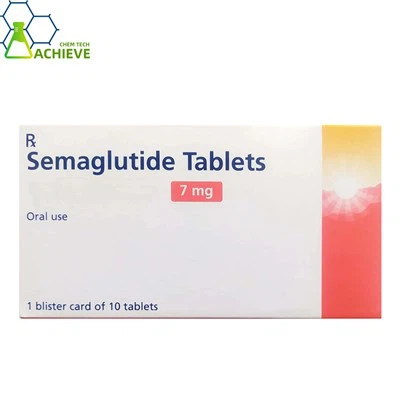
Semaglutide Peptide Injection is a novel peptide injection drug, with GLP-1 (glucagon-like peptide-1) analog as its core component. It mimics the natural intestinal insulin hormone in the human body and promotes insulin secretion and inhibits glucagon release in a glucose concentration-dependent manner. It can effectively delay gastric emptying, reduce appetite and eating urges. Clinically, it is mainly used to treat adult type 2 diabetes and as an auxiliary means for low-calorie diet and increased exercise, for long-term weight management. The drug is usually injected subcutaneously once a week and has a long-lasting effect. Common adverse reactions include gastrointestinal symptoms such as nausea, vomiting, and diarrhea, which usually subside with the continuation of treatment. During use, it is necessary to be aware of the possible risks such as pancreatitis, gallbladder diseases, and diabetic retinopathy, and it must be used under the guidance of a doctor. The dosage and purpose cannot be adjusted by oneself.
Our products form




Semaglutide COA

Relieve chronic inflammation
Semaglutide peptide injection (a long-acting glucagon-like peptide-1 (GLP-1) receptor agonist) was initially used to treat type 2 diabetes and obesity. However, in recent years, its potential in alleviating chronic inflammation has gradually emerged. Chronic inflammation is a core driving factor for various lifestyle-related diseases, including cardiovascular diseases, diabetes, arthritis, neurodegenerative diseases, and so on. Semaglutide inhibits inflammatory responses through multiple pathways, providing new ideas for the treatment of these diseases.
The anti-inflammatory mechanism of Semaglutide
Semaglutide exerts its anti-inflammatory effect by activating the GLP-1 receptor, triggering intracellular signal transduction changes. The specific mechanisms include:
Inhibiting the release of pro-inflammatory cytokines: Semaglutide can reduce the levels of pro-inflammatory factors such as tumor necrosis factor-α (TNF-α), interleukin-6 (IL-6), and C-reactive protein (CRP). These factors significantly increase in obesity, diabetes, and cardiovascular diseases, and are important markers of the inflammatory response.
Regulating the function of immune cells: Semaglutide can alter the behavior of immune cells such as microglia and macrophages, promoting their transition from an inflammatory state to an anti-inflammatory state. For example, in Alzheimer's disease models, Semaglutide reduces the release of harmful inflammatory substances by microglia and increases the production of anti-inflammatory molecules.
Inhibiting oxidative stress: Chronic inflammation is often accompanied by oxidative stress responses, leading to cell damage. Semaglutide can lower the level of reactive oxygen species (ROS), alleviate oxidative damage, and protect cells from inflammatory damage.
Improving metabolic disorders: Metabolic diseases such as obesity and diabetes are closely related to chronic inflammation. Semaglutide reduces inflammation indirectly by reducing weight, improving insulin resistance, and controlling blood sugar. For example, in obese patients, Semaglutide treatment significantly reduces CRP levels, and the weight loss is positively correlated with the reduction in CRP.
Application of Semaglutide in Chronic Inflammation-related Diseases

Cardiovascular diseases
Chronic inflammation is an important driving factor for atherosclerosis. Semaglutide reduces inflammatory mediators such as IL-6, TNF-α, and CRP, reducing vascular inflammation and the risk of thrombosis. Clinical trials have shown that Semaglutide can reduce the risk of major adverse cardiovascular events (such as myocardial infarction, stroke) and improve the symptoms of patients with heart failure.
Osteoarthritis
Obesity is an important risk factor for osteoarthritis, and weight gain exacerbates joint burden and inflammatory responses. Semaglutide reduces pain in knee osteoarthritis through weight loss and anti-inflammatory effects. A study found that after 68 weeks of treatment, patients lost an average of 13.7% of their weight, had a pain score reduction of 41.7 points, and showed significant improvement in daily life functions.


Neurodegenerative diseases
Chronic neuroinflammation is a key factor in the progression of diseases such as Alzheimer's disease and Parkinson's disease. Semaglutide can penetrate the blood-brain barrier, inhibit microglial cell activation, and reduce the levels of inflammatory factors in the brain. Animal experiments have shown that Semaglutide can reduce the accumulation of amyloid plaques and tau protein tangles in the brains of Alzheimer's disease model mice and improve cognitive function.
Non-alcoholic fatty liver disease (NAFLD)
NAFLD is closely related to obesity and metabolic syndrome, and inflammation plays an important role in the progression of the disease. Semaglutide can lower liver enzyme levels, improve lipid metabolism, and reduce liver fat content in NAFLD patients.

Clinical Evidence of Semaglutide's Anti-inflammatory Effects
Multiple clinical trials have confirmed the anti-inflammatory effects of Semaglutide:
STEP Series Study
In patients with overweight/obesity, Semaglutide treatment significantly reduced CRP levels, and the greater the weight loss, the more significant the reduction in CRP. For example, in the STEP 1 trial, the Semaglutide 2.4 mg group showed a 44% reduction in CRP at the 68th week, while the placebo group only showed a 4% reduction.
Cardiovascular Outcome Trial
In the SELECT trial, Semaglutide treatment reduced the risk of major adverse cardiovascular events by 20%, and CRP levels were significantly reduced.
Osteoarthritis Study
In obese patients with knee osteoarthritis, Semaglutide treatment significantly relieved pain, and the improvement in pain was correlated with weight loss and reduction in inflammatory markers.
Improve symptoms of heart failure
Significantly Improving Symptoms and Quality of Life Related to Heart Failure
Semaglutide peptide injection, as a GLP-1 receptor agonist, demonstrates remarkable efficacy in the treatment of heart failure (particularly heart failure with preserved ejection fraction, HFpEF). Multiple clinical trials have shown that Semaglutide can significantly alleviate the symptoms of patients with heart failure, including shortness of breath, fatigue during exercise, and physical limitations.
Improvement in KCCQ-CSS score
The Kansas City Cardiomyopathy Questionnaire Clinical Summary Score (KCCQ-CSS) is an important indicator for measuring the symptoms and physical limitations of patients with heart failure. In the STEP-HFpEF trial, patients treated with Semaglutide had an average increase of 13.7 points in the KCCQ-CSS score at the 52nd week, while the placebo group only increased by 6.4 points. This difference was statistically significant and clinically meaningful, indicating that Semaglutide can significantly improve the quality of life of patients.
The comprehensiveness of symptom improvement
Semaglutide not only improves the overall symptoms of patients with heart failure, but also significantly alleviates specific symptoms such as shortness of breath and exercise fatigue. Patients feel more relaxed during daily activities and their exercise endurance is enhanced.
Effectively reduces weight and reduces cardiac burden
Obesity is one of the important risk factors for heart failure, increasing the burden on the heart and accelerating the progression of the disease. Semaglutide effectively reduces the patient's weight by reducing hunger and lowering calorie intake, thereby reducing the burden on the heart.

Significant weight loss effect
In the STEP-HFpEF trial, patients treated with Semaglutide experienced an average weight reduction of 9.8%, while the placebo group only saw a 3.4% reduction. This result confirmed the effectiveness of Semaglutide in promoting weight loss in obese patients.
Correlation between weight loss and symptom improvement
Studies have shown that the weight loss mediated by Semaglutide is closely related to the improvement of heart failure symptoms. Patients with a greater weight loss had more significant improvement in heart failure-related symptoms.

Improving motor function and enhancing daily activity ability
Heart failure patients often limit their daily activities due to decreased exercise tolerance. Semaglutide peptide injection significantly improves patients' motor function by enhancing cardiac function and reducing weight.
6-minute walking distance increase
In the STEP-HFpEF trial, patients treated with Semaglutide had an average increase of 14.3 meters in the 6-minute walking test, while the placebo group only increased by 1.2 meters. This result indicates that Semaglutide can significantly enhance the patients' exercise endurance.


Improvement in daily activity ability
With the improvement of motor function, the daily activity ability of patients with heart failure also improves. They can complete daily tasks such as shopping and doing housework more easily, and their quality of life is significantly enhanced.
Reducing inflammatory response and protecting heart health
Chronic inflammation is an important driving factor for the occurrence and progression of heart failure. Semaglutide reduces inflammatory responses to protect heart health and reduces the risk of deterioration of heart failure.
Decrease in C-reactive protein level: C-reactive protein (CRP) is an important marker of inflammatory response. In the STEP-HFpEF trial, the average CRP level of patients treated with Semaglutide decreased by 42.0%, while the placebo group only decreased by 12.8%. This result indicates that Semaglutide can significantly reduce the inflammatory response of patients.
Inflammation reduction and heart protection: The reduction of inflammatory response helps alleviate heart damage and protect heart function. Semaglutide provides additional heart protection for patients with heart failure by reducing the inflammatory response.

Good safety and excellent tolerance
In multiple clinical trials, Semaglutide has shown good safety and tolerance. Compared with the placebo, the risk of serious adverse events in the Semaglutide group is lower, and most adverse events are mild to moderate and transient gastrointestinal reactions (such as nausea, vomiting, diarrhea, etc.). These reactions usually gradually subside with the prolongation of treatment time and do not affect the long-term treatment compliance of patients.
FAQ
1. What does the semaglutide peptide do?
Semaglutide is a glucagon-like peptide-1 receptor agonist that works by mimicking the effects of incretin hormones in the body. Incretin hormones help regulate blood sugar levels and play a role in controlling appetite and food intake.
2. How often should I inject semaglutide peptide?
It is injected once a week with or without food. Use semaglutide injection on the same day each week at any time of day. You may change the day of the week that you use semaglutide as long as it has been 2 or more days since you used your last dose.
3. Is peptide semaglutide safe?
However, semaglutide therapy is also associated with concerning adverse effects like acute pancreatitis, anesthetic risks like pulmonary aspiration or residual gastric content, acute kidney injury, acute gallbladder injury, nonarteritic anterior ischemic optic neuropathy and diabetic retinopathy.
Hot Tags: semaglutide peptide injection, China semaglutide peptide injection manufacturers, suppliers, Tirzepatide Oral Drops, hgh fragment 176 191 peptide, Semaglutide Gummies, AOD 9604 Powder, AOD 9604 Injection, ghrp 6 tablets