


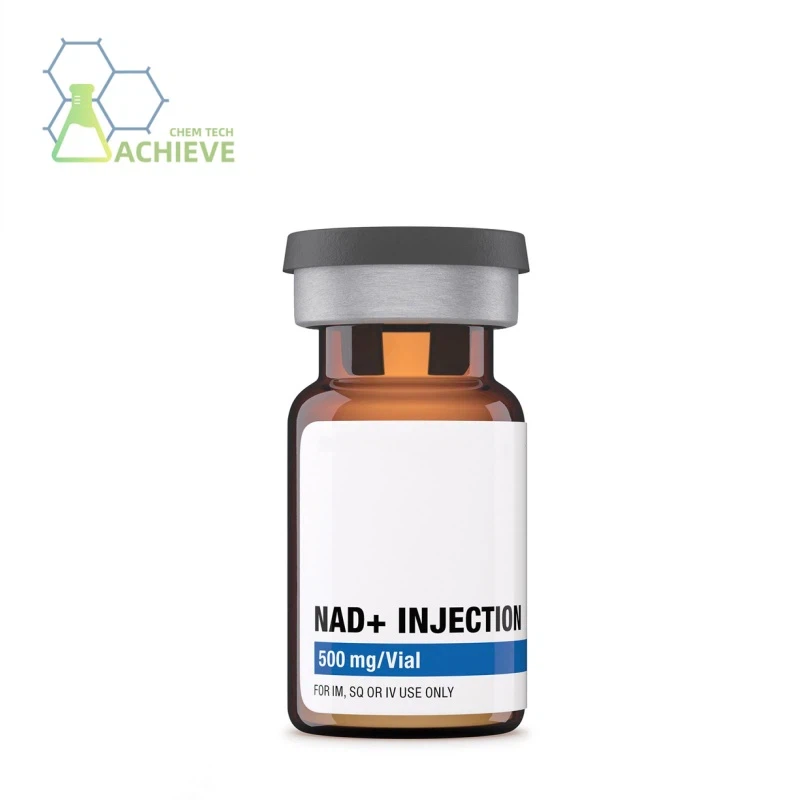
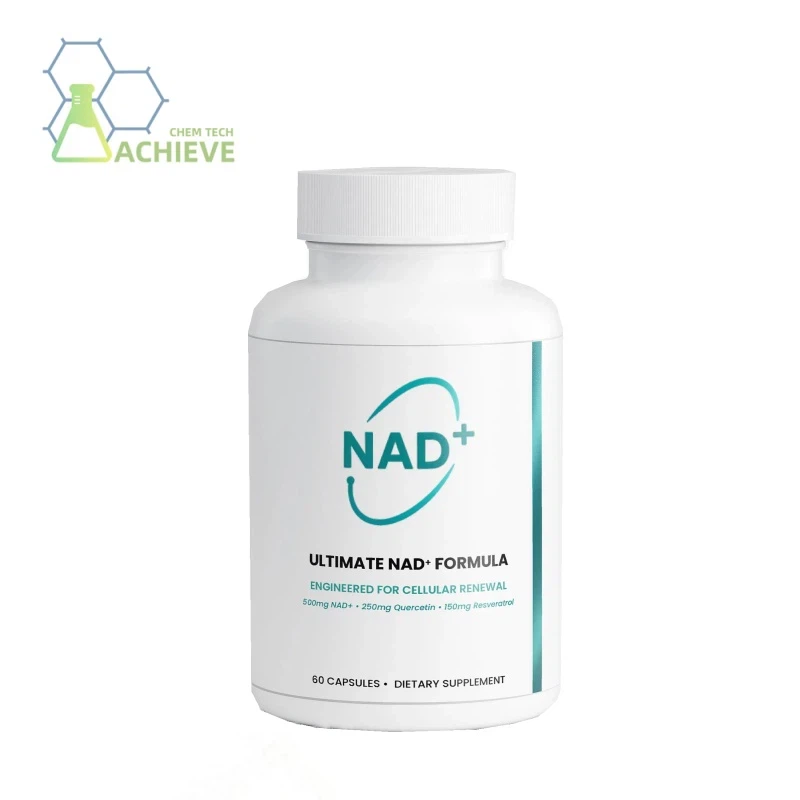
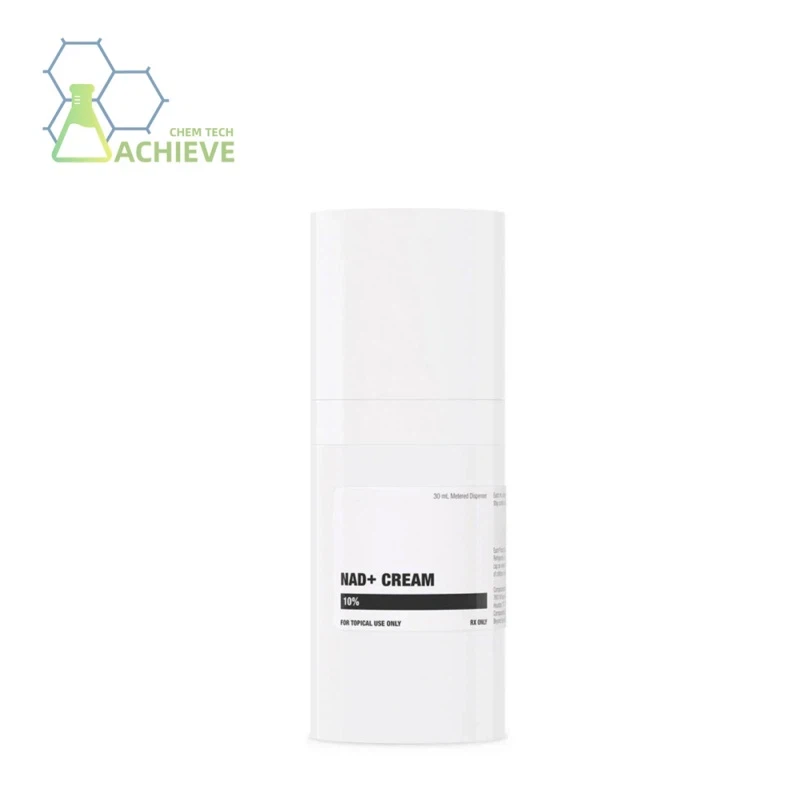
Amid the wave of anti-aging and health management, NAD+ (nicotinamide adenine dinucleotide) has emerged as a global focal point in both scientific research and consumer markets due to its pivotal role as a core coenzyme in cellular energy metabolism. Yet, what remains largely undiscovered is that the trillions of microorganisms residing within the human gut are quietly constructing an "invisible metabolic factory." Through a sophisticated network of enzymatic reactions, they elevate NAD synthesis efficiency to unprecedented levels. This metabolic dialogue between the gut microbiome and host cells not only reveals the underlying mechanisms of aging, metabolic diseases, and immune dysregulation but also pioneers a novel pathway for precision anti-aging through microbial regulation. NAD+ tablets aim to elevate NAD levels in the body by supplementing NAD or its precursors (such as NR and NMN), thereby exerting anti-aging effects, boosting energy, and promoting cellular repair.
Best Selling




Certificate
Microbiome Metabolism
As the human body's second genome, the gut microbiome's metabolic activities extend far beyond simple nutrient breakdown. A 2025 Nature Metabolism study using stable isotope labeling revealed that orally ingested NAD precursors (e.g., NMN, NR) are not directly absorbed by the small intestine. Instead, they enter the colon where they are broken down by microbiota into nicotinic acid (NA), which is then converted into NAD via the liver's Preiss-Handler pathway. This process reveals the core role of microbiota in NAD metabolism: they act both as "processors" of precursors and "regulators" of the synthesis pathway.
Microbial-Driven Multi-Pathway Synergy
NAD synthesis relies on three primary pathways: de novo synthesis from tryptophan, the Preiss-Handler pathway from nicotinic acid (NA), and the salvage pathway from nicotinamide (NAM). The gut microbiota profoundly contributes through:
Precursor conversion: Dominant phyla like Bacteroidetes secrete nicotinamide reductase (PncA), converting NAM to NA and activating the Preiss-Handler pathway; Firmicutes produce short-chain fatty acids (SCFAs) like butyrate by degrading dietary fiber, enhancing NAMPT enzyme activity (the rate-limiting enzyme in the salvage pathway) and accelerating NMN conversion to NAD.
Genetic Synergy: Microbial genomes are rich in genes encoding NAD synthesis enzymes. For example, Akkermansia muciniphila possesses three times the abundance of NAM deamidase genes compared to other strains, making it a key "factory" for NAM conversion.
Efficiency Variations in Microbiome Diversity
Individual microbiome composition directly impacts NAD synthesis efficiency. A 2025 Harvard clinical study revealed:
Youthful Microbiome (Akkermansia >0.1%, Bifidobacteria >5%): NAMPT enzyme activity doubled compared to peers, with NMN absorption rate increasing by 200%;
Inflammatory-type microbiota (Proteobacteria >10%): Serum NAD concentration decreased by 42%, with NMN supplementation yielding only 1/5 the effect observed in balanced microbiota individuals;
Synthesis-deficient microbiota: Individuals with NAMPT gene abundance 20% below average require supplemental nicotinic acid (NA) to activate the Preiss-Handler pathway.
This variation explains why identical doses of NAD supplements yield vastly different outcomes across populations. For instance, a 50-year-old healthy woman achieved a 60% NAD increase after NMN supplementation, while an obese male of the same age saw only a 15% rise due to dysbiosis-underscoring the necessity of microbiome testing for personalized interventions.
Microbiota Balance
The dynamic equilibrium of NAD depends not only on synthesis efficiency but is also constrained by consumption rates. The gut microbiota precisely regulates this process through a dual mechanism:
Suppressing Inflammatory Consumption
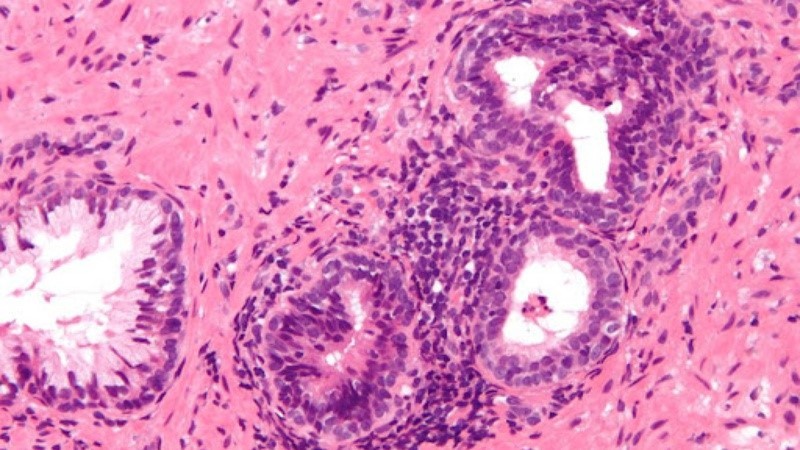
Chronic inflammation is NAD's primary killer. When microbiota imbalance occurs, endotoxins (LPS) released by pathogens like Fusobacterium nucleatum activate the CD38 enzyme on immune cell surfaces. This enzyme degrades 5% of cellular NAD per hour, causing levels to drop by 40% within 24 hours. Conversely, probiotics like Lactobacillus inhibit pathogen proliferation by secreting antimicrobial peptides while promoting regulatory T cell (Treg) differentiation. This reduces secretion of inflammatory factors (e.g., TNF-α, IL-6), decreasing CD38 activity by 65% and significantly curbing NAD wastage.
Optimizing Energy Allocation
Microbiome metabolites directly influence cellular NAD localization. Short-chain fatty acids (SCFAs) like butyrate activate histone deacetylase (HDAC) inhibitors, promoting NAD-dependent SIRT1 protein binding to mitochondrial uncoupling protein (UCP1). This redirects energy toward thermogenesis rather than ATP synthesis. This mechanism is particularly pronounced in obese mice: butyrate supplementation increased NAD utilization in brown adipose tissue by 40%, elevated basal metabolic rate by 15%, and slowed weight gain by 30%.

Microbiome Intervention
Based on the symbiotic relationship between the microbiome and NAD+, scientists have proposed a "trinity" anti-aging model: microbiome regulation as the foundation, precursor supplementation as the core, and inflammation inhibition as the shield. This strategy maximizes NAD+ bioavailability through multi-targeted synergy.

Dietary Intervention: High-Fiber and Fermented Foods
Dietary fiber serves as the "energy currency" for the microbiome. Adults consuming 25-30g of dietary fiber daily (e.g., whole grains, legumes, vegetables) promote the proliferation of butyrate-producing bacteria like Bifidobacterium and Roseburia, enhancing NAMPT enzyme activity. Fermented foods (e.g., yogurt, kimchi) directly optimize microbiome structure by introducing probiotics. For instance, daily consumption of 100g yogurt containing Bifidobacterium increases gut diversity index by 15% and boosts NAD+ synthesis efficiency by 30%.
Prebiotics and Probiotics: Targeted Supplementation
For individuals with microbial deficiencies, customized prebiotics (e.g., inulin, fructooligosaccharides) selectively promote growth of beneficial bacteria. For instance, supplementing inulin to individuals with low NAMPT enzyme activity can restore enzyme function to normal levels within 4 weeks, boosting NMN absorption by 50%. Probiotic combination therapies (e.g., Lactobacillus + Bifidobacterium) further enhance NAD+ synthesis through microbial synergy. Clinical data shows that combined probiotic supplementation elevates NAD+ levels by 40% compared to single precursor supplementation.

Microbiome Transplantation: The Ultimate Solution for Extreme Imbalances
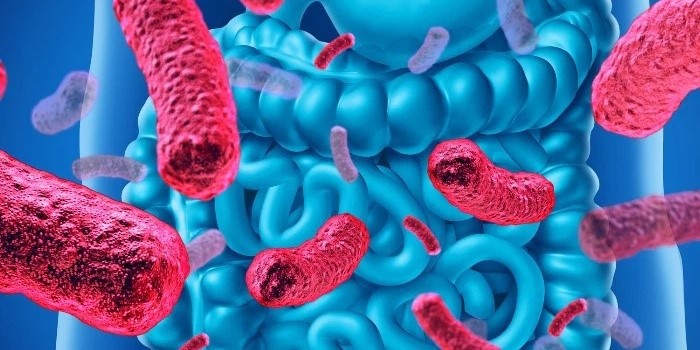
For individuals with severe microbiome disruption (e.g., inflammatory bowel disease, post-antibiotic abuse), fecal microbiota transplantation (FMT) rapidly rebuilds the NAD+ synthesis network. A 2025 Cell Metabolism study confirmed that transplanting microbiota from healthy donors into germ-free mice tripled their NAD+ levels post-transplant and restored hepatic NAMPT enzyme activity to normal. In human trials, combining FMT with NMN supplementation accelerated improvements in aging-related markers (e.g., telomere length, mitochondrial function) by 60%.
A Precision Anti-Aging Strategy Based on Gut Microbiota
Symbiotic Metabolic Network Between Microbiota and NAD+
As the body's "invisible metabolic factory," the gut microbiota profoundly participates in NAD+ synthesis and regulation through the following pathways:
Precursor Conversion: Dominant phyla like Bacteroidetes and Firmicutes secrete nicotinamide reductase (PncA), converting nicotinamide (NAM) into nicotinic acid (NA) to activate the liver's Preiss-Handler pathway. Simultaneously, they break down dietary fiber to produce short-chain fatty acids (SCFAs), enhancing NAMPT enzyme activity and accelerating NMN conversion into NAD+.
Genetic Synergy: The abundance of NAD+ synthesis-related enzyme genes (e.g., NAM deamidase genes) in the microbial genome directly impacts synthesis efficiency. For instance, the NAM deamidase gene abundance in Akkermansia muciniphila is three times higher than in other strains, making it a key "factory" for NAM conversion.
Consumption Regulation: Probiotics suppress the release of endotoxins (LPS) by pathogens like Fusobacterium nucleatum, thereby reducing CD38 enzyme activity in immune cells and minimizing NAD+ wastage. Concurrently, they promote regulatory T cell (Treg) differentiation and decrease secretion of inflammatory cytokines (e.g., TNF-α, IL-6), further safeguarding NAD+ reserves.
The Necessity of Personalized Intervention
Individual microbiome composition directly influences the response to NAD+ supplementation:
Youthful Microbiome (Ackermannia >0.1%, Bifidobacteria >5%): High NAMPT enzyme activity boosts NMN absorption by 200%;
Inflammatory Microbiota (Proteobacteria >10%): Serum NAD+ concentration decreases by 42%, with NMN supplementation efficacy reaching only 1/5 of balanced microbiota individuals;
Synthetic Deficiency Microbiota: Individuals with NAMPT enzyme gene abundance below 20% of the mean require supplemental nicotinic acid (NA) to activate the Preiss-Handler pathway.
For example, a 50-year-old healthy woman achieved a 60% increase in NAD+ levels after NMN supplementation, while an obese male of the same age saw only a 15% increase due to dysbiosis, highlighting the necessity of microbiome testing for personalized interventions.
Personalized Intervention Strategy
Through 16S rRNA sequencing, analyze microbial age, inflammation indices, and synthetic potential to identify key dysbiosis (e.g., excessive Proteobacteria dominance, lack of butyrate-producing bacteria). For instance, Japan's Reproductive Medicine Center discovered via microbiome testing that 70% of women with recurrent implantation failure exhibited dual issues of diminished mitochondrial function and dysbiosis.
Tiered Intervention Protocol Design
Basic Protocol: Younger individuals with mild issues receive oral NAD+ precursors (e.g., 80mg daily sublingual tablets) combined with high-fiber diets (25-30g daily) to promote butyrate-producing bacteria proliferation.
Enhanced Protocol: For advanced age or significant mitochondrial decline, combine intravenous infusion (e.g., 250mg biweekly) to rapidly elevate NAD+ levels, alongside probiotic supplementation (e.g., Lactobacillus LGG strain) to suppress pathogenic bacteria;
Precision Medicine: For recurrent failure cases, combine NAD+ with anti-inflammatory nutrients (e.g., omega-3 fatty acids) and detoxifying agents (e.g., glutathione) to optimize the reproductive microenvironment through multi-targeted approaches.
Dynamic Monitoring and Protocol Adjustment
Conduct secondary microbiome testing every 2-3 months to observe changes in NAMPT enzyme activity, NAM conversion rate, and other indicators, validating intervention efficacy. For example, a 37-year-old woman who experienced three failed embryo transfers achieved increased oocyte retrieval and improved blastocyst formation rates after three months of combined NAD+ intervention (sublingual freeze-dried tablets + intravenous infusion), ultimately resulting in a successful pregnancy. Her microbiome analysis revealed a 40% increase in butyrate-producing bacteria abundance.
Frequently Asked Questions
When to take NAD tablets?
+
-
Take NAD+ supplements in the morning for energy and metabolic support, as it aligns with your body's natural energy peak, but taking it any time works if you're consistent, with afternoon possible for energy slumps; consistency is key, and always follow product label instructions, ideally with a healthcare provider's guidance.
What are NAD tablets used for?
+
-
NAD may improve cardiovascular health and muscle function in older adults. You may use NAD supplements to help with metabolic health, including blood sugar and cholesterol levels.
What should you not mix with NAD?
+
-
NAD+ supplements can affect how insulin and blood sugar-lowering medications work. Do not mix NAD+ with blood pressure drugs, which can enhance their effects and cause low blood pressure. Taking NAD+ supplements with cancer treatments can interfere with their effectiveness.
Hot Tags: nad+ tablet, China nad+ tablet manufacturers, suppliers, Botulinum Toxin Injection 100iu, Nad Capsule, Nad Peptide Injection, Nad Tablet, BPC 157 Peptide Cream, BPC 157 Peptide Capsules


