




Hexarelin Powder is a highly pure, freeze-dried synthetic peptide powder, presenting as a white, fine powder in its acetate form. It exhibits excellent chemical stability and solubility, and can be rapidly reconstituted with sterile or bacteriostatic water, suitable for various applications in scientific research.Compared with other similar peptide powders, it has the advantage of low desensitization and maintains high potency even after repeated administration.
It binds strongly to growth hormone secretagogue receptors, stimulates pulsatile release of endogenous growth hormone, and exerts multiple effects including cardioprotection and metabolic regulation.Manufactured via freeze-drying technology, the powder does not require refrigeration during transportation, and short-term temperature fluctuations do not affect its quality. Long-term storage in a low-temperature environment effectively prevents deliquescence and maximally preserves its biological activity.
Our Products Form

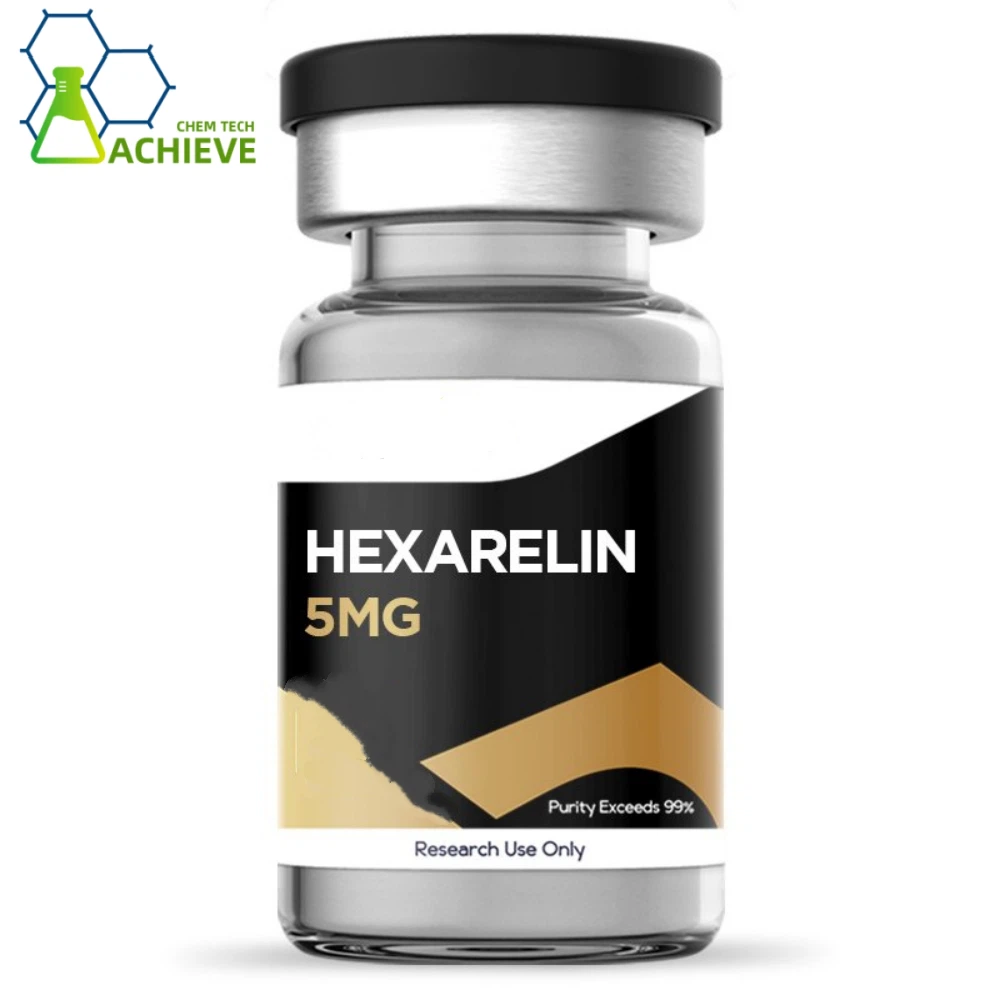
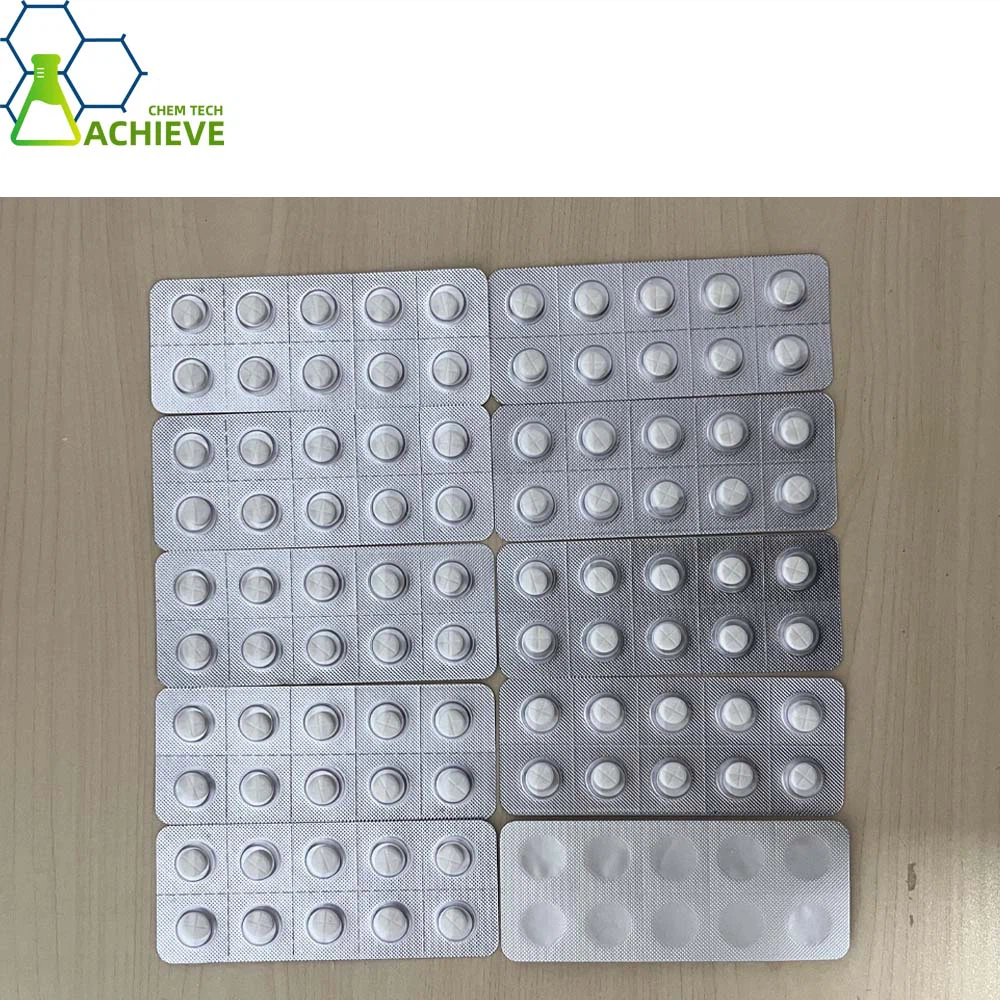

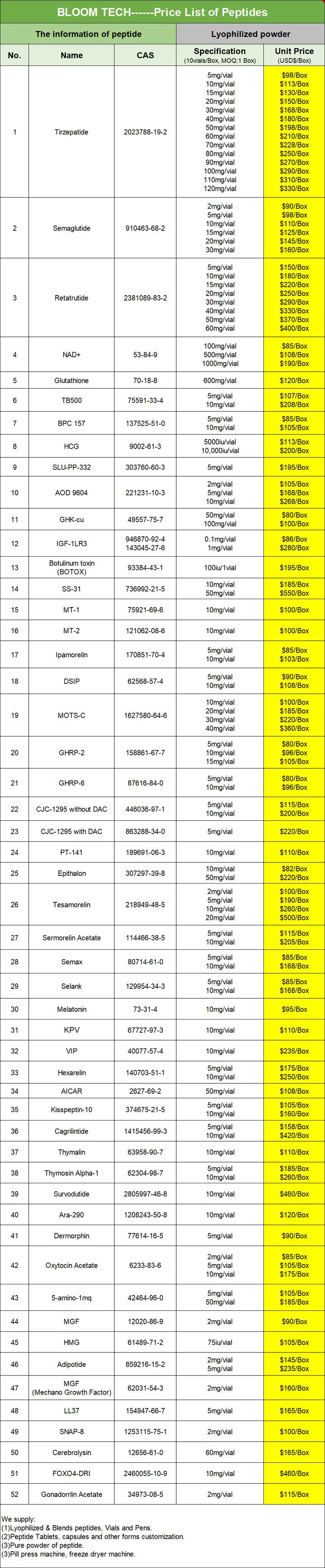


Hexarelin COA


I. Core Mechanisms of Cardioprotection by The product
Direct Cardiomyocyte Protection Mediated by Target Receptors
Hexarelin Powder highly selectively binds to growth hormone secretagogue receptors (GHS‑R1a) on cardiomyocyte membranes, bypassing the traditional growth hormone axis and directly activating endogenous myocardial protective signaling.
This receptor is expressed on cardiomyocytes, vascular endothelial cells, and smooth muscle cells. Upon activation, it rapidly regulates calcium homeostasis, inhibits oxidative stress, and blocks apoptotic pathways. Compared with other GHRPs, it shows higher affinity for GHS‑R1a and slower desensitization, enabling cardioprotection at lower doses and with longer duration. This is also key to its stable efficacy after reconstitution.


Maintenance of Mitochondrial Homeostasis and Optimization of Energy Metabolism
Mitochondrial dysfunction is a common pathway in various types of cardiac injury. The product upregulates key factors including PGC‑1α and Nrf2, improves mitochondrial biogenesis and the balance of fission and fusion, enhances ATP production efficiency, and reduces reactive oxygen species (ROS) accumulation.
It stabilizes mitochondrial membrane potential, reduces cytochrome c release, and blocks the endogenous apoptotic cascade. For mitochondrial collapse induced by ischemia, hypoxia, high glucose, or drug toxicity, the product rapidly repairs respiratory chain function, relieves myocardial energy crisis, and provides metabolic support for damaged myocardium.
Dual Inhibition of Oxidative Stress and Inflammatory Response
Oxidative stress and inflammatory amplification drive the progression of myocardial injury. The product increases the activities of antioxidant enzymes such as SOD and GSH‑Px, reduces levels of oxidative markers including MDA and 8‑OHdG, and alleviates lipid peroxidation and oxidative DNA damage.
Meanwhile, it inhibits the NF‑κB and NLRP3 inflammasome pathways, decreases the release of pro‑inflammatory cytokines such as TNF‑α, IL‑1β, and IL‑6, and reduces myocardial inflammatory infiltration and initiation of fibrosis. This dual antioxidant + anti‑inflammatory mechanism confers broad‑spectrum protection in both acute and chronic cardiac injury.


Blockade of Cardiomyocyte Apoptosis and Programmed Cell Death
Hexarelin Powder significantly reduces cardiomyocyte apoptosis by regulating the Bcl‑2/Bax ratio and inhibiting the cleavage and activation of Caspase‑3/9. In models of ischemia‑reperfusion, heart failure, and chemotherapy‑induced cardiotoxicity, it reduces the TUNEL‑positive cell rate and maintains cardiomyocyte count and contractile structural integrity.
Furthermore, the powder attenuates pyroptosis and ferroptosis in cardiomyocytes, blocking programmed cell death through multiple targets and creating a time window for myocardial repair.
II. Protective Effects of The Product in Cardiac Disease Models
Anti‑Myocardial Ischemia/Reperfusion (I/R) Injury
Myocardial ischemia‑reperfusion is a severe complication commonly seen after acute myocardial infarction, cardiac surgery, or shock. It reduces infarct size, improves ventricular wall motion, and decreases the incidence of arrhythmias when used for pretreatment, post‑treatment, or continuous intervention.
Its core value lies in attenuating oxidative burst and calcium overload at the moment of reperfusion, protecting the endothelial barrier, and improving microcirculatory perfusion. Studies show that in I/R models, it reduces myocardial infarct size by more than 40%, improves left ventricular ejection fraction, reduces troponin and LDH leakage, and significantly improves cardiac survival.


Improvement of Heart Failure and Pathological Myocardial Remodeling
Heart failure is characterized by myocardial hypertrophy, interstitial fibrosis, ventricular dilation, and impaired systolic and diastolic function. Hexarelin Powder inhibits pathological hypertrophy of cardiomyocytes, downregulates hypertrophic markers such as ANP, BNP, and β‑MHC, reduces type I/III collagen deposition and TGF‑β1 pathway activation, and reverses interstitial fibrosis and ventricular remodeling.
It enhances myocardial contractility, lowers ventricular filling pressure, improves ejection fraction and diastolic function, and reduces excessive neurohormonal activation and cardiac overload caused by elevated Ang II and aldosterone. The product shows consistent beneficial effects in post‑infarction heart failure, pressure‑overload heart failure, and metabolic heart failure models.
Attenuation of Chemotherapy‑Induced Cardiotoxicity
Chemotherapeutic agents represented by doxorubicin often cause dose‑dependent, irreversible myocardial injury, limiting the efficacy of tumor therapy. The product attenuates doxorubicin‑induced myocardial fiber swelling, vacuolar degeneration, and inflammatory infiltration through multiple pathways including antioxidation, anti‑inflammation, anti‑apoptosis, and mitochondrial protection, reduces myocardial enzyme release, and preserves cardiac structure and function.
Its growth hormone‑independent direct cardioprotective property makes it an ideal candidate protective agent in cardio‑oncology research, reducing cardiac risk without interfering with tumor treatment.

Protection Against Diabetic Cardiomyopathy and Metabolism‑Related Cardiac Injury
High glucose, insulin resistance, and lipotoxicity are central mechanisms of diabetic cardiac injury. The product improves myocardial insulin sensitivity, promotes glucose uptake and utilization, and alleviates lipotoxicity‑induced myocardial apoptosis and fibrosis.
It relieves oxidative stress and inflammation in diabetic myocardium, protects microvascular endothelial function, and delays the progression of left ventricular hypertrophy and diastolic dysfunction, providing a reliable tool for mechanistic research and intervention strategies for metabolic heart disease.
III. Unique Advantages of The Product as a Cardioprotective Tool Peptide
Experimental Stability from High‑Purity Powder Form
Hexarelin Powder is produced by freeze‑drying, appearing as a white, fine powder with no visible impurities. After reconstitution, it is clear and transparent without precipitation or particles, ensuring uniform administration.
With HPLC purity ≥99%, it eliminates interference from impurities, ensuring that experimental results are attributed to the peptide itself rather than excipients or contaminants. It shows high batch‑to‑batch stability, suitable for long‑term, large‑sample, multi‑center cardiovascular mechanistic studies.


Pharmacological Properties of Low Desensitization and Long‑Lasting Stability
Unlike other GHRPs that undergo rapid desensitization, it retains receptor activation efficacy and continuously drives cardioprotective signaling after repeated administration.
This low‑desensitization profile makes it more advantageous in studies requiring long‑term intervention, such as chronic heart failure and diabetic cardiomyopathy, avoiding the attenuation of protective effects due to receptor downregulation.
Direct Cardioprotection Independent of the GH Axis
The product acts directly on myocardial GHS‑R1a, not fully relying on growth hormone release. It provides indirect protection via the GH/IGF‑1 axis and independently activates endogenous myocardial protective pathways.
This feature allows it to remain effective in cardiac disease models with abnormal growth hormone axes or where GH intervention is unsuitable, broadening its application scenarios.


Convenient Storage and Transportation with Full Preservation of Bioactivity
The freeze‑dried powder allows short‑term transportation at room temperature and long‑term storage at low temperature without a cold chain, reducing experimental costs and loss.
Reconstitution is simple and rapid, supporting intravenous, intraperitoneal, subcutaneous, and other routes of administration to meet the needs of different animal models and cell experiments, while maximally preserving bioactivity.
IV. Application Prospects in Basic and Translational Cardiovascular Research
With multi‑target, multi‑pathway, highly efficient and stable cardioprotective capacity, the product has become a popular tool peptide in cardiovascular research.
In basic research, it is widely used in models of myocardial ischemia‑reperfusion, heart failure, diabetic cardiomyopathy, and chemotherapy‑induced cardiotoxicity to dissect mechanisms including GHS‑R1a signaling, mitochondrial homeostasis, inflammation, apoptosis, and myocardial remodeling.In translational research, as a lead compound, it supports the development of cardioprotective drugs, perioperative myocardial protection strategies, and combination therapies for heart failure.
With the advancement of precision cardioprotection and organ protection research, the value of Hexarelin Powder will be further highlighted. Its high purity, stability, and ease of use make it a preferred material for standardized laboratory research, providing reliable tools for acute myocardial infarction treatment, cardiac surgical protection, reversal of chronic heart failure, and tumor cardioprotection, promoting progress from mechanistic discovery to clinical translation.


The GHRP Family and Structural Innovation

The discovery of Hexarelin originated from the targeted modification of GHRP‑6. In the 1970s, scientists found that endorphin derivatives could stimulate growth hormone (GH) release, laying the foundation for the GHRP family.
From the late 1980s to the early 1990s, researchers from Mediolanum Farmaceutici (Italy) and Tulane University (USA) collaborated to perform molecular modifications based on GHRP‑6. Replacing D‑tryptophan with D‑2‑methyltryptophan significantly improved enzymatic stability and receptor affinity, and Hexarelin (development code: EP‑23905/MF‑6003; generic name: Examorelin) was officially created.
Its biological activity was first disclosed at the International Growth Hormone Conference in 1992, establishing its status as a potent GH‑releasing peptide.
Upgraded Stability and Activity
Compared with early GHRPs, the core breakthrough of it lies in molecular stability and prolonged action. Methylation modification extends its plasma half‑life to 50–75 minutes, far superior to GHRP‑6. It shows low tachyphylaxis and maintains high efficacy with repeated administration.
The powder is prepared by freeze‑drying with HPLC purity ≥99%, free from impurity interference and with full biological activity preserved, solving the problems of easy peptide degradation and poor experimental reproducibility.
Multiple animal and preclinical studies from 1993 to 1995 confirmed that its GH‑releasing potency, dose dependency, and safety reached leading levels among similar peptides.

From Endocrinology to Cardioprotection

After 1999, studies revealed that Hexarelin activates myocardial GHS‑R1a and directly protects the heart independently of the GH axis, breaking through its traditional role as an endocrine peptide.
From 2000 to 2010, numerous studies confirmed its protective effects in myocardial ischemia‑reperfusion injury, heart failure, and chemotherapy‑induced cardiotoxicity, establishing it as a popular tool peptide in cardiovascular research. Its stable, easily stored powder form, requiring no cold‑chain transportation, supports diverse research needs and accelerates mechanistic and translational studies.
Standardized Tool Peptide in Scientific Research
In the 21st century, the product has transitioned from a drug candidate to a standardized research reagent. Its high purity, low impurity profile, and batch‑stable powder form have made it a universal material in growth hormone regulation, metabolism, and cardioprotection.
Its discovery history reflects the peptide R&D pathway:basic molecular modification → functional optimization → expansion of new indications,and confirms the critical value of the powder formulation for peptide research applications.
FAQ
What is Hexarelin used for?
+
-
Hexarelin is a potent synthetic growth hormone-releasing peptide (GHRP) used to stimulate the pituitary gland to produce natural growth hormone (GH). It is utilized to improve body composition (increase lean muscle, reduce fat), enhance recovery from injury or exercise, promote cardiovascular health, and increase bone mineral density.
Is Hexarelin the same as MK677?
+
-
Unlike the peptide Hexarelin, MK677 is a non-peptide substance with a highly effective and long-lasting oral active ghrelin receptor agonist and growth hormone secretagogue that mimics the GH stimulating effects of the endogenous hormone ghrelin.
Is Hexarelin good for muscle growth?
+
-
This peptide has gained considerable attention in endocrinology and sports medicine due to its demonstrated efficacy in promoting lean muscle mass development, enhancing fat metabolism, improving cardiovascular function, and providing anti-inflammatory benefits.
Hot Tags: hexarelin powder, China hexarelin powder manufacturers, suppliers, salcatonin injection, intranasal desmopressin acetate, best glp 1 peptide, prilocaine felypressin, glp1 shot, etelcalcetide structure


