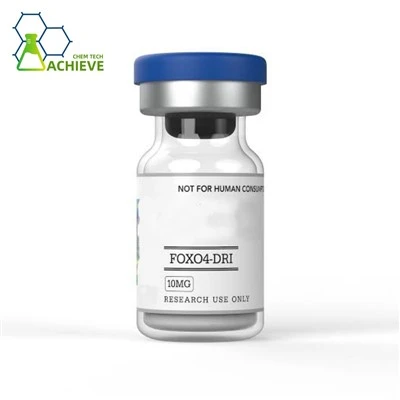

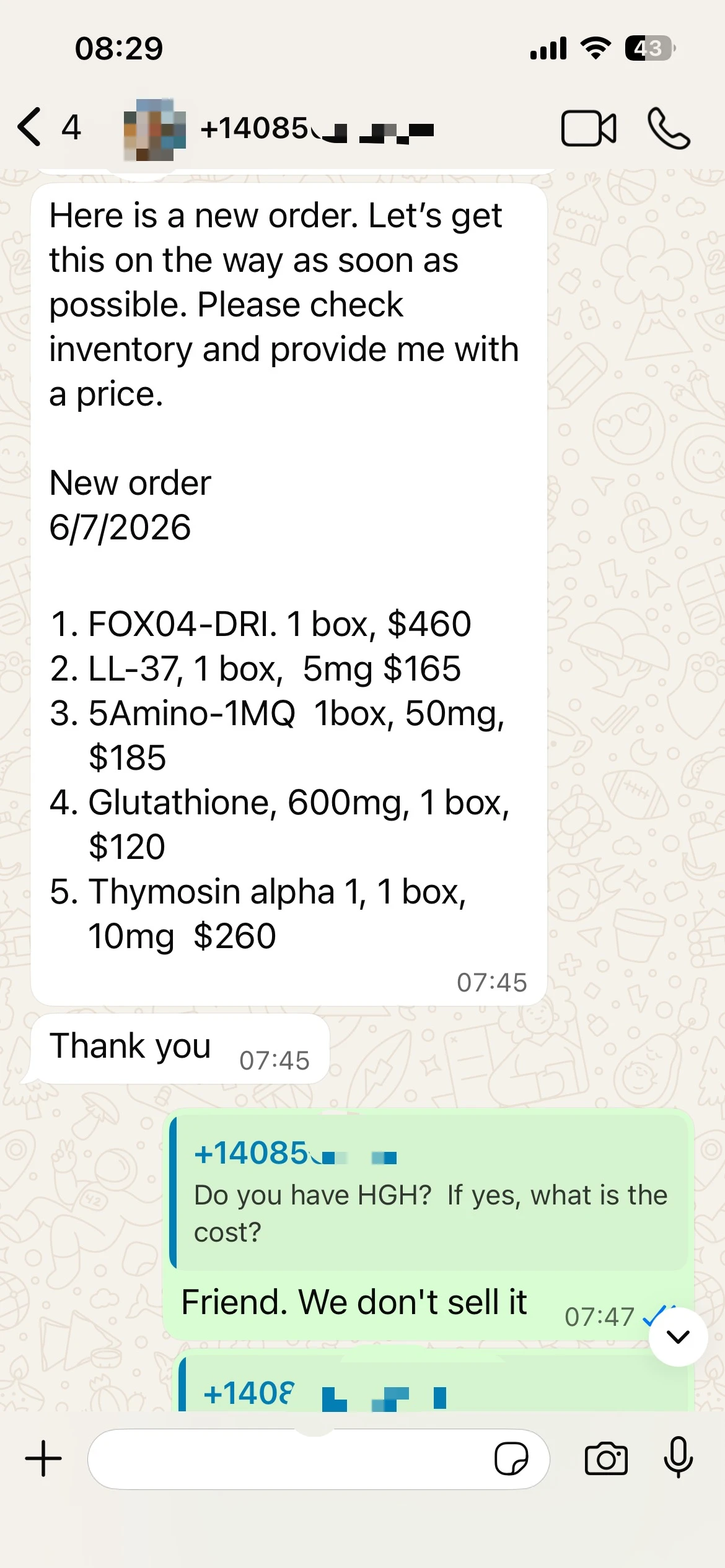
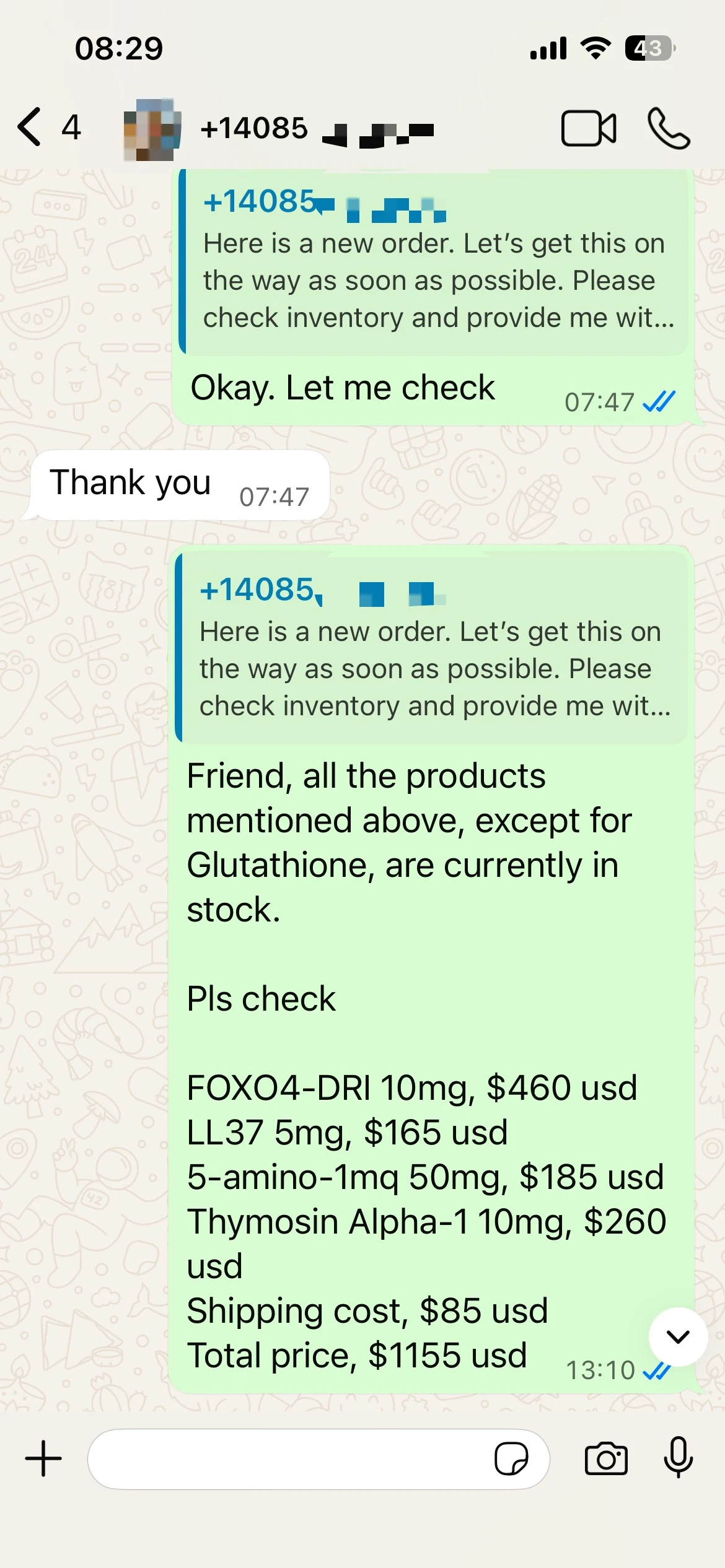
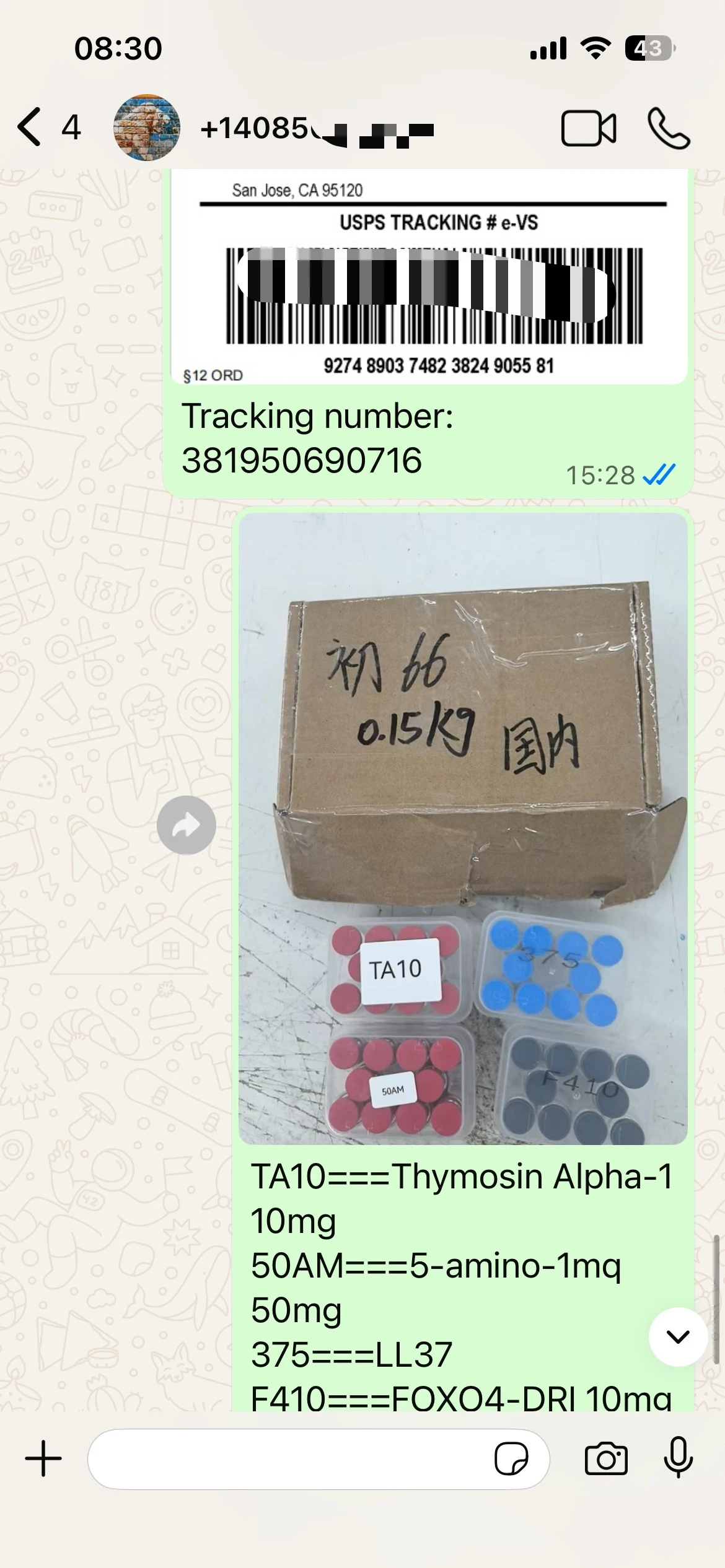
I am very pleased to receive the second order from the American customer. This order includes four boxes of products: Thymosin Alpha-1, 5-amino-1mq, LL37 and FOXO4-DRI. Before this shipment, the customer had successfully received all the products from the first order, and there were no issues during the entire delivery process. From the communication perspective, the customer was highly cooperative, responded promptly, and also actively inquired about product details and subsequent arrangements, significantly enhancing the interactivity. Compared to the initial cooperation, this connection was much smoother, and both parties were familiar with the process. The customer's continuous orders and positive feedback indicate a relatively stable recognition of the products and services. We will handle this order according to the same meticulous standards to ensure accurate packaging, information verification and logistics procedures. We will continue to maintain professional and pragmatic communication methods. We hope to build a longer-term and mutually trusting cooperative relationship based on this.
Business Process
 |  |  |  |
Senescent Cells: The Silent Destroyers
To understand the significance of FOXO4-DRI, one must first recognize its target-senescent cells.
When a cell suffers severe damage, it faces two fates: either it initiates the apoptosis process and self-destructs neatly; or it enters a state known as "cellular senescence", permanently halting division but persistently surviving. On the surface, aging seems to be a protective mechanism-preventing damaged cells from continuing to proliferate and avoiding canceration. However, when senescent cells accumulate in large numbers within a tissue, the situation takes a sharp turn for the worse.
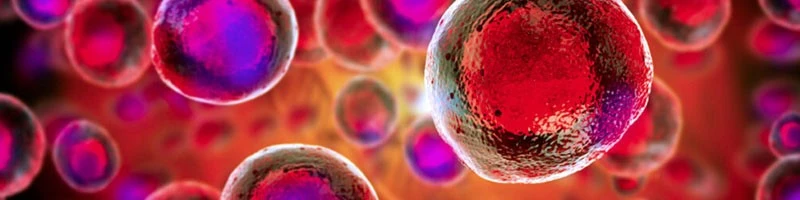
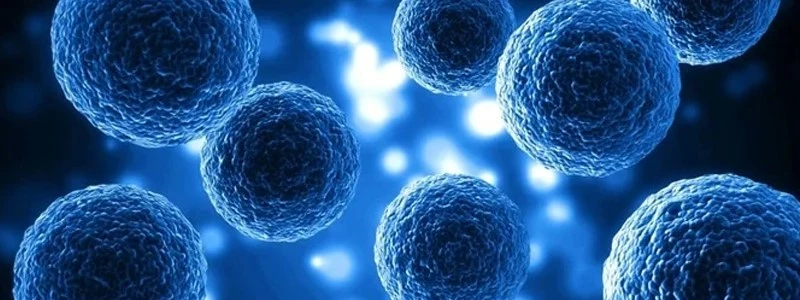
Although these cells no longer divide, they are not simply remaining inactive. They continuously secrete a series of inflammatory factors, proteases and growth factors. This phenomenon is known in the scientific community as "senescence-associated secretory phenotype", abbreviated as SASP. SASP is like a chronic poison emitted by aging cells, constantly eroding the microenvironment of surrounding healthy tissues, triggering chronic inflammation, destroying the extracellular matrix, and interfering with the normal functions of stem cells. Over time, the functional capacity of the tissues gradually declines, and the vitality of organs gradually weakens.
What is even more alarming is that there are countless connections between senescent cells and tumors. The inflammatory microenvironment created by SASP is precisely the favorite breeding ground for tumor cells. Many chemotherapy drugs, while killing cancer cells, also induce some cancer cells to enter a senescent state. These "dormant" senescent tumor cells may actually become a potential risk for recurrence and metastasis in the future.

Therefore, how to precisely eliminate the aging cells in the body has become one of the most fundamental questions in the field of anti-aging research. And FOXO4-DRI is precisely the masterpiece born under this premise.
FOXO4 and p53: A Pair of Life-and-Death Determining Molecular Partners
In the grand narrative of cell biology, FOXO4 and p53 are both crucial transcription factors. p53 is known as the "guardian of the genome", playing an irreplaceable role in regulating the cell cycle, initiating DNA repair, and inducing cell apoptosis.
When cells encounter irreparable damage, p53 will decisively initiate the apoptosis process, eliminating the problematic cells.
However, in senescent cells, things become more complicated. Scientists have discovered that a transcription factor called FOXO4 is significantly upregulated in senescent cells and forms a tight complex with p53.
This combination has a fatal consequence-it inhibits the normal apoptotic induction function of p53. In other words, FOXO4 is like a lock that firmly secures p53, the "death sword", preventing it from performing its normal role.
As a result, senescent cells are able to evade their inevitable fate and survive in the body for a long time, continuously causing harm.
This discovery is of great significance. It reveals the molecular mechanism by which senescent cells can "remain alive", providing a clear target for precise intervention.
If the binding between FOXO4 and p53 can be disrupted, p53 will regain its freedom and resume its duty of eliminating abnormal cells.
Based on this logic, FOXO4-DRI was born.
The ingenious design of FOXO4-DRI: Treating the disease with the same method used to cure it
FOXO4-DRI, officially known as FOXO4-Derived Peptide Inhibitor, is a peptide inhibitor derived from FOXO4.
Its design concept is truly ingenious-since FOXO4 inhibits apoptosis by binding to p53, we will synthesize a peptide that mimics the binding site of FOXO4 and p53, allowing it to occupy p53 first and thus pushing the real FOXO4 aside.
This is a classic competitive inhibition strategy. The binding force of FOXO4-DRI to p53 is even stronger and more stable than that of the natural FOXO4.
Once FOXO4-DRI binds to p53, p53 is released from the "lockdown" imposed by FOXO4, reactivating the mitochondrial apoptosis pathway and inducing those senescent cells that were protected due to the interaction of FOXO4 and p53 to undergo death.
It is worth noting that FOXO4-DRI employs the D-Retro-Inverso (DRI) modification strategy. This means that the vast majority of its amino acid sequence consists of D-type amino acids, and the sequence order has also been reversed.
This design confers two major advantages on it: Firstly, it has extremely strong protease resistance, making it less prone to degradation in the body and significantly enhancing its stability;
Secondly, it has excellent cell penetration ability, enabling it to smoothly pass through the cell membrane and reach the interior of the target cells.
From the molecular perspective, FOXO4-DRI is composed of 46 amino acid residues, with a molecular weight of approximately 5358.06, a molecular formula of C228H388N86O64, and a CAS number of 2460055-10-9.
Its core sequence is D-(LTLRKEPASEIAQSILEAYSQNGWANRRSGGKRPPPRRRQRRKKRG). This seemingly lengthy string of letters is actually a molecular weapon that has been precisely calculated and repeatedly optimized.
Multi-domain application: Beyond anti-aging
The application scope of FOXO4-DRI is far broader than just anti-aging.
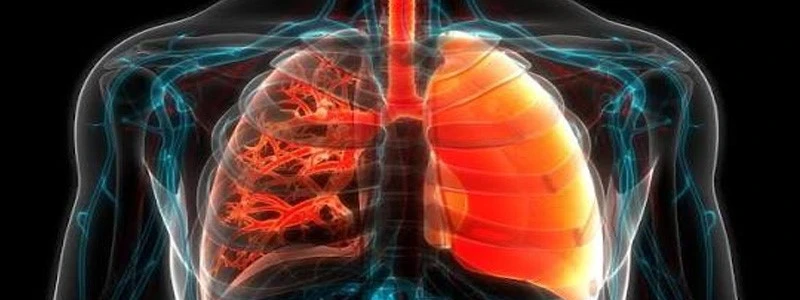
In the field of fibrosis intervention, studies have shown that FOXO4-DRI can reverse radiation-induced pulmonary fibrosis. In a mouse model that received 17Gy radiation to the chest, FOXO4-DRI significantly reduced collagen deposition in the lung tissue, decreased the expression of fibrosis markers such as α-SMA and Col1α1, and inhibited the expression of aging genes such as P21 and P16Ink4a, as well as SASP factors such as IL-1α, IL-1β, TNF-α, and MMP2. Its mechanism of action involves activating the PI3K/AKT signaling pathway and reducing oxidative stress levels, thereby fundamentally inhibiting cellular aging and the fibrotic process. This discovery provides new ideas for the treatment of diseases such as liver fibrosis and kidney fibrosis.
In the field of tumor treatment, FOXO4-DRI has demonstrated unique sensitizing potential. Since many chemotherapy drugs induce cancer cells to enter a senescent state, and these senescent tumor cells are the potential causes of recurrence and metastasis, FOXO4-DRI can selectively eliminate these cells while inhibiting the promoting effect of SASP on the tumor microenvironment. In models such as non-small cell lung cancer, FOXO4-DRI has been proven to increase the sensitivity of tumor cells to radiotherapy, promote cell apoptosis after radiotherapy, and reduce the ability of clone formation and cell migration. However, it should be noted that because its mechanism of action depends on the normal function of p53, FOXO4-DRI may only be effective for tumors with intact p53 function, and this is a direction that future research needs to further clarify.
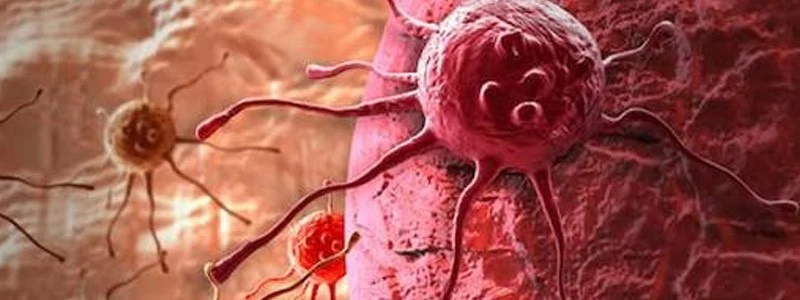

In the field of reproductive health, FOXO4-DRI has particularly remarkable effects on improving testosterone secretion and sperm quality in aged male mice. By eliminating senescent stromal cells in the testes and reducing the release of SASP, FOXO4-DRI improves the microenvironment for spermatogenesis, increases sperm quantity and quality, and provides a new possibility for the intervention of delayed gonadal function decline in men.
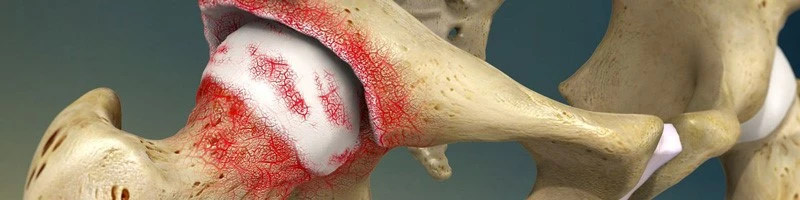
In the field of osteoarthritis, early in vitro and animal model studies have shown that FOXO4-DRI can inhibit the aging of chondrocytes and the degradation of matrix, alleviate joint inflammation and damage, bringing new hope for the treatment of this disease that affects hundreds of millions of elderly people.