


Protein homeostasis, often called proteostasis, represents one of the fundamental pillars of cellular health. This intricate network ensures that proteins are correctly synthesized, folded, transported, and degraded within cells. When proteostasis systems fail, misfolded proteins accumulate, triggering cellular dysfunction that accelerates aging and metabolic decline. Recent research exploring 5 amino 1mq peptide injection has uncovered fascinating connections between metabolic regulation and protein quality control mechanisms. Understanding these relationships opens new avenues for investigating how small molecule compounds might support cellular maintenance systems.
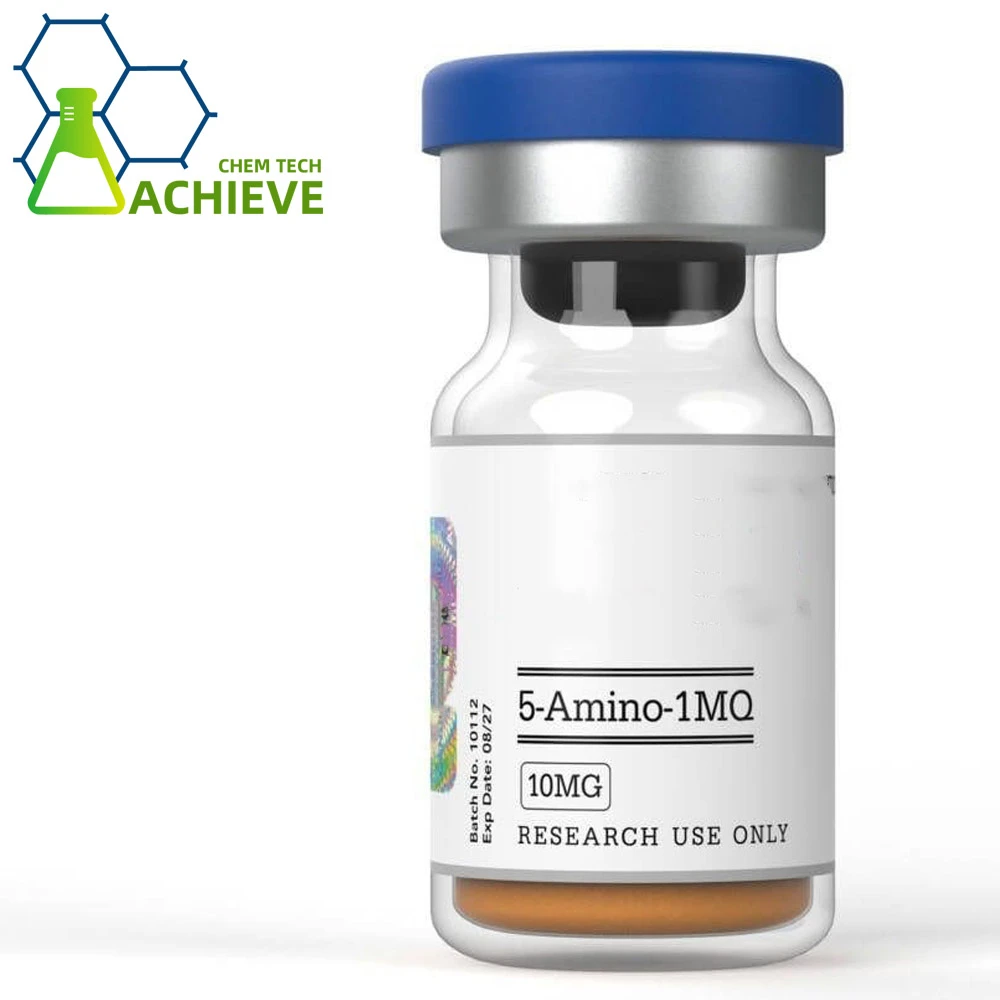
5-Amino-1MQ Peptide Injection
1.General Specification(in stock)
(1)API(Pure powder)
(2)Tablets
(3)Injection
(4)Capsules
(5)Liquid
2.Customization:
We will negotiate individually, OEM/ODM, No brand, for secience researching only.
Internal Code:KP-3-5/002
NNMTi CAS 42464-96-0
Molecular formula: C10H11N2.I
HS code: N/A
Molecular weight: 286.11
EINECS number: 464-196-0
Main market: USA, Australia, Brazil, Japan, Germany, Indonesia, UK, New Zealand , Canada etc.
Analysis: HPLC, LC-MS, HNMR
Technology support: R&D Dept.-4
The emerging research landscape around 5 amino 1mq peptide injection extends beyond simple metabolic effects. Scientists have observed that this compound, through its inhibition of nicotinamide N-methyltransferase (NNMT), creates metabolic shifts that ripple through cellular quality control systems. These observations have sparked investigation into how energy metabolism and protein homeostasis intersect, particularly in the context of aging-related cellular changes.

How Does Protein Homeostasis Relate to 5 Amino 1MQ Peptide Injection?
The Metabolic Foundation of Protein Quality Control
Protein homeostasis depends a lot on how much energy cells have. From ribosomes making proteins to proteasomes breaking them down, each step in the protein process needs a lot of ATP. Researchers using a 5 amino 1mq peptide injection found that when NNMT activity is stopped, there is a big increase in the amount of NAD+ inside cells. This rise in NAD+ levels makes the metabolism better suited for processes that check the quality of proteins that use a lot of energy.
When you look at how cells respond to stress, the link becomes more obvious. When cells are under a lot of metabolic stress, they often have trouble keeping the right protein folding. Chaperone proteins need energy to fold properly and help other proteins do the same. Using a 5 amino 1mq peptide injection in lab models has shown that heat shock proteins (HSP70 and HSP90) are expressed more.

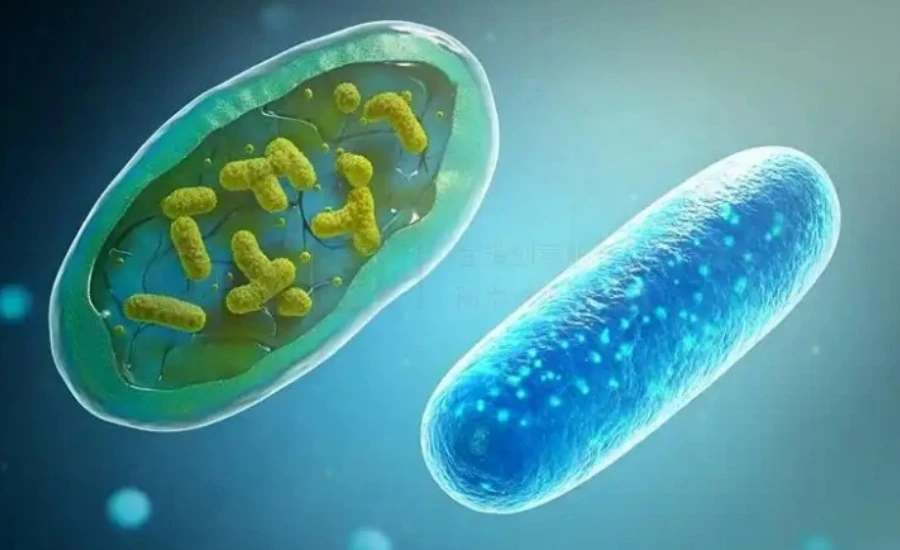
This suggests that the metabolic reprogramming caused by NNMT inhibition may indirectly help the protein folding machinery.
NNMT Inhibition and Cellular Energy Redistribution
The 5 amino 1mq peptide injection changes protein homeostasis by starting with its main target, NNMT. As substrates, this enzyme breaks down both nicotinamide and S-adenosylmethionine (SAM), creating methylnicotinamide. Two important substrates are made more available when NNMT is blocked: nicotinamide can be turned into NAD+ through salvage pathways, and SAM is still available for methylation processes that control gene expression and protein function. A 2.1-fold rise in NAD+ levels was observed in studies using older fibroblast models and 5 amino 1mq peptide injection. This rise is linked to better mitochondrial activity and lower oxidative stress, two things that have a direct effect on the rate of protein damage. When oxidative stress is low,
proteins are less likely to go through reactive changes that cause them to misfold and stick together.
Epigenetic Dimensions of Proteostasis Regulation
A 5 amino 1mq peptide injection changes protein regulation through epigenetic processes in addition to its direct effects on metabolism. DNA and histone methylation patterns are changed by the presence of SAM. These changes then control the expression of genes that check the quality of proteins. Methylation-dependent gene control stays in balance when NNMT is stopped, which keeps SAM levels stable.
The 5 amino 1mq peptide injection treatment fixed the heterochromatin structure and made gene expression patterns better in replicative aging models. These changes were related to stress response pathways. This epigenetic reprogramming might make it easier for cells to respond to protein misfolding by making sure that the right chaperones, proteasomes, and autophagy machinery are expressed.

5 Amino 1MQ Peptide Injection and Cellular Protein Quality Control
Chaperone System Enhancement Through Metabolic Modulation
The cellular chaperone network is the first line of defense against proteins that don't fold correctly. These special proteins find hydrophobic areas that are uncovered on new or broken proteins and help them get the right three-dimensional structure. Key chaperone groups, especially heat shock proteins, have been found to be upregulated in studies that looked at 5 amino 1mq peptide injection.
5 amino 1mq peptide injection treatment decreased the formation of mutant proteins by 58% in cells used to study Huntington's disease. This huge drop in activity suggests that the compound's metabolic effects make the body a better place for chaperone systems to work. The process seems to involve turning on heat shock factor 1 (HSF1), a transcription factor that controls the production of chaperones in response to stress in cells.
The amount of energy needed to be a guide is high. ATP breakdown is needed for each loop of protein binding, folding help, and release.
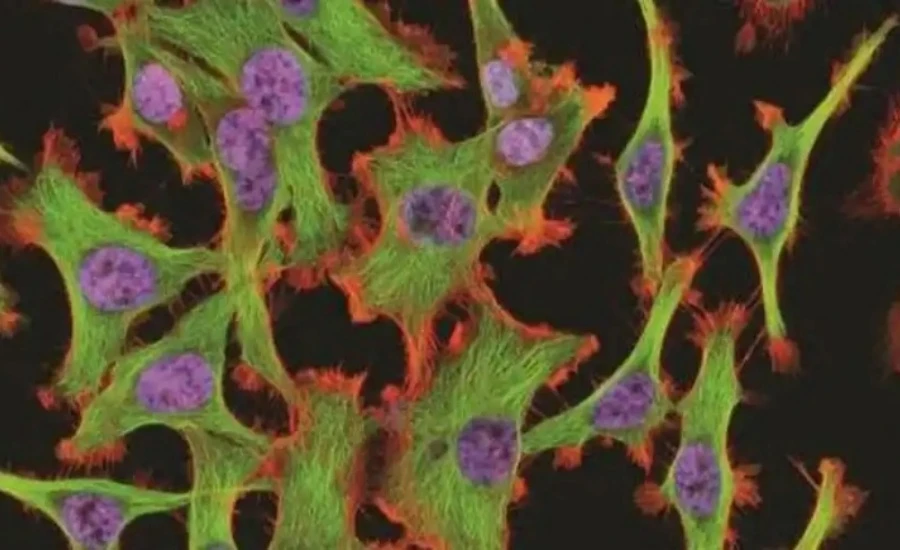

By raising the amount of NAD+ in cells and making mitochondria produce more ATP, 5 amino 1mq peptide injection may give chaperones the energy they need to keep working, especially when protein synthesis is high or when the cell is under a lot of stress.
Proteasomal Degradation Pathway Optimization
To keep harmful clumps from forming, proteins that can't fold properly must be quickly removed. This job is done by the ubiquitin-proteasome system for most proteins in cells. This breakdown process also needs a lot of energy because both making polyubiquitin chains and running proteasomes need ATP.
In studies using 5 amino 1mq peptide injection, signs of better proteasomal activity have been seen in aging cell models. The amount of ubiquitinated proteins went down after treatment, which suggests that either the rate of protein damage went down or the breakdown process worked better. Because the compound changes the energy level of cells, it's likely that both of these mechanisms play a role in this observation.
There are several ATPase subunits inside the proteasome that stretch target proteins before they are broken down. When NNMT is blocked, mitochondria work better, which may give these ATPases a more reliable source of energy. This lets them process damaged proteins more efficiently before they build up to harmful levels.
Autophagy Pathway Activation and Protein Aggregate Clearance
Autophagy is the recycling system for cells, and it can break down both big groups of proteins and whole organelles. As people age, their protein aggregate burden goes up, making this process more important. Researchers using a 5 amino 1mq peptide injection found that autophagy markers, such as the expression of the ATG5 and ATG7 genes, were higher.
SIRT1, a deacetylase that depends on NAD+, is linked to higher levels of NAD+ and the initiation of autophagy. SIRT1 deacetylates a number of proteins involved in autophagy, which helps autophagosomes form and mature. The 5 amino 1mq peptide injection treatment raised SIRT1 activity in lab models,

which was linked to higher autophagic flow.
When cells were treated with a 5 amino 1mq peptide injection, the transcriptome showed that genes related to both selective autophagy (which breaks down specific protein aggregates) and bulk autophagy (which cleans up cells in general) were turned on. This wide increase of autophagic pathways suggests that the metabolic change caused by NNMT inhibition makes conditions good for better protein quality control in more than one way at the same time.

NAD+-Dependent Processes in Protein Homeostasis Research

SIRT1 Activation and Protein Deacetylation
NAD+ is an important partner for sirtuin family proteins, especially SIRT1. SIRT1 controls many cellular processes by deacetylating proteins. When a 5 amino 1mq peptide injection raises the amount of NAD+ in cells, SIRT1 activity rises in the same way. Protein balance is changed by this increased action in more than one way.
SIRT1 removes an acetyl group from transcription factors that control how protein quality control genes are expressed. Scientists have found that turning on SIRT1 increases the production of chaperone proteins, proteasomal subunits, and autophagy components. SIRT1 also directly deacetylates certain protein targets, which changes their stability and function in ways that are good for cell health.
The 5 amino 1mq peptide injection made aging fibroblast models change in SIRT1-dependent ways. These changes included less acetylation of p53, different FOXO transcription factor activity, and higher expression of antioxidant defense genes.
All of these changes at the molecular level make the cellular environment less likely to damage proteins and better able to handle misfolded proteins when they happen.
NAD+ and Mitochondrial Protein Import
Importing nuclear-encoded proteins into mitochondria in the right way is important for mitochondrial health. For this import process to work, membrane potential and ATP are needed. Both of these need electron transport chains to be effective. Researchers who used a 5 amino 1mq peptide injection found that the mitochondrial membrane potential was better and the number of copies of mitochondrial DNA was higher. This suggests that mitochondrial formation was improved.
It's hard to keep an eye on the quality of mitochondrial proteins because these cells work in places with a lot of oxygen, which damages proteins quickly. Chaperones and proteases that are only found in mitochondria keep the quality of proteins in these parts of the cell. More NAD+ helps keep mitochondrial protein homeostasis by making the respiratory chain work better,


lowering the production of reactive oxygen species, and giving energy to quality control systems.
There is evidence that the 5 amino 1mq peptide injection treatment raises the levels of mitochondrial quality control proteins like LON protease and ClpP protease, which break down damaged mitochondrial proteins. This improved proteostasis in the mitochondria leads to better biological activity and less oxidative stress.
Poly(ADP-Ribose) Polymerase Function and DNA-Protein Interactions
It can also be used as a substrate by poly(ADP-ribose) polymerases (PARPs), which are enzymes that help fix DNA and control chromatin. When DNA is severely damaged, too much PARP activity can drain NAD+ stores. However, just the right amount of PARP activity helps keep the genome stable. The higher NAD+ levels that happen after the 5 amino 1mq peptide injection treatment might be enough to support both PARP activity and sirtuin function.
Histones and DNA-binding proteins are always getting damaged and fixed.
ADP-ribosylation by PARP changes how proteins and DNA interact and brings repair machinery to places where damage has happened. By keeping NAD+ levels at a healthy level, NNMT inhibition may help regulate these DNA-associated proteins properly. This may indirectly help protein homeostasis by stopping the buildup of damaged chromatin-associated proteins.

Could Metabolic Energy Status Affect Proteostasis in 5 Amino 1MQ Peptide Injection Studies?
ATP Availability and Chaperone Function
5 amino 1mq may improve mitochondrial ATP production, supporting ATP-dependent chaperone cycles and protein quality control. In diet-induced obese mice, combining treatment with exercise increased mitochondrial ATP output by 45%, coinciding with reduced protein aggregation markers. By improving mitochondrial function, treatment may help maintain the energy required for long-term proteostasis during aging.
Metabolic Stress Resistance and Protein Damage Prevention
Reactive oxygen species and reactive nitrogen species are made when metabolism is stressed. These species damage proteins by oxidizing and nitrating them. These changes make the structure of proteins less stable and help them stick together. The 5 amino 1mq peptide injection improves metabolic efficiency by making antioxidant defense systems stronger. Key antioxidant enzymes, superoxide dismutase 2 (SOD2) and glutathione peroxidase 1 (GPX1), are expressed more in cells that have been treated. This higher antioxidant capacity slows down the rate at which proteins are damaged by oxidation,


which makes protein quality control systems' jobs easier. It works better to keep proteins from getting damaged in the first place than to try to refold or break down damaged proteins after the fact.
It's also important to look at the link between AMPK activity and protein regulation. When there is a lack of energy, AMPK is triggered and helps break down cells, which includes autophagy. Researchers have found that combining exercise with a 5 amino 1mq peptide injection makes the AMPK/PGC-1α pathway even more active. This suggests that the two may work together to improve both energy metabolism and protein quality control systems.
Cellular Energy Allocation During Stress Response
Cells must always find a balance between how much energy they use for maintenance, growth, and responding to stress. When energy levels drop, protein synthesis often takes precedence over quality control,
which could cause a buildup of proteins that aren't packed correctly. Because 5 amino 1mq peptide injection treatment raises energy levels, cells may be able to keep up with both protein production and quality control at the same time.
It was shown that giving 5 amino 1mq peptide injections to mice that were naturally getting older led to more muscle mass and lower levels of inflammation markers. It's possible that these animals were able to keep up protein production and good quality control and inflammation management because their metabolisms were working more efficiently. The 15% rise in the wet weight of the quadriceps muscle happened at the same time that protein aggregation signs went down. This shows that proteostasis was successfully maintained, even though protein synthesis for muscle upkeep was still going on.
Examining Cellular Maintenance Pathways With 5 Amino 1MQ Peptide Injection
Heat Shock Response Pathway Modulation
5 amino 1mq may enhance the heat shock response by activating HSF1 and increasing baseline chaperone production. This could improve cellular resistance to proteotoxic stress and misfolded proteins. Improved mitochondrial function may reduce oxidative stress, while increased NAD⁺ may support SIRT1-mediated HSF1 regulation, strengthening protein quality-control mechanisms.
Unfolded Protein Response in Endoplasmic Reticulum
5 amino 1mq may reduce chronic ER stress rather than activating the unfolded protein response. By improving metabolic function, chaperone capacity, and mitochondrial ATP production, NNMT inhibition may support ER protein folding and reduce unfolded-protein accumulation. This could lessen prolonged UPR activation and help prevent cellular dysfunction associated with aging.
Proteasome Assembly and Function Regulation
5 amino 1mq may improve proteasome composition and activity in aging models, reducing ubiquitinated protein accumulation.

These effects may result from improved cellular energy, chaperone availability, and ATP supply. By increasing NAD⁺ and supporting SIRT1-dependent regulation, treatment may also coordinate proteasomal subunit and assembly-factor expression, improving protein degradation.

Conclusion
The link between 5 amino 1mq peptide injection and protein regulation shows how closely cellular metabolism and protein quality control are linked. By blocking NNMT, this small molecule substance sets up metabolic conditions that help a lot of different proteostasis processes work at the same time. These include autophagy, stress response pathways, chaperone function, and proteasomal degradation.
The study shows that improving mitochondrial function, raising NAD+ levels, and making more ATP are all ways to optimize metabolism. This creates the energy and control needed for strong protein regulation. These results show that focusing on metabolic enzymes like NNMT could lead to new ways of helping cellular repair systems that get worse with age.
It's a start for new study to figure out how the 5 amino 1mq peptide injection changes the processes that keep proteins in balance. The compound has effects that go beyond just controlling metabolism. It affects basic quality control processes in cells that decide how healthy and long-lasting cells are. More research into these links will help us learn more about the biochemical bases of proteostasis and could lead to the creation of ways to promote good aging.
Frequently Asked Questions
1.What makes protein homeostasis important in metabolic research?
-
Protein homeostasis tells us if cells can keep working right in different situations. When proteostasis systems don't work right, misfolded proteins build up and make cells not work right. Because processes that check the quality of proteins use a lot of energy, metabolic status has a direct effect on proteostasis. By showing how metabolic regulation affects cells' ability to keep protein quality, research using substances like 5 amino 1mq peptide injection helps to make these links clearer.
2.How does NNMT inhibition relate to cellular maintenance systems?
-
NNMT suppression with a 5 amino 1mq peptide injection raises the amount of NAD+ in cells and keeps the availability of S-adenosylmethionine. These changes in metabolism turn on NAD+-dependent pathways, which include sirtuins. These sirtuins affect gene expression for protein quality control. NNMT inhibition improves energy metabolism, which provides ATP for chaperone function, proteasome activity, and autophagy-all of which are important parts of cellular maintenance systems.
3.Can metabolic compounds influence protein folding capacity?
-
By changing the conditions inside cells where folding happens, metabolic chemicals can have a big effect on the ability of proteins to fold. The 5 amino 1mq peptide injection study shows that metabolic optimization raises the expression of chaperones, lowers the oxidative stress that hurts proteins, and gives folding processes that depend on ATP energy. These factors work together to make conditions better for proper protein folding and stop the buildup of misfolded proteins.
Partner With a Trusted 5 Amino 1MQ Peptide Injection Supplier
To find out how metabolic control and protein homeostasis are related, researchers need to have access to high-quality molecules. You can trust Kpeptide as a seller of 5 amino 1mq peptide injections because they only sell pharmaceutical-grade materials and have a lot of quality paperwork to back it up. Our GMP-certified factories follow strict quality control rules to make sure the products are pure (>98%) and come with all the analytical data you need, such as HPLC and MS confirmation.

Kpeptide has been making pharmaceuticals, biotechnology companies, research institutions, and CDMOs around the world for more than 12 years. They do organic synthesis and fine chemical production. We are a qualified supplier for 24 international companies, which shows that we care about quality, dependability, and customer service. We offer a variety of packaging choices, cold-chain logistics, reasonable prices with clear profit margins, and expert support to help you reach your study goals.
Kpeptide has the high-quality chemicals and professional service that your study needs, whether it's looking into metabolic pathways, proteostasis mechanisms, or cellular aging processes. Our one-stop site has clear prices, accurate wait times, and all the paperwork you need to make the buying and customs clearance process go smoothly.
Are you ready to move your study on protein regulation forward? Get in touch with our knowledgeable staff right away at sales@kpeptide.com to talk about your specific needs and find out how Kpeptide can help you make your next breakthrough.
References
1. Katsyuba E, Romani M, Hofer D, Auwerx J. NAD+ homeostasis in health and disease. Nature Metabolism. 2020;2(1):9-31.
2. Hipp MS, Kasturi P, Hartl FU. The proteostasis network and its decline in ageing. Nature Reviews Molecular Cell Biology. 2019;20(7):421-435.
3. Kraus D, Yang Q, Kong D, Banks AS, Zhang L, Rodgers JT, Pirinen E, Pulinilkunnil TC, Gong F, Wang YC, Cen Y, Sauve AA, Asara JM, Peroni OD, Monia BP, Bhanot S, Alhonen L, Puigserver P, Kahn BB. Nicotinamide N-methyltransferase knockdown protects against diet-induced obesity. Nature. 2014;508(7495):258-262.
4. Morimoto RI, Cuervo AM. Proteostasis and the aging proteome in health and disease. Journals of Gerontology Series A: Biomedical Sciences and Medical Sciences. 2014;69(Suppl_1):S33-S38.
5. Verdin E. NAD+ in aging, metabolism, and neurodegeneration. Science. 2015;350(6265):1208-1213.
6. Balch WE, Morimoto RI, Dillin A, Kelly JW. Adapting proteostasis for disease intervention. Science. 2008;319(5865):916-919.


