


As the field of metabolic improvement has grown, new, cutting-edge methods have been developed to target stubborn fat buildup at the cellular level. 5-amino-1MQ peptide injection is one of these new methods that has caught the attention of research institutions and drug companies looking for new ways to improve body composition. These chemicals work in ways that are different from other ways of losing weight. They work by hitting specific enzymes that control how cells use energy. To understand why this peptide has become so important in modern fat loss plans, we need to look at its unique biochemical features and how it can be used in metabolic studies. People who work in biotechnology research, clinical formulation, and pharmaceutical development are always looking for chemicals that show they are safe and effective enough to be used in treatment studies. The research-grade 5 amino 1mq peptide injection changes the activity of nicotinamide N-methyltransferase (NNMT), an enzyme that is becoming better known for its role in energy balance and the metabolism of fatty tissue. As scientists learn more about how metabolism works, the need for high-purity study materials and intermediates keeps growing around the world.
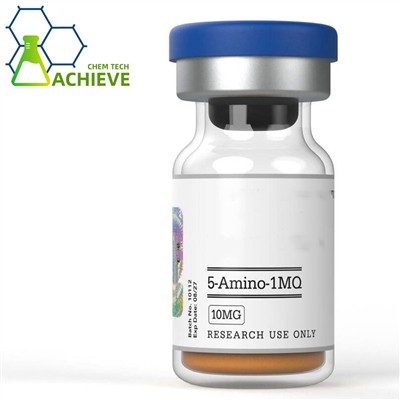
1.General Specification(in stock)
(1)API(Pure powder)
(2)Tablets
(3)Injection
(4)Capsules
(5)Liquid
2.Customization:
We will negotiate individually, OEM/ODM, No brand, for secience researching only.
Internal Code:KP-3-5/002
NNMTi CAS 42464-96-0
Molecular formula: C10H11N2.I
HS code: N/A
Molecular weight: 286.11
EINECS number: 464-196-0
Main market: USA, Australia, Brazil, Japan, Germany, Indonesia, UK, New Zealand , Canada etc.
Analysis: HPLC, LC-MS, HNMR
Technology support: R&D Dept.-4
We provide 5-Amino-1MQ peptide injection, please refer to the following website for detailed specifications and product information.
Product:https://www.kpeptide.com/peptides-healthy/5-amino-1mq-peptide-injection.html

Why Is 5 Amino 1MQ Peptide Injection Used for Fat Loss Strategies?
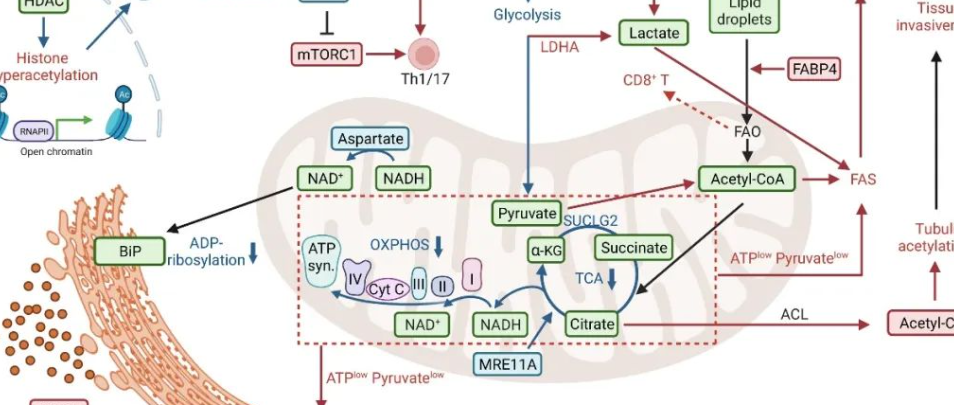
The main way that 5-amino-1MQ peptide injection works is by interacting with NNMT, an enzyme that is mostly found in fat tissue and speeds up the methylation of nicotinamide. This biological process has a direct effect on the amount of NAD+ that is available in cells. NAD+ is an important factor that is involved in oxidative metabolism and energy. When NNMT activity goes up too much, it uses up nicotinamide stocks and lowers NAD+ levels, which could hurt the efficiency of mitochondria and the rate of metabolism.
The peptide works as a specific inhibitor and might help get NAD+ levels back to where they should be in adipocytes. Research studies have shown that NNMT expression is often higher in fat tissue from people with a high body mass index. Because of this finding, pharmaceutical researchers are looking into whether changing this enzyme could change how fat is stored and how well the metabolism works. The 5-amino-1MQ peptide injection method is a tailored approach that targets this specific enzyme pathway without having a big impact on other metabolic systems. Because it is so selective, it is very appealing to formulation scientists who are working on precise biochemical interventions.
Traditional methods for losing weight mostly involve limiting calories, increasing metabolism, or reducing hunger. The introduction of the 5-amino-1MQ peptide injection is a new way of doing things that works at the enzyme level and might change how cells handle energy sources. Instead of just increasing energy output or decreasing input, this substance affects the parts of cells that control how efficiently the metabolism works. Because of this, it can be used as an extra tool in larger metabolic study projects.
The peptide's process doesn't depend on stimulating the central nervous system or changing the hormonal axis. This makes it safer and more useful than many other drugs. Biotechnology companies that do metabolic research, like substances that offer new ways of working, while still working with current research methods. The specificity of blocking NNMT makes it a good way to study metabolic control without having to deal with factors that come up when more than one route is activated at the same time.

5 Amino 1MQ Peptide Injection for Targeted Fat Metabolism Activation
Because of the way NNMT is expressed, it is naturally easier to target for 5 amino 1mq peptide injection uses. The amount of NNMT in adipose tissue, especially abdominal fat stores, is much higher than in other tissues. Because of this difference in expression, NNMT suppression mostly impacts the metabolism of adipocytes while having little effect on tissues that produce fewer enzymes. This kind of tissue-selective action is great for metabolic research chemicals that are meant to be used to study body composition.
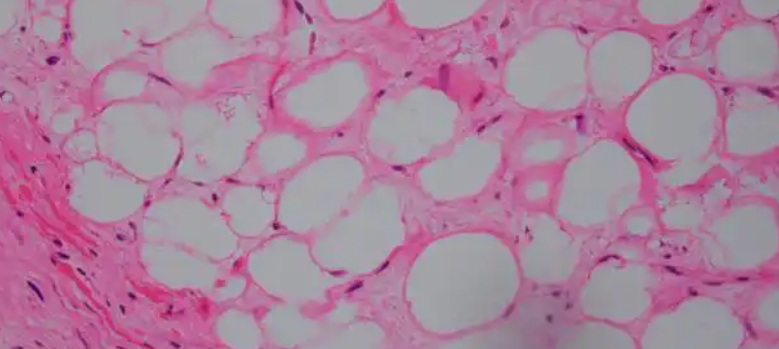
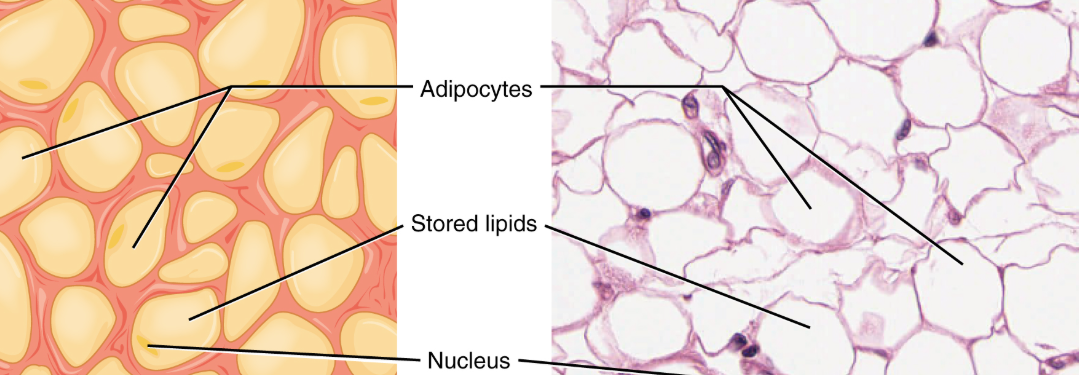
Visceral adiposity is a main focus of treatment studies because it has been linked to many metabolic problems. The fact that NNMT is more concentrated in these fat stores suggests that treatments using 5-amino-1MQ peptide injection might work better in people with central obesity patterns. This tissue selectivity is very helpful for pharmaceutical researchers who are looking into personalized metabolic methods when they are making focused interventions. The activity profile of the substance fits well with the goal of preventing metabolically unhealthy fat gain while keeping lean tissue.
Metabolic Flexibility and Substrate Utilization
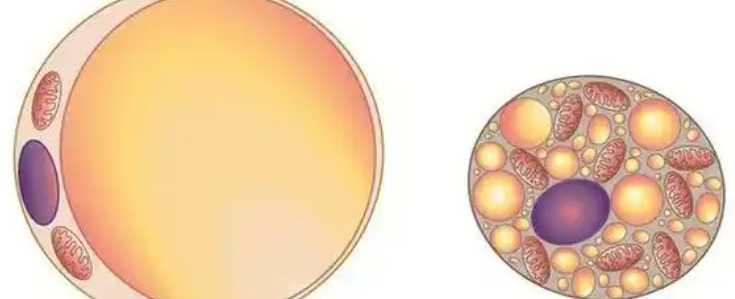
Metabolic flexibility is when cells and tissues can change how they burn fuel based on the supply of substrates and their energy needs. People with metabolic failure often have a harder time switching between oxidizing glucose and lipids. This is a sign of less metabolic flexibility. Changing the activity of NNMT by injecting a 5-amino 1MQ peptide may have an effect on this ability to change by making the cell environment better for using different substrates. When there is enough NAD+ in the cell, it keeps the redox balance better and can use different food sources more efficiently through different metabolic routes. This extra flexibility may make it easier for adipocytes to use stored fats when energy needs rise. Biotechnology companies that are making metabolic health goods, like substances that work on basic cellular functions instead of causing cells to be in certain metabolic states. The peptide's process supports this approach by improving the parts of cells that control choosing and using fuel.

Does 5 Amino 1MQ Peptide Injection Improve Lipid Oxidation Efficiency?
NAD+ Dependent Oxidative Pathways
Lipid oxidation, the method cells use to break down fatty acids into ATP, relies on having enough NAD+ available. In several steps of beta-oxidation and the tricarboxylic acid cycle, this coenzyme takes an electron. According to research, NNMT overactivity lowers the amount of nicotinamide available, which in turn lowers the production of NAD+ and weakens the body's ability to fight free radicals. The 5-amino-1MQ peptide injection gets around this problem by stopping the enzyme that is causing the loss of NAD+, which might lead to the return of ideal NAD+ levels. Researchers who have looked into cellular respiration have found direct links between NAD+ levels and oxygen consumption rates, which are used as a stand-in for oxidative metabolism in general. It is easier for mitochondria to completely oxidize fatty acids when NAD+ is available in higher amounts. This makes the most ATP per fuel molecule. This change in efficiency is very different from methods that use stimulants and raise energy use through stress pathways. Pharmaceutical companies like processes that improve metabolic efficiency instead of just speeding up the turnover of energy.
Comparative Oxidative Capacity Measurements
To find out how efficient lipid oxidation is, you need to use complex chemical 5 amino 1MQ peptide injection methods that check substrate usage rates and oxidative metabolism markers. By measuring the respiratory factor, which shows the balance between burning carbohydrates and fats, we can learn more about the metabolic substrates that the body prefers. These methods have been used in research techniques that include 5-amino-1MQ peptide injection to look at metabolic changes that happen when NNMT is changed. The results of these kinds of studies help with formulating new medicines and finding the best doses. Pharmaceutical businesses doing preclinical research need sources who can give them drugs with full analytical data that backs up the ability to repeat the experiments. Certificates of analysis that show purity, identification proof using multiple orthogonal methods, and stability data under different storage conditions are very important pieces of paperwork. These quality guarantees give researchers the confidence that the effects they see are caused by the chemical they are studying and not by impurities or breakdown products. These needs are met by BLOOM TECH's quality control methods, which use multiple levels of analytical proof.


Precision Body Fat Reduction with 5 Amino 1MQ Peptide Injection
Some types of fat stores don't respond to common fat loss methods; they keep their mass even when calories are limited, and exercise levels are raised. There is a link between these areas of stubborn fat and higher NNMT and lower metabolic activity compared to fat stores that respond more quickly. The 5-amino-1MQ peptide injection targets the specific enzyme feature that may be causing this resistance, providing a tailored way to deal with difficult fat distribution patterns.
Because fat depot response varies by area, researchers are looking into the metabolic factors that affect mobilization rates in each region. Visceral adipose tissue, subcutaneous belly fat, and other central fat stores have different metabolic patterns than fat stores in the edges of the body. These regional differences are reflected in NNMT expression patterns, which suggests that blocking enzymes might have different effects on different fat stores. When creating complete metabolic plans, biotechnology researchers working on body composition treatments have the ability to focus on certain regions.
To accurately control body composition, you need strong monitoring systems that keep an eye on biomarkers and metabolic factors that are important. Researchers using the 5-amino-1MQ peptide injection can measure things like NAD+ metabolite levels, mitochondrial function signs, body makeup study through advanced imaging, and metabolic rate. Researchers can use these quantitative endpoints to connect dosing methods with observed results, which helps them come up with the best application techniques. Pharmaceutical companies that do clinical research need providers who know what the rules are and can provide paperwork to back up experimental new drug applications. Full manufacturing records, quality control data, and stability studies are important parts of regulatory filings. BLOOM TECH's GMP-certified facilities and years of experience working with pharmaceutical applications make sure that the materials they supply meet the strict paperwork needs of clinical research programs.

Metabolic Fat Loss Approach Using 5 Amino 1MQ Peptide Injection

Cellular Energy Sensing Mechanisms
The AMP-activated protein kinase (AMPK) system controls the energy level of cells by reacting to changes in the ratio of AMP to ATP. The amount of NAD+ in the cell affects AMPK signals in several ways, which links NNMT activity to systems that sense energy. The 5-amino-1MQ peptide injection method might have a secondary effect on these pathways through its effects on NAD+ metabolism, which leads to changes in metabolism that help the body use energy. When AMPK is activated, it speeds up the burning of fatty acids and stops lipogenic pathways. This makes the body's metabolism more fat-burning-friendly. The enzyme also improves insulin sensitivity and speeds up the process of making mitochondria. These actions 5 amino 1MQ peptide injection are good for the health of your metabolism as a whole. Groups of scientists who are studying energy-sensing circuits, like chemicals that change these systems in well-known ways. The link between blocking NNMT and energy-sensing networks gives metabolic study groups a lot of different ways to do experiments.
Inflammation and Metabolic Health Connections
Low-grade chronic inflammation, especially in fat tissue, is often linked to metabolic failure. This inflammatory state makes insulin communication less effective, encourages adipocyte hypertrophy, and messes up the body's usual metabolic control. New study shows links between NNMT activity and signaling pathways that cause inflammation. This means that changing the levels of enzymes could affect the level of inflammation. When the 5-amino-1MQ peptide injection is used in metabolic studies, these possible anti-inflammatory benefits are looked into. Inflammatory gene expression is changed by NAD+-dependent pathways that work through sirtuin-mediated processes and have direct effects on inflammatory signaling cascades. Improving the supply of NAD+ may help reduce metabolic inflammation, which supports better metabolic function beyond its direct effects on lipid oxidation. Researchers in the pharmaceutical industry who are working on complete metabolic therapies, like chemicals that treat many different types of metabolic dysfunction through processes that work together. This compound's wide range of activities makes it more useful in complicated study projects.

Long-Term Metabolic Adaptation Strategies
For metabolic gains to last, actions must be taken that encourage long-lasting changes instead of short-term metabolic boosting. The 5-amino-1MQ peptide injection method works through basic cellular energy pathways and may help with long-lasting metabolic changes when added to complete routines. Adaptations that last longer than the short-term control times include increased mitochondrial capacity, better metabolic flexibility, and improved energy-sensing pathways. To study long-term metabolic health effects, researchers need compounds that are safe and have processes that support physiological function instead of undermining normal control. The fact that NNMT inhibition mostly affects fat tissue with high enzyme levels fits with this method. Biotechnology companies working on metabolic health treatments focus on chemicals that have been shown to work and are compatible with long-term use plans. BLOOM TECH sells materials that are good for research and can support long probe methods. The quality of each batch is the same.
Conclusion
The 5 amino 1mq peptide injection shot was chosen for the fat loss study because of the unique way it works to target NNMT enzyme activity and the effects this has on cellular NAD+ metabolism. This compound gives pharmaceutical researchers, biotechnology companies, and metabolic health makers a precise way to look into how cells use energy, how to improve lipid oxidation, and how to change the body's makeup. NNMT expression is selective for certain tissues, especially adipose stores. This makes targeting easier and sets this method apart from other metabolic interventions. In order to understand why this peptide has become so important in metabolic studies, you need to know how NNMT activity is linked to NAD+ availability, sirtuin function, mitochondrial capacity, and energy-sensing processes. Because of these links, there are many ways to study metabolic health, body composition improvement, and how cells control their energy. The compound's well-known process and biochemical outputs that can be measured support strict experimental designs and study results that can be repeated. For the 5-amino 1MQ peptide injection to work well in research and development, it is very important to get high-purity products from reputable companies that have strong quality control systems and follow all regulations. BLOOM TECH's GMP-certified labs, wide range of analytical tools, and experience working with pharmaceutical uses make it a good choice for metabolic research projects that want to look into this new compound.
FAQ
1. What's different about the 5-amino-1MQ peptide shot from other fat loss drugs?
+
-
Compared to other methods, the 5-amino-1MQ peptide injection works through a different set of mechanisms. This substance specifically stops the activity of the NNMT enzyme, which affects the metabolism of NAD+ in cells. It does not increase thermogenesis, decrease appetite, or stop the intake of nutrients. This mechanism does more than just raise or lower energy input; it also deals with basic energy control in cells. The specific expression of NNMT, which is highest in adipose tissue, makes it easy to target fat stores while having minimal effects on other tissues. In studies that focus on metabolic precision, this specificity is a plus.
2. How do the quality standards for the 5-aminomethyl-1MQ peptide shot affect the results of the research?
+
-
Purity of the compound, proof of identity, and batch uniformity are very important for research repeatability and data validity. When you introduce a 5-amino 1MQ peptide injection that is more than 98% pure, you can be sure that the effects you see are caused by the target molecule and not by impurities or breakdown products. There is trust in the identification of the molecule when there is a lot of analytical data, such as HPLC chromatograms, mass spectrometry data, and NMR spectra. Batch-to-batch consistency lets multi-phase research projects keep going without adding new factors when the quality of the materials changes. Pharmaceutical firms and research groups need suppliers with strong quality systems and paperwork to back up their regulatory entries for investigational applications.
3. What kind of help does BLOOM TECH offer for study projects involving 5-amino-1MQ peptide injection?
+
-
BLOOM TECH provides full help that goes beyond just providing compounds. It also includes technical advice, analytical paperwork, legal guidance, and planning for growth. Our experienced team knows how to move from the first study part to development and then to mass production, so the project stays on track throughout all of its stages. We offer thorough reports of analysis, data on stability under different storage conditions, and can also meet your specific needs for analytical tests. Our GMP-certified facilities and foreign regulatory certifications make sure that the products we supply meet the standards for pharmaceutical research. BLOOM TECH can be your partner in research and development because they have quality processes, professional know-how, and great customer service.

Ready to Source Premium 5 Amino 1MQ Peptide Injection for Your Research?
BLOOM TECH is a reliable source for 5 amino 1MQ peptide injection. They provide pharmaceutical-grade chemicals that meet the strict needs of metabolic research and development projects. With manufacturing sites that are GMP-certified and cover 100,000 square meters, as well as certifications from the US FDA, the EU, Japan, and China, we can give your projects the quality guarantee and legal compliance they need. With 12 years of experience in chemical synthesis and pharmaceutical intermediates, we can help you with all stages of your study, from the first steps of investigation to the large-scale production of your products.
We know how important it is to have consistent batches, complete analytical paperwork, and reliable supply chain management because we are qualified providers to 24 international pharmaceutical and biotechnology companies. Our quality control method has three steps: testing in the plant, analysis by our specialized QA/QC department, and certification by a third-party authority. These steps make sure that every shipment meets the required purity standards, which are higher than 98%. To help you with your study methods and regulatory filings, we offer full analytical kits that include HPLC, mass spectrometry, and stability data. Our fixed-proportion pricing plan makes sure that everything is clear and that our prices are competitive, which is good for long-term relationships.
BLOOM TECH is a one-stop shop for all your needs, whether you work for a pharmaceutical business, a biotechnology research group, a CDMO, or a specialized lab. They offer clear pricing, accurate wait times, and professional technical support. Our huge collection of more than 250,000 chemical compounds makes it easy for complicated development programs to find everything they need. Contact our knowledgeable staff at Sales@bloomtechz.com right away to talk about your 5 amino 1MQ peptide injection needs and find out how our quality, service, and knowledge can help you reach your metabolic research goals faster.
References
1. Komatsu M, Kanda T, Urai H, Kurokochi A, Kitahama R, Shigaki S, Ono T, Yukioka H, Hasegawa K, Tokuyama H, Kawabe Y, Wakino S. NNMT activation can contribute to the development of fatty liver disease by modulating the NAD+ metabolism. Scientific Reports. 2018;8(1):8637.
2. Kraus D, Yang Q, Kong D, Banks AS, Zhang L, Rodgers JT, Pirinen E, Pulinilkunnil TC, Gong F, Wang YC, Cen Y, Sauve AA, Asara JM, Peroni OD, Monia BP, Bhanot S, Alhonen L, Puigserver P, Kahn BB. Nicotinamide N-methyltransferase knockdown protects against diet-induced obesity. Nature. 2014;508(7495):258-262.
3. Ulanovskaya OA, Zuhl AM, Cravatt BF. NNMT promotes epigenetic remodeling in adipocytes by modulating S-adenosylmethionine. Nature Chemical Biology. 2013;9(5):300-306.
4. Cantó C, Menzies KJ, Auwerx J. NAD+ metabolism and the control of energy homeostasis: a balancing act between mitochondria and the nucleus. Cell Metabolism. 2015;22(1):31-53.
5. Hong S, Moreno-Navarrete JM, Wei X, Kikukawa Y, Tzameli I, Prasad D, Lee Y, Asara JM, Fernández-Real JM, Maratos-Flier E, Pissios P. Nicotinamide N-methyltransferase regulates hepatic nutrient metabolism through Sirt1 protein stabilization. Nature Medicine. 2015;21(8):887-894.
6. Yoshino J, Baur JA, Imai SI. NAD+ intermediates: the biology and therapeutic potential of NMN and NR. Cell Metabolism. 2018;27(3):513-528.


