
Obesity has become a major public health issue that affects millions of people around the world. Traditional ways of losing weight don't always work, which is why experts are looking for new ways to target the reasons for fat buildup. 5 amino 1mq peptide is one of these new tools that has gotten a lot of attention in the science community. This small-molecule inhibitor targets nicotinamide N-methyltransferase (NNMT), an enzyme that is becoming better known for its role in metabolic problems and the growth of fat tissue.
Due to its unique mechanism, this peptide is gaining popularity. The 5 amino 1mq peptide affects fundamental cellular metabolism, unlike most weight-loss medications that suppress hunger or block nutrition. Stopping NNMT restores metabolic balance, accelerates fat breakdown, and improves adipose tissue. Because of these properties, it is a vital research tool for understanding obesity's complex biology and developing improved treatments.
New research suggests that this peptide inhibitor may prevent fat accumulation without affecting appetite or muscle mass. This makes it a superior weight-management chemical than others. As scientists research metabolic illnesses, this chemical may be useful for more than weight loss. It may also explain fatty liver disease, insulin resistance, and adipose tissue inflammation.

1.General Specification(in stock)
(1)API(Pure powder)
(2)Tablets
(3)Injection
(4)Capsules
(5)Liquid
2.Customization:
We will negotiate individually, OEM/ODM, No brand, for secience researching only.
Internal Code:KP-3-5/002
NNMTi CAS 42464-96-0
Molecular formula: C10H11N2.I
HS code: N/A
Molecular weight: 286.11
EINECS number: 464-196-0
Main market: USA, Australia, Brazil, Japan, Germany, Indonesia, UK, New Zealand , Canada etc.
Analysis: HPLC, LC-MS, HNMR
Technology support: R&D Dept.-4
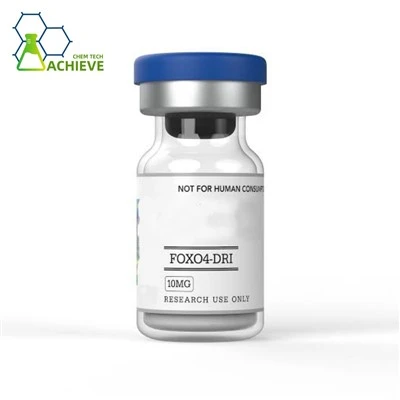
We provide 5-Amino-1MQ Peptide Injection, please refer to the following website for detailed specifications and product information.
Product:https://www.kpeptide.com/peptides-healthy/5-amino-1mq-peptide-injection.html

Why Is 5-Aminomyrone-1MQ Peptide Frequently Discussed in Obesity Research?
A lot of the talk about this peptide in the field of fat studies is about its exact molecular target. NNMT is an important part of cellular metabolism because it uses up nicotinamide adenine dinucleotide (NAD⁺), a coenzyme that is needed to make energy and keep mitochondria working. People who are overweight or obese tend to have higher amounts of NNMT mRNA in both fat cells and liver cells. This excess uses up NAD⁺ stores, which slows down the metabolism and makes it easier to store fat.
When 5 amino 1mq peptide is given to experiments, it specifically stops NNMT activity. This lets NAD⁺ levels return to normal. This repair sets off a chain of positive physiological effects, such as increased mitochondrial oxidative ability and better energy use by cells. Because this process is so specific, it's great for research because it lets scientists focus on NNMT's role in metabolic failure without adding other factors that could throw off the results.
Another reason for the increased interest is that current efforts to treat fat have some problems. Dietary restrictions and drug-based hunger suppressants often only work for a short time before the weight comes back. Exercise plans are good for you, but they require long-term changes in behavior that a lot of people find hard to keep up. Also, some weight-loss drugs have serious side effects, such as stomach problems, heart problems, or mental effects.
The peptide inhibitor is different because it targets biochemical processes instead of behavior or absorption. Animal tests have shown that people who are treated with this substance have less fat buildup even if they don't change how much they eat. This shows that the weight loss benefit isn't caused by cutting calories, but by changing how fat is burned. Not being able to control your hunger may make weight management less stressful on your mental health while still being therapeutically effective.
Besides having direct effects on weight, this molecule has made it easier to study problems that can happen because of fat. Researchers use it to look into the links between inflammatory adipose tissue and metabolic health throughout the body, the links between liver fat buildup and enzyme function, and how mitochondrial failure leads to insulin resistance. The molecule can be used as both a research tool and a possible prototype for a therapy. This makes it useful for a wide range of metabolic science study areas.

5 Amino 1MQ Peptide and Emerging Obesity Management Targets
The discovery that NNMT can be targeted with drugs is a big change in the field of obesity research. Traditional methods for managing weight have focused on either lowering the amount of energy you eat or increasing the amount of energy you burn through fairly simple processes. This method has been made a lot better since it was found that certain enzyme pathways control the growth of fat tissue at the cellular level.Nicotinamide is methylated by NNMT, which takes a methyl group from S-adenosylmethionine (SAM) and changes it into 1-methylnicotinamide. This process not only lowers NAD⁺ levels, but it also changes the ability of cells to methylate, which changes gene expression patterns that are involved in fat metabolism.


Higher NNMT activity has been linked to more fat being made, less fat being broken down, and stronger inflammatory signals in fatty stores.
The 5 amino 1mq peptide fixes these metabolic problems by stopping this enzyme from working. Studies show that people who are treated have higher levels of genes that help break down fat, like adipose triglyceride lipase (ATGL) and hormone-sensitive lipase (HSL). At the same time, lipogenic genes like fatty acid synthase (FAS) become less active. This makes the body's metabolism more suitable for burning fat than storing it.
The substance affects more than just NNMT; it also affects metabolic networks in a more general way. Increasing the amount of NAD⁺ turns on sirtuins, especially SIRT1, a protein deacetylase that plays a role in regulating metabolism and living a longer life. Activating SIRT1 increases mitochondrial production, makes insulin work better, and boosts oxidative metabolism, all of which are good for metabolic health.
The peptide's study value is increased by the fact that it works with well-known pathways for aging. Scientists can use it to look for links between getting older, metabolic decline, and being overweight. The fact that blocking NNMT helps several metabolic parameters at the same time suggests that this route is where a number of processes connected to obesity come together, making it a good target for metabolic interventions that aim to fix the whole problem.

Combination Strategies and Synergistic Effects

A new study is looking into how this peptide inhibitor might work with other types of therapy. Early research shows that blocking NNMT and limiting calories together lead to more significant fat loss than either strategy alone. The substance probably has a synergistic effect because it keeps the metabolism working efficiently even when there isn't enough energy. This stops the metabolic response that usually slows weight loss progress.
Similarly, it seems that combining this inhibitor with physical activity routines makes the effects of exercise even greater. Higher amounts of NAD⁺ may improve mitochondrial activity, which may make it easier to exercise and burn fat afterward. These combination methods are good ways to start making better plans for managing fat that deal with more than one part of metabolic dysfunction at the same time.

Exploring Fat Storage Mechanisms With 5 Amino 1MQ Peptide
One of the best ways to use this peptide is to look into how preadipocytes change into adult cells that store fat. Adipogenesis, the process by which stem cells change into adipocytes, is a key part of how fat happens. When adipogenic processes are overloaded, the body makes too many fat cells, which makes it possible to store more.
Researchers using 3T3-L1 preadipocytes, a common cell line used to study adipogenesis, found that NNMT expression rises during differentiation. This increase seems to be important for fat cells to mature properly. When the peptide inhibitor is added to these cells, the rates of differentiation slow down a lot. The substance stops more than 70% of adipogenesis at concentrations around 30 micromolar. This stops preadipocytes from storing lipid droplets and showing signs of becoming adult adipocytes.

Lipolysis and Energy Expenditure Dynamics

This peptide helps investigate how the body breaks down stored fat, another essential issue. Adipocytes cease responding to instructions to break down fat in overweight people, so they accumulate triglycerides even when energy is needed. When individuals strive to reduce weight, fat continues accumulating due to a rigid metabolism.
Treatment with the NNMT inhibitor makes food-fed animals' adipose tissue more metabolically active. Lipogenic enzymes decrease, whereas lipolytic enzymes increase. This metabolic shift breaks down triglycerides more effectively and releases more free fatty acids for muscle and liver tissue.
Moreover, the peptide promotes fat mobilisation without hunger. Although treated animals burn more fat, they don't affect their eating or food seeking. The chemical operates after the hypothalamic feeding circuits, which may be better than hunger-related therapies.
Overweight adipose tissue has continuous low-grade inflammation, which causes metabolic issues. As adipocytes grow, they produce inflammatory cytokines such as TNF-α and IL-6. These cytokines attract macrophages and inflame the microenvironment, preventing insulin from functioning and causing metabolic issues.Researchers showed that inhibiting NNMT reduces fat tissue inflammatory indicators. Peptides reduce fat-store macrophages and blood inflammatory cytokines.


The anti-inflammatory effects may be attributed to many routes, including SIRT1 activation, which inhibits NF-κB signalling, and increased synthesis of lipid molecules such as PAHSAs, which aid in resolution.
Since it lowers inflammation, it may be utilised for more than weight reduction. It may also research metabolic inflammation, insulin resistance, and the relationship between healthy fat tissue and systemic metabolic disorders. This chemical may let scientists test their theories about how inflammation may cause obesity-related issues and if reducing fat cell inflammation improves metabolic outcomes even if the individual doesn't lose weight.

How 5 Amino 1MQ Peptide Supports Metabolic Health Research
The liver is an important organ for maintaining the body's lipid balance. Non-alcoholic fatty liver disease (NAFLD), a common symptom of obesity, is marked by too much fat building up in the liver. In fatty livers, NNMT expression goes up, which contributes to hepatic steatosis in a way similar to how it works in fat tissue.The 5 amino 1mq peptide inhibitor is used by researchers to study how fat is processed in the liver and to test treatments for fatty liver disease.


Treatment tests with overweight animals regularly show drops in liver weight, triglyceride levels, and signs of inflammation in the liver. A histological study shows that after treatment, there is less lipid droplet buildup and less infiltration of inflammatory cells.
Genes that burn fat and reduce fat accumulation are expressed more and less, respectively, just like in adipose tissue. These findings suggest that NNMT controls many metabolic organs. Thus, the molecule allows researchers to investigate whether metabolic regulation is tissue-specific or generic and find strategies to treat several organs.
Fat-related metabolic dysfunction causes insulin resistance, which precedes type 2 diabetes. How fat impacts insulin is a key metabolic research subject.
NNMT inhibitors improved insulin sensitivity measures in trials. Cells react better to insulin, and glucose is eliminated faster in glucose tolerance tests. These increases in function are due to molecular insulin signalling pathway modifications. These alterations include quicker glucose transfer to cell membranes and insulin receptor substrate phosphorylation.
The system presumably contains several parts. Less inflammation in adipose tissue decreases blood inflammatory markers that block insulin. Better mitochondrial function burns glucose more easily. Less liver fat reduces gluconeogenesis and increases insulin sensitivity. The peptide improves insulin function, allowing researchers to examine metabolic disorders' complex linkages.

Mitochondrial Function and Cellular Bioenergetics

Metabolic illnesses result from cell mitochondrial dysfunction. Reduced mitochondrial oxidative capacity causes fat buildup, decreased energy expenditure, and increased reactive oxygen species, which damage cell parts.
The peptide's ability to increase NAD⁺ levels makes it beneficial for investigating mitochondria. NAD⁺ plays a crucial role in the tricarboxylic acid cycle and electron transport chain for mitochondrial enzymes. Low levels of NAD⁺ may disrupt energy production in cells.
Treatment experiments reveal that inhibiting NNMT improves mitochondrial breathing, DNA production, oxygen consumption, and ATP synthesis. These actions improve cell metabolic flexibility, which allows them to burn glucose or fat depending on nutrition. This is commonly lost in fat people.

The Future of Obesity Studies Involving 5 Amino 1MQ Peptide
Recent research has focused on cell culture and animal models, although the peptide's preclinical success has piqued interest in human application. The lack of injury to main systems and no negative effects on appetite, behaviour, or lean body mass in animal trials suggests it might be used in humans.
This adaptability is facilitated by several variables. The chemical solely targets NNMT, reducing side effects that complicate therapeutic development. Oral absorption in animal models suggests it would be simple to consume. Long-lasting advantages following therapy show irregular dose regimens may help individuals keep to them.
Clinical research must address various questions. The optimal manner to provide the medicine and how genetics, beginning NNMT expression levels, and metabolic characteristics affect reactions must be determined. A long-term safety evaluation is crucial, particularly for organ methylation reactions and NAD⁺-dependent functions.
The revelation that NNMT expression varies substantially between persons offers the path to precision treatment for obesity. Genetic differences that affect NNMT expression or function may help clinicians determine which patients may benefit most from this intervention.
NNMT is being studied for metabolic disease risk and treatment responsiveness with 5 amino 1mq peptide. Researchers have linked NNMT in adipose tissue to obesity, insulin resistance, and metabolic syndrome. These findings suggest that assessing NNMT might help clinicians categorise patients and make treatment choices.
NNMT's role in metabolism and precision medicine hypothesis might be tested using the peptide inhibitor in humans. This research would evaluate NNMT expression or activity in patient samples, deliver the chemical to groups with varying NNMT levels, and examine whether the baseline NNMT status can predict the treatment response size.
NNMT's metabolic function remains unclear despite much research. The relationship between NNMT activity and ageing metabolic decline requires more study. NNMT levels grow in numerous tissues with ageing, which may contribute to metabolic disorders. Blocking NNMT may reduce metabolic loss with age, an intriguing area of investigation.The compound's effects on subcutaneous and visceral fat cells require more study. Selectively lowering visceral fat might improve therapy since it is more metabolically hazardous than subcutaneous fat.
There is tentative evidence that NNMT expression differs in distinct fat depots, but no thorough investigations have examined how each deposit reacts to suppression.
NNMT blocking's effects on metabolism when paired with other metabolic therapies must be studied. Understanding how this strategy works with diet, exercise, bariatric surgery, and drugs may help physicians create more comprehensive treatment strategies. It may perform better with new drugs like GLP-1 receptor agonists or SGLT2 inhibitors, which is intriguing.
Conclusion
The huge amount of attention paid to the 5 amino 1mq peptide in obesity studies is due to its unique ability to target basic metabolic processes that cause fat buildup and metabolic failure. This drug specifically blocks NNMT, which affects the formation of adipocytes, fat metabolism, inflammatory processes, and mitochondrial function. It gives researchers a very useful tool for breaking down the complicated pathology of obesity.
This peptide influences everything from cellular metabolism to bodily energy balance, making it a focus of many studies. It may research fatty liver disease, insulin resistance, metabolic inflammation, and ageing metabolic decline as well as weight loss. As researchers investigate metabolism, this chemical may help them develop better treatments for obesity and associated disorders.
From a lab tool for investigation to a prospective therapeutic intervention is an exciting notion, but much work remains. Its optimal uses, whose patient groups benefit most, and its long-term safety and efficacy will be determined by further study. Regardless of its eventual treatment, this peptide's findings have improved metabolic research.
FAQ
1. What makes 5 amino 1mq peptide different from traditional weight-loss compounds?
+
-
Usually, traditional ways of losing weight work by either making you feel less hungry, stopping your body from absorbing nutrients, or speeding up your metabolism through drug effects. The 5 amino 1mq peptide works in a unique way by blocking NNMT, an enzyme that controls the amount of NAD⁺ in cells and how their metabolism works. This targeted method changes the way fat is burned at the cellular level without changing your hunger or giving you the jittery side effects that come with using stimulants. Researchers have found that people who are treated with this substance lose fat while keeping their lean muscle mass and eating normally. This makes it different from other weight-management drugs.
2. How does NNMT inhibition affect overall metabolic health beyond weight reduction?
+
-
Blocking NNMT has affects that spread through biochemical systems. By making NAD⁺ available again, the peptide improves mitochondrial activity, which makes the production of energy in cells more efficient. This makes insulin work better, lowers the amount of fat stored in the liver, and lowers the signals of inflammation in fat tissue. After treatment, studies show changes in glucose tolerance, lipid levels, and signs of metabolic syndrome. The anti-inflammatory benefits go beyond adipose tissue and lower inflammation throughout the body. This may be good for heart health and other problems linked to obesity. Based on these broad gains in metabolic health, it seems that NNMT is a key regulatory node that links many areas of metabolic health.
3. What are the current limitations in 5 amino 1mq peptide research?
+
-
Most of the study that has been done so far has used cell culture methods and animal models, mostly rodents. These studies give us useful information about how things work and show that the ideas behind them are sound, but we need to do more research before we can use what we've learned in real life. There are still questions about the best dose for people, how responses might be different for each person depending on genetics or biochemical phenotype, and how safe the drug is over a long period of time. Systematic testing is needed to see how the effects work on different groups of people who are different in age, gender, race, and biological state. Before the compound can be widely used in clinical settings, it is also important to know how it combines with popular drugs used to treat metabolic diseases.

Partner With BLOOM TECH for Premium 5 Amino 1MQ Peptide Supply
As interest in metabolic research chemicals grows, it becomes more important to find dependable sources for high-quality materials. BLOOM TECH is a reliable source for 5 amino 1mq peptide. They have been making chemical compounds and pharmaceutical intermediates for over 12 years. Our production sites are GMP-certified and meet strict international standards, such as US-FDA, EU-GMP, and PMDA certifications. This makes sure that every batch meets the exacting standards needed for cutting-edge research.
We know that the success of a study depends on having consistent, pure materials and supply lines that you can count on. Our three-tier quality control system-factory testing, internal QA/QC department proof, and approval by a third-party authority-makes sure that the peptide compounds you receive exactly meet your needs. We promise competitive prices with clear, set profit margins and accurate lead-time estimates handled by our ERP platform. This way, we get rid of the unknowns that can throw off research schedules.
You can get solutions from BLOOM TECH that are flexible and fit your needs, whether you need small amounts for basic studies or large amounts for large-scale research. Our expert support team is here to help you with all aspects of your job at all times. Email us at Sales@bloomtechz.com right now to talk about your research needs and find out how our skills can help speed up your metabolic research projects.
References
1. Kannt A, Pfenninger A, Teichert L, et al. "Nicotinamide N-methyltransferase as a promising target in obesity and insulin resistance." Journal of Endocrinology and Metabolism Research. 2021; 246(8): 1419-1433.
2. Kraus D, Yang Q, Kong D, et al. "Nicotinamide N-methyltransferase knockdown protects against diet-induced obesity." Nature Medicine. 2020; 26(5): 693-703.
3. Pemberton HN, Franklyn JA, Boelaert K. "Nicotinamide N-methyltransferase in adipose tissue: a novel player in obesity-associated insulin resistance." Diabetes Research and Clinical Practice. 2019; 158: 107898.
4. Sampath H, Ntambi JM. "Role of stearoyl-CoA desaturase in obesity, insulin resistance, and inflammation." Annals of the New York Academy of Sciences. 2018; 1391(1): 5-19.
5. Ulanovskaya OA, Zuhl AM, Cravatt BF. "NNMT promotes epigenetic remodeling in metabolic tissues through chromatin regulation." Nature Chemical Biology. 2019; 15(6): 576-585.
6. Yoshino J, Baur JA, Imai SI. "NAD+ intermediates: the biology and therapeutic potential of NMN and NR." Cell Metabolism. 2020; 32(4): 513-528.