


Weight management remains a persistent challenge across global populations, prompting researchers to investigate novel molecular targets that influence metabolism at fundamental levels. Among emerging compounds under scientific scrutiny, 5 amino 1mq peptide injection has captured attention through its unique mechanism involving nicotinamide N-methyltransferase (NNMT) inhibition. Unlike conventional weight loss approaches that primarily focus on caloric restriction or stimulant-based fat burning, this small molecule compound addresses cellular energy metabolism through biochemical pathway modulation. Understanding what current research reveals about this peptide's effects on body composition, adipose tissue, and metabolic parameters provides valuable context for scientists, pharmaceutical developers, and organizations exploring next-generation metabolic interventions.
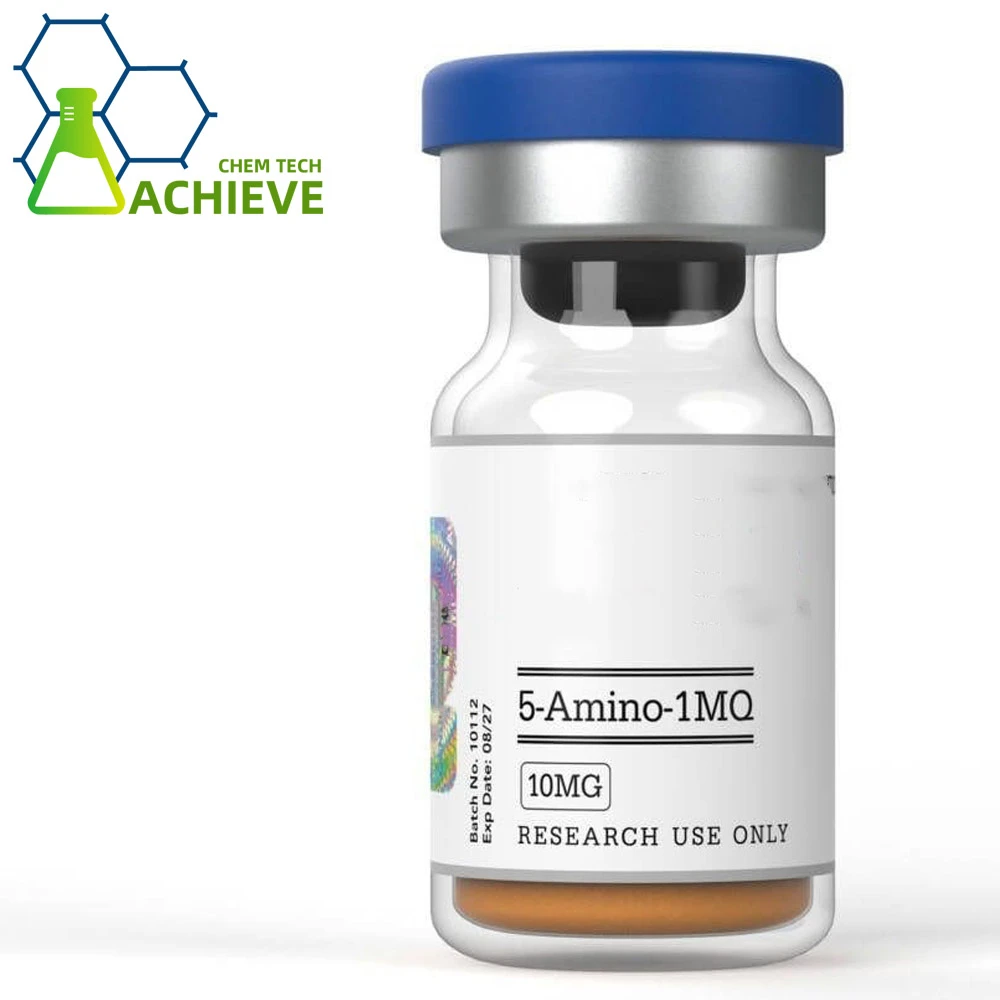
5-Amino-1MQ Peptide Injection
1.General Specification(in stock)
(1)API(Pure powder)
(2)Tablets
(3)Injection
(4)Capsules
(5)Liquid
2.Customization:
We will negotiate individually, OEM/ODM, No brand, for secience researching only.
Internal Code:KP-3-5/002
NNMTi CAS 42464-96-0
Molecular formula: C10H11N2.I
HS code: N/A
Molecular weight: 286.11
EINECS number: 464-196-0
Main market: USA, Australia, Brazil, Japan, Germany, Indonesia, UK, New Zealand , Canada etc.
Analysis: HPLC, LC-MS, HNMR
Technology support: R&D Dept.-4
The scientific community's interest in NNMT inhibition stems from observations linking this enzyme's overexpression with obesity, insulin resistance, and metabolic dysfunction. By examining preclinical models and cellular studies, researchers aim to map how targeting this specific enzyme might influence weight-related outcomes. The following sections explore what published research demonstrates about 5 amino 1mq peptide injection in various experimental contexts, from cellular mechanisms to whole-animal metabolic assessments.
How Is 5 Amino 1MQ Peptide Studied in Weight Loss Research Models?
Establishing Preclinical Research Frameworks
Researchers usually start their work on 5 amino 1mq in a controlled laboratory setting where they can carefully watch the variables. Rodents are used as diet-induced obesity models by researchers. These animals are fed high-fat diets to make their metabolisms work like people who are overweight. Scientists can use these models to see how NNMT inhibition changes weight patterns when it is added to people who are already overweight instead of as a way to avoid weight gain. To find dose-response links, experimental methods often include control groups, groups that are treated with a vehicle, and different dosing sets.
Researchers give the compound to animals in different ways, with subcutaneous injections being one of the most common. During observation periods, they keep track of their body weight, food intake, and activity levels. These tests last anywhere from a few weeks to a few months, and they give information on both short-term and long-term metabolic effects. Before the intervention starts,


body composition, glucose tolerance, and lipid levels are measured at baseline to find out the metabolic state of the person before treatment.
Measuring Metabolic Outcomes in Research Settings
In addition to measuring weight, full metabolism analyzes show how the 5 amino 1mq peptide injection changes different bodily factors. Researchers use glucose tolerance tests to find out how sensitive people are to insulin. These tests measure how well animals remove glucose from their bodies after being given a standard glucose challenge. By measuring how much oxygen is used and how much carbon dioxide is made using indirect calorimetry, we can see how energy is used and how substrates are utilized. Body composition study tells the difference between changes in lean mass and changes in fatty tissue. This helps us figure out if weight loss is mostly due to fat loss or also includes muscle tissue loss. In research settings, dual-energy X-ray absorptiometry and magnetic resonance imaging give researchers a lot of information about the composition of things.
These ways of doing things help researchers figure out if changes in weight are accompanied by changes in metabolic health markers, which are often more clinically important than weight numbers alone.

5 Amino 1MQ Peptide Injection and Adipose Tissue: What Do Researchers Examine?
Cellular Changes in Fat Tissue Architecture
Adipose tissue does more than just store energy; it's also an active endocrine organ that releases hormones and inflammatory mediators that affect metabolism throughout the body. The study of 5 amino 1mq peptide injection looks into how blocking NNMT changes the cellular properties of adipocytes, such as the distribution of cell size, the shape of lipid droplets, and signs of tissue inflammation. Studies show that treated animals' white adipose tissue often has less adipocyte hypertrophy, which means that fat cells stay smaller and healthier than in control animals.
Histological studies show changes in the structure of tissues, such as the number of capillaries and the patterns of immune cells invasion. When someone is overweight for a long time, macrophages tend to gather in adipose tissue. This causes inflammation, which makes insulin resistance worse. According to research, peptide treatment may change this inflammatory environment by keeping or growing anti-inflammatory M2 macrophages and decreasing the number of pro-inflammatory M1 macrophages.


These changes at the cellular level give us a better idea of how metabolic gains might happen that go beyond just losing weight.
Molecular Signaling in Adipocytes
At the cellular level, researchers look into how gene expression changes in fat tissue when NNMT is blocked. Researchers look at signs of lipogenesis, the biological process that makes new fat molecules, and lipolysis, the process that breaks down fat that has been stored. According to research, genes that help make fat, like fatty acid synthase and stearoyl-CoA desaturase-1, may be less active in animals that have been treated, while genes that help break down fat, like carnitine palmitoyltransferase and acyl-CoA oxidase, become more active.
These changes at the molecular level point to a major rewiring of fat tissue metabolism that favors burning energy over storing it. Scientists are also looking at how the amounts of nicotinamide adenine dinucleotide (NAD+) change in adipocytes, since NNMT's methylation action uses up this important metabolic cofactor.
When NNMT is blocked, more NAD+ may become available, which may activate sirtuins, which are protein deacetylases that help control metabolism. This could have a chain reaction affect on how cells use energy. Researchers can find possible synergies with other metabolic interventions and predict possible off-target effects when they understand these pathways.

How NNMT Inhibition May Affect Fat Storage and Lipid Metabolism
Enzymatic Targets and Metabolic Pathways
NNMT speeds up the N-methylation of nicotinamide, which uses up both nicotinamide and S-adenosylmethionine. This enzyme action puts a metabolic strain on pathways that make NAD+ and changes the amount of methylation that is available in all cells. Researchers think that when a 5 amino 1mq peptide injection stops this enzyme from working, the nicotinamide that builds up improves the NAD+ rescue pathways. This makes cellular NAD+ pools bigger, which decreases with age and metabolic disease.
When NAD+ levels rise, they start signaling pathways involving sirtuins, especially SIRT1 and SIRT3. These sirtuins control how mitochondria work, how fatty acids are burned, and how glucose is used. Research models show that these changes at the molecular level lead to less fat buildup in adipocytes and hepatocytes. As a key organ for metabolism, the liver is especially sensitive to these changes. Studies have shown that animals fed high-fat diets and treated with certain drugs had less hepatic steatosis, which means fatty liver infiltration.


Lipid Profiles and Circulating Metabolites
Researchers are also looking at how changes in lipid profiles in the body as a whole are affected by NNMT reduction. Triglycerides, cholesterol fractions, and free fatty acids in the blood show how lipids are used by the whole body. Studies that have already been published suggest that a 5 amino 1mq peptide injection may change these parameters, possibly lowering the amount of triglycerides in the blood and changing the make-up of lipoproteins. These changes point to either better lipid clearance or less lipid production in the liver.
Metabolomic analyzes, which look at all the small molecules in biological samples, show changes in metabolism that go beyond just measuring lipids. Changes in amino acid profiles, organic acids, and other metabolites are found by researchers. Together, these changes show that cellular metabolism has changed. These results help confirm mechanistic theories and discover biomarkers that might predict treatment response in future clinical uses.

5 Amino 1MQ Peptide and Energy Expenditure in Preclinical Weight Research
Mitochondrial Function and Thermogenesis
Energy consumption includes the body's resting metabolic rate, the energy used during activities, and thermogenesis, the process by which metabolism makes heat. Researchers are looking into whether blocking NNMT affects any of these parts. In cells, mitochondria are like power plants where nutrients are turned into energy that cells can use. How well mitochondria work is a key factor in how efficiently metabolism works. Studies that looked at fat tissue mitochondria from animals that had been treated found that the amount of mitochondrial DNA had risen. This suggests that mitochondrial biogenesis was sped up.
Functional tests measure how much oxygen is used in mitochondria that are separated, showing better breathing and connecting abilities. These changes show that cells from animals that were treated make more ATP, which is the cell's currency for energy, for each unit of fuel they use. Researchers who are interested in how energy is used are especially interested in improved mitochondrial activity in brown fat tissue,


which is specialized for thermogenesis. When brown fat is activated, the body uses more energy, which may help explain why research models lose weight.
Physical Activity and Behavioral Considerations
Researchers that study weight need to think about how changes in behavior could affect energy balance. Researchers keep an eye on the animals they are testing to see how they move on their own, how much food they eat, and how their diurnal rhythms work. Some studies show that metabolic changes happen even when people aren't doing more. This means that the benefits are on the metabolism itself, not on behavior. This difference is important when looking at possible uses because treatments that cause anxiety or hyperactivity as side effects have different risk-benefit profiles than those that only work thru metabolic mechanisms.
By measuring how much food you eat, you can tell if changes in your weight are due to less consumption or more expenditure. According to research,
5 amino 1mq peptide injection usually has metabolic effects without making people eat a lot less, which makes it different from appetite suppressants. Therefore, this feature shows that the substance mostly changes how nutrients are metabolized instead of limiting intake, which could help people lose weight while keeping their lean body mass.

What Can Animal Studies Tell Us About 5 Amino 1MQ Peptide and Body Composition?
Preservation of Lean Mass During Weight Loss
Changes in body composition during weight loss have a big impact on metabolic results and functional ability. Researchers have found a difference between programs that lose all kinds of tissues and those that only lose fat while keeping or increasing lean mass. Studies that look at 5 amino 1mq peptide injections check to see if muscle tissue stays the same or grows during treatment periods. Skeletal muscle can be tested for both function and structure using grip strength readings, running fitness tests, and muscle fiber analysis.
Publications show that peptide treatment may help keep lean tissue, and some studies show that muscle mass stays the same or gets better even when total weight is lost. This trend is different from when you limit calories only, which usually leads to equal losses of fat and muscle. Researchers are looking into how these effects happen to see if increased NAD+ availability and sirtuin activity in muscle tissue play a part.


These pathways affect protein production, mitochondrial content, and oxidative capacity in muscle tissue.
Regional Fat Distribution and Metabolic Risk
Not all fat tissue has the same effects on metabolism. Visceral fat, which is around the organs, is more strongly linked to metabolic disease risk than subcutaneous fat, which is under the skin. Researchers are looking into whether blocking NNMT affects certain fat depots more than others. Studies show that reducing the epididymal and retroperitoneal fat pads in rat models, which are similar to human visceral fat, may have metabolic health effects beyond just weight loss.
The way fat is distributed in a region affects inflammation and insulin sensitivity in two ways: mechanically and thru hormone signals. Visceral adipocytes have unique metabolic traits, such as higher rates of lipolysis and higher production of inflammatory cytokines. The study that looks into how the 5 amino 1mq peptide injection impacts these regional differences gives us a better idea of possible metabolism benefits.
Studies that look at inflammatory markers, adipokine profiles, and insulin signals in various fat stores help us learn more about the compound's overall metabolic effects.
Long-Term Metabolic Adaptation
Researchers studying metabolism need to think about how adaptive reactions might reduce long-lasting effects. When people lose weight, their bodies usually respond by slowing down their metabolism, making them feel more hungry, and making their metabolism work better, all of which make them gain the weight back. Scientists are looking into whether the effects of blocking NNMT last thru long treatment periods or whether changes in the body weaken the initial effects. Long-term studies that last for several months give information on how well the drug works over time and how tolerance might develop.
Withdrawal studies look at what happens when treatment stops, checking to see if metabolic improvements last or quickly go away. These studies look into useful questions like how long treatment needs to last and whether the benefits can last.

Figuring out how long metabolic changes last helps with planning development projects and being realistic about the kind of help that is needed for long-lasting metabolic improvement.

Conclusion
New study looking at 5 amino 1mq peptide injection in experimental weight loss models shows a chemical that has metabolic effects that go beyond just weight loss. This small molecule changes the body composition of experimental animals by blocking NNMT and affecting the energy metabolism of cells, the properties of adipose tissue, and lipid profiles. Studies show that insulin sensitivity gets better, fat mass goes down while lean tissue stays the same, and inflammatory and metabolic markers get better.
These preliminary results give us useful information about how things work, but we still need to do more study before we can use what we've learned from animals in people. Because of differences between people, the way our bodies work, and the need for long-term safety, we need to do a lot of clinical testing before we can say for sure what the therapeutic potential is. Researchers are still looking into the best ways to dose, how to combine methods with lifestyle changes, and how to find the groups of people who are most likely to gain from NNMT blocking.
Organizations working on metabolic health, biotechnology research, or making new medicines may find it useful to keep an eye on how this study environment is changing. Thru studies on animals, scientists have built a scientific basis that guides clinical research and shows mechanistic paths that can be targeted in different ways.
Frequently Asked Questions
1.What's different about 5 amino 1mq peptide injection from other weight loss drugs?
-
Unlike methods that use stimulants or appetite suppressants, this substance tackles cellular metabolism by blocking NNMT. This could change how cells process and store energy instead of just lowering intake or boosting stimulation. According to research, it has effects on mitochondrial activity, NAD+ metabolism, and the properties of fatty tissue that make it different from other ways of losing weight.
2.Researchers want to know how the 5 amino 1mq peptide injection affects metabolism. How do they do this?
-
For scientific studies, full evaluations are used, such as body composition analysis, glucose tolerance tests, indirect calorimetry to measure energy use, histological study of tissues, and molecular analysis of gene expression and metabolic pathways. These multifaceted methods give us more information than just weight readings.
3.What parts of the results of research on animals might be useful for people?
-
Core metabolic pathways involving NNMT, NAD+ metabolism, and sirtuin activation are found in all animal species, which suggests they may be important for human health. But because different species have different metabolisms, dosage needs, and long-term affects, we need to do specific clinical tests on humans before we can say for sure what the therapeutic uses are.
Partner With Kpeptide: Your Trusted 5 Amino 1MQ Peptide Injection Supplier
Access to high-quality research materials is becoming more and more important as research into metabolic interventions moves forward. Kpeptide is an approved 5 amino 1mq peptide injection supplier. They have more than 12 years of experience in organic synthesis and pharmaceutical intermediates. Because our manufacturing sites are GMP-certified, they meet the strict quality standards of the US, EU, Japan, and the CFDA. We provide full analytical documentation, batch consistency, and supply chain reliability to research institutions, biotechnology companies, and pharmaceutical companies.

To help you reach your research and development goals, our technical team gives you thorough certificates of analysis, HPLC and MS data, and legal advice. Kpeptide offers clear pricing, accurate lead times, and one-stop service backed by triple-layer quality verification, whether you need research-grade materials for preclinical studies or scalable production for clinical progress. Email our team at sales@kpeptide.com to talk about your specific needs and find out how our knowledge can help speed up your metabolic research projects.
References
1. Kraus D, Yang Q, Kong D, et al. Nicotinamide N-methyltransferase knockdown protects against diet-induced obesity. Nature. 2014;508(7495):258-262.
2. Komatsu M, Kanda T, Urai H, et al. NNMT activation can contribute to the development of fatty liver disease by modulating the NAD+ metabolism. Scientific Reports. 2018;8:8637.
3. Brachs S, Polack J, Brachs M, et al. Genetic nicotinamide N-methyltransferase (NNMT) deficiency in male mice improves insulin sensitivity in diet-induced obesity but does not affect glucose tolerance. Diabetes. 2019;68(3):527-542.
4. Ulanovskaya OA, Zuhl AM, Cravatt BF. NNMT promotes epigenetic remodeling in cancer by creating a metabolic methylation sink. Nature Chemical Biology. 2013;9(5):300-306.
5. Pissios P. Nicotinamide N-methyltransferase: more than a vitamin B3 clearance enzyme. Trends in Endocrinology and Metabolism. 2017;28(5):340-353.
6. Hong S, Moreno-Navarrete JM, Wei X, et al. Nicotinamide N-methyltransferase regulates hepatic nutrient metabolism through Sirt1 protein stabilization. Nature Medicine. 2015;21(8):887-894.


