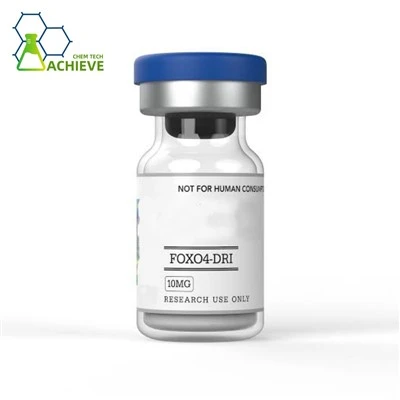

Researchers are discovering new metabolic techniques to study how our bodies control energy, assimilate nutrients, and maintain cellular homeostasis. Labs worldwide are interested in 5 amino 1mq peptide, a new research molecule. This small-molecule inhibitor lets researchers examine metabolic pathways that were previously impossible.
Specialised research techniques that target particular enzymes without disturbing other biological processes are needed to understand cellular metabolism. Targeted inhibitors like 5 amino 1mq peptide provide metabolic science research that wasn't conceivable a decade ago. This chemical helps researchers study energy consumption, fat metabolism, and cellular ageing.
The compound's selective inhibition of nicotinamide N-methyltransferase (NNMT) makes it useful for metabolic mechanism dissection. Researchers may selectively investigate how NNMT activity affects physiological processes, including adipocyte development and mitochondrial function. As metabolic problems continue to plague public health systems worldwide, research approaches that explain processes are crucial.

1.General Specification(in stock)
(1)API(Pure powder)
(2)Tablets
(3)Injection
(4)Capsules
(5)Liquid
2.Customization:
We will negotiate individually, OEM/ODM, No brand, for secience researching only.
Internal Code:KP-3-5/002
NNMTi CAS 42464-96-0
Molecular formula: C10H11N2.I
HS code: N/A
Molecular weight: 286.11
EINECS number: 464-196-0
Main market: USA, Australia, Brazil, Japan, Germany, Indonesia, UK, New Zealand , Canada etc.
Analysis: HPLC, LC-MS, HNMR
Technology support: R&D Dept.-4
We provide 5-Amino-1MQ Peptide Injection, please refer to the following website for detailed specifications and product information.
Product:https://www.kpeptide.com/peptides-healthy/5-amino-1mq-peptide-injection.html

Why Researchers Select 5 Amino 1MQ Peptide for Metabolic Pathway Investigation
Metabolic pathways are made up of hundreds of enzymes and control chemicals that work together. To study just one part of this complicated network, you need tools that can pick out that part very easily. The 5 amino 1mq peptide stands out because it targets NNMT directly and doesn't have a big effect on enzymes that are related to it. This selectivity is very important in research settings where scientists need to link the effects they see to a single molecular target.
Traditional ways of doing research often had problems with effects that weren't supposed to happen, and made it harder to understand the data. When a compound affects more than one enzyme at the same time, it's hard to figure out which process is responsible for the results seen. This problem is solved by the high specificity of this study peptide, which lets scientists safely connect changes in metabolism to blocking NNMT. This level of accuracy speeds up the study and cuts down on the number of control tests that need to be done.

Cell Membrane Permeability Supports Diverse Research Applications

This research compound's quinoline-based structure makes it very good at getting through cell membranes. This trait is very important for in vitro studies because the molecule needs to be able to get into grown cells well in order to stop them from working. Researchers who are dealing with adipocytes, hepatocytes, or other types of metabolic cells are interested in how easily this chemical can pass through cell membranes. This makes sure that the conditions of the experiments are the same for all cell lines.
The permeability of membranes can also change the dose-response relationships in research protocols. When compounds don't get into cells well, they need higher amounts to have the desired inhibitory effects, which could add more factors that aren't related to the main question. Because 5 amino 1mq peptide has a good permeability profile, researchers can work with lower concentrations and keep conditions that are physiologically relevant during experiments.
Findings that can be repeated and checked by more than one lab are essential for scientific progress. It's important for study chemicals to work the same way in all kinds of experiments, batches, and research groups. Using this NNMT inhibitor in studies has shown great reproducibility, with results from different labs being very similar in adipocyte differentiation tests, energy metabolism experiments, and NAD+ measurement studies.


This is possible because the substance is chemically stable and has a well-known way of stopping reactions. Researchers can safely plan tests because they know that differences in results are probably due to biological differences and not to poor performance of the compound. This trustworthiness speeds up research times and makes it more likely that published results are correct.

Understanding the Relationship Between 5 Amino 1MQ Peptide and NNMT Activity
Nicotinamide N-methyltransferase is an important factor in how cells use energy because it speeds up the methylation of nicotinamide. This enzyme action has a direct effect on the amount of NAD+ available in cells, which changes many metabolic processes that need this important coenzyme. NNMT levels are different in different tissues, with the highest levels found in adipose tissue and the liver, which are two important organs for the metabolism of the whole body.
The activity of the enzyme changes metabolic flexibility, which is the body's ability to use different fuel sources based on what's available. When NNMT activity is high, NAD+ pools get smaller, which could affect mitochondrial function and make it harder for cells to make energy. Figuring out how blocking NNMT can undo these effects can help us understand metabolic problems that cause many health problems.

Mechanism of NNMT Inhibition

The 5 amino 1mq peptide stops NNMT from working by binding to the enzyme's active site and blocking it. The quinolinium structure of the molecule is enough like the natural substrate to fill the catalytic site, but it lacks the chemical groups needed for methylation to happen. This competitive reduction raises the amount of NAD+ inside cells by stopping nicotinamide methylation and the following use of NAD+.
Researchers have found that this substance blocks NNMT in a way that depends on the dose, with higher doses blocking the enzyme more completely. Researchers can use this connection to measure different levels of inhibition and look into how different levels of NNMT activity affect metabolic results. Dose-response studies like these have found peak effects and the best inhibition levels for various research purposes.
Increasing the amount of NAD+ in cells by blocking NNMT starts a number of important metabolic pathways. Sirtuins are a group of NAD+-dependent deacetylases that control how genes are expressed in ways that affect how cells use energy, how mitochondria work, and how they react to stress. When 5 amino 1mq peptide makes more NAD+ available, sirtuin activity goes up too, especially SIRT1, which affects how adipocytes differentiate and how fat is used in the body.


Researchers have shown that more NAD+ makes mitochondrial oxidative phosphorylation better, which makes the process of making energy in cells more efficient. Higher rates of oxygen consumption are signs of this effect in treated cells and higher rates of energy use in animal models. These findings have led to research into how NAD+ regulation might help fix metabolic problems linked to obesity and related diseases.

Metabolic Functions Studied Through 5 Amino 1MQ Peptide Research Models
Adipocyte differentiation is one of the most important processes in the biology of adipose tissue. It is the process by which stem cells become adult adipocytes that store fat. Coordinated production of transcription factors, especially PPARγ and C/EBPα, starts genes needed for making and storing lipids during the development process. Using the 5 amino 1mq peptide in research has shown that blocking NNMT makes adipogenesis much less effective.
Using 3T3-L1 preadipocytes in in vitro experiments shows that treating them with this study substance lowers the number of cells that are able to finish differentiating. Cultures that have been treated have less lipid droplet buildup and less expression of genes that identify adipocytes. The results show that NNMT activity may help adipogenesis happen by keeping NAD+ levels low, which is good for a metabolic state that makes fat storage easier.

Lipolysis and Energy Substrate Utilization

This study's substance changes not only how new adipocytes are made, but also how old adipocytes deal with stored fats. Lipolysis, the process by which triglycerides are broken down into free fatty acids and glycerol, is an important biological process that releases energy that has been saved. Researchers have found that blocking NNMT increases the ability of adult adipocytes to break down fat by raising the levels of important enzymes like adipose triglyceride lipase (ATGL) and hormone-sensitive lipase (HSL).
This greater lipolysis happens at the same time as more fatty acid oxidation, which suggests that lipid mobilisation and utilisation are working together better. Researchers see that treated adipocytes use more oxygen, which suggests that freed fatty acids are oxidised in the mitochondria instead of just being moved to other storage places. Animal research models treated with 5 amino 1mq peptide demonstrate increased whole-body energy expenditure without corresponding increases in food intake.
Adipose tissue in obese people has chronic low-grade inflammation, which makes metabolic problems and insulin resistance worse. There is a link between NNMT expression and inflammatory marker levels in adipose tissue, which suggests a mechanism. Using this NNMT inhibitor in research has shown how enzyme activity affects signalling pathways that cause inflammation in fat deposits.


Anti-inflammatory cytokines, such as TNF-α and IL-6, are less present in treated fat tissue. When NNMT is blocked, macrophage infiltration, a sign of adipose inflammation, goes down a lot. It looks like these anti-inflammatory benefits are caused by increasing NAD+ and then activating SIRT1, which stops the NF-κB signalling pathway. Insulin sensitivity gets better, glucose tolerance gets better, and signs of systemic inflammation get lower.

How 5 Amino 1MQ Peptide Helps Explore Cellular Energy Regulation
Through a process called oxidative phosphorylation, mitochondria turn nutrients into energy that cells can use. This process depends very much on NAD+ being available because this coenzyme is involved in many steps along the electron transport chain. By elevating cellular NAD+ through NNMT inhibition, the 5 amino 1mq peptide provides researchers with a tool to investigate how the lack of NAD+ affects mitochondrial activity.
Studies that track mitochondrial respiration in cells that have been treated show that they use more oxygen in a number of different respiratory states. Both basal respiration and maximal respiratory capacity go up, which means that there are more mitochondria or each one is working better. More research shows that both processes work together, with NNMT inhibition encouraging mitochondrial biogenesis while also making mitochondria more efficient.

Metabolic Flexibility and Substrate Switching

Metabolic flexibility means being able to switch between oxidising glucose and lipids efficiently based on the supply of substrates. Many metabolic diseases are marked by a lack of metabolic flexibility, which can lead to insulin resistance and problems with energy metabolism. Researchers are using this NNMT inhibitor to look into how the availability of NAD+ affects the choice of substrate and the ability to switch.
When cells are treated with the compound, they are better able to burn fatty acids when glucose levels drop. This increased adaptability shows that NAD+ levels affect the control systems that decide which fuel to use. Molecular studies show that the expression patterns of genes that control glucose and lipid metabolism have changed, suggesting that transcriptional reprogramming is taking place to make metabolism more flexible.
Metabolic stresses happen all the time to cells, and they need to change to keep balance. Signalling pathways that depend on NAD+ are very important for finding metabolic stress and dealing with it. Researchers using the 5 amino 1mq peptide are looking into how blocking NNMT affects cells' ability to sense stress and adjust.


When NAD+ levels rise, they set off stress response pathways like AMPK and sirtuins, which help the body's metabolism change. These pathways improve the quality control of proteins, boost antioxidant defences, and make energy production more efficient. Cells that have been treated are better able to handle different metabolic stresses, which suggests that blocking NNMT makes cells stronger and enhances cellular resilience.

Research Opportunities Created by 5 Amino 1MQ Peptide in Metabolism Studies
The liver is an important part of systemic lipid metabolism because it breaks down fats from food and controls how fats are distributed throughout the body. There is a lot more NNMT in the liver when metabolism isn't working right, which suggests that this enzyme plays a role in metabolic diseases that affect the liver. Because selective NNMT inhibitors like 5 amino 1mq peptide enable detailed investigation of hepatic NNMT function.
Researchers have found that blocking NNMT lowers the buildup of liver lipids in models of obesity caused by food. Liver tissues that have been treated have less cholesterol, smaller lipid droplets, and better hepatocyte shape. Mechanistic studies show that changes in the expression of lipogenic and lipolytic genes work together to make fat burning more likely than storage, mirroring observations in adipose tissue.
Large parts of the body's glucose clearance and energy use are controlled by skeletal muscle. To improve metabolic health, it is still important to understand how muscles control their metabolism. Even though they haven't been studied as much as NNMT functions in fat or the liver, chemicals like this peptide inhibitor are opening up new areas of study in muscles.
According to an early study, blocking NNMT may change the way muscles use energy, which could lead to better oxidative ability and insulin sensitivity. Genes that help mitochondria work and burn fat are expressed more strongly in muscles that have been treated. Researchers who looked at how exercise affected NNMT-inhibited models found that they had better healing from metabolic stress and more endurance.
Most of the time, metabolic dysfunction is caused by problems with more than one pathway. Instead, many interconnected systems work together to make diseases worse. Combining NNMT inhibition with other treatments in research plans can help us understand how pathways combine and find processes that work together. Combining the 5 amino 1mq peptide with changes in food, other drugs, or genetic changes has been shown to show how NNMT activity affects larger metabolic networks.
Combination studies with calorie restriction show benefits that are greater than the sum of the benefits of either strategy alone. Similarly, research that combines NNMT inhibition with other NAD+ precursors tries to find out if using more than one way to increase NAD+ is more effective than using just one. These combination strategies help researchers map metabolic pathway dependencies and hierarchies.
Conclusion
Metabolic research has advanced due to the discovery of NNMT-dependent pathways using 5 amino 1mq peptide. It may be used to examine adipocyte differentiation and whole animal metabolism because of its specific blocking profile, high cell permeability, and repeatability. Researchers observed that this chemical alters how NNMT activity influences NAD+, mitochondrial function, inflammatory signals, and metabolic flexibility.
These discoveries go beyond fundamental science to explain how metabolic failure causes obesity, hepatic steatosis, and metabolic decline with age. Without these molecular tools, testing theories would be difficult or impossible. A selective enzyme inhibitor like this peptide will be required to break down complex biological systems and discover applications for what scientists have learned as metabolic research advances.
FAQ
1. What concentration ranges of 5 amino 1mq peptide are typically used in cell culture research?
Tens to fifty micrometres of a substance are usually used in research methods for in vitro adipocyte differentiation studies. Thirty micrometres is a common quantity that stops adipogenesis in about 70% of cases. Lower concentrations (10–20 μM) work well for dose-response studies, while higher concentrations (up to 50 μM) help find the strongest inhibitory effects. The best amounts rely on the type of cell, the length of treatment, and the specific study goals. To find the right concentrations for their individual experimental systems, researchers should first do dose-response tests.
2. How does 5 amino 1mq peptide differ from NAD+ precursor supplements in research applications?
Both methods try to raise the amount of NAD+ in cells, but they do so in different ways. NAD+ sources, such as nicotinamide riboside or nicotinamide mononucleotide, directly add to the NAD+ biosynthesis route and provide more materials for making NAD+. 5 amino 1mq peptide, on the other hand, stops NAD+ from being used up by blocking NNMT, which methylates nicotinamide and slows down NAD+ regeneration. These two processes work together to change biochemical pathways and gene expression patterns in different ways. Comparing the two approaches in research helps show which NAD+-related processes cause certain metabolic outcomes.
3. What storage conditions maintain the stability of 5 amino 1mq peptide for research use?
Proper keeping keeps compounds stable and makes sure that testing results can be repeated. The peptide should be kept as a dry powder at -20°C or lower, away from light and moisture. Once reconstituted in the right solvents (usually DMSO for stock solutions), aliquots should be kept at -20°C and should only be thawed once so that the substance doesn't break down from repeated freeze-thaw cycles. Working solutions made in cell culture media should be used within 24 hours and kept in the fridge when they're not being used right away. These ways of storing compounds keep them intact and make sure that the blocking activity stays the same from one testing session to the next.

Partner with BLOOM TECH for Premium 5 Amino 1MQ Peptide Supply
When your metabolic research demands exceptional quality and reliability, BLOOM TECH stands ready as your trusted 5 amino 1mq peptide supplier. With over 12 years of experience in organic synthesis and pharmaceutical intermediates, we provide research-grade compounds backed by comprehensive analytical documentation, including HPLC and MS data. Our GMP-certified facilities-approved by US-FDA, EU, JP, and CFDA-ensure consistent batch quality that meets the stringent requirements of pharmaceutical companies, biotechnology organizations, and research institutions worldwide.
Beyond supplying premium research compounds, we offer complete technical support, flexible packaging options, and transparent pricing that reflects our commitment to long-term partnerships. Our quality assurance process includes triple verification-in-factory testing, our internal QA/QC department review, and third-party certification by recognized Chinese authorities. Should any contracted specification fail to meet standards, we provide full refunds, demonstrating our confidence in product quality.
Connect with our professional team to discuss your research requirements and discover how BLOOM TECH's one-stop service platform can accelerate your metabolic studies. Contact us at Sales@bloomtechz.com to request detailed product specifications, pricing information, or technical consultation. Let us support your groundbreaking research with the quality and reliability you deserve.
References
1. Komatsu M, Kanda T, Urai H, Kurokochi A, Kitahama R, Shigaki S, et al. NNMT activation can contribute to the development of fatty liver disease by modulating the NAD+ metabolism. Scientific Reports. 2018;8(1):8637.
2. Kraus D, Yang Q, Kong D, Banks AS, Zhang L, Rodgers JT, et al. Nicotinamide N-methyltransferase knockdown protects against diet-induced obesity. Nature. 2014;508(7495):258-262.
3. Ulanovskaya OA, Zuhl AM, Cravatt BF. NNMT promotes epigenetic remodeling in cancer by creating a metabolic methylation sink. Nature Chemical Biology. 2013;9(5):300-306.
4. Hong S, Moreno-Navarrete JM, Wei X, Kikukawa Y, Tzameli I, Prasad D, et al. Nicotinamide N-methyltransferase regulates hepatic nutrient metabolism through Sirt1 protein stabilization. Nature Medicine. 2015;21(8):887-894.
5. Neelakantan H, Vance V, Wetzel MD, Wang HL, McHardy SF, Finnerty CC, et al. Selective and membrane-permeable small molecule inhibitors of nicotinamide N-methyltransferase reverse high fat diet-induced obesity in mice. Biochemical Pharmacology. 2018;147:141-152.
6. Campagna R, Mateuszuk L, Wojnar-Lason K, Kaczara P, Tworzydlo A, Kij A, et al. Nicotinamide N-methyltransferase in endothelium protects against oxidant stress-induced endothelial injury. Biochimica et Biophysica Acta - Molecular Cell Research. 2021;1868(1):118886.