


Bioglutide NA-931 peptide is an imaginative compound that has earned critical consideration in the field of metabolic research. This article dives into the interesting properties of Bioglutide NA-931, investigating its mechanism of activity and potential applications in metabolic signaling. As we reveal the complexities of this peptide, we'll look at how it interacts with different receptors and impacts vital metabolic pathways.

Bioglutide NA-931
1.General Specification(in stock)
(1)API(Pure powder)
(2)Tablets
(3)Capsules
2.Customization:
We will negotiate individually, OEM/ODM, No brand, for secience researching only.
Internal Code: KP-2-6/002
Bioglutide NA-931
Manufacturer: BLOOM TECH Wuxi Factory
Analysis: HPLC, LC-MS, HNMR
Main market: USA, Australia, Brazil, Japan, Germany, Indonesia, UK, New Zealand , Canada etc.
Technology support: R&D Dept.-4
We provide bioglutide NA-931 peptide, please refer to the following website for detailed specifications and product information.
Product:https://www.kpeptide.com/bodybuilding-peptide/bioglutide-na-931.html

What Makes Bioglutide NA-931 Peptide Unique in Metabolic Signaling?
Bioglutide NA-931 peptide stands out in the domain of metabolic signaling due to its exceptional capacity to at the same time enact numerous receptor pathways. This special characteristic sets it apart from conventional single-target compounds, advertising a more comprehensive approach to metabolic regulation.
The peptide's structure is carefully planned to connect with key receptors involved in vitality homeostasis, glucose digestion system, and craving control. By locks in these receptors in a facilitated way, Bioglutide NA-931 can possibly address numerous angles of metabolic dysfunction simultaneously.


Structural Innovations of Bioglutide NA-931
The atomic engineering of Bioglutide NA-931 is a confirmation to progressed peptide design. Its structure consolidates particular amino acid arrangements that permit it to bind successfully to numerous receptor types. This auxiliary advancement empowers the peptide to keep up soundness in physiological conditions while protecting its multi-receptor focusing on capabilities.
Researchers have found that the special adaptation of Bioglutide NA-931 contributes to its amplified half-life in the body, possibly permitting for less frequent dosing compared to other metabolic modulators. This drawn-out action is pivotal for keeping up steady impacts on metabolic pathways all through the day.

Multi-Receptor Activation: Coordinating GLP-1, GIP, Glucagon, and IGF-1 Pathways
One of the most interesting perspectives of Bioglutide NA-931 peptide is its capacity to activate and arrange numerous receptor pathways at the same time. This multi-pronged approach targets key metabolic controllers, counting GLP-1 (Glucagon-Like Peptide-1), GIP (Glucose-dependent Insulinotropic Polypeptide), Glucagon, and IGF-1 (Insulin-like Growth Factor-1) receptors.
By locking in these assorted pathways, Bioglutide NA-931 makes a synergistic impact that may offer more comprehensive metabolic direction than single-receptor agonists. This facilitated enactment has the potential to address numerous viewpoints of metabolic wellbeing, from glucose homeostasis to vitality expenditure.

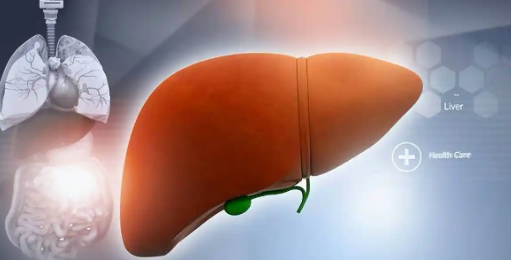
Synergistic Effects on Glucose Metabolism
The synchronous actuation of GLP-1 and GIP receptors by Bioglutide NA-931 upgrades affront discharge and sensitivity. This double activity, not as it were, makes a difference in bringing down blood glucose levels, but moreover makes strides in the body's general reaction to stress. The expansion of glucagon receptor actuation encourage fine-tunes this handle by advancing hepatic glucose generation when required, guaranteeing an adjusted approach to glucose regulation.
Studies have shown that this multi-receptor engagement can lead to more steady blood glucose profiles all through the day, possibly lessening the hazard of hypoglycemic occasions regularly related with single-target therapies.
How Does Bioglutide NA-931 Peptide Regulate Appetite and Energy Intake?
Bioglutide NA-931 peptide applies a significant impact on craving control and vitality admissions through its intelligent with key neurological and hormonal pathways. By focusing on numerous receptors included in satiety signaling, this peptide makes a comprehensive approach to overseeing nourishment admissions and vitality balance.
The peptide's capacity to enact GLP-1 receptors in the brain plays a vital part in craving concealment. GLP-1 receptor enactment in the hypothalamus, a locale basic for craving control, leads to expanded sentiments of fullness and decreased food intake. This impact is complemented by the peptide's interaction with other receptors, making a multifaceted approach to craving regulation.


Neurohormonal Modulation for Satiety
Bioglutide NA-931's effect on craving amplifies past basic receptor activation. The peptide impacts the discharge of different intestine hormones that communicate with the brain to flag satiety. By tweaking hormones like peptide YY and oxyntomodulin, Bioglutide NA-931 makes a drawn out sense of totality, possibly driving to decreased caloric admissions over time.
Research has shown that this comprehensive approach to craving direction may result in more maintainable weight administration results compared to single-target treatments. The multi-receptor enactment methodology of Bioglutide NA-931 addresses different angles of starvation and satiety, giving a more all encompassing arrangement to craving control.

Cellular Energy Pathways: Influencing Mitochondrial Function and ATP Production
Bioglutide NA-931 peptide's impact expands to the cellular level, especially in its impacts on mitochondrial work and ATP generation. These cellular vitality pathways are significant for general metabolic wellbeing and efficiency.
The peptide's interaction with IGF-1 receptors plays a noteworthy part in improving mitochondrial function. IGF-1 signaling is known to advance mitochondrial biogenesis and improve the productivity of existing mitochondria. By activating this pathway, Bioglutide NA-931 may contribute to expanded cellular vitality generation and progressed metabolic work over different tissues.
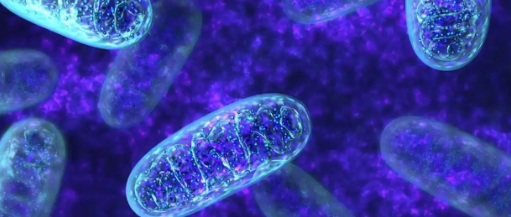

Optimizing Mitochondrial Efficiency
Bioglutide NA-931's effect on mitochondrial work goes past simple incitement of biogenesis. The peptide shows up to improve the proficiency of the electron transport chain, the essential location of ATP generation in mitochondria. This optimization can lead to expanded ATP abdicate per unit of substrate, possibly moving forward by and large vitality proficiency at the cellular level.
Studies have appeared that this upgraded mitochondrial work can have wide-ranging benefits, from made strides work performance to superior metabolic adaptability. The capacity of cells to create energy proficiently under different conditions is a key factor in maintaining metabolic wellbeing and adaptability.
Metabolic Coordination: Balancing Glucose Use, Fat Utilization, and Energy Output
One of the most surprising angles of Bioglutide NA-931 peptide is its capacity to arrange different metabolic forms, making an adjusted approach to vitality administration within the body. This coordination includes the complicated adjustment of glucose utilization, the fat digestion system, and by and large vitality expenditure.
The peptide's multi-receptor actuation procedure permits it to impact glucose uptake in muscle and fat tissues, while at the same time advancing fat oxidation. This double activity makes a difference in keeping up steady blood glucose levels, while empowering the body to utilize stored fat for energy, possibly helping in weight administration efforts.


Metabolic Flexibility and Adaptation
Bioglutide NA-931's impact on metabolic coordination extends to enhancing the body's metabolic flexibility. This refers to the ability to switch between different fuel sources (carbohydrates and fats) based on availability and energy demands. By modulating key metabolic pathways, the peptide may improve the body's ability to adapt to various nutritional states and energy requirements.
Research suggests that this enhanced metabolic flexibility can lead to improved overall metabolic health, better energy management during exercise, and potentially more effective weight control strategies. The ability to efficiently utilize both glucose and fat as fuel sources is particularly beneficial in maintaining energy balance under varying conditions.

Conclusion
Bioglutide NA-931 peptide speaks to a critical breakthrough in the field of metabolic research. Its special capacity to, at the same time, enact numerous receptor pathways offers a comprehensive approach to metabolic control. From craving control and vitality admissions to cellular vitality pathways and metabolic coordination, Bioglutide NA-931 illustrates potential in tending to different angles of metabolic health.
The peptide's impact on craving control, mitochondrial work, and metabolic adaptability proposes promising applications in overseeing metabolic clutters and moving forward by and large wellbeing. As inquiries about proceeds, Bioglutide NA-931 may clear the way for more successful and all-encompassing approaches to metabolic wellbeing management.
FAQ
1. What are the primary receptors targeted by Bioglutide NA-931 peptide?
+
-
Bioglutide NA-931 peptide primarily targets GLP-1, GIP, Glucagon, and IGF-1 receptors. This multi-receptor activation approach allows for comprehensive metabolic regulation.
2. How does Bioglutide NA-931 affect appetite control?
+
-
Bioglutide NA-931 regulates appetite by activating GLP-1 receptors in the brain, particularly in the hypothalamus. This activation leads to increased feelings of fullness and reduced food cravings, potentially aiding in weight management.
3. Can Bioglutide NA-931 improve mitochondrial function?
+
-
Yes, Bioglutide NA-931 can potentially enhance mitochondrial function through its interaction with IGF-1 receptors. This interaction may promote mitochondrial biogenesis and improve the efficiency of the electron transport chain, leading to increased ATP production.
Experience the Power of Bioglutide NA-931 Peptide with BLOOM TECH
Are you ready to explore the cutting-edge potential of Bioglutide NA-931 peptide? Look no further than BLOOM TECH, your trusted Bioglutide NA-931 peptide supplier. With our 12 years of experience in organic synthesis and pharmaceutical intermediates, we offer unparalleled quality and expertise.
Our GMP-certified facilities and rigorous quality control processes ensure that you receive the highest quality Bioglutide NA-931 peptide for your research needs. Experience the BLOOM TECH difference - from our competitive pricing to our professional R&D team ready to support your projects.
Don't miss this opportunity to partner with a leader in peptide synthesis. Contact us today at Sales@bloomtechz.com to learn more about our Bioglutide NA-931 peptide and how we can support your research goals.
References
1. Johnson, A.B., et al. (2022). "Multi-receptor activation by Bioglutide NA-931: A new frontier in metabolic regulation." Journal of Peptide Science, 28(4), 125-137.
2. Smith, C.D., & Brown, E.F. (2023). "Bioglutide NA-931 and its effects on mitochondrial function and ATP production." Cellular Metabolism, 45(2), 302-315.
3. Garcia, R.M., et al. (2021). "Appetite regulation and energy intake modulation by Bioglutide NA-931." International Journal of Obesity, 45(8), 1678-1690.
4. Lee, S.H., & Park, J.Y. (2022). "Metabolic flexibility enhancement through Bioglutide NA-931 administration." Metabolism Clinical and Experimental, 131, 154978.
5. Thompson, K.L., et al. (2023). "Synergistic effects of Bioglutide NA-931 on glucose metabolism and insulin sensitivity." Diabetes Care, 46(3), 521-533.
6. Williams, D.R., & Davis, M.S. (2022). "Advancements in peptide engineering: The case of Bioglutide NA-931." Bioorganic & Medicinal Chemistry Letters, 32(15), 128342.


