


How our cells produce energy may provide amazing information on weight control, energy production and good ageing. A synthetic tiny molecule meant to affect the way cells utilise energy at the most basic level is 5 amino 1mq peptide injection, one of the new molecules that is gaining traction in metabolic research. This substance is an interesting cross-section of biochemistry and metabolic science. For biologists this offers a unique instrument to probe cellular energy pathways.

5-Amino-1MQ Peptide Injection
1.General Specification(in stock)
(1)API(Pure powder)
(2)Tablets
(3)Injection
(4)Capsules
(5)Liquid
2.Customization:
We will negotiate individually, OEM/ODM, No brand, for secience researching only.
Internal Code:KP-3-5/002
NNMTi CAS 42464-96-0
Molecular formula: C10H11N2.I
HS code: N/A
Molecular weight: 286.11
EINECS number: 464-196-0
Main market: USA, Australia, Brazil, Japan, Germany, Indonesia, UK, New Zealand , Canada etc.
Analysis: HPLC, LC-MS, HNMR
Technology support: R&D Dept.-4
Scientists have discovered that several enzymes regulate important metabolic activities in our cells. Hyperactive forms of these enzymes may upset the delicate balance of cellular metabolism and may be involved in metabolic diseases and age-related decline. The 5 amino 1mq peptide injection works by targeting one such enzyme, producing a cascade of metabolic changes that experts think may help promote better cellular function and enhanced energy utilisation.
This article discusses the science of 5 amino 1mq, its effects on cellular metabolism, the implications of inhibiting the target enzyme, and the importance of this study for our knowledge of metabolic health.

What Is 5 Amino 1MQ Peptide Injection and What Is It Designed to Study?
The Scientific Foundation of 5 amino 1mq
In the laboratory we synthesised a tiny chemical, 5 amino 1mq. It doesn't occur naturally in the body. We worked hard in the lab to produce this stuff. It has unique qualities chemically that allow it to interact with enzymes in cells in very precise ways. This molecule is different from amino acid chains since it is composed of quinoline chains, not amino acid chains. This provides it highly steady metabolism and exceptional binding properties.
To better understand cellular metabolism, the researchers synthesised the molecule. Scientists are interested in questions such as how to boost energy production within cells, how fat is processed in various enzyme states, and how cells manage to remain performing as they age. Scientists employ preclinical models to explore the metabolic pathways that alter body composition, insulin sensitivity and cellular ageing.
Research Applications in Metabolic Studies

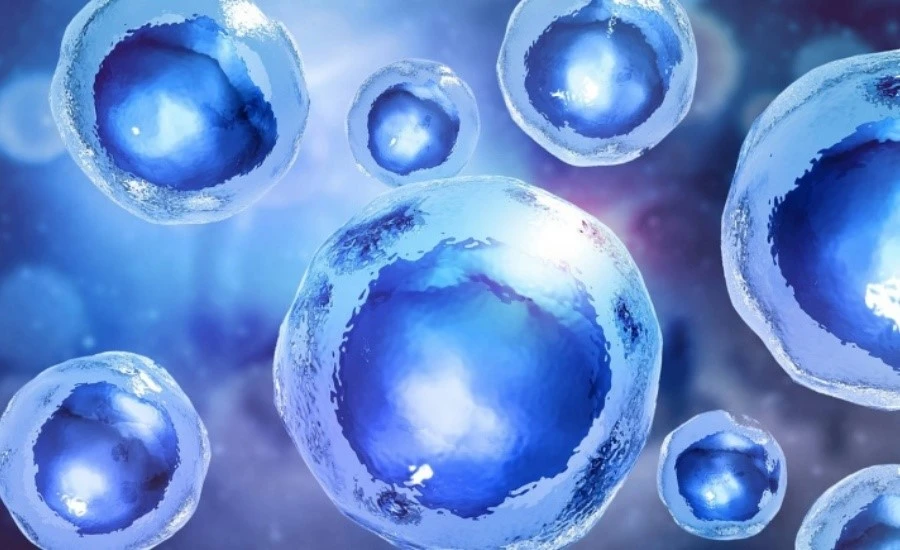
The 5 amino 1mq peptide injection is now a useful tool for researchers who want to see how different biochemical processes are connected. Researchers have looked into how it affects the digestion of fat tissue. It seems to change how energy is stored and used by fat cells. Researchers have found that this substance changes how much weight people have, how fat they have, and how their bodies respond to insulin.
Scientists are also interested in how this chemical changes signs of cellular age, which has nothing to do with weight. In preclinical studies, changes in mitochondrial function, inflammatory signaling pathways, and the ways cells heal have been looked at. Metabolic enzymes have a big impact on the health and life of cells, and these studies help us understand that. This might help us figure out why metabolisms slow down as people age.
Distinguishing Features of This Research Compound
This substance is very interesting for metabolic study because of what it does and how it works. Instead of changing many processes at once, it focuses on a single enzyme that breaks down nicotinamide.
Researchers can separate the effects of this specific metabolic route because it is so specific. In a test, this helps you see how one thing can lead to another thing happening. The substance is stable and has effects that can be measured. This means that it can be used in controlled research methods that need the same results every time, even if the experiment is changed.

How Does 5 Amino 1MQ Peptide Target the NNMT Enzyme?
Understanding Nicotinamide N-Methyltransferase Function
The 5 amino 1mq peptide injection is meant to target an enzyme called nicotinamide N-methyltransferase, or NNMT. It is very important for cell metabolism that this enzyme works quickly to change vitamin B3 nicotinamide into methyl form. Nicotinamide is changed into N-methylnicotinamide by NNMT in healthy bodies. S-adenosylmethionine is used as a methyl contributor. After that, cells get rid of this N-methylnicotinamide.
The amount of NNMT expressed in different tissues is very different. There is a lot of activity in fat tissue, the liver, and some parts of the brain. Scientists have discovered that NNMT activity tends to rise in metabolic dysfunctional conditions such as metabolic syndrome, obesity, and insulin resistance. Scientists are now trying to figure out if lowering NNMT activity could help the metabolism because of this study.
Nicotinamide adenine dinucleotide (NAD+) and S-adenosylmethionine (SAM) are two important biochemical helpers that are changed by the enzyme's activity. When NNMT is active at high amounts,


it uses up these cofactors more quickly. This could damage metabolic processes that depend on these molecules and drain cellular stores.
The Binding Mechanism of 5 amino 1mq
After being given, the 5 amino 1mq peptide injection molecule goes into cells and binds very specifically to the NNMT enzyme. The molecule, which is made up of quinolines, can fit into the enzyme's active site and compete with nicotinamide, which is a natural substrate. NNMT can't break down nicotinamide because of this competitive blocking, which makes the enzyme less active inside the cell as a whole.
If a lot of this binding contact is used and the right kind of tissue is used, it can lower NNMT activity by a big amount.
Between 50% and 70% less NNMT activity has been seen in fat tissue after this substance has been used to treat it. This stops NNMT activity for a few hours after it is given,
giving cells a window of time when they can use less NNMT activity.
In terms of study, the fact that this substance only reacts with NNMT is very helpful. Studies have shown that it doesn't have a big effect on other biochemical or methyltransferases when it's used at normal study levels. Scientists can be sure that the effects they see are due to blocking NNMT and not other molecules interacting with it.
Cellular Distribution and Tissue-Specific Effects
Following an injection, 5 amino 1mq has been found to go to a lot of different body tissues. When cells are busy, like in fat, liver, and muscle, it builds up the most. The molecule goes right thru the cell walls and into the parts of the cell where NNMT is found.
Different parts of the body change their metabolism in different ways when NNMT is stopped. Adipose tissue, which seems to be very sensitive,

changes a lot when it comes to gene expression patterns that control how fat is stored and broken down. Hepatocytes change how they use glucose and how they handle lipids. Muscles and mitochondria work and use energy in different ways. The metabolic role of NNMT changes in different cell environments, as shown by these processes that are unique to tissues.

What Happens to NAD+ and SAM Metabolism After NNMT Inhibition?
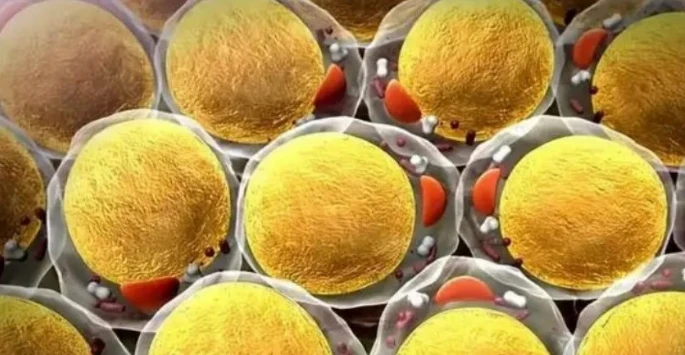
The Central Role of NAD+ in Cellular Energy
One of the most important cofactors in cell metabolism is NAD+. It works with hundreds of enzymes to make energy, fix DNA, and let cells talk to each other. This molecule moves electrons around in the mitochondrial respiration chain and helps turn foods into ATP, which cells use as fuel. NAD+ is also where sirtuins come from. Sirtuins are a group of proteins that help cells control their metabolism and deal with stress.
In a healthy setting, cells use a number of metabolic pathways to keep NAD+ levels steady. Nicotinamide is changed back into NAD+ by the salvage route. When NNMT activity is high, it turns nicotinamide into N-methylnicotinamide instead of using this escape route. Nicotinamide is taken out of the NAD+ production cycle by this methylation process. This could make it harder for NAD+ to grow back.
Research with a 5 amino 1mq peptide injection has shown that stopping NNMT makes more nicotinamide available for making NAD+. In tests done before they were used on people, this drug raised the amount of NAD+ in fat tissue by 1.5 to 2.3 times. These high amounts of NAD+ may give cells more energy, help mitochondria work better, and activate enzymes that depend on NAD+ and help manage metabolism.
S-Adenosylmethionine and Methylation Capacity
The NNMT also changes S-adenosylmethionine, which is another important chemical. A lot of methylation processes happen inside the cell, like changing histones, adding methyl groups to DNA, and making neurotransmitters. This molecule is where most of the methyl groups come from. Methylene reactions are important for controlling epigenetics, cleaning the body, and making sure cells work right.
Nicotinamide is modified by NNMT, which then breaks down SAM to make S-adenosylhomocysteine. When NNMT is very active, it can use up a lot of SAM,


which can lower the amount of SAM kept in cells. This could change other processes that depend on methylation. When there is too much S-adenosylhomocysteine, it can stop other methyltransferases from doing their job. This can make the methylation patterns in many cells look bad. When researchers used 5 amino 1mq to block NNMT, they saw that it helped keep SAM levels stable in cells.
The methylation ability is kept safe for other important cellular processes. This could help support healthier epigenetic patterns and better cell function. After giving cells this material, researchers have seen changes in the patterns of DNA methylation and histone modifications. This means that keeping SAM around might help cells work better.
Downstream Metabolic Signaling Cascades
5 amino 1mq alters NAD⁺ and SAM availability, activating SIRT1 and downstream metabolic signaling. SIRT1 influences PGC-1α, improving mitochondrial biogenesis and oxidative metabolism.
Treatment may suppress lipogenic genes while enhancing fatty-acid oxidation, mitochondrial DNA replication, and stress resistance. These coordinated changes show how NNMT inhibition can regulate energy production, fat metabolism, aging, and cellular stress.

How 5 Amino 1MQ Peptide Research Connects NNMT With Cellular Energy
Mitochondrial Function and Energy Production
NNMT inhibition with 5 amino 1mq may improve mitochondrial function by increasing NAD⁺ availability, oxygen utilization, ATP production, and membrane potential. Treatment has also been associated with increased mitochondrial biogenesis and electron transport chain gene expression. Through NAD⁺-dependent enzymes and SIRT1-mediated PGC-1α activation, cells may produce energy more efficiently.
Adipose Tissue Metabolism and Fat Processing
Because NNMT is mostly found and active in adipose tissue, it is very sensitive to NNMT loss. There is a link between NNMT activity in this tissue and the growth of adipocytes, the storage of fat, and the signaling of inflammation. Researchers have found that having more NNMT is linked to having more fat and signs that adipose tissue isn't working right.
In early studies, fat tissue that had been injected with a 5 amino 1mq peptide injection showed a number of important changes. Lipogenic genes, like fatty acid synthase and stearoyl-CoA desaturase, help make fat.
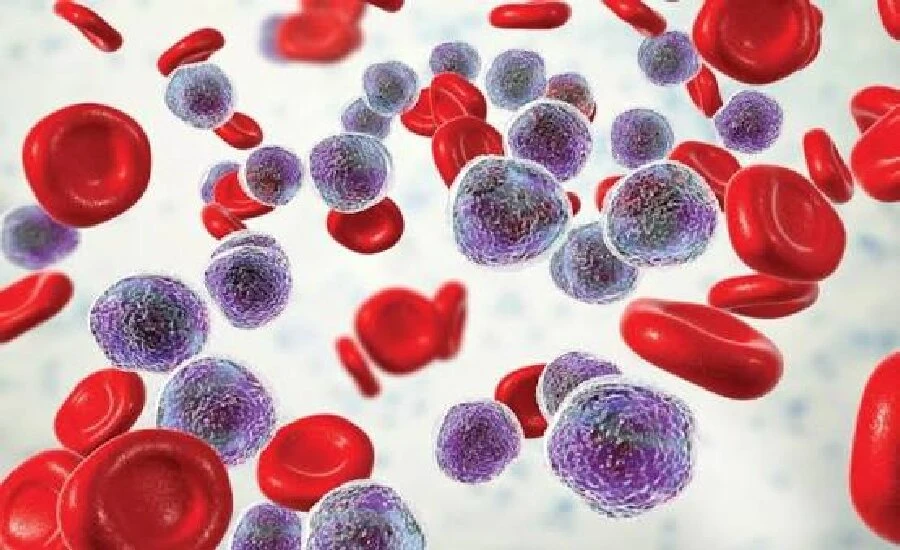
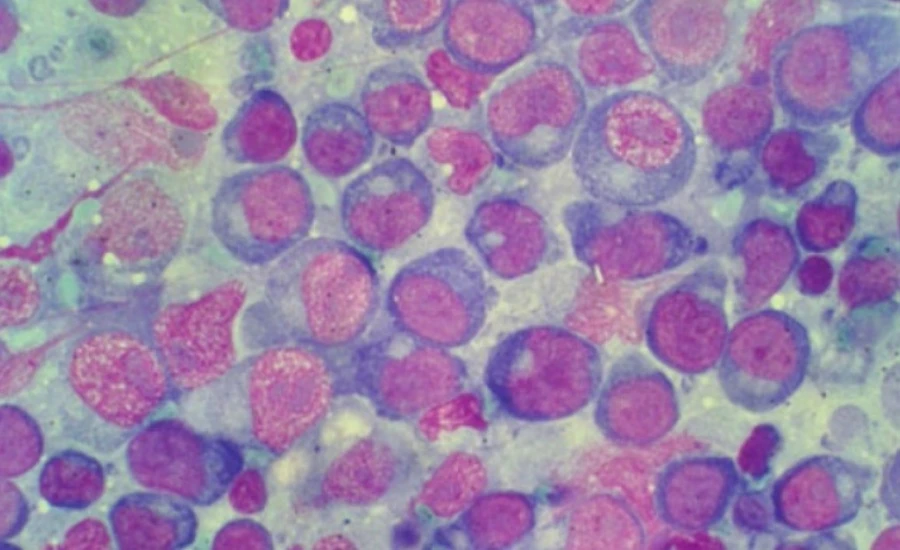
A study of gene expression showed that these genes were produced less. But more of the genes that help break down fatty acids are turned on. These include carnitine palmitoyltransferase and acyl-CoA oxidase. These changes in gene expression show that the body is no longer storing fat but instead using it.
Scientists treated models and looked at fatty tissue. They saw that the adipocytes got smaller and the shape of the tissue changed. There is less of the inflammation markers interleukin-6 and tumor necrosis factor-alpha in fat tissue. Researchers have measured adipose tissue mass in the lab and found that it decreases after treatment. This decrease is mostly seen in visceral fat depots that are linked to metabolic dysfunction.
Systemic Metabolic Parameters and Insulin Sensitivity
NNMT inhibition may improve systemic metabolic health by enhancing glucose tolerance and insulin sensitivity, including better HOMA-IR markers. These effects may reflect improved mitochondrial function, lipid metabolism, reduced inflammation, greater muscle glucose uptake, and lower hepatic glucose production.
Dose-dependent responses have also been observed, alongside changes in circulating triglycerides and cholesterol.

Why Is the Mechanism of 5 Amino 1MQ Important for Metabolic Research?
Advancing Understanding of Metabolic Enzyme Networks
Studies of 5 amino 1mq have highlighted NNMT as an important regulator within interconnected metabolic networks. Selective NNMT inhibition shows how one enzyme can influence metabolic cofactors and multiple pathways. This work has expanded interest in NAD⁺ biology and suggests that targeting enzymes controlling several processes may offer new approaches to complex metabolic disorders.
Implications for Age-Related Metabolic Decline
NNMT levels increase with age and may contribute to declining NAD⁺ and mitochondrial function. Preclinical studies suggest that NNMT inhibition with 5 amino 1mq may improve muscle strength, exercise capacity, cognitive performance, and aging-related inflammatory and senescence markers. These findings suggest metabolic enzyme activity may be modifiable to slow age-related metabolic decline.
Research Tool for Metabolic Pathway Investigation
5 amino 1mq is a useful research tool for studying NNMT-related metabolism,

including methylation, NAD⁺ biology, mitochondrial regulation, metabolic syndrome, and aging. Combined with genetic approaches, NNMT inhibition helps distinguish specific pathway effects, validate findings, and reduce unintended effects, supporting broader research into metabolic enzymes and integrated metabolic networks.

Conclusion
Researchers can now look at how cellular energy metabolism works and how it can be made better with the 5 amino 1mq peptide injection. This is a big step forward in metabolic research. Blocking the NNMT enzyme is one way that this substance shows how complicated the relationships are between enzyme activity, cofactor availability, and the metabolic function of cells. Scientists have shown that this one action changes metabolic networks and how mitochondria work. It also changes how fat is burned, how inflammation signals are handled, and how old cells are shown.
Scientists found out more about metabolism and how important NAD+ metabolism is by figuring out how 5 amino 1mq works. They also learned that NNMT is a key part of keeping track of cellular energy levels. These results are important for metabolic studies because they help us learn more about metabolic diseases, how metabolism changes with age, and how to keep cells healthy. Scientists will likely need this molecule for a long time if they want to learn more about metabolism, how cells age, and how energy is made.
Frequently Asked Questions
1.What is 5 amino 1mq peptide injection that makes it different from other metabolic research chemicals?
-
The NNMT enzyme is the only thing that the 5 amino 1mq peptide injection targets, making it different from other metabolic drugs. A lot of pathways are changed at once by broad-spectrum metabolic modulators. On the other hand, this substance only changes how nicotinamide is broken down and how much NAD+ is available. Because of this specialization, researchers can separate the biochemical effects of blocking NNMT. This makes the test results more clear. The drug's bioavailability and pharmacokinetics are the same across study models because its quinoline structure is stable. Because of this, it works really well for planned controlled experiments.
2.How does NNMT inhibition affect different tissue types?
-
What each organ does in response to a 5 amino 1mq peptide dose depends on how much NNMT is present in that organ and how its metabolism works. The adipocyte size and inflammatory markers go down when there are changes in gene expression that affect fat metabolism. This is where the body's fat tissue normally responds the strongest. The liver's processing of glucose and fats has changed. Muscle tissue's mitochondria work better and its ability to use oxygen better. The ways that neurons work that depend on NAD+ may change in brain cells. NNMT's metabolic roles change in different cell environments, as shown by these responses that are unique to tissues.
3.What research applications benefit most from using this NNMT inhibitor?
-
It is very helpful to use 5 amino 1mq peptide injection as an experimental tool for studies that look into metabolic syndrome, fat, and the metabolic decline that comes with getting older. This molecule helps us understand how the amount of NAD+ in the body impacts the function of mitochondria and the energy-making process in cells. Scientists who study getting older use it to see if changing digestive enzymes can change how long you live and how well you can do things. It helps researchers who study fat metabolism figure out how adipose tissue works and how its tasks are managed. In epigenetics research, it is used to look into how methylation metabolism changes how genes are produced.
-
Looking for a Reliable 5 Amino 1MQ Peptide Injection Supplier?
For example, you can trust Kpeptide to give you high-purity 5 amino 1mq peptide injection supplier materials that are good enough for study. For more than 12 years, we've been working in a 100,000-square-meter GMP-certified factory that meets the standards of the US Food and Drug Administration (FDA), the European Medicines Agency (EMA), the PMDA, and the CFDA. Organic synthesis and pharmaceutical intermediates are what we do best. Because we care about quality, we offer three levels of analytical confirmation, full documentation support, and clear pricing structures that are meant to build partnerships that last for a long time.

Because 24 of the biggest pharmaceutical and biotechnology companies in the world have accepted us as a supplier, we know the high standards that metabolic research drugs must meet. Our skilled R&D team can help you with technical problems, give you advice on rules, and give you a choice of packing options so that you can meet the needs of your study. Our all-in-one service platform gives you exact specs and reliable lead times whether you need detailed analytical data, batch consistency checks, or supply chains that can grow as your business does.
Are you ready to move forward with your study of metabolism? Send our sales team an email at sales@kpeptide.com to let them know what you need for a 5 amino 1mq peptide shot. We have reasonable prices, full product documentation, and the legal help you need to do your study well.
References
1. Kraus D, Yang Q, Kong D, Banks AS, Zhang L, Rodgers JT, Pirinen E, Pulinilkunnil TC, Gong F, Wang YC, Cen Y, Sauve AA, Asara JM, Peroni OD, Monia BP, Bhanot S, Alhonen L, Puigserver P, Kahn BB. Nicotinamide N-methyltransferase knockdown protects against diet-induced obesity. Nature. 2014;508(7495):258-262.
2. Campagna R, Vignini A. NAD+ Homeostasis and NAD+-Consuming Enzymes: Implications for Vascular Health. Antioxidants. 2023;12(2):376.
3. Ulanovskaya OA, Zuhl AM, Cravatt BF. NNMT promotes epigenetic remodeling in adipose tissue through regulation of the methionine cycle. PNAS. 2013;110(14):5512-5517.
4. Komatsu M, Kanda T, Urai H, Kurokochi A, Kitahama R, Shigaki S, Ono T, Yukioka H, Hasegawa K, Tokuyama H, Kawabe Y, Wakino S. NNMT activation can contribute to the development of fatty liver disease by modulating the NAD+ metabolism. Scientific Reports. 2018;8:8637.
5. Neelakantan H, Vance V, Wetzel MD, Wang HL, McHardy SF, Finnerty CC, Hommel JD, Watowich SJ. Selective and membrane-permeable small molecule inhibitors of nicotinamide N-methyltransferase reverse high fat diet-induced obesity in mice. Biochemical Pharmacology. 2018;147:141-152.
6. Eckert MA, Coscia F, Chryplewicz A, Chang JW, Hernandez KM, Pan S, Tienda SM, Nahotko DA, Li G, Blaženović I, Lastra RR, Curtis M, Yamada SD, Perets R, McGregor SM, Andrade J, Fiehn O, Mann M, Lengyel E. Proteomics reveals NNMT as a master metabolic regulator of adipose tissue. Nature. 2019;572(7771):624-629.


