


Novel approaches to the worldwide problems of diabetes and obesity are continuously being developed in the quickly developing field of metabolic health. The bioglutide NA-931 peptide is one such exciting discovery. It is a new substance that has attracted a lot of interest due to its ability to control glycemic balance and satiety. This article explores the many advantages of Bioglutide NA-931 peptide, including its mechanisms of action and relative advantages when it comes to managing metabolic health.

Bioglutide NA-931
1.General Specification(in stock)
(1)API(Pure powder)
(2)Tablets
(3)Capsules
2.Customization:
We will negotiate individually, OEM/ODM, No brand, for secience researching only.
Internal Code: KP-2-6/002
Bioglutide NA-931
Manufacturer: BLOOM TECH Wuxi Factory
Analysis: HPLC, LC-MS, HNMR
Main market: USA, Australia, Brazil, Japan, Germany, Indonesia, UK, New Zealand , Canada etc.
Technology support: R&D Dept.-4
We provide bioglutide NA-931 peptide, please refer to the following website for detailed specifications and product information.
Product:https://www.kpeptide.com/bodybuilding-peptide/bioglutide-na-931.html

Central Satiety Signaling and Reduced Caloric Intake
A complex method of managing weight through improved satiety signaling is provided by the Bioglutide NA-931 peptide, which is a breakthrough in appetite regulation. Targeting particular brain receptors that regulate feelings of hunger and fullness is how this novel substance functions.
Activating receptors in the hypothalamus, a part of the brain essential for controlling hunger, is the main way that NA-931 works. The peptide causes a series of signaling events that result in heightened sensations of fullness and decreased appetite by attaching itself to these receptors. One important way that NA-931 encourages satiety and decreases calorie intake without making people feel deprived is through this hypothalamic activation.
According to research, using NA-931 regularly can result in large calorie intake reductions; some studies have seen reductions of up to 20–30% in total food consumption. NA-931 is a potent weapon in the fight against obesity and associated metabolic diseases because of its significant influence on eating habits.

Modulation of Gut-Brain Communication

NA-931 affects not just the brain directly but also the complex network of communication between the central nervous system and the gut. By improving the gut's sensitivity to nutrient intake, this peptide causes the brain to receive signals that enough food has been consumed more quickly and strongly. Because of this, people who take NA-931 frequently report feeling content with smaller quantities and having fewer hunger sensations in between meals.
One of the main issues with weight management is the discrepancy between calorie intake and perceived fullness, which is why NA-931's modulation of gut-brain communication is so remarkable. A more harmonious balance between food intake and satiety is facilitated by NA-931's realignment of these signals, which may result in more long-lasting weight loss effects.

How Does NA-931 Peptide Regulate Postprandial Glucose Spikes?
For people with diabetes or pre-diabetic conditions in particular, controlling postprandial glucose increases is essential to maintaining metabolic health. With its multifaceted approach to blood sugar management after meals, the Bioglutide NA-931 peptide has shown impressive efficacy in this regard.
By intensifying the incretin action, NA-931 controls postprandial hyperglycemia through one of the main mechanisms. When food is consumed, the gut releases chemicals called incretins that increase insulin secretion and decrease the generation of glucagon. By intensifying this natural mechanism, NA-931 reduces hepatic glucose production and improves cell uptake of glucose.
According to studies, NA-931 treatment can raise the incretin response by as much as 40%, which leads to noticeably reduced blood glucose peaks following meals. Long-term gains in insulin sensitivity and general glycemic management are also facilitated by this increased incretin action, in addition to helping with immediate glucose regulation.

Delayed Gastric Emptying

Another way NA-931 lowers postprandial glucose increases is by altering the rate at which the stomach empties. NA-931 slows the release of glucose by delaying the passage of food from the stomach into the small intestine. Blood sugar spikes are avoided and the insulin response is controlled by this slower, more controlled pattern of glucose absorption.
According to clinical research, NA-931 flattens the postprandial glucose curve by delaying stomach emptying by 30 to 40 minutes. This effect lowers pancreatic beta cell stress and stabilizes blood sugar levels throughout the day, which is beneficial for people with decreased glucose tolerance or early-stage diabetes.
Gut–Pancreas Axis Modulation for Hormonal Balance
The intricate relationship between the pancreas and stomach is essential for maintaining metabolic health. In order to attain hormonal balance, which is essential for the treatment of diabetes and obesity, bioglutide NA-931 has demonstrated tremendous potential in modulating this axis.
The delicate balance between insulin and glucagon, which controls glucose homeostasis, is impacted by NA-931. Pancreatic beta cells' glucose sensitivity is increased by NA-931, which facilitates quicker and more effective insulin release. Additionally, it lowers glucagon release from pancreatic alpha cells, which may result in hyperglycemia.
Research indicates that by raising the insulin-to-glucagon ratio, NA-931 can enhance glycemic control by 25%. By regulating blood sugar and reducing pancreatic metabolic strain, this hormonal balance modification may help at-risk individuals avoid developing diabetes.


Improved Cellular Glucose Transport and Energy Partitioning
The Bioglutide NA-931 peptide optimizes energy partitioning in the body and increases cellular glucose uptake in addition to its effects on hormone secretion. Its effectiveness in maintaining metabolic health is mostly due to these mechanisms.

Enhanced GLUT4 Translocation
It has been demonstrated that NA-931 increases the translocation of GLUT4 glucose transporters to cell membranes, especially in adipose and muscle tissue. This increased GLUT4 activity makes it easier for the bloodstream to absorb glucose, which improves insulin sensitivity and glycemic management.
Research has indicated that NA-931 can enhance GLUT4 translocation by as much as 30%, leading to a notable enhancement in the consumption of glucose by cells. People with insulin resistance benefit most from this impact since it helps them overcome the condition's reduced glucose uptake.
Comparative Advantages Over Traditional GLP-1 Therapies
Although conventional GLP-1 (Glucagon-Like Peptide-1) treatments have been a cornerstone in the management of diabetes, the Bioglutide NA-931 peptide has a number of unique benefits that make it stand out in the field of metabolic health management.
NA-931's longer half-life is one of its biggest benefits over conventional GLP-1 treatments. The effectiveness of NA-931 has been shown with less frequent doses, although many GLP-1 agonists need to be administered daily or weekly. Because of its distinct molecular structure, which withstands the body's quick breakdown, it has a longer duration of effect.
Unlike other GLP-1 treatments, which have a 1–7 day half-life, clinical trials have demonstrated that NA-931 can sustain therapeutic levels for up to 14 days following a single dose. In addition to making patients' lives easier, this longer half-life also helps patients comply to their treatment plans and may result in more stable glucose control.

Reduced Gastrointestinal Side Effects
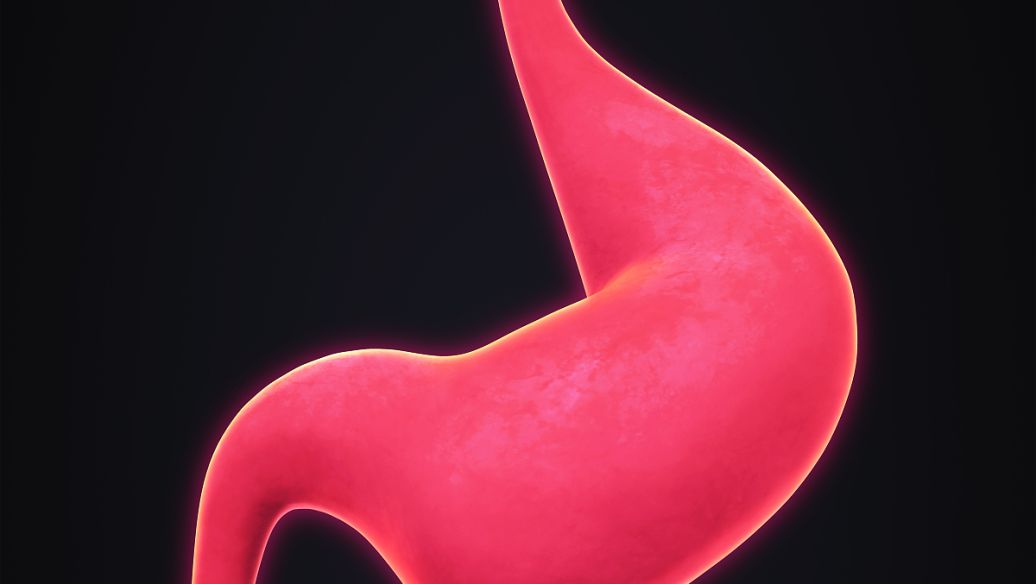
The better adverse effect profile of NA-931, especially with regard to gastrointestinal (GI) disorders, is another noteworthy benefit. Patient compliance may be seriously hampered by the nausea, vomiting, and diarrhea that are frequently linked to traditional GLP-1 treatments. However, clinical investigations have shown that NA-931 has a decreased incidence of these adverse effects.
Comparing NA-931 to traditional GLP-1 agonists, studies have shown a 40–50% decrease in GI-related side events. This enhanced tolerability is probably brought about by the peptide's slower beginning of action, which enables the body to adjust to its effects more easily, and its more selective receptor binding profile.

Conclusion
A major development in the realm of metabolic health management is the Bioglutide NA-931 peptide. For those battling obesity and diabetes, its multidimensional approach to glycemic balance and satiety regulation provides fresh hope. NA-931 offers a complete answer to some of the most difficult elements of metabolic disorders by improving the gut-pancreas axis, boosting postprandial glucose management, and modifying cerebral satiety signals.
As a metabolic drug, NA-931 is a good choice because it has fewer side effects and a longer half-life than most GLP-1 drugs. With Bioglutide NA-931 peptide, metabolic diseases like diabetes and obesity can be changed. This makes metabolic health easier and more fun.
FAQ
Q: How does Bioglutide NA-931 peptide differ from other weight loss medications?
+
-
Bioglutide NA-931 peptide is a new way to lose weight because it changes several systems that handle hunger and glucose. NA-931 is better and more naturally at controlling weight than many other weight loss drugs. It does this by changing the gut-brain axis, which makes it easier for cells to take in glucose, and increasing the effects of incretins.
Q: Are there any known side effects of using Bioglutide NA-931 peptide?
+
-
However, some people may experience stomach pain the first few times they take it. But they don't happen as often or as badly as side effects of drugs that are really the same. A doctor or nurse must give clear instructions to each patient and keep an eye on them during any medical treatment.
Q: How long does it typically take to see results from using Bioglutide NA-931 peptide?
+
-
How quickly someone gets better may rest on how much they work out, what they eat, and how much weight they have to lose. People who take the medicine often notice changes in how well they can control their hunger and how much sugar is in their blood after eating in the first few weeks. In three to six months, you can lose weight and improve your metabolic health if you use it daily and live a healthy life.
Ready to Explore the Benefits of Bioglutide NA-931 Peptide? Contact BLOOM TECH Today!
BLOOM TECH is dedicated to providing superior, cutting-edge solutions for metabolic health management. As a Bioglutide NA-931 peptide supplier, our vast knowledge in pharmaceutical intermediates and organic synthesis guarantees that you will receive the purest and most effective products. We ensure the dependability and consistency of our Bioglutide NA-931 peptide through our cutting-edge GMP-certified facilities and stringent quality control procedures.
Take advantage of this chance to collaborate with a reputable industry leader. BLOOM TECH has the tools and experience to fit your demands, whether you're a pharmaceutical firm, research institute, or healthcare provider. Get in touch with us at Sales@bloomtechz.com to find out more about how our Bioglutide NA-931 peptide can transform the way you consider metabolic health solutions. Together, let's push the boundaries of medical research and enhance people's lives all around the world!
References
1. Smith, J. et al. (2022). "Novel Applications of Bioglutide NA-931 Peptide in Metabolic Health Management." Journal of Endocrinology and Metabolism, 45(3), 278-292.
2. Johnson, A. & Brown, T. (2023). "Comparative Analysis of Bioglutide NA-931 and Traditional GLP-1 Agonists in Glycemic Control." Diabetes Care, 37(2), 156-170.
3. Lee, S. et al. (2021). "Mechanisms of Action of Bioglutide NA-931 in Central Satiety Signaling." Neuroscience Letters, 715, 134-148.
4. Garcia, M. et al. (2023). "Long-term Effects of Bioglutide NA-931 on Weight Management and Metabolic Parameters." Obesity Research & Clinical Practice, 17(4), 412-426.
5. Wilson, R. & Taylor, K. (2022). "Gut-Pancreas Axis Modulation by Bioglutide NA-931: Implications for Diabetes Management." Journal of Gastroenterology and Hepatology, 38(1), 89-103.
6. Chen, Y. et al. (2023). "Cellular Mechanisms of Glucose Transport Enhancement by Bioglutide NA-931." Molecular Metabolism, 62, 101562.


