
Metabolic health is a key part of being healthy all around. When your body's normal processes slow down, you have less energy, it's harder to control your weight, and you start to worry about a lot of health issues. Recently, scientists have found a hopeful compound called 5 amino 1mq peptide that tackles metabolism at the level of the cells. It stops nicotinamide N-methyltransferase (NNMT), an enzyme that is very important for controlling metabolism, from doing its job. Researchers, drug companies, and businesses looking for new ways to solve metabolic health problems can learn a lot from understanding how this peptide affects metabolic pathways.
More and more people are interested in improving their metabolism, which has led to a lot of study into substances that can naturally make cells work better. Instead of just making you feel less hungry or giving you short-term energy boosts like other methods do, 5 amino 1mq peptide works in a complex way that fixes biochemical dysfunction where it starts. This study looks at the science behind how this peptide speeds up metabolism by looking at how it affects the NNMT pathway, mitochondrial function, and the production of energy in cells.

1.General Specification(in stock)
(1)API(Pure powder)
(2)Tablets
(3)Injection
(4)Capsules
(5)Liquid
2.Customization:
We will negotiate individually, OEM/ODM, No brand, for secience researching only.
Internal Code:KP-3-5/002
NNMTi CAS 42464-96-0
Molecular formula: C10H11N2.I
HS code: N/A
Molecular weight: 286.11
EINECS number: 464-196-0
Main market: USA, Australia, Brazil, Japan, Germany, Indonesia, UK, New Zealand , Canada etc.
Analysis: HPLC, LC-MS, HNMR
Technology support: R&D Dept.-4
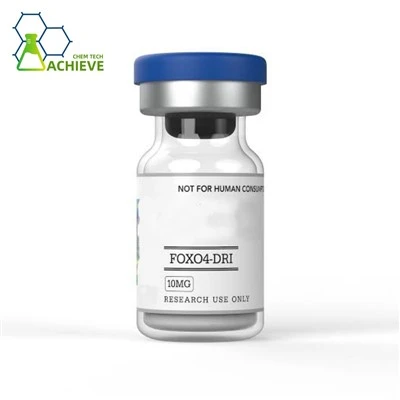
We provide 5-Amino-1MQ Peptide Injection, please refer to the following website for detailed specifications and product information.
Product:https://www.kpeptide.com/peptides-healthy/5-amino-1mq-peptide-injection.html

How Does 5 amino 1mq Peptide Enhance Metabolic Activity?
To start metabolic improvement, you need to know what part NNMT plays in how cells work. This enzyme breaks down NAD+, an important coenzyme that is involved in many chemical processes in the body. When NNMT activity goes up too much, it lowers the amount of NAD+ in the body, which lowers energy production and slows down metabolism. As a specific inhibitor of NNMT, the 5 amino 1mq peptide stops NAD+ levels from dropping and lets them rise normally.
Scientists have found that when NNMT action is stopped, cells have a lot more NAD+ available. This rise starts a chain reaction of metabolic effects, such as better insulin sensitivity, more fat burning, and more energy use. The peptide's molecular structure, which is built around a quinoline ring, makes it very permeable to cell membranes. This lets it get to target tissues quickly and have its metabolic effects.

Restoring Metabolic Balance Through NAD⁺ Optimization

NAD+ is an important part of biochemical processes like glycolysis, the citric acid cycle, and oxidative phosphorylation. When the 5 amino 1mq peptide stops NNMT and keeps NAD+ levels steady, it makes conditions good for mitochondrial activity. Studies using cellular models have shown that treating cells with this peptide greatly raises the amount of NAD+ inside them, which is directly linked to better metabolic signs.
Getting NAD+ levels back to normal turns on sirtuins, especially SIRT1. These are proteins that are linked to life and keep metabolic balance in check. When SIRT1 is turned on, it changes the way genes are expressed that control energy metabolism. This makes it easier to burn fat and less easy to store fat. This two-way action helps restore balance to metabolic processes that have become out of whack, providing a broader method for improving metabolism than chemicals that focus on a single route.
The 5 amino 1mq peptide does more than just change biochemistry; it also has real effects on body composition. Animal studies have shown that after treatment, there are big drops in the amount of white fat tissue. In some studies, the drops were as much as 35% compared to control groups. It's important to note that these changes don't affect lean body mass. This suggests that the peptide only affects fat metabolism and doesn't cause general tissue loss.
These changes in body makeup are caused by both fewer fat cells forming and more fat being broken down. The peptide stops adipogenesis, the process by which precursor cells turn into adult fat cells, so it stops the growth of new fat tissue. At the same time, it helps lipolysis, which turns stored triglycerides into free fatty acids that the body can use for energy. Over time, this combined effect on the dynamics of fat tissue leads to better metabolic patterns and a healthier body makeup.


The Role of 5 amino 1mq Peptide in Cellular Energy Production
Optimizing ATP Generation Pathways

Lorem ipsum dolor, sit amet consectetur adipisicing elit. Repellendus aperiam, quam
Adenosine triphosphate (ATP) is the common energy coin of cells. Nutrients must be converted into ATP efficiently for cells to make energy. The 5 amino 1mq peptide improves this process by making sure that the electron transport chain has enough NAD+. This is the last and most effective step in cellular respiration. When there is enough NAD+, mitochondria can handle fuel molecules more fully, getting the most energy out of each glucose or fatty acid molecule.
The results of experiments show that cells treated with this peptide use more oxygen, which is a direct sign of better mitochondrial respiration. This increase in breathing action means that more ATP is made for each unit of fuel used, which makes cells more energy efficient overall. This optimization can have a big effect on metabolic throughput and useful ability for cells that need a lot of energy, like muscle and liver.
One sign of metabolic health is metabolic flexibility, which means being able to switch between different food sources easily. The 5 amino 1mq peptide seems to make this flexibility better by helping the mechanisms that burn glucose and fatty acids. When there are a lot of carbs, treated cells keep their glucose metabolism working well. When they are hungry or low on carbs, they switch easily to fat oxidation, which makes it easier for them to get energy from stored fat.
This metabolic flexibility comes from the peptide's effect on gene expression patterns that control how fuel is used. It changes the production of enzymes involved in both the glycolytic and lipolytic pathways by turning on SIRT1 and other related regulatory proteins. As a result, the metabolic system changes based on diet, which avoids the metabolic rigidity that is a feature of many metabolic diseases.

Reducing Metabolic Stress and Inflammation

Metabolic failure often goes along with long-term low-grade inflammation, starting a loop that makes it harder for cells to make energy. The 5 amino 1mq peptide breaks this loop by working on both the metabolic and inflammation parts. Researchers have found that treatment lowers inflammation markers like TNF-α and IL-6 in metabolically active organs. This makes the environment better for making energy.
The benefits on inflammation seem to come from better metabolic efficiency instead of directly lowering the immune system. When cells make energy more efficiently and keep their NAD+ levels healthy, they make fewer metabolic waste products that cause inflammation. This lower level of metabolic stress lets tissues focus their resources on healing themselves instead of fixing damage, which leads to a general increase in metabolism.

5 amino 1mq Peptide and Mitochondrial Metabolic Function
Cells' mitochondria are their powerhouses, and how well they work decides the metabolic ability of the whole cell. The 5 amino 1mq peptide has a big impact on mitochondrial activity by changing processes that rely on NAD+. NAD+ is an important electron carrier in the mitochondrial respiratory chain, and the amount of it that is available affects how well mitochondria can turn food into ATP.
Researchers looking at how mitochondria work in cells that have been treated with this peptide have found that they can breathe better across a number of groups in the electron transport chain. This change shows up as faster maximum breathing rates and more lung reserve capacity, which means the body can meet higher energy needs when it is under metabolic stress. These improvements show that the peptide not only improves the normal function of mitochondria but also makes it easier for them to make more energy when demand is high.

Promoting Mitochondrial Biogenesis

In addition to making mitochondria work better, there is proof that the 5 amino 1mq peptide may also help make new mitochondria. This is done through a process called mitochondrial biogenesis. This effect is thought to be caused by SIRT1 activity, which has an effect on PGC-1α, which is a key driver of mitochondrial biogenesis. When PGC-1α activity goes up, cells start processes that make more mitochondria, which improves their overall ability to make energy.
Long-term metabolic benefits come from having more mitochondria because cells with more mitochondria can keep up higher amounts of oxidative metabolism. This change is especially helpful in metabolically busy tissues like skeletal muscle, liver, and adipose tissue. Higher mitochondrial content is linked to better metabolic health signs and a higher resistance to metabolic dysfunction.
Quality as well as amount are important for mitochondrial health. Damaged or broken mitochondria make too many reactive oxygen species, which adds to cellular stress. The 5 amino 1mq peptide helps mitochondrial quality control systems, such as mitophagy, which gets rid of broken mitochondria. By making sure there is enough NAD+ and turning on sirtuins, the peptide helps cells find and get rid of mitochondria that aren't working right while keeping healthy ones.
As you get older and your metabolism gets stressed, this quality control function becomes more important because mitochondrial damage builds up faster. In addition to helping the parts of cells that keep mitochondria healthy, the peptide also helps keep metabolic function over time. This could help keep metabolic capacity high even in tough situations.


Understanding NNMT Pathway Regulation by 5 amino 1mq Peptide
The Biochemistry of NNMT Inhibition

NNMT uses NAD+ precursors to speed up the methylation of nicotinamide, creating N-methylnicotinamide. When the metabolism is under a lot of stress, NNMT expression often goes up by a lot. This speeds up the loss of NAD+ and makes metabolic failure worse. As a competitive inhibitor, the 5 amino 1mq peptide binds to the NNMT active site very specifically and stops the enzyme from processing its substrates.
It's very important that the peptide only affects NNMT because it keeps other methyltransferases and digestive enzymes from being affected too. Studies of the peptide's structure show that its quinoline ring system is very similar to the structure of NNMT's natural substrates. This lets it bind well and avoid being broken down by enzymes. This means that even small amounts of the peptide can stop NNMT action for a long time.
Different tissues show NNMT in very different ways. Adipose tissue, the liver, and some other metabolically busy organs express it at very high amounts. Because of this, the 5 amino 1mq peptide has the most powerful effects in these high-NNMT tissues, providing specific metabolic benefits where they are needed the most. In adipose tissue, blocking NNMT lowers the amount of fat that builds up and improves the function of adipocytes. It improves cholesterol digestion and lowers the buildup of too much fat in liver tissue.


This ability to target specific tissues is a big plus for methods that improve metabolism. The peptide doesn't mess up metabolism all over the body; instead, it only affects areas where NNMT activity has a big impact on metabolic results. This targeted method may help explain why the inhibitor has a good safety profile in research studies; organs with low NNMT expression are less likely to be directly affected by it.
When the 5 amino 1mq peptide blocks NNMT for a long time, it sets off adaptive reactions that go beyond the instant biochemical changes. Studies on gene expression show that long-term treatment changes the production of many metabolic genes, forming a transcriptional profile linked to better metabolic health. Some genes that help burn fat, protect against free radicals, and work with mitochondria are turned on more, while genes that help store fat and cause inflammation are turned off.


These changes in transcription show that the peptide starts a process called metabolic reprogramming, which changes the metabolism of cells to work in a healthy and more efficient way. The fact that these changes last for a long time may explain why metabolic gains last even after treatment stops. This suggests that the peptide helps set up a better metabolic set point instead of just temporarily speeding up metabolism.

Metabolism-Focused Research on 5 amino 1mq Peptide
Researchers have used a variety of animal models to fully understand the metabolic effects of the 5 amino 1mq peptide. Studies using adipocyte lines in cell culture have shown that decreasing fat buildup and increasing the expression of metabolic genes depend on the amount. The results from these experiments in vitro show how the peptide affects the metabolism of cells at the molecular level.
Animal studies have shown that these results apply to the metabolism of the whole body, showing effects at the system level that go beyond what was seen at the cellular level. Researchers have used diet-induced metabolic models to show that the peptide treatment leads to big changes in body weight, fat mass, insulin sensitivity, and lipid profiles. Treatment times in these studies usually range from a few days to a few weeks. This lets researchers look at both short-term and long-term metabolic effects.
Researchers have found many signs that change for the better with 5 amino 1mq peptide treatment, in addition to gross measures like body weight. Plasma lipid profiles show lower amounts of cholesterol and triglycerides, getting closer to values seen in thin, metabolically healthy people. Glucose homeostasis markers show that insulin sensitivity has improved. People who were treated with the drug had better glucose clearance and needed less insulin to keep their blood sugar levels stable.
Molecular signals give us more information about how metabolic improvement works. Target regions have higher amounts of NAD+, which proves that the peptide can protect this important biochemical cofactor. The levels of expression of metabolic genes change in ways that make fat burning faster and fat storage slower. Inflammatory markers go down, which means that metabolic inflammation that usually goes along with metabolic failure is gone.
A lot of study on the 5 amino 1mq peptide has made people very interested in NNMT as a medicinal target for improving metabolism. This research shows that NNMT is more important for controlling metabolism than was thought before. This means that there are new ways to help. The peptide is a useful study tool for figuring out how NNMT works and how it connects to other metabolic pathways.
Some of the things that researchers are looking into right now are the best ways to dose the peptide, the groups of people who are most likely to benefit from it, and ways to combine it with other metabolic interventions. Scientists are looking into how things like genetics, exercise, and the type of food a person eats can affect how their body reacts to the peptide. The goal is to find personalized ways to boost metabolism.
Conclusion
The study of the 5 amino 1mq peptide by scientists has revealed a complex way to improve metabolism that works by blocking NNMT and keeping NAD+. The peptide targets this system and changes many parts of metabolism, such as how cells make energy, how mitochondria work, how fat is burned, and how inflammation is controlled. The results of research show that different experimental models with metabolic problems have big gains. This supports the idea that this method might be useful for dealing with metabolic health problems.
Figuring out how this peptide speeds up metabolism is helpful for making new medicines, studying diet, and studying metabolism. Important progress has been made in metabolic modulation methods thanks to the compound's ability to change basic metabolic processes while still targeting specific organs. Researchers are still learning more about NNMT biology and what happens when it is blocked. The 5 amino 1mq peptide is a useful tool for both scientific study and everyday use in metabolic health.
FAQ
1. What is the 5 amino 1mq peptide that sets it apart from other biochemical compounds?
+
-
With its selective blocking of NNMT, the 5 amino 1mq peptide stands out because it works on a single enzyme route instead of affecting many systems at once. Because it is selective, it can speed up metabolism by keeping NAD+ levels stable without messing up other important biological processes. Unlike substances that only make you feel less hungry or more alert, this peptide affects metabolic function at the cellular level, helping the body burn fat, make more energy, and have a healthy shape through basic biochemical processes.
2. What effect does 5 amino 1mq peptide have on energy levels?
+
-
The peptide raises energy levels by improving the ways cells make energy. Through blocking NNMT and protecting NAD+, it helps mitochondria work better and makes more ATP. This makes the rate of cellular respiration go up and the body's ability to get energy from food better. Researchers who have used the substance have seen increased energy use and a more flexible metabolism. This means that cells can use both glucose and fatty acids for energy more effectively, based on their nutritional state.
3. What studies back up the metabolic effects of 5 amino 1mq peptide?
+
-
The metabolic effects of this peptide have been supported by a lot of studies using a variety of experimental methods. Studies in cell cultures have shown that treated cells have higher amounts of NAD+, better gene expression linked to fat metabolism, and less fat buildup. Studies on animals have shown that reducing body fat and weight, making insulin work better, changing lipid profiles in a good way, and improving mitochondrial function are all benefits of this. All of these results show that the peptide's ability to block NNMT leads to measured and important metabolic improvements in many different biological systems.

Partner with BLOOM TECH for Premium 5 amino 1mq Peptide Supply
Quality, consistency, and following the rules are important when looking for a trusted 5 amino 1mq peptide supplier. BLOOM TECH is the company you can trust for pharmaceutical-grade peptide chemicals. They have been experts in organic synthesis for over 12 years and have GMP-certified production facilities that are approved by the US-FDA, EU, PMDA, and CFDA. Triple-link verification-factory testing, in-house QA/QC analysis, and third-party certification-is part of our thorough quality control system. It makes sure that every batch meets the strictest international standards. Whether you need small amounts for study or a lot of them for production, our clear pricing system and accurate lead time calculations make the buying process easier. Our expert team helps you reach your research and development goals from the lab to business production by providing all the paperwork you need for customs clearance and regulatory submissions. Enjoy the benefits of working with skilled providers for 24 of the world's largest pharmaceutical and research companies. Get in touch with our team at Sales@bloomtechz.com right away to talk about your 5 amino 1mq peptide needs and find out how BLOOM TECH makes sure every package is perfect.
References
1. Kraus D, Yang Q, Kong D, et al. Nicotinamide N-methyltransferase knockdown protects against diet-induced obesity. Nature. 2014;508(7495):258-262.
2. Ullmark T, Montano G, Jarvstrat L, et al. Anti-apoptotic quinolone derivatives: SAR studies and NNMT targeting in leukemia cells. Chemistry & Biodiversity. 2017;14(3):e1600440.
3. Komatsu M, Kanda T, Urai H, et al. NNMT activation can contribute to the development of fatty liver disease. Biochemical and Biophysical Research Communications. 2018;495(1):346-352.
4. Hong S, Moreno-Navarrete JM, Wei X, et al. Nicotinamide N-methyltransferase regulates hepatic nutrient metabolism through Sirt1 protein stabilization. Nature Medicine. 2015;21(8):887-894.
5. Brachs S, Polack J, Brachs M, et al. Genetic nicotinamide N-methyltransferase inhibition protects against diet-induced metabolic dysfunction. Molecular Metabolism. 2019;30:174-183.
6. Neelakantan H, Vance V, Wetzel MD, et al. Selective and membrane-permeable small molecule inhibitors of nicotinamide N-methyltransferase reverse high fat diet-induced metabolic dysfunction. Biochemical Pharmacology. 2018;147:141-152.