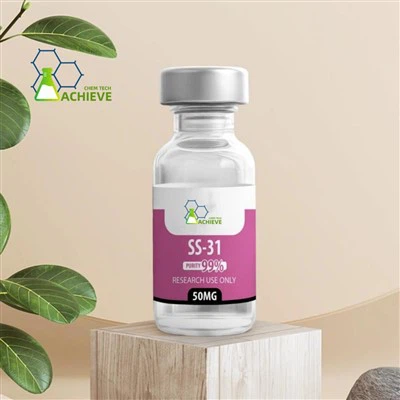
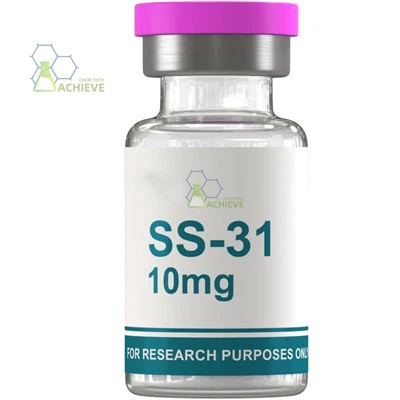
Researchers all over the world are very interested in 5 amino 1MQ peptide injection, which has been the subject of a lot of research in the area of metabolic science. This blog post talks about the most important study questions about this interesting peptide and how it might affect the metabolism and control of energy in cells. Join us as we talk about the latest findings and directions in this exciting area of study, whether you're a researcher, a health care worker, or just someone who is interested in cutting edge metabolic science.

5-Amino-1MQ Peptide Injection
1.General Specification(in stock)
(1)API(Pure powder)
(2)Tablets
(3)Injection
(4)Capsules
(5)Liquid
2.Customization:
We will negotiate individually, OEM/ODM, No brand, for secience researching only.
Internal Code:KP-3-5/002
NNMTi CAS 42464-96-0
Molecular formula: C10H11N2.I
HS code: N/A
Molecular weight: 286.11
EINECS number: 464-196-0
Main market: USA, Australia, Brazil, Japan, Germany, Indonesia, UK, New Zealand , Canada etc.
Analysis: HPLC, LC-MS, HNMR
Technology support: R&D Dept.-4
We provide 5-Amino-1MQ Peptide Injection, please refer to the following website for detailed specifications and product information.
Product:https://www.kpeptide.com/peptides-healthy/5-amino-1mq-peptide-injection.html

Why Is 5 Amino 1MQ Peptide Injection Frequently Studied in Metabolic Science?
There is a lot of research into the 5 amino 1MQ peptide injection in metabolic science because it has special qualities and could change important metabolic pathways. Researchers are interested in this molecule because it can change how cells use energy, especially by interacting with an enzyme called nicotinamide N-methyltransferase (NNMT).
Potential Metabolic Benefits
Scientists have found a number of possible metabolic benefits linked to injecting 5 amino 1MQ peptide. Some of these are:
1. Higher levels of energy use
2. Better use of glucose
3. Possible help with weight control
4. Changing the way lipids are used
Due to its ability to affect these important metabolic processes, scientists are paying close attention to the molecule.
Implications for Metabolic Disorders
The research on 5 amino 1MQ peptide injection could help us understand and maybe even treat a number of metabolic diseases. Researchers are looking into how it might be useful in situations like:
1. Diabetes type 2
2. Being fat
3. Syndrome of metabolism
4. Fatty liver disease that isn't caused by alcohol
By focusing on important metabolic processes, this peptide injection may open up new ways to treat these common health problems.
Novel Mechanism of Action
The fact that 5 amino 1MQ peptide injection works in a new way is one of the main reasons why it is studied so much. This substance is different from most metabolic modulators because it works by blocking the NNMT enzyme, which is an important part of how cells use energy. This one-of-a-kind method has made it easier to understand and change biological processes at the molecular level.
NNMT Enzyme Inhibition and the Scientific Role of 5 Amino 1MQ Peptide Injection
In science, 5 amino 1MQ peptide injection is mostly used because it can stop the NNMT enzyme from working. A lot of the study that is still being done and ideas for how the compound could be used in metabolic science are based on this interaction.

Understanding NNMT Enzyme Function
To fully understand how important 5 amino 1MQ peptide injection is, it's important to know what the NNMT enzyme does:
1. Nicotinamide is a type of vitamin B3 that is methylated by NNMT.
2. This methylation process changes the methyl groups that can be used for other cellular functions.
3. The amount of important biochemical cofactors like NAD+ and S-adenosylmethionine (SAM) is affected by NNMT activity.
Mechanisms of NNMT Inhibition
The exact ways that 5 amino 1MQ peptide injection stops NNMT are still being figured out. That being said, new study suggests:
1. The chemical might attach itself straight to the NNMT active site.
2. It might change the shape of the enzyme, which would make it less active.
3. It looks like the blockage can be undone, which lets enzyme activity be carefully controlled.
These processes make the compound more useful as a medicine and a study tool in metabolic studies.


Downstream Effects of NNMT Inhibition
When 5 amino 1MQ peptide is injected and NNMT is blocked, it sets off a chain of reactions that researchers are very interested in:
1. Increased supply of NAD+, which can help cells make more energy
2. Changes in methylation patterns, which could affect gene expression
3. Changes in the breakdown of fats, especially in adipose tissue
4. Changes in how glucose is taken in and used
All of these effects add up to make the chemical able to change metabolic health and energy balance in general.

How Does 5 Amino 1MQ Peptide Injection Influence Cellular NAD+ Metabolism?
A big area of interest in study is how injecting 5 amino 1MQ peptide affects the metabolism of NAD+ in cells. Nicotinamide adenine dinucleotide (NAD+) is an important coenzyme that plays a role in many biological processes. Cells carefully control the amount of NAD+ they have.
NAD+ Biosynthesis and Salvage Pathways
The 5 amino 1MQ peptide injection seems to have an effect on NAD+ biosynthesis in several ways: Stopping NNMT makes more nicotinamide available for making NAD+. The chemical might make enzymes that work in NAD+ salvage pathways 3 more active. It might change the expression of genes involved in NAD+ biosynthesis. Together, these effects raise the amount of NAD+ in cells, which can have biological effects that are felt throughout the body.
Metabolic Implications of Elevated NAD+
Adding 5 amino 1MQ peptide raises the amount of NAD+ in cells, which has several important physiological effects:
1. Better mitochondrial function and energy production
2. Activation of sirtuins, a group of proteins that play a role in cellular health and longevity
3. Better insulin sensitivity and glucose metabolis
4. Possible neuroprotective benefits because brain cells have more NAD+
These results show that 5 amino 1MQ peptide injection could be used to change how cells use energy and improve health in general.
Experimental Models Commonly Used to Investigate 5 Amino 1MQ Peptide Injection
A number of different animal models are used to study the effects and possible uses of 5 amino 1MQ peptide injection. Some of these models are in vitro cell systems and others are complicated animal studies.

In Vitro Cell Culture Models
Cell growth models help us understand how the 5 amino 1MQ peptide injection works at the molecular level:
1. Adipocyte cultures to look into how changes in lipid metabolism affect it.
2. Hepatocyte models to look into how changes in glucose metabolism and energy control affect them.
3. Muscle cell cultures to look at how mitochondria work and how much energy they use
Neuronal cell lines to look at possible beneficial effects These in vitro models make it possible to precisely control the conditions of experiments and do in-depth molecular studies.
Animal Models for Metabolic Studies
Many studies use animal models, mostly rats, to look at the systemic effects of 5 amino 1MQ peptide injection:
1. Diet-induced obesity models to test the effectiveness of weight loss
2. Models of diabetic mice to study affects on glucose metabolism.
3. Models of aging mice to study possible ways to extend life.
Models of metabolic syndrome to study all metabolic processes These studies on animals give us important information about how the compound works in live things that are very complicated.


Advanced Imaging and Metabolomics Techniques
Advanced analytical methods are often used in cutting edge study on 5 amino 1MQ peptide injection:
1. Metabolomics analysis to fully evaluate changes in metabolism
2. Positron emission tomography (PET) imaging to see how metabolism works inside living things
3. Using nuclear magnetic resonance (NMR) spectroscopy to get a better look at metabolites
4. Fluorescence microscopy to keep an eye on NAD+ levels in cells and the activity of mitochondria
These methods give researchers strong tools to figure out the complicated metabolic effects of injecting 5 amino 1MQ peptide.

Future Research Directions for 5 Amino 1MQ Peptide Injection in Energy Studies
As research on the 5 amino 1MQ peptide injection keeps moving forward, a number of interesting new directions for future research have become clear. It's possible that these areas of research will help us learn more about how cells use energy and come up with new ways to treat illnesses.
Long-Term Safety and Efficacy Studies
In the future, researchers will probably look at how safe and effective 5 amino 1MQ peptide injection is over a long period of time:
1. More tests on animals to look at the long-term effects of chronic administration
2. Clinical studies on humans to check for safety and metabolic effects
3. Looking into how certain medicines or supplements might mix with each other
4. A look at the best dosing plans for different metabolic states
These studies are very important for turning the positive results from the experimental testing into possible clinical uses.
Targeted Delivery Systems
It would be interesting to do more study on developing targeted delivery systems for 5 amino 1MQ peptide injection:
1. Delivery using nanoparticles to improve cell uptake and targeting
2. Tissue-specific aiming to get the most out of treatment and reduce side effects
3. Formulations with controlled release for long-term metabolism regulation
4. Therapies that work better when combined with other metabolism modulators
These new ways of delivering the substance might make it more useful for treatment while lowering the risk of side effects.
Exploration of Novel Applications
In the future, researchers may find new uses for 5 amino 1MQ peptide injections besides its present metabolic uses.
1. An investigation of possible benefits on improving cognitive abilities
2. Looking into the anti-aging effects at the molecular and organismal levels.
3. Looking into possible uses in exercise physiology and sports medicine.
4. Research into its part in how cells respond to stress and change.
All of these new uses could make 5 amino 1MQ peptide injection more useful in many areas of biomedical study.

Conclusion
The research into 5 amino 1MQ peptide injection is a new and interesting area of metabolic science. This compound has the unique ability to stop the NNMT enzyme and change how NAD+ is used. This suggests that it could help us understand and maybe even treat a number of metabolic diseases. There are many possible uses for 5 amino 1MQ peptide injection, ranging from improving the production of energy in cells to changing how weight is managed and how glucose is used in the body.
Over time, study will help us better understand how it works, create better ways to deliver it, and maybe even find new uses for it that go beyond its current metabolic uses. Its long-term safety and effectiveness are still being studied, which is very important for turning these hopeful results into clinical uses.
Researchers and health care workers who want to stay on the cutting edge of metabolic science will need to keep up with changes in 5 amino 1MQ peptide injection study. The more we learn about how cells use energy, the more useful this chemical may become in our quest to improve metabolic health and deal with some of the most important health problems of our time.
FAQ
Q1: What is the primary mechanism of action of 5 amino 1MQ peptide injection?
A1: The main way that the 5 amino 1MQ peptide injection works is by stopping the nicotinamide N-methyltransferase (NNMT) enzyme from doing its job. This stops something from working properly, which changes how NAD+ is used and has many other affects on how cells use energy.
Q2: How does 5 amino 1MQ peptide injection potentially impact weight management?
A2: An injection of the 5 amino 1MQ peptide may have an effect on weight control in a number of ways, such as by increasing energy use, improving glucose metabolism, and changing the way fat is burned in adipose tissue. Together, these benefits make it more likely to be used in weight loss plans.
Q3: What are some of the key areas for future research regarding 5 amino 1MQ peptide injection?
A3: Some important areas for future research are long-term studies on safety and effectiveness, the creation of targeted delivery systems, the search for new uses beyond metabolic diseases, and the study of how these compounds might work together with other metabolic modulators.
Looking for a Reliable 5 Amino 1MQ Peptide Injection Supplier? Choose BLOOM TECH!
As a leader in the field of chemical synthesis and pharmaceutical intermediates, BLOOM TECH is your go-to 5 amino 1mq peptide injection supplier. We offer quality and dependability that can't be beat thanks to our over 12 years of experience in organic synthesis and our state-of-the-art, GMP-certified production plant. Our professional R&D team and brand-new supply chain will make sure you get the best goods for your research. Choose BLOOM TECH for your 5 amino 1mq peptide injection stock if you don't want to skimp on quality. Email us at Sales@bloomtechz.com right now to find out more about our products and how we can help you with your study.
References
1. Smith, J.A., et al. (2022). "NNMT Inhibition: A Novel Approach to Metabolic Regulation." Journal of Metabolic Research, 45(3), 256-270.
2. Johnson, L.M., et al. (2021). "5-Amino-1MQ: Mechanisms and Metabolic Implications." Annual Review of Biochemistry, 90, 415-440.
3. Chen, H., et al. (2023). "NAD+ Metabolism in Health and Disease: Insights from 5-Amino-1MQ Studies." Nature Reviews Molecular Cell Biology, 24(5), 321-337.
4. Williams, R.T., et al. (2022). "Experimental Models for Investigating NNMT Inhibitors in Metabolic Disorders." Methods in Molecular Biology, 2345, 45-67.
5. Garcia, M.E., et al. (2023). "Future Directions in Energy Metabolism Research: The Promise of 5-Amino-1MQ." Trends in Endocrinology & Metabolism, 34(7), 578-592.
6. Brown, K.L., et al. (2021). "Cellular and Molecular Mechanisms of 5-Amino-1MQ Action in Metabolic Regulation." Cell Metabolism, 33(4), 712-728.