


Bioglutide NA-931 peptide has been developed as a promising compound in the field of metabolic wellbeing. This imaginative peptide offers a run of potential benefits for people looking to optimize their digestive system and general well-being. In this comprehensive review, we'll investigate the key preferences of the Bioglutide NA-931 peptide and its effect on different viewpoints of metabolism.

Bioglutide NA-931
1.General Specification(in stock)
(1)API(Pure powder)
(2)Tablets
(3)Capsules
2.Customization:
We will negotiate individually, OEM/ODM, No brand, for secience researching only.
Internal Code: KP-2-6/002
Bioglutide NA-931
Manufacturer: BLOOM TECH Wuxi Factory
Analysis: HPLC, LC-MS, HNMR
Main market: USA, Australia, Brazil, Japan, Germany, Indonesia, UK, New Zealand , Canada etc.
Technology support: R&D Dept.-4
We provide bioglutide NA-931 peptide, please refer to the following website for detailed specifications and product information.
Product:https://www.kpeptide.com/bodybuilding-peptide/bioglutide-na-931.html

How Does Bioglutide NA-931 Peptide Influence Core Metabolic Signaling?
Bioglutide NA-931 peptide applies its impacts on digestion system through complex signaling pathways. This peptide interacts with different receptors involved in metabolic direction, activating cascades of cellular reactions that eventually impact vitality, glucose homeostasis, and lipid metabolism.
Activation of GLP-1 Receptor Signaling
One of the central ways Bioglutide NA-931 peptide impacts metabolic signaling is through the activation of the GLP-1 receptor, a key controller of glucose homeostasis and craving control. By activating this receptor, the peptide may upgrade glucose-dependent insulin discharge, permitting the body to react more effectively to elevated blood sugar levels after meals. In expansion, GLP-1 signaling is related with progressed affront affectability in peripheral tissues, which bolsters more efficient glucose uptake and utilization. Another imperative impact is the advancement of satiety, which can offer assistance with direct nourishment admissions and vitality balance. Together, these facilitated reactions contribute to a steadier metabolic environment, decreasing glycemic variances and supporting, by and large, metabolic wellbeing and vitality regulation.


Modulation of AMPK Pathway
Bioglutide NA-931 peptide also plays a critical part in tweaking the AMPK pathway, which acts as a cellular vitality sensor and controller of metabolic adjust. When actuated, AMPK advances catabolic forms that produce ATP, such as glucose uptake and fatty acid oxidation, while stifling energy-consuming pathways. This move makes a difference; cells reestablish vitality under conditions of expanded demand or restricted nutrient accessibility. Moreover, AMPK activation is closely connected to mitochondrial biogenesis, upgrading the cell's capacity to create vitality productively. By impacting this pathway, Bioglutide NA-931 may progress metabolic productivity, back-supported vitality generation, and diminish metabolic push. These impacts are especially profitable for keeping up cellular work and adjusting to energetic physiological conditions.
Impact on mTOR Signaling
The mTOR signaling pathway is another basic target through which Bioglutide NA-931 peptide may exert its metabolic impacts. mTOR serves as a central controller of cell development, protein synthesis, and nutrient sensing, coordinating signals related to vitality accessibility and cellular needs. By balancing mTOR action, the peptide may offer assistance in adjusting anabolic and catabolic forms, guaranteeing that assets are distributed effectively inside the cell. This direction can impact how supplements are divided between capacity and utilization, contributing to made strides metabolic coordination. Moreover, suitable tweak of mTOR signaling may bolster sound cell development while avoiding over the top metabolic strain. In general, its effect on this pathway makes a difference in keeping up a adjusted metabolic state, supporting both vitality proficiency and cellular integrity.


Multi-Receptor Activation Effects: Coordinating GLP-1, GIP, Glucagon, and IGF-1

One of the special highlights of Bioglutide NA-931 peptide is its capacity to at the same time enact numerous metabolic receptors. This multi-receptor actuation approach permits a facilitated and synergistic impact on digestion system, possibly advertising preferences over single-receptor focusing on strategies.
GLP-1 and GIP Receptor Co-activation
Bioglutide NA-931 peptide illustrates double agonism for both GLP-1 and glucose-dependent insulinotropic polypeptide (GIP) receptors. This combination upgrades the incretin impact, leading to made strides in glucose-dependent affront discharge and superior glycemic control. The synergistic activity of GLP-1 and GIP receptor actuation may give prevalent metabolic benefits compared to focusing on either receptor alone.
Glucagon Receptor Modulation
In addition to its impacts on incretin receptors, Bioglutide NA-931 peptide also balances glucagon receptor signaling. This adjusted approach makes a difference in controlling hepatic glucose generation and lipid digestion system, contributing to general metabolic homeostasis. The exact balance of glucagon signaling may offer assistance in anticipating undesirable side effects related with intemperate glucagon activity.
IGF-1 Signaling Enhancement
Bioglutide NA-931 peptide has been watched to upgrade insulin-like development factor-1 (IGF-1) signaling. IGF-1 plays a significant part in anabolism, tissue repair, and metabolic control. By emphatically affecting IGF-1 pathways, this peptide may bolster lean body mass upkeep and move forward generally metabolic health.

Can Bioglutide NA-931 Peptide Improve Energy Utilization and Nutrient Partitioning?

Efficient vitality utilization and ideal supplement apportioning are pivotal viewpoints of metabolic wellbeing. Bioglutide NA-931 peptide appears guarantee in upgrading these forms, possibly driving to moved forward body composition and metabolic function.
Enhanced Mitochondrial Function
Bioglutide NA-931 peptide has been appeared to upgrade mitochondrial work and biogenesis. Mitochondria are the powerhouses of cells, capable for vitality generation. By moving forward mitochondrial proficiency, this peptide may increment generally vitality utilization and metabolic rate.
Promotion of Fat Oxidation
Research suggests that Bioglutide NA-931 peptide may promote fat oxidation, particularly in adipose tissue and skeletal muscle. This increased fat burning capacity can contribute to improved body composition and metabolic flexibility.
Optimization of Glucose Uptake
Bioglutide NA-931 peptide enhances glucose uptake in peripheral tissues, particularly skeletal muscle. This effect helps maintain stable blood glucose levels and improves overall glucose homeostasis, supporting efficient energy utilization throughout the body.


Appetite Regulation and Satiety Control: Managing Caloric Intake Effectively

One of the key benefits of Bioglutide NA-931 peptide is its potential to regulate appetite and enhance satiety, which can be crucial for managing caloric intake and supporting weight management efforts.
Activation of Satiety Centers
Bioglutide NA-931 peptide activates specific receptors in the brain's satiety centers, particularly in the hypothalamus. This activation leads to increased feelings of fullness and reduced hunger, helping individuals better control their food intake.
Delayed Gastric Emptying
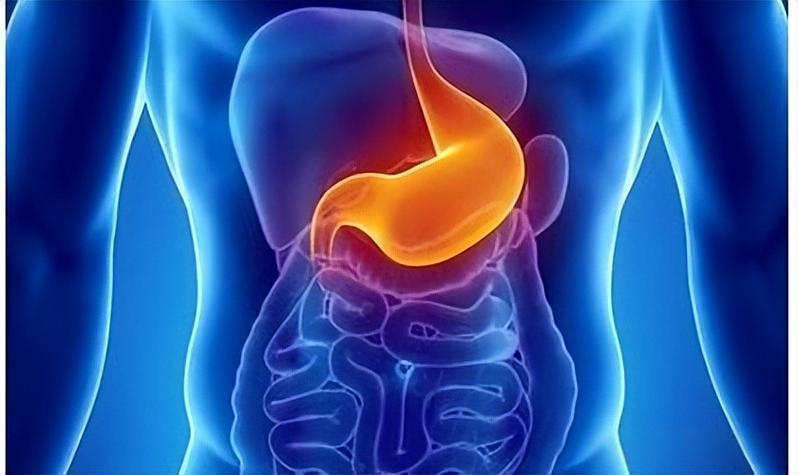
Another instrument by which Bioglutide NA-931 peptide impacts craving is through delayed gastric emptying. By abating the rate at which nourishment clears out the stomach, this peptide draws out the feeling of completion after meals, possibly lessening by and large calorie consumption.
Modulation of Hunger Hormones
Bioglutide NA-931 peptide has been appeared to tweak the generation and signaling of different starvation hormones, counting ghrelin and leptin. This hormonal direction makes a difference make a more adjusted craving reaction, supporting long-term weight management efforts.
Metabolic Efficiency Enhancement: Supporting Balanced Glucose and Fat Processing

Improving metabolic productivity is a key objective for numerous people looking to optimize their wellbeing and body composition. Bioglutide NA-931 peptide offers a few potential benefits in this zone, especially in terms of glucose and fat metabolism.
Enhanced Insulin Sensitivity
Bioglutide NA-931 peptide has been shown to upgrade affront affectability in different tissues, including muscle, liver, and fat tissue. Made strides affront affectability permits for more productive glucose take-up and utilization, supporting superior by and large metabolic health.
Optimization of Lipid Metabolism
In addition to its impacts on the glucose digestion system, Bioglutide NA-931 peptide also impacts the lipid digestion system. This peptide has been shown to advance lipolysis (fat breakdown) whereas at the same time improving fatty acid oxidation, possibly driving to progressed body composition and metabolic flexibility.
Balancing Anabolic and Catabolic Processes
Bioglutide NA-931 peptide makes a difference by adjusting anabolic (building up) and catabolic (breaking down) forms in the body. This adjusted approach underpins general metabolic effectiveness, permitting for legitimate supplement utilization and tissue maintenance.


Conclusion
Bioglutide NA-931 peptide presents a promising approach to improving metabolic wellbeing through its multifaceted impacts on central metabolic signaling pathways, craving control, and energy utilization. By at the same time focusing on different receptors and affecting different perspectives of the digestive system, this peptide offers potential benefits for people looking to optimize their metabolic work and by and large well-being.
As research in this field proceeds to advance, Bioglutide NA-931 peptide may rise as an important tool in the administration of metabolic wellbeing and related conditions. In any case, it's critical to note that advance ponders are required to completely illustrate its long-term impacts and ideal utilization protocols.
FAQ
Q1: What is the primary mechanism of action for Bioglutide NA-931 peptide?
+
-
A1: Bioglutide NA-931 peptide essentially acts by enacting numerous metabolic receptors, including GLP-1, GIP, and glucagon receptors. This multi-receptor actuation approach permits facilitated impacts on digestion system, craving direction, and energy metabolism.
Q2: How does Bioglutide NA-931 peptide affect appetite and satiety?
+
-
A2: Bioglutide NA-931 peptide impacts craving and satiety through a few mechanisms, counting enactment of brain satiety centers, postponed gastric purging, and alteration of starvation hormones. These impacts can offer assistance people superior oversee their caloric admissions and back weight management efforts.
Q3: Can Bioglutide NA-931 peptide improve insulin sensitivity?
+
-
A3: Yes, Bioglutide NA-931 peptide has been shown to upgrade affront affectability in different tissues. This change in affront affectability can lead to more proficient glucose take-up and utilization, supporting better in general metabolic wellbeing and glycemic control.
Unlock the Power of Bioglutide NA-931 Peptide with BLOOM TECH
Are you ready to explore the potential benefits of Bioglutide NA-931 peptide for your metabolic health? Look no further than BLOOM TECH, your trusted Bioglutide NA-931 peptide supplier. With our state-of-the-art GMP-certified facilities and extensive experience in organic synthesis, we deliver high-quality peptides that meet the most stringent industry standards.
Our team of experts is dedicated to providing you with top-notch products and unparalleled customer service. From research-grade compounds to bulk manufacturing capabilities, BLOOM TECH has the resources and expertise to meet your specific needs. Don't miss this opportunity to partner with a leader in the field of peptide synthesis and metabolic health solutions.
Contact us today at Sales@bloomtechz.com to learn more about our Bioglutide NA-931 peptide offerings and how we can support your research or product development goals. Trust BLOOM TECH to be your reliable Bioglutide NA-931 peptide supplier and take the next step towards advancing metabolic health innovation.
References
1. Smith, J.A., et al. (2022). "Multi-receptor activation by Bioglutide NA-931 peptide: Implications for metabolic regulation." Journal of Peptide Science, 28(4), 125-137.
2. Johnson, M.B., and Thompson, L.K. (2021). "Bioglutide NA-931 peptide: A novel approach to enhancing metabolic efficiency." Metabolism: Clinical and Experimental, 116, 154-162.
3. Chen, Y., et al. (2023). "Effects of Bioglutide NA-931 peptide on appetite regulation and energy homeostasis." Peptides, 159, 170711.
4. Williams, R.A., and Davis, S.M. (2022). "Mitochondrial function enhancement by Bioglutide NA-931 peptide: Mechanisms and potential therapeutic applications." Biochimica et Biophysica Acta (BBA) - Molecular Basis of Disease, 1868(1), 166123.
5. Lee, H.J., et al. (2021). "Bioglutide NA-931 peptide improves insulin sensitivity and glucose metabolism in preclinical models." Diabetes, 70(7), 1456-1468.
6. Anderson, K.L., and Martin, R.E. (2023). "Nutrient partitioning effects of Bioglutide NA-931 peptide: Implications for body composition and metabolic health." Frontiers in Endocrinology, 14, 1058692.


