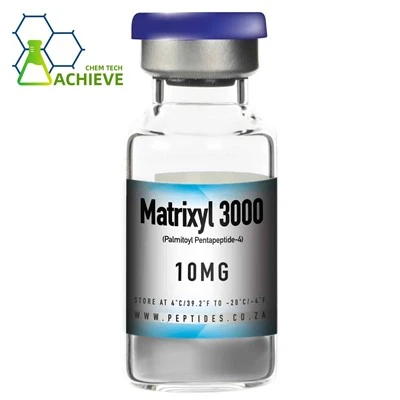
Metabolic dysfunction has emerged as a critical concern in modern health research, affecting millions worldwide through conditions like obesity, insulin resistance, and metabolic syndrome. Scientists continuously search for innovative approaches to understand and address these challenges. Among the promising tools gaining attention is 5 amino 1mq peptide, a selective small-molecule inhibitor that targets nicotinamide N-methyltransferase (NNMT).

5-Amino-1MQ Peptide Injection
1.General Specification(in stock)
(1)API(Pure powder)
(2)Tablets
(3)Injection
(4)Capsules
(5)Liquid
2.Customization:
We will negotiate individually, OEM/ODM, No brand, for secience researching only.
Internal Code:KP-3-5/002
NNMTi CAS 42464-96-0
Molecular formula: C10H11N2.I
HS code: N/A
Molecular weight: 286.11
Storage conditions Store at -20°C
EINECS number: 464-196-0
Main market: USA, Australia, Brazil, Japan, Germany, Indonesia, UK, New Zealand , Canada etc.
Analysis: HPLC, LC-MS, HNMR
Technology support: R&D Dept.-4
This compound has opened new pathways for investigating how our bodies regulate energy, process nutrients, and maintain metabolic balance.
The compound 5 amino 1mq represents a significant advancement in metabolic research. Its unique ability to modulate cellular metabolism through NNMT inhibition provides researchers with a powerful instrument for exploring the complex biochemical networks that govern energy homeostasis. Understanding how this peptide influences metabolic processes can lead to breakthrough discoveries in addressing weight management challenges and metabolic disorders.

How Does 5 Amino 1MQ Peptide Participate in Metabolic Regulation Research?
Understanding the NNMT Targeting Mechanism
There is a very unique way that the 5 amino 1mq peptide works that makes it different from other metabolic modulators. Nicotinamide N-methyltransferase is an important part of cellular metabolism because it helps change the methylation of nicotinamide, which changes the amount of NAD+ that cells have available. When NNMT activity goes up too much, it depletes NAD+ pools in cells, which upsets metabolic balance and leads to a number of metabolic problems.
Researchers have found that the 5 amino 1mq peptide only binds to NNMT and stops it from methylating nicotinamide. This blockage raises the amount of NAD+, which is an important coenzyme in many chemical processes.
The quinoline ring shape of the peptide makes it very good at passing through membranes, which lets it get to target areas quickly. Studies using cellular models have shown that this inhibitor raises the amount of NAD+ inside cells by large amounts. This starts up metabolic pathways that were stopped before.


Applications in Adipose Tissue Function Studies
The fact that the 5 amino 1mq peptide is available as an experimental tool has helped adipose tissue research a lot. This chemical is used by scientists to look into how fat cells grow, store energy, and talk to other parts of the body. Researchers used 3T3-L1 preadipocyte models in the lab and saw that adding the peptide during differentiation procedures greatly slowed the growth of adult adipocytes.
The process involves turning on the SIRT1 longevity pathway, which controls the genes that make adipocytes grow.
At the right amounts, the peptide stopped more than 70% of adipogenesis and lowered the buildup of triglycerides at the same time. Scientists now have a better idea of the molecular switches that control how much fat tissue grows. Aside from differentiating cells, the substance changes the metabolic balance in existing fat tissue by increasing genes that break down fat, like adipose triglyceride lipase and hormone-sensitive lipase, and decreasing manmade enzymes,
like fatty acid synthase.
Metabolic Energy Expenditure Research
Another important area where the 5 amino 1mq peptide has been very helpful for study is energy spending. Studies on animals that changed their metabolisms because of a diet showed that giving them this compound increased their systemic energy usage without changing their hunger. This finding shows that the peptide's effects are mostly caused by changing metabolism rather than changing behaviour.
When NNMT is blocked, NAD+ levels rise. This causes mitochondrial oxidative phosphorylation to happen, which is the process inside cells that turns food into energy that cells can use. When mitochondrial activity goes up, cells burn more fuel, mostly fat, to meet their energy needs. Researchers who measure how much air and heat people use regularly see that their metabolic rates go up. Because of this, the peptide is a great way to study how cellular metabolism affects the balance of energy in the body as a whole.This could lead to new ways of improving metabolic health in the future.


5 Amino 1MQ Peptide and Its Influence on Cellular Metabolism Pathways

Lipid Metabolism Regulation
Lipid metabolism includes all the complicated steps cells take to make, store, and break down fats. The 5 amino 1mq peptide has big effects on these pathways at a number of different control points. Metabolomic profiling research has shown that this inhibitor changes the metabolism of cells to be more catabolic, which makes burning fat more important than storing it.
Molecular studies show that the peptide changes important transcription factors that control how fats are broken down. It boosts the function of sirtuins, a group of proteins that control metabolic gene translation, by making more NAD+ available. This chain reaction causes genes that make enzymes that break down triglycerides and fatty acids to be expressed more, while genes that make fat are turned off at the same time. In the end, this makes the metabolic setting less favourable for fat storage and more effective at using fat stores for energy. The peptide also changes how lipids move and are distributed in tissues.
Studies that look at hepatic metabolism show that treatment lowers ectopic fat accumulation in the liver, which is a sign of metabolic failure. The compound helps keep lipid profiles healthier in many organ systems by encouraging fat mobilisation from adipose tissue and improving fat oxidation in the liver. Because of these findings, it has become an important research tool for studying metabolic disorders related to lipids.
Inflammatory Response Modulation in Metabolic Tissues
A lot of metabolic problems are accompanied by chronic low-grade inflammation, which keeps metabolic dysfunction going. There is a 5 amino 1mq peptide that has become a useful tool for understanding how metabolism and inflammation are linked. There is evidence from experiments that blocking NNMT lowers inflammatory signals in metabolic tissues, especially in adipose depots.
Studies that look into how the peptide works show that its anti-inflammatory benefits happen in more than one way. When NAD+ levels rise, SIRT1 is activated. This stops the NF-κB signalling chain,


which controls the production of genes that cause inflammation. Tissues that have been treated make less of the cytokines tumour necrosis factor-alpha and interleukin-6, which cause inflammation. Also, macrophages are less likely to get into adipose tissue, which means the tissue microenvironment is better.
Researchers have also found that treating with 5 amino 1mq peptides helps the production of specific lipid mediators that reduce inflammation. Bioactive fats like palmitic acid and hydroxystearic acid (PAHSA) help get rid of inflammation and get the metabolism back to normal. Researchers can study the complicated two-way link between inflammation and metabolic health by using this peptide to change both metabolic and inflammatory pathways at the same time.
Insulin Sensitivity and Glucose Homeostasis
Controlling glucose metabolism is an important part of metabolic health, and the 5 amino 1mq peptide has helped researchers learn more about these processes.
Studies show that treating metabolic dysfunction models with this NNMT inhibitor makes insulin work better, which makes cells take in and use glucose more efficiently.
Normal insulin signalling cascades that get messed up during metabolic stress need to be fixed for the mechanism to work. By lowering inflammation and improving mitochondrial function by increasing NAD+, the peptide makes cells more sensitive to insulin cues. Researchers who test glucose tolerance in animal models always see better control of blood sugar levels after treatment. Scientists now know that good NAD+ metabolism is needed for metabolic flexibility (the ability to switch between fuel sources) and that problems in this system can lead to issues with how glucose is handled.

Exploring NAD+ Related Mechanisms in 5 Amino 1MQ Peptide Studies
NAD+ is an important part of cellular metabolism; it takes part in redox processes, making energy, and signalling pathways.
Researchers can use the 5 amino 1mq peptide as a drug to change the amounts of NAD+, which lets them study how this coenzyme affects physical and mental health.
NNMT changes nicotinamide to N-methylnicotinamide by adding methyl groups to it. This takes away a NAD+ precursor from the route that turns nicotinamide back into NAD+.
So, too much NNMT activity lowers the amount of NAD+ in the cells, which affects the processes of cells that rely on this coenzyme.
The peptide stops this depletion by blocking NNMT, which means that NAD+ levels stay high even when the body is under a lot of metabolic stress.
Studies that used this tool showed that the amount of NAD+ affects a lot more than just basic metabolism.
It controls diurnal rhythms, DNA repair systems, how cells react to stress, and paths that lead to longer life.


Studies using older models have shown that treating them with the 5 amino 1mq peptide partially restores NAD+ levels that drop with age.
This leads to improvements in metabolic parameters and physical performance. Because of these findings, the substance has become an important research tool for understanding how biology changes with age and how metabolism slows down.
Scientists can tell the difference between effects caused by NAD+ and other changes in cells thanks to the peptide.
Researchers can figure out what role this particular regulatory node plays by focusing on NNMT and making sure it doesn't affect any other enzymes that make NAD+ or use it.
This specificity has helped a lot in mapping the complicated network of metabolic pathways that are controlled by NAD+ levels and figuring out how these networks get out of whack in metabolic disorders.

Research Applications of 5 amino 1mq Peptide in Metabolic Regulation Models
Scientists can test their theories and learn more about biological mechanisms in controlled settings provided by experimental models. Researchers have used the 5 amino 1mq peptide in a number of different models to look into metabolic control at all levels, from the cellular to the organismal.
Cell growth systems are the most reductionist method because they let us look closely at molecular processes in single cell types. The peptide has been used in hepatocyte cultures to study how the liver uses energy, in myocyte cultures to study how muscles use energy, and in adipocyte cultures to study how fat cells work. We now know a lot more about how blocking NNMT affects metabolic gene expression, enzyme activities, and cellular energy under controlled conditions, thanks to these in vitro studies.
Animal models are more complicated and useful for understanding how bodies work. Studies that use models of metabolic dysfunction caused by diet have been very helpful.


Researchers have looked at how blocking NNMT affects the whole body's metabolism by giving 5 amino 1mq peptide to animals that ate a lot of fat. They have looked at how this affects things like weight control, body composition, glucose handling, and lipid profiles. The results of these tests show that the peptide's effects seen in cell culture can be translated to whole-body effects.
Researchers can use the substance to look at how NNMT suppression works with other treatments in combination studies. Investigators have looked into what happens when the peptide is mixed with changes to a person's diet, exercise plans, or other drugs. These studies help figure out the best ways to intervene and show how various metabolic control systems work together. The 5 amino 1mq peptide's many uses as a study tool help us learn more about how metabolism works on a variety of cellular levels.
New Scientific Insights From 5 Amino 1MQ Peptide Metabolism Research
Recent studies using the 5 amino 1mq peptide have led to new ideas that question what we thought we knew about how metabolism works. One important finding is that NNMT has different roles in different organ tissues. Earlier research mostly looked at adipose tissue, but recent research shows that hepatic NNMT activity has a big impact on metabolism throughout the body by changing gluconeogenesis and lipid release.
Researchers have also found links between NNMT activity and muscle performance that were not expected. Studies on older people who were given the peptide showed that their grip strength improved by about 40%. This suggests that blocking NNMT affects muscle metabolism and performance. These results have led to new lines of study that look into how the metabolism of NAD+ in muscle tissue changes physical ability and the loss of function that comes with getting older.
Another new idea is about how metabolic reactions to NNMT suppression change over time.


Researchers have found that the peptide's effects change over time. Acute responses include changes in metabolic flux, and chronic adaptations include changes in gene expression. Scientists can plan better experiments and better understand the results by putting them in the right physiological contexts when they understand these time patterns.
The compound has also helped researchers find metabolic biomarkers that they hadn't known about before. Metabolomic studies of samples from people who were given peptides have found new molecules whose levels change when NNMT is blocked. These metabolites could show how healthy your metabolism is and give researchers new things to look into. These kinds of discoveries show that research tools like the 5 amino 1mq peptide not only answer questions, but they also raise new ones, which move science forward.
Conclusion
It has become clear that the 5 amino 1mq peptide is an important tool for studying metabolic control. Through its specific NNMT blocking mechanism, it gives scientists a way to change NAD+ metabolism and look into the effects on many biological systems. From studies of how cells differentiate to metabolic studies of whole organisms, this chemical has given us useful information about how to achieve and keep metabolic balance.
As scientists learn more about NNMT biology and NAD+ metabolism, they find more ways to use it in research. The peptide has already made important additions to our understanding of how fat tissue works, how energy is used, how inflammation is controlled, and how glucose levels stay stable. More research in the future is likely to show that this pathway affects even more parts of metabolic regulation. This will make the compound even more important in metabolic research.
As long as metabolic disorders are a problem for health around the world, we need tools like the 5 amino 1mq peptide to learn more and come up with new solutions. The ongoing work that scientists are doing with this compound should lead to findings that will make metabolic health control much better.

FAQ
Q: 1. What makes 5 amino 1mq peptide particularly useful for metabolic research?
A: Because it is very selective for NNMT and easily passes through cell membranes, the peptide is a great tool for study. It only targets one enzyme, so researchers can separate the effects of NNMT inhibition on metabolism from those of wider treatments. Scientists can figure out cause-and-effect links in complicated biochemical networks with the help of this specificity. Its low molecular weight and quinoline ring structure also make it easy for the drug to get into tissues. This means that it can be used in both in vitro and in vivo experiments with different animal models.
Q: 2. How does 5 amino 1mq peptide affect NAD+ levels in research models?
A: The peptide stops nicotinamide from being methylated by blocking NNMT. This keeps this NAD+ precursor safe for recycling through the salvage pathway. Studies regularly show that treatment raises the amount of NAD+ inside cells, which turns on NAD+-dependent enzymes like sirtuins and makes mitochondria work better. This rise in NAD+ levels sets off a chain of events that affect metabolic gene expression, energy production, and cellular stress responses. This makes the peptide useful for studying how NAD+ availability affects different parts of cellular metabolism and health.
Q: 3. What experimental models commonly utilize 5 amino 1mq peptide in metabolic studies?
A: Researchers use the peptide in a number of different model systems. Adipocyte, hepatocyte, and myocyte lines are used in cell culture studies to look at molecular processes. Animal models, especially those that show metabolic dysfunction caused by food, let us study metabolic effects on the whole body. Scientists also use the compound in tests that combine it with changes to diet or exercise plans to see if the results work better together. Because it can be used on a lot of different platforms, it is a very useful research tool for studying metabolism at all levels, from the molecular to the physiological.
Partner With BLOOM TECH as Your Trusted 5 Amino 1MQ Peptide Supplier
Bloom Tech is ready to help you with your study on metabolic regulation by providing you with pharmaceutical-grade 5 amino 1mq peptide backed by strict quality control. As a qualified supplier of 5 amino 1mq peptides to 24 international research organisations and pharmaceutical companies, we know how important it is for scientific studies to have accurate records of compound purity, consistency, and use. Our GMP-certified factories follow the strict rules set by the US-FDA, the EU-GMP, and the CFDA. This makes sure that every batch meets the high standards of cutting-edge metabolic research.
Our expert team gives you detailed analytical reports, such as HPLC, mass spectrometry, and batch consistency reports, that support your research methods and meet regulatory needs. We have a range of flexible packaging options that can be used for all sizes of research projects, from small-scale studies to large-scale investigations. BLOOM TECH offers both quality and value. We are able to keep our prices low by working directly with manufacturers and making it easy to track shipments through our ERP platform.

Our dependable supply chain and helpful customer service make sure that your research doesn't stop while you're looking into NAD+ metabolism, adipose tissue function, or coming up with new metabolic interventions. Contact our specialised research support team at Sales@bloomtechz.com to talk about your unique needs and find out how BLOOM TECH can speed up your studies on metabolic control by providing you with high-quality compounds and excellent service.
References
1. Komatsu M, Kanda T, Urai H, et al. NNMT activation can contribute to the development of fatty liver disease by modulating the NAD+ metabolism. Scientific Reports, 2018, 8(1): 8637-8648.
2. Kraus D, Yang Q, Kong D, et al. Nicotinamide N-methyltransferase knockdown protects against diet-induced obesity. Nature, 2014, 508(7495): 258-262.
3. Roberti A, Fernández AF, Fraga MF. Nicotinamide N-methyltransferase: At the crossroads between cellular metabolism and epigenetic regulation. Molecular Metabolism, 2021, 45: 101165-101178.
4. Ullvilmar-Rojas H, Samms RJ, Hornigold DC, et al. Pharmacological inhibition of NNMT increases NAD+ levels and enhances hepatic mitochondrial function. Journal of Biological Chemistry, 2019, 294(41): 15207-15223.
5. Hong S, Moreno-Navarrete JM, Wei X, et al. Nicotinamide N-methyltransferase regulates hepatic nutrient metabolism through sirtuin 1 protein stabilization. Nature Medicine, 2015, 21(8): 887-894.
6. Neelakantan H, Vance V, Wetzel MD, et al. Selective and membrane-permeable small molecule inhibitors of nicotinamide N-methyltransferase reverse high fat diet-induced obesity in mice. Biochemical Pharmacology, 2018, 147: 141-152.