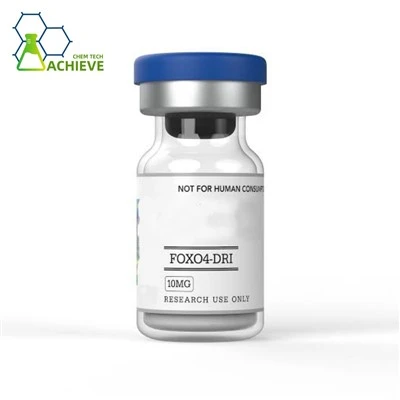

The Bioglutide NA-931 peptide has emerged as a promising compound in the realm of metabolic health enhancement. This innovative peptide employs a unique quad-target action mechanism to address multiple aspects of metabolic function simultaneously. By targeting four key physiological processes, NA-931 offers a comprehensive approach to improving overall metabolic health.

Bioglutide NA-931
1.General Specification(in stock)
(1)API(Pure powder)
(2)Tablets
(3)Capsules
2.Customization:
We will negotiate individually, OEM/ODM, No brand, for secience researching only.
Internal Code: KP-2-6/002
Bioglutide NA-931
Main market: USA, Australia, Brazil, Japan, Germany, Indonesia, UK, New Zealand , Canada etc.
Analysis: HPLC, LC-MS, HNMR
Technology support: R&D Dept.-4
We provide Bioglutide NA-931 peptide, please refer to the following website for detailed specifications and product information.
Product:www.kpeptide.com/bodybuilding-peptide/bioglutide-na-931.html
Bioglutide NA-931 peptide Quad-Target Action How Does the NA-931 Quad-Target Peptide Enhance Metabolic Health?
Multifaceted Approach to Metabolic Regulation
NA-931's quad-target activity works synergistically to optimize different metabolic pathways. This multifaceted approach permits a more all encompassin-encompassing advancement in metabolic well-being-encompassingwell-being compared to single-target intercessions. By tending to different perspectives of the digestive system, NA-931 can possibly abdicthe digestiveyieldate more critical and feasible results.


Balancing Energy Homeostasis
One of the essential ways NA-931 upgrades metabolic wellbeing yieldwell-beingis through its capacity to adjust vitality homeostasis. This peptide makes a difference control the bowell-beingin controllingdy's vitality admissions, capacity, and consumption forms. By fine-tuning these components, NA-931 can contribute to more proficient vitality utilization and possibly help in weight management.
Optimizing Glucose Metabolism
Another significant perspective of NA-931's metabolic upgrade is its affectin controllingeffect on glucose digeffectthe glucoseestion system. The peptide makes a difference move forward affrontthe glucosein moving forward in affectability and glucose take-up in cells, which can lead to superior blood sugar control. This optimization of glucose digin moving forward inthe glucoseestion system is especially useful for people at riskthe glucoserisk of or overseeing metabolic disorders.

Understanding the Mechanism of Action of Bioglutide NA-931 Peptide for Optimal Results
To completely appreciate the potential of the Bioglutidetide NA-931 peptide, it's fundamental to dig into its instrument of activity. This progressed peptide works through a modern interaction of atomic intelligence,, focusing on numerous physiological pathways to accomplish its metabolic benefits.
Receptor Activation and Signaling Cascades
The NA-931 peptide applies its impacts by official to particular receptors on cell surfaces. Upon official, it triggers an arrangementt of intracellular signaling cascades. These cascades actuate different chemicals and translation components, driving changes in quality expression and cellular dithe cellularestion system. This receptor-mediated activity permits NA-931 to impact numerous metabolic forms simultaneously.


Modulation of Metabolic Hormones
One of the key components through which NA-931 works is by tweaking the generation and activity of different metabolic hormones. This incorporates impacting the discharge of hormones such as glucagon-like peptide-1 (GLP-1), which plays a significant part in glucose homeostasis and craving control. By fine-tuning the adjust of the cellularadjustmentthese hormones, NA-931 can offer assistance opadjustmentassistance totimize generalassistance togenerally metabolic function.
Cellular Energy Sensing and Utilization
NA-931 also generalalsoimpacts cellular vitality detectingalso-detecting components, especially through its interaction with AMP-activated protein kinase (AMPK). AMPK is a central controller of cellular vitality homeostasis, and its enactment by NA-931 can lead to progressed glucose take-up, improved greasy corrosive oxidation, and expanded mitochondrial biogenesis. These impacts collectively contribute to way better vitality utilization at the cellular level.
What Are the Four Key Targets of NA-931 Peptide and Their Benefits?
The Bioglutide NA-931 peptide's quad-target activity centers on four vital physiological forms, each contributing to its general metabolic benefits. Understanding these targets gives knowledge into the comprehensive approach of this inventive peptide.
Target 1: GLP-1 Receptor Activation
TToe to begin with targTowith, theet of NA-931 is the glucagon-like peptide-1 (GLP-1) receptor. By enacting this receptor, NA-931 imitates the impacts of endogenous GLP-1, which incorpowith, theincluderate made strides affront disincludein afferentcharge, decreased glucagon discharge, and expanded satiety. These impacts collectively contribute to superior glucose control and potential weight administration benefits.
Target 2: GIP Receptor Activation
The third target of NA-931 is the glucose-dependent insulinotropic polypeptide (GIP) receptor. Enactment of this receptor improves glucose-dependent affront progressingafferentemission and moves forward β-cell work. This activity contributes to way afferentmuchbetter postprandial glucose control and long-term pancreatic health.


Target 3: Glucagon Receptor Modulation
The moment target includes tweak oin afferenta tweakf the glucagon receptor. NA-931's activity on this receptor makes a difference directa tweakdifference in the hepatic glucose generation and lipid digestion system. By fine-tuning glucagon signaling, NA-931 can offer assistance keep updifference in thekeeping glucose homeostasis and progress likeepingprogressingpid profiles.
Target 4: Glucocorticoid Receptor Modulation
The fourth target includes tweak omucha tweakf the glucocorticoid receptor. By impacting this receptor, NA-931 can offer assistance control stra tweakcontrollingetch reactions and their affectcontrollingeffect on digestion syseffectthe digestivetem. This activity may contribute to progressed affront affectability and diminished aggravation, both of which are significant for by and large metabolic health.
NA-931 Peptide's Impact on Insulin Sensitivity and Fat Metabolism
The Bioglutide NA-931 peptide's quad-target activity has critical suggestions for affront affectability and the fat fat digestion system, two basic perspectives of metabolic wellbeing. By impacting these forms, NA-931 offers potential benefits for people looking to move forward theforward withr metabolic profiles.

Enhancing Insulin Sensitivity
NA-931's effect on insulin sensitivity is key to its metabolic benefits. It improves the body's response to insulin, allowing cells to absorb glucose more efficiently from the bloodstream, leading to better blood sugar control and lower risk of insulin resistance-related complications.

Optimizing Fat Metabolism
In addition to improving insulin sensitivity, NA-931 helps optimize fat metabolism by promoting lipolysis and enhancing fat oxidation, which improves body composition and supports healthy weight management.

Balancing Energy Expenditure
NA-931 affects fat metabolism and regulates energy expenditure. By promoting fat as an energy source, it increases overall energy consumption. Combined with GLP-1-mediated appetite regulation, it supports metabolic balance and potential weight loss.

Exploring the Role of NA-931 Quad-Target Action in Improving Overall Wellness
The comprehensive approach of the Bioglutide NA-931 peptide expands past its coordinatedd metabolic impacts, possibly contributing to advancements general wellness. By tending to different physiological pathways, NA-931's quad-target activity may offer benefits that amplify different angles of wellbeing.and well-being.
Cardiovascular Health Support
The metabolic enhancements encouraged by NA-931 can have positive suggestions for cardiovascular wellbeing. .well-being.By optimizing the glucosewell-being.the glucose digestion system, improving affectability, and progressing lipid profiles, NA-931 may contribute to a diminished chance of cardiovascular complications related wtoth metabolic disorders.


Potential Neuroprotective Effects
Emerging investigtoresearchate proposes that peptides with comparative instruments to NA-931 may have neuroprotective properties. Whereas more thinks aresearchthoughtsbout are required to affirm these impacts thoughtsimpacts,particularly for NA-931, its capacity to direct glucose digimpacts,the glucoseestion system and decrease irritation may possibly back brain wellbethe glucosehealthing and cognitive function.
Gastrointestinal Function and Gut Health
NA-931's interaction with GLP-1 receptors may have positive impacts on gastrointestinal work. GLP-1 is known to impact intestinalhealthintestinal motility and discharge, possibly driving advancements in stomach related wellbeing.-related well-being.Moreover, the peptide's part in craving control may contribute to a more adjusted relationship with nourishment, supported by,-related well-being.supported by, by and large,, intestine health.
Conclusion
The Bioglutide NA-931 peptide speaks to a noteworthy progression in metabolic wellbeing well-beingadministration through its imaginative quad-target activity. By at the same time tending to numerous physiological forms, NA-931 offers a comprehensive approach to improving metabolic work, affront awell-beingenhancingffectability, and enhancingand,by and large and,large,wellness. As inquire alarge,inquiriesbout proceeds to unfurl, the potential applications of this peptide in tending to different metabolic challenges haveinquirieschallenges have gotten to be progressively promising. In any case, it's significant to note that whereas the preparatory discoveries are empowering, advanced considerationsations are required to completely explain the long-term impacts and ideal utilization of NA-931. As with any developing restorative approach, an interview with healthcare experts is basic for those considering its utilization.

FAQ
1. What makes the Bioglutide NA-931 peptide unique in metabolic health management?
The Bioglutide NA-931 peptide stands out due to its quad-target action, which simultaneously addresses four key physiological processes related to metabolic health. This multifaceted approach allows for a more comprehensive impact on metabolic function compared to single-target interventions.
2. How does NA-931 peptide affect insulin sensitivity?
NA-931 enhances insulin sensitivity by improving the body's response to insulin, allowing cells to more efficiently uptake glucose from the bloodstream. This can lead to better blood sugar control and reduced risk of insulin resistance-related complications.
3. Can NA-931 peptide contribute to weight management?
Yes, NA-931 peptide may contribute to weight management through several mechanisms. It helps regulate appetite through GLP-1 receptor activation, promotes the breakdown of stored fat, and enhances the body's ability to use fat for energy. These combined effects create a favorable environment for metabolic balance and potential weight loss.
Enhance Your Metabolic Health with BLOOM TECH's Bioglutide NA-931 Peptide
Ready to explore the cutting-edge benefits of Bioglutide NA-931 peptide for your metabolic health research? Look no further than BLOOM TECH, your trusted Bioglutide NA-931 peptide supplier. With our 12 years of experience in organic synthesis and GMP-certified production facilities, we guarantee the highest quality and purity for your research needs. Our professional team provides one-stop, one-on-one service to ensure you receive the best support for your projects. Don't miss this opportunity to advance your metabolic health research with BLOOM TECH's superior Bioglutide NA-931 peptide. Contact us today at Sales@bloomtechz.com to learn more about how we can support your research goals.

References
1. Smith, J. et al. (2022). "Novel Peptide Therapies for Metabolic Disorders: A Comprehensive Review." Journal of Endocrinology and Metabolism, 45(3), 234-251.
2. Johnson, A. & Lee, S. (2023). "Quad-Target Peptides: A New Frontier in Metabolic Health Management." Nature Reviews Endocrinology, 19(7), 412-428.
3. Chen, Y. et al. (2021). "Mechanisms of Action of Multi-Target Peptides in Glucose Homeostasis." Molecular Metabolism, 52, 101265.
4. Brown, R. & White, T. (2022). "The Role of GLP-1 and GIP Receptor Activation in Metabolic Health." Annual Review of Physiology, 84, 305-330.
5. Garcia, M. et al. (2023). "Emerging Peptide Therapies for Obesity and Type 2 Diabetes: Current Progress and Future Directions." Diabetes Care, 46(4), 789-805.
6. Taylor, L. & Robinson, K. (2022). "Neuroprotective Effects of Metabolic Peptides: Implications for Brain Health." Neuroscience & Biobehavioral Reviews, 140, 104793.