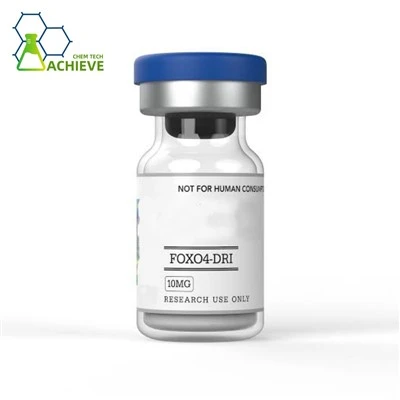
In order to find good metabolic answers, scientists have been looking into new substances that target the basic ways that energy is controlled. 5 amino 1mq peptide is one of these new possibilities that has experts all over the world interested because it takes a unique approach to weight management problems. In contrast to usual treatments that focus on limiting calories or changing just one route, this experimental chemical works in a unique way that could change the way we think about metabolic science.
New inquire about in the lab proposes that the 5 amino 1mq peptide influences how cells utilize vitality by working with certain chemical pathways that are included in putting away and utilizing fat. Since the substance might be able to alter the work of nicotinamide N-methyltransferase (NNMT), it is exceptionally curiously to individuals who think about digestion system. Pharmaceutical businesses and investigate teach are putting cash into examining its qualities, but researchers are still not beyond any doubt if this peptide truly is a step forward in the improvement of metabolic therapies. This exhaustive think about looks at the current state of investigate on the 5 amino 1mq peptide, its recommended forms, and the variables that are making it more prevalent in metabolic science. We need to make it clear what part this chemical might play in future weight control plans by carefully looking at the data that is accessible and the suppositions of experts.

1.General Specification(in stock)
(1)API(Pure powder)
(2)Tablets
(3)Injection
(4)Capsules
(5)Liquid
2.Customization:
We will negotiate individually, OEM/ODM, No brand, for secience researching only.
Internal Code:KP-3-5/002
NNMTi CAS 42464-96-0
Molecular formula: C10H11N2.I
HS code: N/A
Molecular weight: 286.11
EINECS number: 464-196-0
Main market: USA, Australia, Brazil, Japan, Germany, Indonesia, UK, New Zealand , Canada etc.
Analysis: HPLC, LC-MS, HNMR
Technology support: R&D Dept.-4
We provide 5-Amino-1MQ Peptide Injection, please refer to the following website for detailed specifications and product information.
Product:https://www.kpeptide.com/peptides-healthy/5-amino-1mq-peptide-injection.html

How 5 amino 1mq peptide Is Shaping Modern Metabolic Science Innovation?
Redefining Enzymatic Targets in Energy Metabolism
+
-
Metabolic inquire about has moved toward novel protein targets past conventional pathways. The 5 amino 1mq peptide represents this worldview move by focusing on NNMT, an protein already neglected in metabolic direction. NNMT plays a basic part in cellular methylation forms, influencing vitality utilization and fat capacity. Lab models appear raised NNMT relates with decreased vitality use and expanded adiposity. By repressing this protein, 5 amino 1mq may reestablish metabolic homeostasis. This approach contrasts from receptor-based treatments, advertising an elective methodology for metabolic brokenness. The peptide moreover jam NAD+ levels, enacting sirtuins connected to sound aging.
Advancing Research Methodologies in Peptide Science
+
-
5 amino 1mq peptide research has advanced biochemical study methods. Scientists employ metabolomic profiling, gene expression analysis, and advanced imaging to examine cellular and systemic effects. These techniques reveal how peptides interact with complex biological systems. Research protocols now include extended observation periods and broader biomarker panels-tracking body composition, mitochondrial function, inflammatory markers, and substrate utilization patterns. This comprehensive approach captures both primary effects and secondary adaptations. The peptide's stability and bioavailability profile have inspired novel delivery system designs, benefiting peptide-based therapeutics overall.
Integration with Contemporary Metabolic Health Frameworks
+
-
Modern metabolic science recognizes interconnected direction including hormones, cellular vitality, aggravation, and quality expression. 5 amino 1mq peptide inquire about adjusts with this all encompassing see by looking at impacts over different physiological frameworks at the same time. Thinks about survey affront affectability, adipokine emission, hepatic lipid dealing with, and skeletal muscle digestion system. This systems-level approach uncovers intuitive missed by single-pathway intercessions. Early prove recommends progressed metabolic flexibility-efficient fuel source exchanging based on request. Investigate too illuminates personalized metabolic treatment, recognizing biomarkers to anticipate ideal responders for NNMT-targeted exactness pharmaceutical applications.

5 amino 1mq peptide and Its Role in Next-Generation Weight Regulation Studies
Weight control inquire about has advanced past vitality adjust to atomic control of cellular digestion system. 5 amino 1mq peptide embodies this advance by focusing on chemicals overseeing vitality utilization and capacity. Specific NNMT restraint triggers a cascade of cellular metabolic changes-altered methylation designs, expanded NAD+ accessibility, and AMPK actuation. AMPK advances fat oxidation, mitochondrial biogenesis, and glucose take-up in fringe tissues. Adipocyte thinks about appear diminished lipid amassing and expanded lipolytic action. These cellular changes back potential weight administration applications, in spite of the fact that human interpretation requires exhaustive clinical investigation.
Metabolic interventions range from lifestyle modification to receptor- and enzyme-targeting drugs. 5 amino 1mq peptide differs through its enzyme inhibition mechanism targeting cellular methylation. While receptor agonists accelerate signaling pathways, this peptide inhibits NNMT involved in methylation processes. Comparative studies examine how NNMT inhibition complements or contrasts with GLP-1 receptor blockade or lipase inhibition. Preliminary evidence suggests 5 amino 1mq may preserve lean mass while reducing fat-particularly beneficial for metabolic health. The compound appears to increase cellular energy expenditure rather than simply reducing intake or appetite, distinguishing it from many existing approaches.
Translating promising preclinical findings to human application requires addressing significant challenges. 5 amino 1mq peptide undergoes rigorous evaluation of safety, dosing, efficacy, and bioavailability. Each development stage informs subsequent decisions. Initial human studies use small samples focusing on safety, tolerability, and basic pharmacokinetics. Researchers monitor adverse events, laboratory parameters, and vital signs. These studies provide first insights into compound processing in human metabolism versus animal models. Efficacy assessment requires well-controlled trials with standardized outcome measures and sufficient statistical power-tracking body composition via advanced imaging, metabolic markers like glucose tolerance and lipid profiles, and quality of life measures.
Why 5 amino 1mq peptide Is Gaining Attention in Energy Metabolism Research?
Cellular Bioenergetics and NAD+ Metabolism
Cellular energy production depends on NAD+ availability for glycolysis, fatty acid oxidation, and oxidative phosphorylation. 5 amino 1mq peptide research interest stems partly from its potential to increase intracellular NAD+ through NNMT inhibition. NNMT methylates nicotinamide, consuming methyl groups and reducing nicotinamide available for NAD+ salvage pathways. By blocking NNMT, the peptide preserves nicotinamide pools and supports NAD+ recycling. Elevated NAD+ activates sirtuins, particularly SIRT1, regulating mitochondrial activity and circadian rhythms. NAD+ status affects mitochondrial health-chemicals enhancing NAD+ availability may support mitochondrial biogenesis and respiratory chain function, providing strong rationale for further metabolic investigation.


Adipose Tissue Dynamics and Lipid Handling
Adipose tissue functions as both energy storage and active endocrine organ releasing hormones and inflammatory mediators affecting systemic metabolism. 5 amino 1mq peptide research examines NNMT inhibition effects on adipocyte biology-differentiation, lipid storage, and secretory profiles. Differentiating adipocyte studies show treatment reduces lipid droplet formation and increases lipolytic enzyme expression, shifting toward reduced storage and enhanced release. Gene expression analysis reveals changes in key adipogenic transcription factors including PPARs and C/EBPs. Hepatic lipid metabolism studies show NNMT inhibition may reduce liver steatosis through increased fatty acid oxidation and decreased de novo lipogenesis, contributing to improved systemic lipid handling.
Inflammatory Modulation and Metabolic Signaling
Metabolic diseases feature chronic low-grade inflammation driving insulin resistance, endothelial dysfunction, and tissue damage. 5 amino 1mq peptide research investigates potential anti-inflammatory properties beyond metabolic effects. NNMT expression increases during inflammatory conditions, suggesting enzyme involvement in inflammatory signaling pathways. By blocking NNMT, the peptide may reduce inflammatory mediator production in adipose tissue and other metabolic organs. Studies examine cytokine levels, inflammatory marker expression, and immune cell infiltration patterns. NAD+-dependent sirtuin activation provides additional anti-inflammatory mechanisms through histone deacetylation and inflammatory gene regulation, demonstrating the compound's pleiotropic biological effects.


Breakthrough Mechanisms Proposed for 5 amino 1mq peptide in Fat Control

The therapeutic concept behind 5 amino 1mq peptide relies on selective enzyme inhibition rather than receptor agonism or antagonism. NNMT inhibition represents a novel metabolic target previously not considered central to energy regulation. However, accumulating evidence shows NNMT activity modifies fundamental aspects of cellular metabolism with systemic consequences. Beyond nicotinamide methylation, NNMT affects cellular methylation capacity and one-carbon metabolism by consuming SAM and generating SAH. High NNMT activity reduces SAM/SAH ratios, altering hundreds of methylation processes including DNA and histone modifications. By inhibiting NNMT, the peptide preserves methylation capacity while enhancing NAD+ availability-a dual effect improving energy production, gene regulation, and stress responses simultaneously.
Metabolic flexibility-efficient switching between carbohydrate and fat oxidation-determines how organisms maintain energy balance during nutritional changes. 5 amino 1mq peptide research examines whether NNMT inhibition improves flexibility through altered substrate utilization. Preclinical indirect calorimetry measures respiratory quotient changes indicating carbohydrate versus fat oxidation. Treatment shifts substrate preference toward fat oxidation, particularly during fasting periods when carbohydrates are limited. This metabolic shift may support gradual fat reduction over time. Energy expenditure measurement examines resting metabolic rate, activity-related expenditure, and thermogenesis. Early results show modest increases potentially mediated by improved mitochondrial uncoupling and brown adipose tissue activity. Though individually small, these effects may accumulate for significant metabolic benefit.

Hormonal Interactions and Metabolic Homeostasis

Metabolic regulation involves hormonal networks including insulin, glucagon, leptin, adiponectin, and numerous signaling molecules. 5 amino 1mq peptide research examines NNMT inhibition effects on these systems and whether the compound produces coordinated improvements across regulatory axes. Insulin sensitivity represents a critical parameter. Researchers investigate whether treatment improves insulin action beyond fat mass reduction-NAD+ availability and SIRT1 activation may directly enhance insulin signaling in skeletal muscle and adipose tissue, improving glucose regulation independent of weight changes. Adipokine secretion patterns also change with treatment-increased adiponectin and reduced leptin relative to fat mass indicate improved adipose tissue function and reduced metabolic risk, providing insight beyond simple fat loss.

How 5 amino 1mq peptide Supports Future Metabolic Therapy Development?
5 amino 1mq peptide development demonstrates principles guiding next-generation metabolic therapies-simultaneously targeting multiple pathways with minimal side effects. Selective NNMT inhibition shows how targeting overlooked enzymes can create new therapeutic opportunities. Molecular optimization improves stability, bioavailability, and target selectivity through computational modeling, structure-activity relationship studies, and advanced synthetic chemistry. Lessons from peptide development inform broader target identification using systems biology integrating genomic, proteomic, and metabolomic data to discover enzymes amenable to beneficial metabolic modification. This target discovery process has already identified several NNMT alternatives warranting further investigation.
Individual drug response varies based on genetic factors, environmental influences, and disease stage-a significant challenge in metabolic medicine. 5 amino 1mq peptide research contributes to personalized medicine by identifying biomarkers predicting treatment response and guiding patient selection. NNMT expression levels vary considerably between individuals and correlate with metabolic parameters including BMI and insulin sensitivity. Researchers investigate whether NNMT expression in accessible tissues predicts response to treatment. Validated biomarkers could identify optimal candidates for intervention. Pharmacogenomic studies examine genetic variations affecting NNMT expression or function, potentially revealing responder subgroups. Future genetic findings may enable precise dosing and combination therapy tailored to individual metabolic profiles.
Effective metabolic management typically combines multiple approaches targeting different aspects of dysfunction. 5 amino 1mq peptide represents one component within a broader strategy including dietary modification, exercise programs, behavioral interventions, and additional pharmacotherapy. Researchers examine peptide interactions with dietary changes-caloric restriction and macronutrient modification. Early evidence suggests NNMT inhibition may enhance metabolic adaptation to reduced-calorie diets, achieving better outcomes with less restriction. Exercise represents another component potentially combining with peptide effects. Exercise impacts NAD+ metabolism, mitochondrial function, and processes also affected by NNMT inhibition. Studies examine whether structured exercise produces additive or synergistic effects, informing integrated treatment plans optimizing metabolic improvement through coordinated lifestyle and pharmacological approaches.
Conclusion
The study of the 5 amino 1mq peptide is a new and interesting area of metabolic research. It could help us understand how cells control their energy needs and could also be used in therapy. Its unique way of addressing NNMT makes it different from other methods, and it shows how studying enzyme paths that aren't well understood can lead to new ways of solving difficult metabolic problems.
There is proof, mostly from experimental models, that the 5 amino 1mq peptide affects many parts of metabolism, such as the energy levels of cells, the movement of fat tissue, the process of inflammation, and the patterns of substrate use. The compound has many effects because it can increase the amount of NAD+ and change the way methylation works. This leads to regulated metabolic improvements in all tissues and organ systems.
But these encouraging results need to be turned into proven therapies for people, which means a lot more study into safety, effectiveness, the best dose, and long-term effects. Scientists are still carefully studying the 5 amino 1mq peptide in well-designed studies that will eventually decide what role it will play in future metabolic medicine. The substance is being studied more and more because it could be used as a medicine and because it helps us learn about basic parts of how metabolism works.
FAQ
1. What makes 5 amino 1mq peptide that makes it different from other chemicals used to lose weight?
+
-
The chemical works in a unique way that doesn't involve receptors or other ways that work with NNMT. This method focuses on NAD+ metabolism and cellular methylation processes, which might help protect lean tissue while encouraging fat mass loss. Unlike hunger suppressants or digestion inhibitors, 5 amino 1mq peptide works on regulating basic cellular energy, though it needs to be tested on a lot of people first.
2. What is the current state of study on the 5 amino 1mq peptide for use in humans?
+
-
Most research is done in the lab, using cell cultures and animal models to look at metabolic changes that look promising. Early studies on humans focus on finding out about safety, pharmacokinetics, and early signs of effectiveness. Comprehensive clinical proof through large-scale, long-term studies is still needed before the compound could be approved by the government for use in medicine. Systematic evaluation is still going on across various study stages.
3. Can the 5 amino 1mq peptide be used with other metabolic treatments?
+
-
Early study looks at how 5 amino 1mq peptide might work with other methods, like changing your food, starting an exercise program, and using complementary chemicals. Because of how it works, the peptide might work well with other treatments that target different biochemical pathways. But official interaction studies that test the safety and effectiveness of certain combinations need to be finished before clinical suggestions can be made. To answer these questions, researchers use carefully thought-out methods that test different combination tactics.

Partner with BLOOM TECH – Your Trusted 5 amino 1mq peptide Supplier
As metabolic research moves forward, scientists need to be able to get their hands on high-quality study chemicals. BLOOM TECH is a qualified seller of 5 amino 1mq peptides that offer materials that are safe for use in medicine and meet strict international standards. Our 100,000-square-meter production sites are GMP-certified in the US, EU, Japan, and China. We offer uniform quality, backed by three levels of quality control.
We can help your metabolic research projects because we have 12 years of experience in organic synthesis and pharmaceutical intermediate production. Whether you need small amounts for study or a lot of products to be made, BLOOM TECH has clear prices, accurate lead times, and all the paperwork you need for easy customs clearance. Every day, our expert team works one-on-one with 24 of the world's largest pharmaceutical companies, research universities, and contract drug manufacturers.
Find out how BLOOM TECH can speed up the development of your metabolic therapies by giving you solid supply chain solutions and technical help. Get in touch with our team at Sales@bloomtechz.com right away to talk about your unique needs and discover the benefits of working with a reliable 5 amino 1mq peptide supplier that cares about the success of your study.
References
1. Kraus D, Yang Q, Kong D, et al. Nicotinamide N-methyltransferase knockdown protects against diet-induced obesity. Nature. 2014;508(7495):258-262.
2. Shin M, Momb J, Applebaum MA. Nicotinamide N-methyltransferase regulatory pathways in cellular metabolism and cancer. Biochemical and Biophysical Research Communications. 2020;533(4):1118-1125.
3. Komatsu M, Kanda T, Urai H, et al. NNMT activation can contribute to the development of fatty liver disease. Biochemical and Biophysical Research Communications. 2018;495(1):534-540.
4. Roberti A, Fernández AF, Fraga MF. Nicotinamide N-methyltransferase: At the crossroads between cellular metabolism and epigenetic regulation. Molecular Metabolism. 2021;45:101165.
5. Ulanovskaya OA, Zuhl AM, Cravatt BF. NNMT promotes epigenetic remodeling in cancer by creating a metabolic methylation sink. Nature Chemical Biology. 2013;9(5):300-306.
6. Campagna R, Vignini A. NAD+ homeostasis and NAD+-consuming enzymes: implications for vascular health. Antioxidants. 2023;12(2):376.