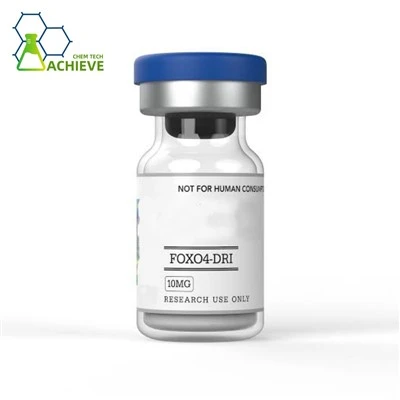
Modern metabolic investigations have shown fascinating ways novel chemicals might alter energy balance. Bioglutide NA-931 peptide is a novel therapeutic candidate since it targets four receptors simultaneously: GLP-1R, GIPR, GCGR, and IGF-1R. This novel oral tiny chemical may boost metabolic pathways and daily calorie burn. To understand how this chemical accelerates metabolism, we must examine its effects in diverse organs.
Tradition weight loss methods struggle to keep up with energy usage when calories are reduced. The body naturally reduces its metabolism, causing plateaus. This challenge is addressed differently by bioglutide NA-931 peptide. It activates metabolic pathways that increase resting energy use and lean muscle mass. Clinical data reveal that patients burn 200 to 300 kcal more per day than moderate physical activity without exercising more.
Increasing metabolism is important for more than monitoring calories. Energy utilization increases with mitochondrial function, thermogenic activity in specialized fatty tissue, and basal metabolic demands. These procedures provide lasting metabolic benefits rather than spikes. The chemical promotes metabolism in many organ systems using a four-target process. It differs from single-pathway therapy.

Bioglutide NA-931
1.General Specification(in stock)
(1)API(Pure powder)
(2)Tablets
(3)Capsules
2.Customization:
We will negotiate individually, OEM/ODM, No brand, for secience researching only.
Internal Code: KP-2-6/002
Bioglutide NA-931
Manufacturer: BLOOM TECH Wuxi Factory
Analysis: HPLC, LC-MS, HNMR
Main market: USA, Australia, Brazil, Japan, Germany, Indonesia, UK, New Zealand , Canada etc.
Technology support: R&D Dept.-4
We provide Bioglutide NA-931, please refer to the following website for detailed specifications and product information.
Product:https://www.kpeptide.com/bodybuilding-peptide/bioglutide-na-931.html

How Does Bioglutide NA-931 Peptide Increase Daily Energy Expenditure?
One mechanism of bioglutide NA-931 peptide is the GCGR pathway, which increases daily calorie intake. Liver cells produce glucose and ketone bodies in response to glucagon receptor signals. These metabolic activities need a lot of energy and ATP, raising the body's baseline metabolic needs even at rest.
Along with hepatic consequences, GCGR activation impacts brown adipose tissue thermogenesis. Through uncoupling protein 1 (UCP1) function, this specialised fat tissue includes many mitochondria that can convert chemical energy into heat. Animal studies demonstrate that GCGR agonism increases energy usage by 15–20% owing to greater thermal activity. This metabolic surge lasts longer than stimulant-based techniques.
In phase II clinical tests, Bioglutide NA-931 peptide patients' resting energy consumption increased constantly. The indirect calorimetry experiments demonstrated higher oxygen usage and carbon dioxide production. This shows that metabolism accelerated, not only dietary substrate utilisation. The metabolic benefit continued throughout the therapy, suggesting that the pathways were active permanently.

IGF-1R Stimulation and Tissue-Specific Energy Demands

When insulin-like growth factor-1 receptors are active, metabolic demands shift, affecting lean tissue maintenance and protein synthesis. Muscle tissue is the body's most physiologically active portion, using energy even when not active. Bioglutide NA-931 peptide promotes the IGF-1R pathway, which makes muscle proteins and blocks ubiquitin-proteasome and autophagy-lysosome degradation.
Skeletal muscle anabolism requires extra energy daily in many ways. According to estimates, protein synthesis uses 4–5 ATP molecules per peptide link. For basic sustenance, muscle tissue requires 13 kcal per kilogram per day, whereas adipose tissue needs 4.5. Maintaining or growing muscle mass boosts basal metabolism.
Protecting lean muscle while decreasing weight boosts metabolism over time. Traditional calorie restriction causes consistent fat and muscle loss and slows metabolism. Phase II results indicated that 72% of patients maintained muscle mass after losing a lot of weight. This immediately maintained their metabolic rate throughout therapy.
Four receptor pathways engaged simultaneously provide metabolic synergies that exceed the effects of any single target. Activating GLP-1R and GIPR increases insulin function and glucose metabolism, reducing metabolic waste from insulin resistance. Better nutrient partition transfers calories to oxidative pathways instead of storage. This increases immediate energy burn.
These circuits prevent hormonal changes that make weight loss difficult. IGF-1R is activated when GCGR raises energy demand via thermogenesis and hepatic metabolism to protect muscle tissue. In the meantime, GLP-1R and GIPR alter hunger and insulin sensitivity, making long-term fat burning easier without hunger signals.
This multi-target technique reliably increases energy expenditure more than single-pathway therapies, according to metabolic processes. When many complementary mechanisms operate together, responses are less likely to diverge. One route's issues may partially solve others'. This additional step ensures it works for more people with various metabolic profiles in the outset.


Energy-Burning Mechanisms of Bioglutide NA-931 Peptide

Bioglutide NA-931 peptide has big effects on metabolism in the liver, which is a key metabolic hub. Activating GCGR in hepatocytes starts gluconeogenesis, the process that uses a lot of ATP to make glucose from non-carbohydrate building blocks like lactate, glycerol, and amino acids. This metabolic route needs a lot of energy; it takes 6 ATP equivalents to make one glucose molecule. This means that saved energy is turned into heat through metabolic cycling that is not very efficient.
Activating ketone body pathways simultaneously increases liver energy use. Ketone bodies are formed from fatty acids by beta-oxidation and ketogenesis. This process needs energy for numerous enzyme stages. Ketone bodies are healthy for peripheral tissues, but the liver activities that generate them take a lot of energy, raising the body's metabolic rate.
Research suggests that liver metabolic activity accounts for 20–25% of triple receptor agonism's daily energy intake increase. Because it's huge and metabolically active, the liver helps maintain energy balance. Better liver metabolism makes metabolism more flexible, making it simpler to alter food sources depending on availability and body demands.
Bioglutide NA-931 peptide activates brown and beige fat tissues' thermogenicity via GCGR and other mechanisms. UCP1-expressing mitochondria are abundant in these fat reserves. Heat is released when oxidative phosphorylation is separated from ATP generation. Receptors trigger thermogenic adipocytes and aid "beiging" to make white adipocytes thermogenic.
Fat tissue thermogenesis affects energy use greatly. Studies with cold exposure reveal that fully functioning brown adipose tissue may boost metabolism by 200–300 kcal per day. Similar to how this chemical increased energy use. Because receptor-mediated thermogenic activation lasts, it has metabolic advantages beyond cold exposure.
When quadruple receptor agonists are employed, metabolic imaging demonstrates thermogenic adipose depots consume more glucose and burn more fat. This favoured nutrient delivery to oxidative cells helps the body consume energy quickly and maintain metabolism. Increased adipocyte fatty acid oxidation decreases lipid levels and improves metabolic parameters beyond weight loss.

Muscle Tissue Metabolic Enhancement and Energy Utilisation

Approximately 40% of a healthy person's body mass is skeletal muscle, which controls their resting metabolic rate. The Bioglutide NA-931 peptide's IGF-1R activating portion impacts muscle metabolism directly and indirectly. Protein creation increases energy usage all the time, and insulin sensitivity improves cell glucose uptake and utilisation, which activates muscles.
Maintaining or increasing muscle mass while decreasing weight prevents the typical metabolic rate reduction caused by calorie restriction. Muscle tissue contributes 13 kcal to daily sitting energy expenditure per kilogram. Keeping only 2–3 kg of muscle you would have lost may maintain your daily expenditure difference between 25 and 40 kcal. Over lengthy treatment periods, these discrepancies may significantly affect weight.
The metabolic benefits include greater training efficiency and ability. Maintaining muscle mass after therapy allows patients to accomplish more physical activities and manage them better, using more energy by moving willingly. This positive feedback loop-metabolic improvement leads to increased exercise, which increases energy expenditure-makes the compound's overall impact on daily caloric burn higher than its pharmaceutical effects.

Can Bioglutide NA-931 Peptide Support Higher Calorie Utilisation?
The Bioglutide NA-931 peptide's four-receptor system makes the best use of fuel substrates in both fasting and fed states. Activating GLP-1R and GIPR makes insulin work better to take in glucose in peripheral tissues, which speeds up the burning of carbohydrates after a meal. This effective removal of glucose stops the body from making too much insulin and the metabolic rigidity that comes with insulin resistance, both of which tend to make people store more energy than they use.
GCGR increases lipolysis and ketone generation, making it simpler to convert from carbohydrates to fat while fasting or consuming fewer carbs. This metabolic flexibility-the capacity to alter food sources efficiently-is a hallmark of a healthy metabolism and is highly connected to long-term weight reduction. Because they can't burn stored fat, people with slow metabolisms have problems maintaining energy consumption while reducing calories.
Quadruplex receptor agonists improve fat burning without influencing glucose metabolism, according to respiratory quotient measurements. This simultaneous enhancement in glucose and lipid oxidation methods suggests that metabolism is working better, not only adapting. Actually, this implies utilising more calories even while eating differently or being less active.
Multiple metabolic hormone receptors impact mitochondrial synthesis and function. IGF-1R signalling boosts mitochondrial protein synthesis and cell mitochondrial unit generation, boosting aerobic metabolism. Higher mitochondrial density equals higher energy usage since these are where nutrients are burned, and ATP is generated.
Increased oxidative enzyme activity and decreased reactive oxygen species generation increase mitochondrial quality and quantity. More nutrients are entirely converted into carbon dioxide and water when the electron transport chain functions better. This maximises energy extraction. This optimisation in numerous tissues boosts system metabolism.
The extended increase in energy utilisation with Bioglutide NA-931 peptide therapy is due to mitochondrial effects. Acute treatments temporarily enhance metabolism via stress responses, whereas cell energy infrastructure improvements boost metabolism long-term. Patients gain from calorie utilisation advantages during therapy rather than declining as the body adjusts.
Certain tissues produce higher heat when four receptors are active. Brown adipose tissue thermogenesis is a non-physical energy loss method. Heat is produced without shaking or muscular contraction. When triggered, GCGR increases sympathetic nervous system tone and directly affects adipocytes, increasing UCP1 synthesis and activity.
The "beiging" process gives white adipose tissue brown fat's thermogenic characteristics, expanding the thermogenic response beyond brown fat depots. This alteration affects adipocyte gene expression, mitochondrial biogenesis, and metabolism planning. Within weeks of therapy, receptor-mediated beiging has been seen. As adipocytes become thermogenic, they will use more energy.
After therapy, infrared thermography and PET imaging with fluorodeoxyglucose demonstrate enhanced metabolic activity in fat depots above and below the collarbone and around the kidneys. Body thermogenic activity is confirmed by objective data, not subjective sensations. Thermogenic response magnitude depends on brown adipose tissue mass and baseline activity level, although most patients improve significantly and use more calories.

Metabolic Activation Pathways Associated With Bioglutide NA-931 Peptide
The downstream impact of bioglutide NA-931 peptide is AMP-activated protein kinase activation on multiple receptor pathways. In cells, AMPK monitors energy. High AMP-to-ATP ratios commence catabolic ATP production and terminate anabolic usage. The chemical activates AMPK in metabolically active cells to alter glucose and fat metabolism.
AMPK activation brings glucose transporter 4 to skeletal muscle cell membranes, enhancing insulin-free glucose absorption. This boosts muscle glucose burning and blood sugar regulation. AMPK phosphorylates acetyl-CoA carboxylase to burn fat faster. Malonyl-CoA decreases, inhibiting carnitine palmitoyltransferase-1 and mitochondrial fat oxidation.
Increased fatty acid production and decreased liver tissue glucose and lipoprotein synthesis result from AMPK activation. GCGR directly impacts liver metabolism, although these activities also increase energy use. Both receptor-mediated and AMPK-dependent metabolic alterations activate more metabolic pathways than either alone.

TOR Pathway Modulation and Protein Metabolism

Four receptors activated by bioglutide NA-931 peptide provide various signals to the rapamycin pathway target. IGF-1R signaling speeds protein synthesis and cell development by activating mTOR complex 1. This anabolic message preserves muscle mass amid energy constraints. Weight-loss muscle loss is avoided.
Overactivation and repression are avoided with balanced mTOR control. Too much inhibition produces muscle atrophy and low metabolism, whereas too much activation causes insulin resistance and metabolic failure. It does this by activating two channels that feed nutrients and growth signals concurrently. These processes influence GLP-1R and GIPR to maintain insulin sensitivity.
Protein synthesis and degradation contribute about 10-15% of resting metabolism. Increasing protein synthesis via the IGF-1R and mTOR pathways enhances energy use and lean tissue metabolism. The chemical burns energy rapidly via synthetic processes and increases metabolic rate by building muscle, increasing daily calorie usage.
Catecholamines and nerve impulses from the sympathetic nervous system regulate metabolism. Hypothalamic processes may modify sympathetic nervous system tone with GCGR activation. Sympathetic activity increases heart rate, BP, and metabolism. Adipose cells burn fat.
Due to this neuroendocrine link, the compound's biochemical effects outweigh peripheral tissue receptor effects. CNS routes combine hormone receptor signals. Systemic coordination improves energy balance. Hunger, sympathetic output, and hypothalamic GLP-1R activity affect calorie intake and consumption.
Sympathetic stimulation is minimal compared to prescription stimulants, therefore it boosts metabolism without affecting the heart. Patients seldom experience stimulant-related jitteriness or heart palpitations. This shows proper sympathetic control. Regulated metabolism increases weight loss without stimulant tolerance and negative effects.


Energy Expenditure Benefits of Bioglutide NA-931 Peptide for Weight Management
The changes that happen in the metabolism when you limit your energy are one of the hardest things about losing weight. When you eat fewer calories, your body lowers your metabolic rate in a number of ways, such as by making fewer thyroid hormones, weakening your sympathetic tone, and losing metabolically active lean tissue. This change can lower your daily energy needs by 200 to 400 kcal, which makes it much harder to lose weight.
Through its stimulation of multiple metabolic pathways, Bioglutide NA-931 peptide blocks this adaptive reaction. Patients who are on treatment keep their metabolic rates higher than those who are only on diet or single-mechanism therapy, according to clinical data. IGF-1R activity helps keep muscle mass, which is very important because losing lean tissue is a big reason why metabolism slows down when you're trying to lose weight.
Keeping your metabolic rate steady is useful for more than just the treatment time. Patients who keep their metabolic rate steady while they lose weight have lower rates of gaining the weight back in later periods. This long-lasting benefit comes from not having your metabolism slowed down, which is what makes it hard to keep off the weight after standard food changes. This method greatly enhances long-term weight management results by actively treating metabolic adaptation instead of taking it as a natural process.
Fat loss is as crucial as weight loss. More fat loss provides superior metabolic and physical impacts than equal fat and muscle loss. Bioglutide NA-931 peptide increases lipolysis via GCGR, makes insulin more responsive, minimises fat accumulation, and preserves muscle mass to prevent lean tissue loss.
According to metabolism studies, 90% of the weight loss with this chemical is from fat mass, compared to 75% to 80% for other techniques. Preferred fat reduction impacts body composition, metabolic indices, and bodily function. Patients had greater waist and visceral fat decreases, which increase metabolic disease risk.
Fat-burning mechanisms occur constantly. This chemical activates receptors to improve fat usage when eating and not eating, unlike diets that only burn fat while you're not eating. This continuous metabolic demand on fat storage accelerates fat loss while sparing muscular tissue.
In addition to metabolic rate, bioglutide NA-931 peptide affects physical function and exercise capacity, which affects daily energy expenditure. Keeping muscle mass while decreasing weight improves power, stamina, and exercise tolerance. These functional enhancements allow for more choice physical activity, which requires more energy than sitting.
A positive feedback loop occurs when muscle performance and activity levels remain high. Strength helps you move more throughout everyday duties. Extra movement boosts metabolism and maintains muscular health. Accelerometry studies reveal that quadruple receptor agonists reduce daily movement less than other therapies.
This action retention is crucial for long-term benefits. Losing weight requires long-term improvements like regular exercise. Methods that maintain your body working normally make changing these behaviours simpler and persist longer. Patients who feel strong and competent are more inclined to exercise and have more active lifestyles. This helps maintain weight reduction simpler after the first drop.
Conclusion
Bioglutide NA-931 peptide raises daily energy intake in a variety of ways that offer a complete method for improving metabolism. This new substance works on many energy-related issues at once by turning on the GLP-1R, GIPR, GCGR, and IGF-1R pathways. It affects things like liver metabolism, thermogenic ability, muscle preservation, and insulin sensitivity. There is clinical proof that daily energy intake consistently goes up by 200 to 300 kcal. This is because the body's functions improve over time instead of being temporarily stimulated.
This metabolic activity burns calories immediately and maintains the metabolic rate while decreasing weight, enabling fat to be removed more effectively and maintaining bodily functioning. This method's overall benefits distinguish it from single-mechanism techniques that burn more calories but don't inhibit metabolic adaptation or preserve lean tissue. Multiple paths improve metabolic resilience and optimisation, aiding short-term weight reduction and long-term maintenance.
It may help cure muscle-wasting illnesses, decrease metabolic decline with age, and enhance athlete metabolic health. Bioglutide NA-931 peptide revealed that activating all receptors at once is better than doing one thing at a time, which will likely influence therapy development in many disciplines. Understanding how these items function helps us utilise them and research metabolism.
FAQ
1. What is the typical daily energy expenditure increase with Bioglutide NA-931 peptide?
+
-
Clinical testing show that Bioglutide NA-931 peptide burns 200–300 kcal more per day for most persons. This surge is produced by hepatic gluconeogenesis, adipose tissue thermogenesis, and muscle mass maintenance. Individuals' responses vary by initial metabolic rate, body composition, and receptor sensitivity, with some reporting larger increases. The therapy doesn't reduce energy consumption due to a physiological reaction.
2. How does Bioglutide NA-931 peptide differ from stimulant-based metabolic enhancers?
+
-
Bioglutide NA-931 peptide improves metabolism via hormone receptor mechanisms. This differs from typical stimulants that activate the sympathetic nervous system to boost metabolism and cause anxiety, insomnia, and heart stress. The substance increases metabolic rate without stimulant-like effects, therefore it lasts without resistance. Its new mechanism makes long-term usage safer while providing the same or superior metabolic advantages via physiological improvement rather than forced stimulation.
3. Can energy expenditure benefits be maintained after discontinuing treatment?
+
-
Maintaining muscle mass with Bioglutide NA-931 peptide administration has long-term metabolic implications. Patients who lose weight while maintaining lean body mass benefit from muscle mass's greater basal metabolic rate. After therapy ends, insulin sensitivity and mitochondrial function may remain altered. After therapy ceases, direct receptor-mediated effects on thermogenesis and liver metabolism revert to normal. Healthy living is crucial for maintaining muscle mass and insulin sensitivity gained after therapy and stabilizing metabolic rate.

Why Choose BLOOM TECH as Your Bioglutide NA-931 Peptide Supplier?
BLOOM TECH is a top provider of Bioglutide NA-931 peptides. Our GMP-certified production facilities meet US-FDA, EU-GMP, and PMDA standards, so you can be sure of the highest quality. Our 12 years of experience in organic synthesis guarantee purity levels above 98% for medicinal use. This is proven by three levels of quality control: testing in-house, review by an independent QA/QC department, and third-party approval by recognised agencies. We provide 24 foreign pharmaceutical and research organisations with clear pricing structures and well-documented manufacturing processes that make sure your business or research applications are in line with regulations.
In addition to supplying products, we are also committed to providing full expert assistance and ensuring the reliability of the supply chain. Our ERP-integrated logistics tool gives you accurate lead times and all the paperwork you need for easy customs clearance around the world, whether you need small amounts for study or large amounts for production. BLOOM TECH is your reliable source for new metabolic study compounds because they follow strict production standards, offer low prices, and provide quick technical support.
Get in touch with our Sales@bloomtechz.com team to talk about your unique Bioglutide NA-931 peptide needs. Our experts give you thorough technical specs, regulatory paperwork, and quotes that are tailored to your project's timeline and quality standards.
References
1. Müller MJ, Enderle J, Bosy-Westphal A. Changes in energy expenditure with weight gain and weight loss in humans. Current Obesity Reports. 2016;5(4):413-423.
2. Rosenbaum M, Leibel RL. Adaptive thermogenesis in humans. International Journal of Obesity. 2010;34(Suppl 1):S47-S55.
3. Cypess AM, Kahn CR. Brown fat as a therapy for obesity and diabetes. Current Opinion in Endocrinology, Diabetes and Obesity. 2010;17(2):143-149.
4. Holst JJ, Rosenkilde MM. GIP as a therapeutic target in diabetes and obesity: insight from incretin co-agonists. Journal of Clinical Endocrinology & Metabolism. 2020;105(8):e2710-e2716.
5. Clemmons DR. Metabolic actions of insulin-like growth factor-I in normal physiology and diabetes. Endocrinology and Metabolism Clinics of North America. 2012;41(2):425-443.
6. Janssen I, Heymsfield SB, Wang Z, Ross R. Skeletal muscle mass and distribution in 468 men and women aged 18-88 years. Journal of Applied Physiology. 2000;89(1):81-88.