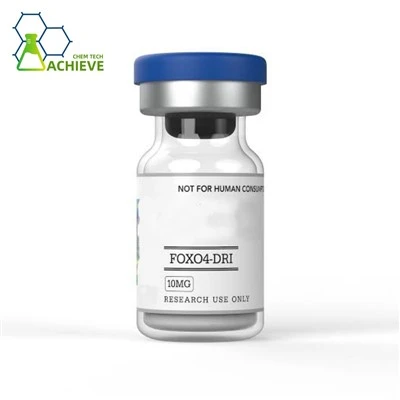
Researchers all over the world are working hard to figure out the complicated link between metabolism and cellular health. Nicotinamide adenine dinucleotide (NAD+) is at the heart of this research. It is a key coenzyme that is involved in making energy, fixing DNA, and keeping cells alive for a long time. As we get older, our NAD+ levels naturally drop. This can make our metabolisms work less well and our cells less healthy. Scientists have recently become interested in 5 amino 1mq peptide, a small-molecule substance that might be a good way to help make NAD+ available through a unique metabolic route.
This peptide doesn't work the same way as straight NAD+ sources like nicotinamide riboside or nicotinamide mononucleotide. It goes after an enzyme called nicotinamide N-methyltransferase (NNMT), which breaks down nicotinamide, which is a building block for making NAD+. By changing the function of NNMT, the 5 amino 1mq peptide may help keep the raw materials that cells need to keep their NAD+ pools strong. This process is a new way to look at metabolic research, and experts who study cellular bioenergetics are very interested in it.
This has effects that go beyond basic biology. Some early studies show that increasing NAD+ by blocking NNMT could have an effect on many metabolic processes, such as how much energy is used, how well mitochondria work, and how flexible the metabolism is. Figuring out how this peptide connects to NAD+ pathways is important for understanding new ways to deal with biochemical problems.

1.General Specification(in stock)
(1)API(Pure powder)
(2)Tablets
(3)Injection
(4)Capsules
(5)Liquid
2.Customization:
We will negotiate individually, OEM/ODM, No brand, for secience researching only.
Internal Code:KP-3-5/002
NNMTi CAS 42464-96-0
Molecular formula: C10H11N2.I
HS code: N/A
Molecular weight: 286.11
EINECS number: 464-196-0
Main market: USA, Australia, Brazil, Japan, Germany, Indonesia, UK, New Zealand , Canada etc.
Analysis: HPLC, LC-MS, HNMR
Technology support: R&D Dept.-4
We provide 5-Amino-1MQ Peptide Injection, please refer to the following website for detailed specifications and product information.
Product:https://www.kpeptide.com/peptides-healthy/5-amino-1mq-peptide-injection.html

Can 5 Amino 1MQ Peptide Support Higher NAD+ Availability?
The connection between the 5 amino 1mq peptide and NAD+ is based on an enzyme that isn't usually talked about when cells are being studied. NNMT, which is mostly found in fat cells and the liver, changes nicotinamide into N-methylnicotinamide by speeding up the methylation process. This change basically takes nicotinamide out of the cell pool that can be used to make NAD+. When NNMT activity goes up, which can happen when the body is under a lot of stress or has too much fat, more nicotinamide is metabolized and flushed out of the body. This could reduce the amount of substrate that is available for NAD+ renewal.
Nicotinamide is an important building block in the rescue pathway, which is how most human cells keep their NAD+ levels stable. This route turns nicotinamide, which is made when processes use up NAD+, back into usable NAD+. This recycling works less well when NNMT activity goes up because nicotinamide is taken away from the salvage route. Researchers have found that higher levels of NNMT are linked to lower levels of NAD+ inside cells in metabolic areas.
The peptide works as a specific NNMT blocker. It might help protect nicotinamide inside cells by lowering the enzyme's methylation activity. This makes more substrate available for turning back into NAD+. Scientists have used adipocyte models to show that blocking NNMT can cause measurable rises in the amount of NAD+ in cells. This effect seems to be stronger in areas where NNMT expression is high by nature or rises when the body is under a lot of metabolic stress.

Metabolic Contexts Where NAD+ Preservation Matters

The importance of keeping NAD+ levels at the right level spans many bodily systems. NAD+ is an important part of sirtuins, a group of proteins that help control metabolism and respond to cellular stress. For these proteins to do their regulatory jobs well, they need to have enough NAD+ available. NAD+ is also involved in mitochondrial respiration, which helps the electron transport chain make ATP, which is a form of energy for cells with 5 amino 1mq peptide.
These important processes may not work as well when NAD+ levels drop. Less sirtuin activity can change how genes are expressed in ways that affect metabolism, inflammation, and the body's ability to handle stress. It's possible that mitochondria will not work as well, which will lower energy output and raise reactive stress. 5 amino 1mq peptide may help keep the biochemical conditions needed for cells to work at their best by blocking NNMT and possibly making more NAD+ available. This is especially true in metabolically busy tissues like adipose tissue, liver, and muscle.

The Link Between 5 Amino 1MQ Peptide and NAD+ Metabolism
Looking into how this peptide is connected to NAD+ metabolism shows a complex web of molecular processes interacting with each other. The molecule doesn't add extra NAD+ or its direct precursors; instead, it works upstream by changing how well cells can recycle and keep their own NAD+ stores. This difference is important because it shows a different way to add precursors besides direct supplementation.
The peptide's chemical shape lets it bind specifically to the NNMT enzyme, stopping it from adding methyl groups to nicotinamide. Studies that looked at its blocking qualities found that it works very well against NNMT and not other methyltransferases. This makes it less likely that it will have effects that aren't intended. This selectivity comes from how the chemical interacts with the active site of the enzyme. Its structure lets it compete with or stop nicotinamide from binding.
The cellular processes of nicotinamide metabolism change when NNMT activity drops after peptide treatment. The nicotinamide phosphoribosyltransferase (NAMPT) enzyme can still use nicotinamide that would normally be methylated because it is still available. NAMPT is the enzyme that speeds up the most important step in the NAD+ rescue pathway. Nicotinamide and phosphoribosyl pyrophosphate are changed by NAMPT into nicotinamide mononucleotide. This is then changed into NAD+. NNMT reduction might increase the flow through this salvage route by keeping more of the nicotinamide substrate.

Tissue-Specific Effects on NAD+ Metabolism

It looks like the 5 amino 1mq peptide has different effects on NAD+ metabolism in different types of tissue. This is likely because NNMT expression and metabolic activity change from one type of tissue to another. NNMT mRNA is especially high in adipose tissue, especially when there is obesity and metabolic failure. Researchers using adipose tissue models have shown that blocking NNMT can greatly increase the amount of NAD+ in fat cells, which has corresponding effects on the activation of metabolic genes.Hepatic tissue also has high amounts of NNMT, especially when it is under a lot of metabolic stress or fat buildup.
Researchers who have looked into liver metabolism have found that blocking NNMT with a 5 amino 1mq peptide changes the amount of NAD+ available in the liver, which may then change the pathways that break down fats. Even though muscle tissue has lower amounts of NNMT at rest, it may still benefit from having more NAD+ available, since muscle needs a lot of energy and depends on metabolic processes that depend on NAD+.
Because these effects are unique to certain tissues, it's possible that the peptide's effect on NAD+ metabolism will be strongest in tissues that are metabolically stressed or don't work right, where NNMT expression is high. According to this feature, it might be a good way to help NAD+ in situations where other preparation tactics might not work as well.


How NNMT Inhibition by 5 Amino-1MQ Peptide Influences NAD+ Pathways
When NNMT is blocked, more than just a rise in NAD+ content happens downstream. More NAD+ can turn on many enzymes and pathways that rely on NAD+, which can have effects that spread through the cell's metabolism. Understanding these effects further down the line helps show the bigger metabolic effects of increasing NAD+ through NNMT regulation.

Scientists who have studied NNMT suppression have found a few important routes that change when NAD+ levels change. When NAD+ levels go up, sirtuin proteins, especially SIRT1, work better. SIRT1 controls many metabolic processes by deacetylating specific proteins. These proteins include transcription factors that manage fat metabolism, mitochondrial biogenesis, and inflammation reactions. Scientists have shown that giving cells NNMT inhibitors has boosted SIRT1 activity and raised NAD+ levels, which suggests that the two are functionally linked.Poly(ADP-ribose) polymerases (PARPs) are important because they are enzymes that use up NAD+ while fixing DNA damage and controlling how cells react to stress.
Even though PARPs guard cells, activating them too much can lower the amount of NAD+ in cells, which could affect other processes that rely on NAD+. Keeping enough NAD+ by blocking NNMT may help balance the activity of PARP with the supply of NAD+ for other important tasks.
It is not only NAD+ mechanisms that the peptide affects, but also mitochondrial activity. NAD+ is an important part of enzymes in the electron transport chain and the tricarboxylic acid cycle. Studies on animals that looked at blocking NNMT found that mitochondrial respiration and oxygen intake got better, which suggests that mitochondrial metabolic ability got higher. These functional gains are in line with finding higher amounts of NAD+ in metabolic tissues. This supports the idea that blocking NNMT improves bioenergetic efficiency through NAD+-dependent mechanisms.

Cellular Energy Benefits Associated With 5 Amino 1MQ Peptide
Furthermore, NNMT reduction seems to have real effects on cellular energy production in addition to changing the levels of NAD+. The link between NAD+ levels and energy output makes sense when looking at the peptide's process and the metabolic effects that have been seen.
ATP is made in mitochondria through oxidative phosphorylation, which is the main way that cells make energy. A lot of the work in this process depends on NAD+ to move reducing equivalents along the electron transport chain. When there is more NAD+ available, mitochondrial breathing capacity may get better. This could make it easier for the cell to use resources to make energy. Studies that looked at metabolic factors after NNMT suppression found that the body used more oxygen and made more carbon dioxide, which are signs of a faster metabolism and more energy being used.
It looks like the consequences for metabolic organs are especially important. When compared to muscle or liver, adipose tissue usually has a lower metabolic rate. However, blocking NNMT seems to change adipocytes into a more highly active type. Researchers have seen that when NNMT is blocked, the production of genes involved in fatty acid oxidation and thermogenesis goes up. This suggests that fat cells may be able to break down and burn stored lipids more efficiently. It's possible that this change in metabolism helps explain why NNMT inhibitor-treated animals have less fat tissue mass.
Increased supply of NAD+ and better mitochondrial activity are also good for muscle tissue. Studies that looked at muscle metabolism after NNMT inhibition found that exercise ability and endurance were better in animal models. Higher amounts of NAD+ may help mitochondria breathe better, which may help muscle cells make more of the ATP they need to contract and recover more quickly. The biochemical changes seen at the cellular level are in line with these functional gains. This strengthens the link between NAD+ metabolism and bioenergetic ability.

NAD+-Focused Research Trends Around 5 Amino 1MQ Peptide
Compounds like 5 amino 1mq peptide are at the center of metabolic study because scientists are becoming more interested in NAD+ biology. Recent studies have gone beyond basic mechanistic studies to look into possible uses in different metabolic settings and how NNMT blocking might work with other methods that support NAD+.
Recent studies that look at NNMT and NAD+ metabolism have shown a number of interesting new paths. One new area of study is trying to figure out how NNMT expression patterns change over time and in different body states. There is evidence that NNMT expression rises with age in some tissues, which may help explain why NAD+ levels drop with age. A current area of research that has implications for understanding metabolic aging is looking into whether blocking NNMT could help keep NAD+ levels at younger levels.
Another area of study that is being looked into is how NNMT blocking affects other metabolic changes. Scientists are looking into whether NNMT inhibitors and NAD+ precursors might work better together because they affect NAD+ metabolism in more than one way. The reasoning behind this is that precursors provide substrate, and NNMT suppression helps keep that substrate and recover it more effectively. Early experiments on these kinds of combos have shown some positive early results, but more in-depth research is still needed.
Researchers are still interested in the parts of NNMT activity that are specific to different tissues. Figuring out why some tissues have high amounts of NNMT and how this expression changes in response to metabolic problems could help us understand how important regulatory systems work. New research has started to map NNMT expression patterns in various fat stores, liver regions, and muscle fiber types. These studies have found differences that could affect how blocking NNMT affects metabolism as a whole. These results show that the peptide may have more complex effects than was first thought. This could help us target specific metabolic problems.
Conclusion
The connection between the 5 amino 1mq peptide and NAD+ metabolism is an interesting mix of enzyme science, cellular bioenergetics, and metabolic control. By focusing on NNMT, this compound provides a unique way to increase the supply of NAD+ in cells-not by adding more precursors, but by decreasing the use of current precursor pools. This process shows how complex the networks are that control NAD+ regulation and suggests that more than one approach may be needed to support this important metabolic cofactor in the best way possible.
The research path for this peptide keeps changing, with new studies looking into how it affects metabolism in a range of situations and conditions. A lot is known about how it works and what it could be used for, but there are still a lot of questions about the best way to use it, how it will affect people in the long run, and how people will react differently. More and more data points to NNMT suppression as a useful tool for studying NAD+ biology and looking into metabolic changes.
When you understand these processes, you can better understand how metabolic chemicals may help cells work through indirect paths. Instead of just giving cells what they need, methods like NNMT reduction work with the tools that cells already have to make metabolic processes run more smoothly. This point of view fits with a growing understanding of how complicated metabolic control is and the many places where changes could be helpful.
FAQ
1. What makes 5 amino 1mq peptide different from other NAD+ boosters?
+
-
5-amino-1-mq peptide works by stopping NNMT, an enzyme that breaks down nicotinamide. This is different from straight NAD+ precursors like nicotinamide riboside or nicotinamide mononucleotide, which provide a building block for NAD+ production. This method helps keep the nicotinamide pool in cells so that it can be recycled back into NAD+ through the rescue route. In this case, the approach is different: the peptide doesn't add more precursor; instead, it helps cells keep and regenerate what they already have better.
2. How quickly might changes in NAD+ levels occur with NNMT inhibition?
+
-
Researchers have shown that NAD+ levels can start to rise within days of NNMT being turned off, though this time frame may change based on the type of tissue and its metabolic state at the start. Changes may be more noticeable in tissues that have a lot of NNMT, like fatty tissue. As cells get used to the new metabolic environment, the full metabolic effects of high NAD+ may not show up for a while. These effects may include changes in gene expression and mitochondrial function.
3. Can 5 amino 1mq peptide be used alongside other metabolic interventions?
+
-
A new study shows that blocking NNMT may work better with other methods of improving metabolism and NAD+ levels. The different ways that NNMT inhibitors and straight NAD+ precursors work hint that they might work better together, but full studies looking at these combinations are still being made. As with any metabolic intervention, it's important to know how each person responds and keep an eye on biomarkers that are useful when looking into combination methods.

Partner With a Trusted 5 Amino 1MQ Peptide Supplier
As scientific understanding of NAD+ metabolism and NNMT inhibition continues advancing, accessing high-quality research compounds becomes increasingly important for laboratories and organizations conducting metabolic research. BLOOM TECH stands as a qualified 5 amino 1mq peptide supplier with extensive experience in organic synthesis and pharmaceutical intermediates. Our GMP-certified production facilities meet international standards, including US FDA, EU, and JP certifications, ensuring consistent quality and regulatory compliance for research applications.
With over 12 years of expertise in organic chemical manufacturing and a comprehensive quality control system featuring triple-layer analysis protocols, BLOOM TECH delivers reliable products backed by transparent documentation for customs clearance and research requirements. Our commitment to accurate lead times, competitive pricing structures, and technical support helps research organizations advance their investigations efficiently. Whether you require small-scale research quantities or bulk manufacturing capabilities, our flexible production capacity and established supply chain management support your project timelines.
Discover how BLOOM TECH can support your NAD+ metabolism research and metabolic investigation needs. Contact our technical team today at Sales@bloomtechz.com to discuss your specific requirements, request product specifications, or learn more about our comprehensive chemical compound catalog and custom synthesis capabilities.
References
1. Komatsu M, Kanda T, Urai H, et al. NNMT activation can contribute to the development of fatty liver disease by modulating the NAD+ metabolism. Scientific Reports. 2018;8(1):8637.
2. Kraus D, Yang Q, Kong D, et al. Nicotinamide N-methyltransferase knockdown protects against diet-induced obesity. Nature. 2014;508(7495):258-262.
3. Ulanovskaya OA, Zuhl AM, Cravatt BF. NNMT promotes epigenetic remodeling in cancer by creating a metabolic methylation sink. Nature Chemical Biology. 2013;9(5):300-306.
4. Campesi I, Straface E, Occhioni S, et al. Protein oxidation seems to be linked to constitutive autophagy: a sex study. Life Sciences. 2013;93(4):145-152.
5. Hong S, Moreno-Navarrete JM, Wei X, et al. Nicotinamide N-methyltransferase regulates hepatic nutrient metabolism through Sirt1 protein stabilization. Nature Medicine. 2015;21(8):887-894.
6. Roberti A, Fernández AF, Fraga MF. Nicotinamide N-methyltransferase: at the crossroads between cellular metabolism and epigenetic regulation. Molecular Metabolism. 2021;45:101165.