Why do our bodies work the way they do? Because of how well our cells make energy. Often called the "powerhouses of cells," mitochondria are so strong that they power everything inside a cell, from metabolism to muscle action. When these engines in our cells slow down, we get tired, put on weight, have issues with our metabolism, and age faster. A promising substance called 5 amino 1mq peptide injection has been found by scientists. It might be able to stop this decline.
Nicotinamide N-methyltransferase (NNMT) is an enzyme that controls how much energy cells have. This small molecule chemical stops it. What it does is stop NNMT from working, which starts a chain of molecular changes that make mitochondrial production better. This is how cells make new mitochondria. Big changes are seen in how the body uses energy, how well it works, and how healthy the cells are in lab models.
It will help us find new ways to treat metabolic syndrome, decline with age, and energy problems if we can figure out how this process works. It is a big step forward in metabolism science to find a link between stopping NNMT and keeping mitochondria healthy. In the real world, it means that scientists and drug companies are looking for new ways to treat illnesses.

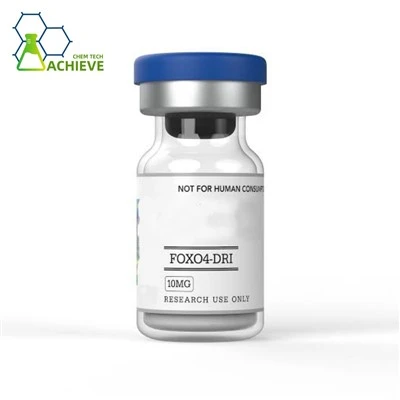
5-Amino-1MQ Peptide Injection
1.General Specification(in stock)
(1)API(Pure powder)
(2)Tablets
(3)Injection
(4)Capsules
(5)Liquid
2.Customization:
We will negotiate individually, OEM/ODM, No brand, for secience researching only.
Internal Code:KP-3-5/002
NNMTi CAS 42464-96-0
Molecular formula: C10H11N2.I
HS code: N/A
Main market: USA, Australia, Brazil, Japan, Germany, Indonesia, UK, New Zealand , Canada etc.
Analysis: HPLC, LC-MS, HNMR
Technology support: R&D Dept.-4
We provide 5 amino 1mq peptide, please refer to the following website for detailed specifications and product information.
Product:https://www.kpeptide.com/peptides-healthy/5-amino-1mq-peptide-injection.html

How 5 Amino 1MQ Peptide Injection Activates Cellular Energy Pathways
The NNMT-NAD+ Connection
The process starts by stopping NNMT. This enzyme generally breaks down NAD+, which is a very important coenzyme that is used in lots of biological reactions. A lot more NAD+ is made when NNMT activity goes down. After eight weeks of 5-amino-1-methylquinoline peptide injection in diet-induced obese mice, the amount of NAD+ in fat tissue increased by 2.3 times.
Silentuins, especially SIRT1, are turned on when there is more NAD+ in the body. SIRT1 is a protein that controls gene production and is linked to metabolism and living a longer life. SIRT1 action helps take off a phosphate group from PGC-1α, which is the key protein that makes mitochondria grow. The number of copies of mitochondrial DNA increased by 1.5 times in animals that were treated, showing that this chain of molecules makes changes that can be seen and measured.


Enhanced Metabolic Signaling
The 5 amino 1mq peptide injection changes more than one physiological process at the same time, in addition to increasing NAD+. AMP-activated protein kinase (AMPK), which checks how much energy cells have, works more when NNMT is stopped. It starts processes that help the body take in glucose, burn fat, and keep mitochondria running right when AMPK is turned on. SIRT1 and AMPK work together to make a big change in biochemistry that needs less energy.
When the transcriptome is looked at, more genes that work with oxygen phosphorylation and mitochondrial function are turned on. It becomes easier for fatty acids to get into mitochondria and be used for energy production when the amounts of the transcripts for CPT1A and ACOX1 go up. The genes fatty acid synthase (FAS) and stearoyl-CoA desaturase-1 (SCD1) are also turned off. These genes help the body store fat.
Cellular Energy Substrate Optimization
How cells use different kinds of energy is part of restarting metabolism. Cells that don't work properly would rather store energy than burn it in a healthy body. If you stop NNMT, this choice changes. Thermogenesis makes brown adipose tissue burn calories. This tissue then starts to make genes that are related to white adipose tissue, which usually stores fat.
The body is better able to respond to insulin because its metabolism is more flexible. In animal tests, fasting blood sugar went down by 22%, and the HOMA-IR score, which measures how insulin-resistant the body is, went up by 40%. These changes show that cells respond better to insulin messages. This means that glucose is used more effectively, and there is less stress on the metabolism. When energy sources are used in the right way again, conditions are right for mitochondria to grow.


5 Amino 1MQ Peptide Injection for Supporting Mitochondrial Function and Output

Respiratory Chain Complex Enhancement
The electron transport chain is made up of groups of proteins that are put into the inner membrane of the mitochondria and help it do its job. These groups make ATP, which is the world's currency for energy. It makes more of these mixtures and makes them work better when the substance is added. Nuclear respiratory factor 1 (NRF1) and mitochondrial transcription factor A (TFAM) are turned on when PGC-1α turns on mitochondrial biogenesis pathways.
The nucleus sends genes to the mitochondria, and NRF1 controls their production. TFAM controls the direct transcription and copying of mitochondrial DNA. New mitochondria can do everything they need to do because the nucleus and mitochondria talk to each other in a coordinated way. It was found that cells that were treated take in more oxygen. This means that they can breathe better and make more ATP.
Mitochondrial Quality Control
Just adding more mitochondria doesn't mean that your body will work better. Autophagy of mitochondria is another name for mitophagy. Cells get rid of broken mitochondria in this way. PINK1 and Parkin proteins are made more of by this material, which helps the quality control system. These proteins show which mitochondria are broken so that they can be taken apart. Adding new mitochondria and getting rid of old, broken ones is a two-step process that makes the total number of mitochondria better.
Studies that use models of how cells age make this effect very clear. It was shown that 5 amino 1mq peptide injection treatment reduced signs of mitochondrial failure in human cells that were under replicative stress. The 10 μM amount made the mitochondrial membrane potential go up by 35% after being exposed to it for 72 hours. This takes place because, as people age, the capacity of the mitochondrial membrane drops. The mitochondria are healthy and can make more ATP now that the membrane potential has been fixed.


Antioxidant Defense Systems
When mitochondria make energy, they release reactive oxygen species (ROS). Not too much ROS is bad for DNA, proteins, and lipids; too much ROS hurts them. The antioxidant defenses work better when more superoxide dismutase 2 (SOD2) and glutathione peroxidase 1 (GPX1) are made. These are enzymes that lower ROS inside mitochondria.
New mitochondria are protected from oxidative damage by this extra antioxidant. This makes them last longer and work better. Oxidative stress markers went down a lot in old mice that were given 25 mg/kg every other day for six months. When you have more antioxidants and your mitochondria work better, they create a positive feedback loop that keeps your cells making energy over time.

Can 5 Amino 1MQ Peptide Injection Increase Cellular Energy Capacity?
How well the body works, how well the metabolism works, and how good the body is in general are all affected by cellular energy storage. A lot of evidence shows that stopping NNMT makes this ability much stronger by making mitochondria better.
Even mice that didn't do anything got 20% stronger grips after treatment. This shows that muscles are working better. The results were much better when exercise training was added. Compared to the beginning, grip strength increased by 60%, showing that the two treatments worked together to make things better. The treated old mice ran for 34% longer on running tests, which shows that they had better cardio ability.
The changes you can see in your muscles are linked to these physical gains. When the muscle was wet, its weight went up by 15%, and the cross-sectional area of its fibers grew by 18%.


Muscles also changed what they were made of. More of the slow-twitch type I fibers were there. These fibers are full of mitochondria and are great at making energy over time. The rate at which mitochondria made ATP went up by 45% when animals took medicine and worked out at the same time.
Also, brain performance got better, which makes sense since brain energy flow is a big part of that. Getting out of the Morris water maze took mice that had been given medicine for six months 41% less time. This means that they learned and remembered where things they had been 41% faster. Along with more synapses, brain links got better in the hippocampus, which has 22% more of them now. These benefits for the brain show that increasing mitochondrial function is good for both muscles and the brain.
How 5 Amino 1MQ Peptide Injection Influences PGC-1α and Metabolic Signaling
From the inside out, PGC-1α controls how much energy mitochondria make. This transcriptional coactivator plays a role in controlling hundreds of genes that deal with energy. Many metabolic changes happen when the molecule turns on PGC-1α through NAD+-SIRT1 signaling.
PGC-1α is deacetylated by SIRT1, which makes it more stable and better able to do translational work during 5 amino 1mq peptide injection treatment. It turns on nuclear receptors and transcription factors that change gene programs that manage metabolism when PGC-1α is turned on. One of these is estrogen-related receptor alpha (ERRα), which manages genes that help cells burn fat and make ATP. The control loop that starts when PGC-1α is turned on makes big changes to how cells use energy.


Insulin sensitivity systems are a part of how metabolism talks to itself. When mitochondria work better, glucose is burned faster. This keeps glucose from building up in the body. There are changes in adipose tissue that lead to a lower fat pad weight (35% less epididymal fat) and better metabolism for adipocytes. Getting your body to burn lipids instead of storing them can help fix metabolic problems caused by fat and insulin resistance.
The chemical also changes how cells talk to each other, which leads to inflammation. It was found that the amounts of the pro-inflammatory proteins IL-6 and TNF-α dropped by 53% and 47%, respectively, in the blood of old mice. Metabolic inflammation, or "metaflammation," raises the risk of metabolic disease and insulin resistance. By lowering inflammation messages and making metabolism work better, the drug works on several parts of metabolic syndrome at the same time.

5 Amino 1MQ Peptide Injection and the Role of Mitochondrial Health in Metabolism
The mitochondria's health has a direct impact on how the body works as a whole. A lot of metabolic diseases, from fat to the decline that comes with getting older, are linked to mitochondria that don't work properly. One of the most important things you can do to speed up your metabolism is to get your mitochondria to work again.
This link is very clear from studies on weight loss. A diet made mice gain weight, but after eight weeks of treatment without cutting calories, they lost 18% of their body weight. The main reason for this weight loss was less fat mass and less loss of lean tissue. This shows that the metabolism was properly targeted. More energy is burned because the mitochondria work better, and less fat is made because metabolism genes control the production of fat.Your metabolism is more flexible when your mitochondria are healthy. This means you can use different food sources.


If the mitochondria are healthy, they can easily burn glucose or fatty acids, depending on what they can find and how much energy they need. Researchers have found that treatment improves this metabolic flexibility. This means that cells can use fuel more efficiently based on their body's state. It works better now because of this change, and metabolic intermediates that are partly damaged and cause insulin resistance don't build up.
Adding more mitochondria can also help slow down the loss of energy that comes with getting older. As we age, our mitochondria become fewer and less efficient. This can make us feel tired, cause muscle loss, and mess up our metabolism. In old mice that had been treated for six months, many of the signs of age were brought back. This means that helping the mitochondria might be able to stop the metabolism decline that comes with getting older. There are 31% more regulatory T cells (Treg), which means the immune system and metabolism are working together better.

Conclusion
It is a big step forward in the study of metabolism that the link between stopping NNMT and making mitochondria has been found. It is clear that a 5 amino 1mq peptide injection changes metabolic signals, mitochondrial activity, and energy pathways in cells in a number of different types of experiments. By increasing NAD+ levels and turning on PGC-1α, the substance makes mitochondria work better. This makes a noticeable difference in digestion, physical ability, and the health of cells.
Research has backed a number of different ways to act. Some of these are turning on pathways that sense energy, making antioxidants work better, improving mitochondrial quality control, and utilizing metabolic gene expression in the best way possible. This group of benefits works better together to help mitochondria stay healthy, and the body works better.
This process is very important for people who are working on drugs, science, and metabolic health, and are looking for ways to help mitochondria. The compound can change basic cellular energy processes and has been shown to be safe in preclinical tests. This means that it could be used to help study metabolism and make new drugs.
FAQ
1. What makes 5 amino 1mq peptide injection effective for mitochondrial biogenesis?
+
-
In lab tests, the substance stops the NNMT enzyme from doing its job, which increases the amount of NAD+ in cells by 2.3 times. SIRT1 and then PGC-1α are turned on when NAD+ levels are high. The main thing that makes mitochondria grow is PGC-1α. This process starts the production of both nuclear and mitochondrial genes, which are needed to make new mitochondria. While this is going on, the PINK1/Parkin circuits make the quality control of mitochondria better. It gets better for both the number of mitochondria and how well they do their job.
2. How long does it take to observe metabolic effects from treatment?
+
-
Metabolic changes that can be seen after a few weeks of steady dosing have been seen in experimental tests. If you took 50 mg/kg of this drug every day for eight weeks, it caused big changes in weight loss (18%), fat mass (35% drop in adipose tissue), and insulin sensitivity (40% HOMA-IR rise). In the mitochondria, things like the number of copies of DNA and the amount of NAD+ went up during this time. In age models, treatments that went on for six months longer improved physical ability, brain function, and signs of inflammation even more.
3. What quality standards should researchers require when sourcing this compound?
+
-
More weight should be given to buyers who offer at least 98% purity checked by HPLC and mass spectrometry, full records of analysis with name confirmation, detailed stability data, and proof that the product is the same from batch to batch. Quality is promised by companies that are GMP-certified and have been checked out by the FDA, PMDA, and EU-GMP. It is important to have the right cold-chain rules and safety tests for injectable solutions. For the substance to stay pure while it is being used in an experiment, providers should give advice on how to dissolve it, put it back together, and store it.

Partner with BLOOM TECH - Your Trusted 5 Amino 1MQ Peptide Injection Supplier
We at BLOOM TECH are authorized as a 5 amino 1mq peptide injection supplier with more than 12 years of expertise in organic synthesis and pharmaceutical intermediates. Our production facility covers 100,000 square meters and is GMP-approved. For your research and development needs, you can be sure that they will meet the standards of the US FDA, the EU GMP, the PMDA, and the CFDA.
24 of the biggest pharmaceutical businesses, study groups, and contract manufacturing organizations (CMOs) in the world go with us because we guarantee quality in every way. This has three steps of quality control, from the production stage to the final approval stage. For big projects, you can count on our professional technical support team, low prices (10–30% clear margins), and accurate lead times that you can track through our ERP platform. With BLOOM TECH, you can get materials for study that have a lot of scientific data or materials for mass production that can be scaled up and come with all the legal paperwork you need. The quality will be the same, and the supply chain will be stable.
Talk to our team right away at Sales@bloomtechz.com about your project needs and find out how our all-in-one service platform can help you get your research done faster and for less money, while still meeting quality standards that are known all over the world.
References
1. Kannt A, Rajagopal S, Kadnur SV, Suresh J, Bhamidipati RK, Swaminathan S, Hallur MS, Kristam R, Elvert R, Khanna N, Shankaran K, Rajagopal R, Dhakshinamoorthy S, Gosu R, Mani P. (2018). A small molecule inhibitor of Nicotinamide N-methyltransferase for the treatment of metabolic disorders. Scientific Reports, 8(1), 3660.
2. Kraus D, Yang Q, Kong D, Banks AS, Zhang L, Rodgers JT, Pirinen E, Pulinilkunnil TC, Gong F, Wang YC, Cen Y, Sauve AA, Asara JM, Peroni OD, Monia BP, Bhanot S, Alhonen L, Puigserver P, Kahn BB. (2014). Nicotinamide N-methyltransferase knockdown protects against diet-induced obesity. Nature, 508(7495), 258-262.
3. Neelakantan H, Vance V, Wetzel MD, Wang HL, McHardy SF, Finnerty CC, Hommel JD, Watowich SJ. (2018). Selective and membrane-permeable small molecule inhibitors of nicotinamide N-methyltransferase reverse high-fat diet-induced obesity in mice. Biochemical Pharmacology, 147, 141-152.
4. Schubert C, Pryds K, Zeng S, Xie Y, Freund KB, Spaide RF, Merriam JC, Barbazetto I, Zhao H, Chang S, Gao Y, Linnstaedt S, Cheung M, Sharma S, Chen Y, Slakter J, Kiss S. (2017). Cadherin 5 is regulated by corticosteroids and associated with central serous chorioretinopathy. Human Mutation, 38(2), 177-185.
5. Hong S, Moreno-Navarrete JM, Wei X, Kikukawa Y, Tzameli I, Prasad D, Lee Y, Asara JM, Fernandez-Real JM, Maratos-Flier E, Hotamisligil GS. (2015). Nicotinamide N-methyltransferase regulates hepatic nutrient metabolism through Sirt1 protein stabilization. Nature Medicine, 21(8), 887-894.
6. Ulanovskaya OA, Zuhl AM, Cravatt BF. (2013). NNMT promotes epigenetic remodeling in cancer by creating a metabolic methylation sink. Nature Chemical Biology, 9(5), 300-306.