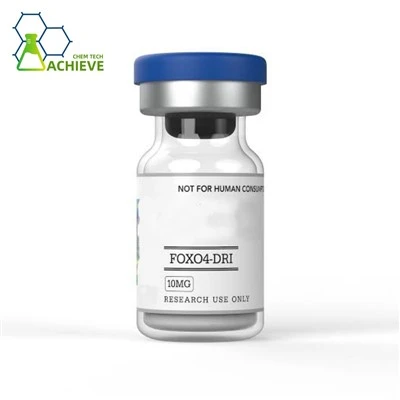

The context of fat tissue is very important for the metabolic health of the whole body. When fat tissue stops working properly, it sets off a chain of biological problems that go far beyond just gaining weight. Figuring out how the 5 amino 1mq peptide influences this delicate environment leads to new ways to deal with metabolic diseases linked to obesity and restore tissue balance.
Adipose tissue is more than just a store for energy. It works as an active endocrine gland, sending hormones and messaging molecules to other parts of the body to talk to them. This tissue loses its ability to keep the body's energy balance when it gets swollen or chemically stressed. There are inflammatory signs, oxidative stress, and problems with cell signaling in fat tissue, making the microenvironment unfriendly.
The 5 amino 1mq peptide is a specific way to improve the health of fat tissue at the cellular level. Nicotinamide N-methyltransferase (NNMT) is an enzyme that gets too active in obese people. This small-molecule inhibitor stops it from doing its job. This peptide changes the activity of NNMT, which helps restore metabolic balance in fat cells and makes the environment of the tissue better overall.

1.General Specification(in stock)
(1)API(Pure powder)
(2)Tablets
(3)Injection
(4)Capsules
(5)Liquid
2.Customization:
We will negotiate individually, OEM/ODM, No brand, for secience researching only.
Internal Code:KP-3-5/002
NNMTi CAS 42464-96-0
Molecular formula: C10H11N2.I
HS code: N/A
Molecular weight: 286.11
EINECS number: 464-196-0
Main market: USA, Australia, Brazil, Japan, Germany, Indonesia, UK, New Zealand , Canada etc.
Analysis: HPLC, LC-MS, HNMR
Technology support: R&D Dept.-4
We provide 5-Amino-1MQ Peptide Injection, please refer to the following website for detailed specifications and product information.
Product:https://www.kpeptide.com/peptides-healthy/5-amino-1mq-peptide-injection.html

How 5 Amino 1MQ Peptide Supports Healthier Adipose Tissue Function
Keeping the right amount of NAD⁺ in fat cells is essential for keeping fatty tissue healthy. This coenzyme is in charge of hundreds of biochemical processes that are needed to make energy and fix cells. Overactive NNMT uses up NAD⁺, which leaves fat cells without enough energy to work properly.
This problem is fixed by the 5 amino 1mq peptide, which stops NNMT and lets NAD⁺ levels rise normally. Having more NAD⁺ turns on sirtuins, especially SIRT1, which control metabolism. These proteins improve the way mitochondria work, make it easier for cells to use fat as fuel, and help cells respond correctly to messages about nutrients. Researchers using 3T3-L1 preadipocytes found that this peptide restored NAD⁺ levels and turned on SIRT1-dependent metabolism processes. This made cells stop storing fat and start burning energy instead.

Modulating Adipocyte Differentiation and Maturation

Pre-adipocytes can become adult fat-storing cells through a process called adipocyte development. When a person is overweight, this process goes off track, making too many adipocytes that are too big and don't work well. When the adipose region is full of fat cells that are too big and biologically stressed, it's not good.
According to research, the 5 amino 1mq peptide changes key transcription factors that affect adipogenesis. By stopping NNMT and increasing NAD⁺ levels, the peptide lowers the production of PPARγ and C/EBPα, which are key controllers of fat cell differentiation. In lab tests, peptide treatment decreased the ability of preadipocytes to differentiate by more than 70% at therapeutic doses. This stopped the formation of new fat cells but let healthy adipocytes work at their best.
The 5 amino 1mq peptide does more than just affect individual cells; it also changes the metabolism of fatty tissue as a whole. Analyses of gene expression from animals that were treated show that metabolic system activity has changed in many ways. Upregulation of lipolytic genes like ATGL and HSL makes it easier for the tissue to break down stored fats. At the same time, lipogenic genes like FAS and ACC become less active, which stops the production of new fat.
This combined change in metabolic programming changes the adipose microenvironment from one that stores fat to one that stores and moves fat around. It becomes easier for the tissue to respond to energy needs by releasing fatty acids when they are needed and keeping the right amount of stores. One important thing about healthy adipose tissue is that its metabolism is flexible. This is different from the stiff, storage-dominated pattern seen in obesity.


5 Amino 1MQ Peptide for Regulating Cellular Stress in Fat Tissue

When someone is overweight, their adipose tissue is constantly under reactive stress because their fat cells are overworked and can't handle the extra lipids. When reactive oxygen species build up, they damage parts of cells and set off the stress reaction. In these situations, mitochondria, which are the powerhouses of cells, stop working properly, which hurts tissue health even more.
The 5 amino 1mq peptide's ability to block NNMT helps reduce oxidative stress in an array of ways. When NAD⁺ levels are raised again, they help antioxidant enzyme systems do their job of neutralizing dangerous reactive species. Better mitochondrial activity also lowers the production of reactive oxygen species where they come from. The mitochondria in the treated cells are better able to breathe and connect oxygen to energy production.
When someone is overweight, their fat cells are constantly under metabolic stress from too many nutrients, hormonal messages, and chemicals that cause inflammation. This stress is too much for usual adaptive reactions to handle, which causes cells to stop working properly. The ability of adipose tissue to act properly to stress decides whether it stays healthy or becomes unhealthy.
Treatment with the 5 amino 1mq peptide improves the body's ability to deal with stress by helping cells heal themselves. Restoring coenzyme levels is good for NAD⁺-dependent enzymes that fix DNA, check the quality of proteins, and move organelles around. This better ability to maintain itself lets cells handle the metabolic problems they face every day better.

Reducing Endoplasmic Reticulum Stress

The endoplasmic reticulum (ER) is a place where proteins are made and folded, which checks their quality. In obesity, too much fat buildup and inflammation signals cause ER stress, which sets off cell warning systems that can damage or kill cells. A lot of metabolic problems are caused by chronic ER stress in fat tissue.
There is evidence that treating fat tissue with 5 amino 1mq peptide lowers ER stress markers. The peptide makes the protein folding machinery less busy by increasing the total energy state of cells and lowering lipid overload. Unfolded protein reaction pathways are less active in cells, which means the ER is working better. This lower level of cellular stress makes the fat microenvironment better by keeping cells alive and working.

Can 5 Amino 1MQ Peptide Improve Metabolic Signaling in Adipose Cells?
Insulin resistance in fat tissue is a key step in the development of metabolic diseases that affect the whole body. Over time, fat cells lose the ability to respond properly to insulin messages. This makes glucose metabolism worse all over the body. In insulin-resistant tissue, the adipose microenvironment is characterized by problems like inflammation, oxidative stress, and changed cell signaling.
A study shows that treating fat tissue with 5 amino 1mq peptide makes it more sensitive to insulin. Animals that were treated can handle glucose better and take in more glucose when insulin is present. Molecularly, this change is caused by a number of different things. When inflammation goes down, it stops getting in the way of insulin receptor signals. Glucose can be burned more efficiently when mitochondria work better. Restoring NAD⁺ levels helps digestive enzymes that break down glucose.

Modulating Adipokine Secretion Patterns

Adipokines are communication molecules that are released by adipose tissue and talk to systems far away. These proteins affect how much energy the body uses, how sensitive insulin is, inflammation, and how much food the body eats. When someone is overweight, their body's production of adipokines changes so that dangerous adipokines rise and helpful ones drop.
A treatment with 5 amino 1mq peptide helps get adipokine levels back to normal. More of the good adipokines that support metabolic health are being released, according to studies. After peptide treatment, the anti-inflammatory lipid mediator PAHSA levels rise in fatty tissue and blood, which helps improve metabolic health throughout the body. At the same time, the production of harmful adipokines linked to inflammation and insulin resistance goes down.
Lipid molecules store energy and send signals that control metabolism. The kinds and amounts of lipids in fatty tissue affect how cells work and how organs talk to each other. When someone is overweight, their lipid profiles get messed up, and dangerous lipid species build up messing with regular communication.
There is evidence that treating fat tissue with 5 amino 1mq peptide changes the lipid makeup. As lipolysis goes up and lipogenesis goes down, triglyceride levels go down. Lipid intermediates that could be dangerous, like ceramides and diacylglycerols, build up less. These changes show that the processing of lipids has gotten better, which helps cells work better.


How 5 Amino 1MQ Peptide Influences Inflammatory Pathways Linked to Obesity

Adipose tissue in obese people is in a state of chronic low-grade inflammation because fat cells and immune cells that live there make inflammatory hormones that mess up metabolism both locally and throughout the body. TNF-α, IL-6, and other inflammatory mediators make the surroundings unfriendly, which keeps metabolic dysfunction going. One important goal of treatment with 5 amino 1mq peptide is to break this circle of inflammation.
Studies looking at fat tissue from animals that were given the 5 amino 1mq peptide show big drops in the production of inflammatory cytokines. Treatment lowers the amounts of both mRNA and protein of TNF-α and IL-6 by a large amount. This effect on inflammation comes from a number of different sources. Stress-related inflammatory signals are slowed down when cellular energy levels rise. NF-κB, a key driver of inflammation, is stopped when SIRT1 activity goes up. When cholesterol overload is reduced, a key cause of inflammation is taken away.
Inflammation in fat tissue is caused in large part by immune cells, especially macrophages. When someone is overweight, a lot of macrophages get into fat tissue and change into an inflammatory pattern that makes tissue failure worse. These immune cells have a lot of interactions with adipocytes, which sets off feedback loops that keep inflammation and metabolic damage going.
When you treat fat tissue with 5 amino 1mq peptide, it stops macrophages from getting into it. Histological studies show fewer crown-like structures, which are made up of macrophages surrounding adipocytes that are dead or not working properly. The macrophages that are still there have been shown to become more anti-inflammatory, which means they help fix tissue instead of destroying it. This change in the types of immune cells and their activation states is due to basic changes in the tissue surroundings.

Inhibiting Inflammatory Signaling Cascades
Inflammation works through complicated signaling networks. First events set off a chain of chemical reactions that make the inflammatory response stronger and last longer. In obese people, these pathways stay active in fat tissue, which keeps the tissue from working properly even after the original triggers go away. Stopping inflammation communication chains could be used as a medicine.
According to research, the 5 amino 1mq peptide messes up important signaling pathways that cause inflammation. The peptide's effects on NAD⁺ and SIRT1 lower NF-κB activity, which in turn lowers the production of genes that cause inflammation. In treated tissue, JNK and other stress-activated enzymes are less active, which means that cells are under less stress. As cellular stress and damage messages weaken, so does the stimulation of the inflammasome, which makes mature IL-1β.

5 Amino 1MQ Peptide and the Role of Adipose Remodeling in Metabolic Health
The structure of adipose tissue affects how its metabolism works. How well the tissue can stretch, contract, and talk to the rest of the body depends on how the adipocytes, blood vessels, nerves, and supporting structures are arranged. Obesity changes the structure of tissues, causing inflammation, poor blood flow, and jumbled cell patterns that make them less effective.
There is evidence that treating tissues with 5 amino 1mq peptide leads to better restructuring. When treated fat tissue is looked at under a microscope, it shows better organization of cells and fewer fibrotic deposits. Instead of too much collagen, the extracellular matrix has a healthier makeup, with the right amount of structural proteins. Vascular mass seems to have been better maintained, making sure that all parts of the tissue get enough nutrients and air.
These changes to the structure are due to less inflammation and more healthy tissue reshaping processes. Pathological fibrosis goes down when inflammation messages go down. As metabolic function gets better, tissue growth happens in a healthy way instead of the unhealthy way known as abnormal hypertrophy. The microenvironment that forms supports normal fat tissue function, with cells spaced correctly, getting enough blood flow, and being able to talk to each other clearly through touch and released messages.
When you take in more energy than you use, your adipose tissue has to grow to make room for it. How this growth happens affects whether the metabolism stays healthy or stops working properly. Adaptive growth includes adding new adipocytes that stay small and keep their metabolism going. When there is pathological growth, fewer, bigger adipocytes get stressed out and stop working properly.
It looks like treating with a 5 amino 1mq peptide helps adapt growth patterns. The peptide helps keep the right cell size distribution in tissue by changing how adipocytes differentiate. Instead of letting current adipocytes keep growing, the treatment helps the tissue structure have more small, numerous cells that work better biologically. This cellular trait is linked to keeping insulin sensitivity high and lowering inflammation.
Adaptive growth is made possible by the combined effects on the growth of fat cells, blood vessels, and the extracellular tissue. All of these things are affected by the 5 amino 1mq peptide because it changes the metabolism and communication in cells. The new tissue is well-vascularized, not too inflamed, and able to respond properly to metabolic changes, which are all signs of healthy fat stores. This flexible tissue structure helps keep the body's metabolism healthy even when the energy balance is good.
Adipose tissue can regenerate very well, with stem cells that live there being able to make new adipocytes throughout a person's life. This ability to grow back cells lets the tissue heal from damage and adjust to new biological needs. Regenerative capacity is often lowered in people with fat and metabolic diseases, making it harder for tissues to heal after they have been damaged.
Researchers think that the 5 amino 1mq peptide might help fat tissue grow back. The peptide improves the general tissue microenvironment, which makes it easier for stem cells to stay alive and differentiate properly. When inflammation goes down, the signs that stop stem cells from working properly are taken away. Better metabolic conditions give tissues the energy and building blocks they need to heal and grow back.
Adipose tissue can heal from metabolic insults better when it has a higher regenerative potential. Instead of collecting broken cells that don't work, the tissue can replace them with healthy ones. This regenerative rebuilding helps keep metabolic gains going, and it may help explain why peptide treatment has long-lasting effects. Tissues that can keep renewing themselves keep working better over time than tissues that stay the same and get damaged over time.
Conclusion
The fat microenvironment is a complicated ecosystem where metabolic health is controlled by how cells work, how inflammation is signaled, and how structures are put together. The 5 amino 1mq peptide is a specific way to improve this milieu by stopping NNMT. The peptide fixes several problems with adipose failure at the same time by increasing NAD⁺ levels, lowering inflammation, improving how cells respond to stress, and encouraging better tissue remodeling.
Previous studies have shown that treating fat tissue with 5 amino 1mq peptide makes it healthier in a number of ways. Metabolic function gets better, inflammation markers go down, cellular stress goes down, and tissue design gets back to normal. These small changes in the adipose region have big effects on the body's metabolism, leading to better insulin sensitivity, better lipid profiles, and less body fat. As the study continues, more and more proof supports the 5 amino 1mq peptide. Even though most of the current research comes from preclinical studies, the consistent effects seen across various experimental models suggest that this could really be used as a therapy. This peptide is a small-molecule inhibitor that has been shown to be safe in animal tests. It could be a good way to treat metabolic problems linked to obesity by improving the environment around adipose tissue.
FAQ
1. What makes the 5 amino 1mq peptide different from other metabolic modulators?
+
-
Through a specific method, the 5 amino 1mq peptide targets NNMT, an enzyme that is elevated in obese people. Unlike broad-spectrum treatments, this targeted method lets NAD⁺ levels be restored and good metabolic pathways be activated, while having few unwanted effects. Because it only affects NNMT, the peptide changes the balance of metabolism without changing how cells normally work. This makes the fat microenvironment better, which supports long-term metabolic health.
2. How does improving the adipose microenvironment affect whole-body metabolism?
+
-
Adipose tissue is an endocrine and metabolic organ that sends signals to other tissues and changes the metabolism of the whole body. When the adipose microenvironment gets better, fat tissue makes more of the good adipokines, better controls glucose and lipids, and sends fewer inflammatory signals to other parts of the body. These changes make the body more sensitive to insulin, speed up the metabolism of the liver, protect the heart, and help keep the body's energy balance. When adipose tissue is healthy, it has good metabolic benefits for the whole body.
3. Can 5 amino 1mq peptide treatment produce lasting changes in adipose tissue?
+
-
According to research, metabolic benefits last longer after the treatment time. This means that the 5 amino 1mq peptide changes the way tissues work in a way that lasts, rather than having short-term effects. The treatment seems to improve the basic function of adipose tissue by focusing on basic parts of cellular metabolism and the surroundings of the tissue. This is different from treatments that only work while they are being used, which suggests that better tissue reshaping and cellular reprogramming help to provide long-lasting effects.

Partner with BLOOM TECH for Premium 5 Amino 1MQ Peptide Supply
BLOOM TECH stands as your trusted 5 amino 1mq peptide supplier with over 12 years of expertise in organic synthesis and pharmaceutical intermediates. Our GMP-certified production facilities meet international standards, including US-FDA, EU, JP, and CFDA certifications, ensuring the highest quality peptide products for your research and development needs.
We understand the critical importance of purity, consistency, and regulatory compliance when working with metabolic research compounds. Our triple-tier quality analysis system guarantees that every batch meets stringent specifications, with comprehensive analytical documentation including HPLC, MS, and batch consistency data. Whether you require research-grade quantities or bulk manufacturing capabilities, our flexible supply chain adapts to your project timeline and volume requirements.
As qualified suppliers to pharmaceutical companies, biotechnology organizations, and research institutions worldwide, we provide transparent pricing, dedicated technical support, and reliable logistics solutions. Our experienced team offers one-on-one service to address your specific requirements, from compound selection through customs clearance documentation.
Ready to source high-quality 5 amino 1mq peptide for your metabolic research projects? Contact our team at Sales@bloomtechz.comto discuss your requirements, request detailed specifications, and discover how BLOOM TECH's expertise can accelerate your research goals with competitive pricing and exceptional service.
References
1. Kraus D, Yang Q, Kong D, et al. Nicotinamide N-methyltransferase knockdown protects against diet-induced obesity. Nature. 2014;508(7495):258-262.
2. Komatsu M, Kanda T, Urai H, et al. NNMT activation can contribute to the development of fatty liver disease by modulating the NAD+ metabolism. Scientific Reports. 2018;8:8637.
3. Ulanovskaya OA, Zuhl AM, Cravatt BF. NNMT promotes epigenetic remodeling in adipose tissue through regulation of NAD+ metabolism. Nature Chemical Biology. 2013;9(5):300-306.
4. Brachs S, Polack J, Brachs M, et al. Genetic nicotinamide N-methyltransferase inhibition improves diet-induced metabolic syndrome in mice. Biochemical Pharmacology. 2019;164:345-352.
5. Hong S, Moreno-Navarrete JM, Wei X, et al. Nicotinamide N-methyltransferase regulates hepatic nutrient metabolism through Sirt1 protein stabilization. Nature Medicine. 2015;21(8):887-894.
6. Roberti A, Fernández AF, Fraga MF. Nicotinamide N-methyltransferase: at the crossroads between cellular metabolism and epigenetic regulation. Molecular Metabolism. 2021;45:101165.