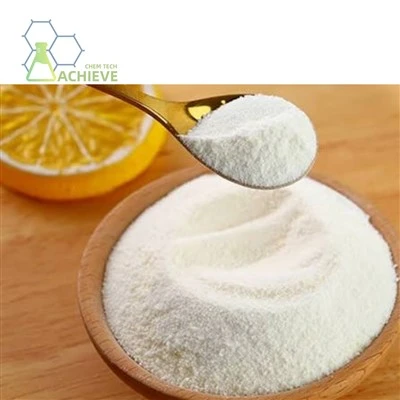

Metabolic research has entered an exciting phase where novel compounds offer fresh perspectives on cellular energy regulation and fat metabolism. Among these emerging tools, 5 amino 1mq peptide has captured attention across pharmaceutical laboratories and biotechnology research centers worldwide. This small-molecule inhibitor targeting nicotinamide N-methyltransferase (NNMT) presents researchers with unique opportunities to explore metabolic pathways that were previously difficult to manipulate with precision.
1.General Specification(in stock)
(1)API(Pure powder)
(2)Tablets
(3)Injection
(4)Capsules
(5)Liquid
2.Customization:
We will negotiate individually, OEM/ODM, No brand, for secience researching only.
Internal Code:KP-3-5/002
NNMTi CAS 42464-96-0
Molecular formula: C10H11N2.I
HS code: N/A
Molecular weight: 286.11
EINECS number: 464-196-0
Main market: USA, Australia, Brazil, Japan, Germany, Indonesia, UK, New Zealand , Canada etc.
Analysis: HPLC, LC-MS, HNMR
Technology support: R&D Dept.-4

As scientists investigate mechanisms behind metabolic dysfunction, energy balance disruption, and adipose tissue regulation, they require compounds that demonstrate both selectivity and reproducibility. The compound 5 amino 1mq chloride offers these characteristics while maintaining compatibility with diverse experimental protocols. Research organizations examining cellular metabolism now consider this peptide an essential component of their investigational toolkit, particularly when studying NAD⁺-dependent pathways and their downstream metabolic consequences.
Understanding how this compound functions within metabolic research contexts requires examining its applications across various study designs, from cellular energy investigations to complex lipid metabolism explorations. The growing body of evidence surrounding 5 amino 1mq peptide suggests it may provide answers to longstanding questions about metabolic regulation mechanisms that traditional approaches have struggled to address.

How Is 5 Amino 1MQ Peptide Used in Metabolic Pathway Research?

Investigating NNMT Inhibition in Metabolic Networks
5 amino 1mq peptide is mostly used by researchers to look into the role of NNMT in biochemical networks in cells. During its methylation activities, this enzyme uses up NAD⁺, which could lead to a lack of this important coenzyme and a number of biochemical processes being affected. Scientists can see what happens when NNMT activity is stopped or lowered by adding this specific inhibitor to test systems.
The peptide lets researchers test in a controlled lab setting whether blocking NNMT improves the amount of NAD⁺ inside cells. This question is very important because NAD⁺ is a cofactor for sirtuins, which are enzymes that play a role in metabolic homeostasis and pathways that lead to longevity. Researchers who used this substance saw increases in NAD⁺ levels after treatment. This shows that NNMT activity has a real effect on the energy currency pools in cells.
Because the molecule only reacts with NNMT, it can help us figure out how biochemical pathways work together.
Broad-spectrum enzyme inhibitors can have effects that are hard to interpret. This focused method, on the other hand, helps researchers figure out that changes they see are caused by NNMT modulation and not by effects that are not intended.
Modeling Metabolic Dysfunction in Cellular Systems
For metabolic research, it's common to need to make models that show how dysfunction works in disease states. Researchers can use the 5 amino 1mq peptide to find out if excess of NNMT leads to metabolic problems. In tests on adipocyte differentiation, this compound has been used to stop the maturation process of preadipocytes. This has shown possible ways that NNMT affects the formation of fat cells.
Using 3T3-L1 preadipocyte models in experiments has shown that this peptide lowers the efficiency of differentiation in a way that depends on the concentration. Based on these results, it seems that NNMT controls adipogenesis, the process by which stem cells change into mature adipocytes that store fat.


These kinds of finds give us new ways to look at how biological tissues grow and change.
Exploring NAD⁺-Dependent Metabolic Regulation
A lot of study on metabolic pathways is now focused on how available NAD⁺ is and how it affects the way cells work. Researchers have a way to use drugs to change this system using the peptide. By stopping NNMT, which uses up NAD⁺, scientists can test their ideas about how low NAD⁺ levels can lead to metabolic problems.
Scientists who used this substance in their experiments found that increasing SIRT1 pathways by lowering NNMT levels restored NAD⁺ levels. This sirtuin family member controls many metabolic processes, such as the creation of mitochondria and the breakdown of oxidative energy. Being able to change this route with a specific small molecule is a big step forward in the way metabolic study is done.

5 Amino 1MQ Peptide Applications in Cellular Energy and Metabolism Studies
Examining Mitochondrial Function and Energy Expenditure
More and more study in cellular energy metabolism is looking at how mitochondria work as a sign of metabolic health in general. The 5 amino 1mq peptide gives researchers a way to find out if NNMT activity changes how mitochondria make energy. Animal tests have shown that treating them with this substance makes them use more oxygen and burn more energy.
Based on these findings, blocking NNMT may improve mitochondrial oxidative phosphorylation, which is how cells make ATP from food. Researchers who measured the rates of oxygen use, ATP production, and mitochondrial membrane potential saw changes that were consistent with mitochondrial performance getting better after peptide treatment. These results make this chemical a useful tool for exploring the link between methylation metabolism and cellular energy. These findings can be explained in terms of how they work by looking at the connection between NAD⁺ availability and mitochondrial activity.


Since NAD⁺ moves electrons along the electron transport chain, blocking NNMT could theoretically make it easier to get more of it, which could lead to more efficient energy production.
Analyzing Adipocyte Metabolism and Lipid Handling
To study adipose tissue, scientists need tools that can change the metabolism of fat cells without changing how cells work in general. The peptide has been useful in research that looks at how adipocytes control the storage and release of fats. One use for research is to look into the balance between lipogenesis (the process of making fat) and lipolysis (the process of breaking down fat) in grown adipocytes. The results of experiments show that giving this compound to adipocytes changes their metabolism so that they break down fat more quickly.
Upregulation of lipases like ATGL (adipose triglyceride lipase) and HSL (hormone-sensitive lipase) is seen in gene expression analyses. These are enzymes that break down stored triglycerides. At the same time, the expression of lipogenic enzymes like FAS (fatty acid synthase) decreases.
These changes in metabolism show that NNMT activity affects how adipocytes deal with fats. Metabolic flexibility is the ability of cells to switch between food sources. This substance is very helpful for researchers studying metabolic flexibility because it lets them look at this process without other factors getting in the way.
Investigating Inflammatory Pathways in Metabolic Tissues
Researchers in the field of metabolism today know that inflammation and metabolism are closely linked.


A 5 amino 1mq peptide was used in studies that looked at fat tissue inflammation to see if NNMT plays a role in inflammatory signals in metabolic settings. Researchers have found that stopping NNMT lowers the levels of pro-inflammatory cytokines like TNF-α and IL-6 in fat tissue samples.
It looks like this anti-inflammatory effect is caused by more than one thing. When NNMT is blocked, higher amounts of NAD⁺ turn on SIRT1, which then stops NF-κB signaling, a key mechanism for inflammation. Researchers who looked at how macrophages get into adipose tissue found that peptide treatment decreased the number of immune cells that gathered. This suggests that blocking NNMT may improve the metabolic tissue microenvironment.
These uses go beyond fat tissue and include other metabolic organs as well. Researchers studying hepatic metabolism have used this substance to look into inflammatory processes in liver tissue. They found similar anti-inflammatory patterns that may help improve metabolic function.

How Does 5 Amino 1MQ Peptide Influence Metabolic Regulation Mechanisms?
SIRT1 Pathway Activation and Metabolic Gene Expression
The main way that the 5 amino 1mq peptide changes metabolism at the molecular level is by turning on SIRT1. This NAD⁺-dependent deacetylase controls transcription factors that manage the expression of metabolic genes. Researchers have found that the peptide raises SIRT1 activity by making more NAD⁺ available. This changes the production of metabolic genes.
Studies that looked at transcriptional reactions to peptide treatment found that genes that control glucose metabolism, fatty acid oxidation, and mitochondrial assembly were expressed differently. These coordinated changes suggest that blocking NNMT leads to a wide metabolic reprogramming rather than just affecting a few pathways. The process seems to involve SIRT1 deacetylating transcription factors, such as PGC-1α, which is a key regulator of mitochondrial activity and metabolic plasticity.


Researchers who looked into dose-response relationships found that metabolic effects are related to how much NNMT is blocked. This concentration-dependent reaction pattern adds to the proof that the effects seen are caused by NNMT modulation and not by actions that are not specific.
Modulation of Adipogenic Transcription Factors
Researchers studying adipocyte differentiation have found that the peptide affects important transcription factors that control the growth of fat cells. PPARγ (peroxisome proliferator-activated receptor gamma) and C/EBPα (CCAAT/enhancer-binding protein alpha) are proteins that help make fat, and the amount of these proteins in cells determines how they differentiate. In experiments, this substance was used to treat preadipocytes during differentiation formation, and it greatly reduced the activity of both PPARγ and C/EBPα. This suppression of transcription stops the chain of events that normally creates mature adipocytes.
These findings are especially important for people who study metabolic tissue growth because they show that NNMT activity affects both the function of existing adipocytes and the production of new fat cells.
Adipogenic transcription factor reduction is linked to NNMT inhibition through SIRT1-mediated control. As soon as SIRT1 is active, it changes the activity of transcriptional regulators upstream of PPARγ and C/EBPα. This stops the adipogenic program in its tracks.
Impact on Hepatic Lipid Metabolism Regulation
Research on 5 amino 1mq peptide shows that NNMT inhibition may influence hepatic lipid metabolism. Studies suggest treatment reduces liver fat accumulation, lowers triglyceride levels, and improves metabolic gene expression. These effects may involve both direct liver regulation and changes in adipose tissue function. Reduced inflammation markers further highlight its potential value in metabolic research.


5 Amino 1MQ Peptide Research Areas in Lipid and Energy Metabolism

Investigating Lipolysis and Fat Mobilization Mechanisms
5 amino 1mq peptide is used in fat mobilization study to look into how adipocytes release energy that they have saved. Triglycerides are broken down into glycerol and free fatty acids one by one during lipolysis. This process is controlled by many enzymes and signaling pathways. Using this substance in research has shown that blocking NNMT increases the ability of adipocytes to break down fat.
Mechanistic studies show that the peptide raises the levels and activities of lipolytic enzymes that slow down the process. ATGL speeds up the first step in breaking down triglycerides, and HSL keeps the process going. Both enzymes work better after being treated with peptides, which suggests that the whole lipolytic cascade is improved together. Researchers who measured glycerol release, which is a clear sign of lipolysis, proved that these molecular changes led to practical increases in fat breakdown. There are probably more than one way that NNMT inhibition and lipolysis enhancement are linked.
Scientists are still looking into these links to make a full map of the messaging networks involved.
Studying Thermogenesis and Energy Dissipation
Research on 5 amino 1mq peptide explores how NNMT regulation affects thermogenesis and energy expenditure. Studies using indirect calorimetry show increased oxygen consumption and metabolic activity after treatment. Unlike traditional UCP1-based thermogenesis, the peptide may enhance mitochondrial respiration efficiency, increasing ATP production and energy use through alternative mechanisms that support overall metabolic function.
Examining Substrate Utilization and Metabolic Flexibility
5 amino 1mq peptide research examines whether NNMT regulation improves metabolic flexibility and fuel selection. Respiratory exchange ratio (RER) studies indicate that treatment may shift energy use toward greater fat burning. Increased expression of fatty acid metabolism-related enzymes supports enhanced mitochondrial activity and β-oxidation, suggesting NNMT inhibition may help restore metabolic adaptation.


Understanding the Role of 5 Amino 1MQ Peptide in Modern Metabolic Studies
Integration into Multi-Omics Metabolic Research Approaches
Multi-omics approaches that combine genetic, transcriptomic, proteomic, and metabolomic data are being used more and more in modern metabolic studies. The 5 amino 1mq peptide is a useful tool for involvement in these large-scale studies. Researchers can find effects that happen further down the biological chain by stopping NNMT and making a clear change in the metabolic system.
Metabolomic analyses done after peptide treatment have shown that cellular metabolite profiles have changed in a lot of ways. As expected, NAD⁺ and linked chemicals go up, but a lot of other metabolites change as well, such as amino acids, lipid species, and glycolytic intermediates.


These big changes in metabolism show how a targeted intervention can spread through metabolic networks that are all linked to each other. Proteomic studies add to these results by finding changes at the protein level that might not be clear from gene expression data alone. After peptide treatment, there are big changes in post-translational modifications, especially acetylation patterns that are changed by SIRT1 activity. These multi-omics integration studies help us understand how metabolism works at a systems level, which is something that efforts that only use one method can't do.
Application in Translational Metabolic Research Models
Translational metabolic research uses 5 amino 1mq peptide models to evaluate whether NNMT suppression findings can apply to complex systems.
Studies using diet-induced metabolic dysfunction and aging models suggest potential benefits in improving metabolic parameters, muscle function, and body composition. These findings indicate that NNMT may be a promising target for addressing metabolic decline and related disorders.
Future Directions in Metabolic Research Applications
Future research on 5 amino 1mq peptide may explore circadian metabolism, microbiome interactions, and personalized metabolic studies. Researchers are investigating how NNMT activity relates to biological rhythms and communication between human cells and microbes. In the future, NNMT-related testing could help identify individual metabolic differences and support more targeted approaches in metabolic research.

Conclusion
The mounting data from a wide range of study applications shows that the 5 amino 1mq peptide is a useful tool for metabolic research. Because it selectively blocks NNMT, it gives researchers an exact way to change NAD⁺-dependent pathways, study adipocyte biology, look into energy metabolism, and study metabolic control mechanisms. The compound is very useful for translational metabolic studies because it can have effects that can be measured and repeated in cellular, tissue, and whole-organism environments.
The peptide's flexibility is shown by the wide range of research uses it has, from simple mechanistic studies to complicated multi-omics investigations. Scientists use this compound to do experiments that would be hard or impossible to do with other methods. For example, they can study how transcriptional regulation works, how enzyme activity is changed, or how whole-body metabolic outcomes are affected. Our knowledge of metabolic biology keeps growing thanks to the growing number of published studies that use this tool.
As metabolic research moves toward more complex questions about how networks interact, how time changes over time, and how individuals vary, tools like this peptide that are unique and can be used again and again become more and more important. The compound has been shown to be safe in study settings, and its method of action is well understood. This makes it a valuable addition to the field of metabolic science.
FAQ
Q1: What makes 5 amino 1mq peptide particularly useful for metabolic pathway research compared to other NNMT modulators?
The peptide is very good at blocking NNMT and doesn't have many other unwanted effects, which is important for proving that the changes in metabolism were caused by NNMT modulation alone. Its small molecular structure makes it easy for it to pass through cell membranes, so it can reach target tissues in both cell-based and whole-organism experiments. Because it is selective and bioavailable, it is better than chemicals that aren't as specific and could mess up study results by having multiple effects at the same time.
Q2: Can researchers use this peptide for both in vitro cellular studies and in vivo animal model experiments?
The research material shows that these methods have been used successfully in both types of experiments. The compound's solubility and ability to easily pass through cell walls make it useful for in vitro tests with grown cells. In vivo studies have shown that the drug is bioavailable and distributed properly in tissues after being given to animal models, with observable changes in metabolic parameters. Researchers should find the best doses and lengths of treatment based on the goals and models of their experiments.
Q3: What analytical data should researchers expect when sourcing this compound for metabolic studies?
Comprehensive analytical characterization should be a part of high-quality research-grade material. Important paperwork includes HPLC chromatograms that prove purity (usually ≥98%), mass spectrometry data that proves molecular identity, NMR spectra that proves structure, and certificates of analysis that list quality parameters specific to each batch. Reliable providers give researchers stability data, storage suggestions, and handling directions to make sure they keep the compound's integrity during the time they need to do experiments. This amount of documentation makes it possible to repeat the work and meets the standards for publishing in peer-reviewed papers.
Partner with BLOOM TECH for Your 5 Amino 1MQ Peptide Research Needs
If you need the best compounds for your metabolic study, BLOOM TECH is ready to be your go-to 5 amino 1mq peptide supplier. Our production sites are GMP-certified and meet US-FDA, EU-GMP, and CFDA standards. This makes sure that you get the purity and scientific paperwork that your studies need. We have been experts in organic synthesis for more than twelve years and are approved suppliers to 24 foreign pharmaceutical and biotechnology businesses. This means we know exactly what metabolic research applications need.
Our high quality control includes three levels of testing: quality control in the plant, testing by our own QA/QC department, and approval by a third party. This makes sure that each batch is the same and that we follow all the rules. We give you full analytical data, such as HPLC, MS, and thorough CoA documentation to back up your study methods. Beside making sure the quality of our products, our professional technical support team also offers one-on-one consultations to help you improve the designs of your experiments and solve methodological problems.

Whether you need small amounts for research or a large supply that can be scaled up for long-term studies, BLOOM TECH offers reliable logistics, reasonable prices with clear profit structures, and the legal paperwork needed for researchers from different countries to work together. For smooth integration with your project schedules, our ERP tool guarantees accurate lead times and full shipping tracking.
Feel good about moving forward with your metabolism study. Get in touch with our team right away at sales@kpeptide.com to talk about your unique needs and find out how BLOOM TECH's high-quality products and thorough service can help you make scientific discoveries faster.
References
1. Kraus D, Yang Q, Kong D, et al. Nicotinamide N-methyltransferase knockdown protects against diet-induced obesity. Nature. 2014;508(7495):258-262.
2. Ulanovskaya OA, Zuhl AM, Cravatt BF. NNMT promotes epigenetic remodeling in cancer by creating a metabolic methylation sink. Nature Chemical Biology. 2013;9(5):300-306.
3. Hong S, Moreno-Navarrete JM, Wei X, et al. Nicotinamide N-methyltransferase regulates hepatic nutrient metabolism through Sirt1 protein stabilization. Nature Medicine. 2015;21(8):887-894.
4. Komatsu M, Kanda T, Urai H, et al. NNMT activation can contribute to the development of fatty liver disease by modulating the NAD+ metabolism. Scientific Reports. 2018;8(1):8637.
5. Sampath D, Zabka TS, Misner DL, et al. Inhibition of nicotinamide N-methyltransferase selectively increases NAD+ in adipose and muscle tissue. Journal of Biological Chemistry. 2015;290(49):29218-29226.
6. Neelakantan H, Vance V, Wetzel MD, et al. Selective and membrane-permeable small molecule inhibitors of nicotinamide N-methyltransferase reverse high fat diet-induced obesity in mice. Biochemical Pharmacology. 2018;147:141-152.