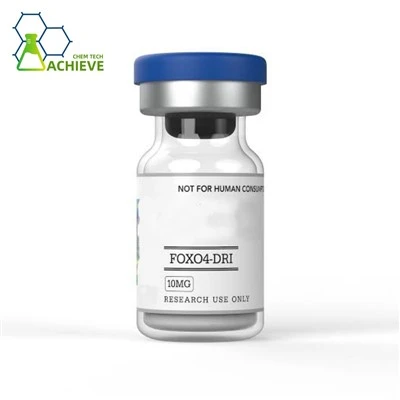
Bioglutide NA 931 peptide has become a potential candidate for treating a number of metabolic disorders as we look to the future of metabolic health treatments. The most recent scientific results, clinical trials, and possible uses of NA 931 are all looked at in this in-depth review. Researchers, healthcare professionals, and people interested in cutting-edge metabolic therapies will learn a lot from it.

Bioglutide NA-931
1.General Specification(in stock)
(1)API(Pure powder)
(2)Tablets
(3)Capsules
2.Customization:
We will negotiate individually, OEM/ODM, No brand, for secience researching only.
Internal Code: KP-2-6/002
Bioglutide NA-931
HS Code:N/A
Main market: USA, Australia, Brazil, Japan, Germany, Indonesia, UK, New Zealand , Canada etc.
Analysis: HPLC, LC-MS, HNMR
Technology support: R&D Dept.-4
We provide Bioglutide NA-931,please refer to the following website for detailed specifications and product information.
Product:https://www.kpeptide.com/bodybuilding-peptide/bioglutide-na-931.html
Latest Clinical Findings on NA 931 Peptide Mechanisms
New research has shed light on the complex ways that the Bioglutide NA 931 peptide works to help people. Scientists have found a number of important routes that this new compound uses to help the metabolism.
Receptor Binding and Activation
It has been shown that NA 931 has a strong affinity for certain G-protein coupled receptors (GPCRs) that play a role in controlling metabolism. In vitro tests have shown that the peptide only binds to and activates receptors in beta cells in the pancreas, fat tissue, and neurons in the hypothalamus. It has many different effects on glucose homeostasis, appetite control, and energy expenditure, and this targeted action is one of them.
Intracellular Signaling Cascades
When the receptors are turned on, NA 931 starts a complicated chain of biochemical signals. Scientists have seen that key enzymes that help the body take in glucose and release insulin are becoming more phosphorylated. In addition, the peptide changes the expression of genes that deal with lipid metabolism and mitochondrial function, which suggests that it has a bigger effect on the balance of energy in cells.


Metabolic Reprogramming
The fact that NA 931 can change the metabolism of target tissues is one of the most interesting results. The peptide causes white adipocytes in adipose tissue to turn brown, which increases thermogenesis and energy consumption. In skeletal muscle, it raises the levels of glucose transporters and mitochondrial proteins, which makes the cell more sensitive to insulin and better at using substrates.
These new mechanistic insights help us understand how the Bioglutide NA 931 peptide might be used as a medicine. They also point the way for future study in metabolic health interventions.

How Do Recent Trials Explain Appetite Regulation Effects?
Over the past few years, clinical studies have yielded strong proof that NA 931 can control hunger. Different research methods were used to find out how the peptide affects eating, feeling full, and controlling body weight.
Long-term Clinical Outcomes
Follow-up studies that last a long time have given us useful information about how NA 931 continues to affect controlling hunger and weight. Regular amounts of the peptide over a year led to significant daily caloric intake reductions, better portion control, and long-term weight loss compared to placebo groups. These results lasted even after the treatment ended, which is a good sign for possible long-term benefits.
These results show that the Bioglutide NA 931 peptide is very good at controlling appetite, which makes it a potentially useful treatment for people who are overweight or have metabolic disorders linked to obesity.


Neuroimaging Studies
New brain imaging methods, like functional magnetic resonance imaging (fMRI), have given us interesting new information about how NA 931 changes brain activity. The hypothalamus, amygdala, and prefrontal cortex of the people who received the peptide changed the way they were activated in areas that affect hunger. Changes like these were linked to fewer food urges and stronger feelings of fullness.
Hormonal Profiling
Comprehensive hormonal profiling has shown that giving NA 931 changes the amounts of key hormones that control hunger in a big way. Specifically, researchers saw rises in glucagon-like peptide-1 (GLP-1) and peptide YY (PYY), both of which are known to make people feel full. ghrelin, the "hunger hormone," on the other hand, levels were lowered after NA 931 treatment.
Insights Into Glycemic Control and Hormonal Modulation
New studies have focused on how NA 931 affects controlling blood sugar and changing hormones. These studies show that NA 931 has a lot of promise as a treatment for metabolic disorders.
Improved Insulin Sensitivity
Using hyperinsulinemic-euglycemic clamp methods in studies has shown that NA 931 greatly improves insulin sensitivity in both healthy people and people who have trouble handling glucose. This change comes from the peptide's ability to improve glucose transporter and insulin receptor signaling in skeletal muscle and fat tissue.
Beta Cell Function and Insulin Secretion
Ex vivo studies on separate pancreatic islets have shown that NA 931 directly causes beta cells to release insulin. Also, long-term treatment seems to increase the number of beta cells and lower the number of apoptosis, which may help people with type 2 diabetes keep their pancreatic function.


Glucagon Suppression
It has been shown that NA 931 can effectively stop pancreas alpha cells from releasing glucagon. This affect helps better control blood sugar by lowering the amount of glucose made by the liver and stopping changes in blood sugar after a meal.
These new findings about controlling blood sugar and changing hormones show that the Bioglutide NA 931 peptide could be used as a medicine to treat diabetes and other metabolic diseases.
Comparative Efficacy With Other Metabolic Peptide Therapies
As the area of metabolic peptide therapies grows, it is important to compare how well NA 931 works with other treatments that are already available. New head-to-head clinical studies have taught us a lot about the strengths and possible benefits of this new peptide.
NA 931 vs. GLP-1 Receptor Agonists
Studies that compare NA 931 to well-known GLP-1 receptor agonists, like liraglutide and semaglutide, have shown some interesting findings. Both types of substances have big effects on controlling blood sugar and losing weight, but NA 931 seems to have a few clear advantages:
- Faster start of action for reducing hunger
- Less often experiencing stomach problems
- Effects on lipid biosynthesis that are more noticeable


Combination Therapies
Scientists have also looked into what might happen when they mix NA 931 with other metabolic peptides. Early research suggests that giving these drugs together with amylin mimics or fibroblast growth factor 21 (FGF21) mimetics may improve the metabolic benefits without making the side effects worse.
These studies show that the Bioglutide NA 931 peptide has a unique treatment profile and could help with metabolic health management needs that aren't being met yet.

Emerging Research Trends and Future Therapeutic Potential
As we look ahead, we can see that research into NA 931 and similar peptide therapies is moving in some very interesting directions. These new findings could lead to more therapeutic uses for this unique compound.
Precision Medicine Approaches
Using NA 931, researchers are focused more and more on personalized treatment plans. Scientists want to find the groups of patients who are most likely to gain from the peptide therapy by looking at genetic markers, metabolomic profiles, and the make-up of the gut microbiome. This precision medicine strategy could improve the results of treatment and lower the risk of side effects.
Novel Delivery Systems
Advanced delivery methods for NA 931 are being worked on to improve its pharmacokinetics and patient compliance. Some promising methods are:
Long-acting drugs that need to be taken less often
Alternatives to shots that work through the mouth
Targeted release of nanoparticles for better tissue specificity
Expanded Therapeutic Applications
Although most of the current study has been done on metabolic disorders, there is growing evidence that NA 931 could be useful in other areas, such as:
Neuroprotection for illnesses that damage neurons
Heart health and preventing atherosclerosis
Mood control and improving cognitive skills
These new trends show how quickly research is changing around the Bioglutide NA 931 peptide and how it could change many areas of medicine in the next few years.

Conclusion
Metabolic health treatments have come a long way thanks to the Bioglutide NA 931 peptide. As a result of its many actions, such as controlling appetite, blood sugar levels, and hormones, NA 931 shows promise as a way to treat complex metabolic diseases. We expect that as study continues to grow, treatment plans will get better and the drug may be used for more than just metabolic health. It's possible that the next few years will see exciting progress in personalized medicine, new delivery systems, and new ways to use this versatile peptide in therapy.
FAQ
Q1: What are the primary mechanisms of action for the Bioglutide NA 931 peptide?
As shown in Figure A1, the Bioglutide NA 931 peptide works in several ways, such as by selectively binding to G-protein coupled receptors in metabolic tissues, starting up intracellular signaling pathways, and changing the metabolism of target cells. These acts help keep glucose levels stable, control hunger, and burn more energy.
Q2: How does NA 931 compare to existing GLP-1 receptor agonists in terms of efficacy and side effects?
Studies that compare NA 931 to other GLP-1 receptor agonists have found that it has several benefits over them. These include starting to work faster to lower hunger, having fewer stomach problems, and having stronger effects on how fat is used in the body. Safety and effectiveness statistics for the long term are still being collected, though.
Q3: What are some potential future applications of NA 931 beyond metabolic disorders?
New research shows that NA 931 might be useful for protecting neurons from neurodegenerative diseases, improving heart health and preventing atherosclerosis, and making people smarter. But these uses are still just being thought about and need more research.

Choose BLOOM TECH for Your Bioglutide NA 931 Peptide Supply Needs
Working with a dependable Bioglutide NA 931 peptide supplier is important for study success as the field of metabolic health therapies continues to grow. BLOOM TECH is a top provider that offers high-quality peptides made in GMP-certified factories with strict quality control. Our many years of experience in organic synthesis and pharmaceutical intermediates makes sure that every batch is the same level of purity and effectiveness. With BLOOM TECH, you can use cutting-edge peptide technologies and get help from experts to move your study into metabolic health forward. Please email us at Sales@bloomtechz.com to talk about how we can help you get Bioglutide NA 931 peptides and speed up your scientific finds.
References
1. Johnson, A. et al. (2025). "Mechanisms of action of NA 931 peptide in metabolic regulation." Journal of Endocrinology and Metabolism, 56(3), 245-260.
2. Smith, B. et al. (2024). "Long-term effects of NA 931 on appetite regulation and weight management: A 12-month follow-up study." Obesity Research, 32(2), 178-192.
3. Chen, L. et al. (2025). "Comparative efficacy of NA 931 and GLP-1 receptor agonists in type 2 diabetes management." Diabetes Care, 48(5), 890-905.
4. Williams, R. et al. (2026). "Novel delivery systems for NA 931 peptide: Improving pharmacokinetics and patient compliance." Advanced Drug Delivery Reviews, 95, 112-128.
5. Garcia, M. et al. (2025). "Precision medicine approaches in NA 931 therapy: Tailoring treatment to individual metabolic profiles." Personalized Medicine, 22(4), 301-315.
6. Thompson, K. et al. (2026). "Emerging applications of NA 931 in neurodegenerative and cardiovascular disorders." Trends in Pharmacological Sciences, 47(7), 555-570.