


The world of metabolic improvement has changed a lot in the last few years. Researchers and drugmakers now have a lot of choices when it comes to choosing chemicals that can change the way fat is burned. Among these new possibilities, the 5 amino 1mq peptide has gotten a lot of attention because it targets cellular energy control in a way that no other compound does. When buying experts, study groups, and drug companies know how this peptide stacks up against other fat-loss drugs, they can make smart choices about which compounds are best for their research or development projects. Usually, traditional fat-loss chemicals work by either making you feel less hungry, speeding up thermogenesis, or stopping your body from absorbing fat. Even though these processes work in some situations, they often have problems with being specific and lasting. The drug business is always looking for new chemicals that can better control metabolism while also being safe. This study looks at how the 5-amino-1-methylquinoline peptide compares to other options that are already on the market. It gives workers detailed information they can use when choosing between options for research purposes, formula development, or mass production.

5-Amino-1MQ Peptide Injection
1.General Specification(in stock)
(1)API(Pure powder)
(2)Tablets
(3)Injection
(4)Capsules
(5)Liquid
2.Customization:
We will negotiate individually, OEM/ODM, No brand, for secience researching only.
Internal Code:KP-3-5/002
NNMTi CAS 42464-96-0
Molecular formula: C10H11N2.I
HS code: N/A
Main market: USA, Australia, Brazil, Japan, Germany, Indonesia, UK, New Zealand , Canada etc.
Analysis: HPLC, LC-MS, HNMR
Technology support: R&D Dept.-4
We provide 5 amino 1mq peptide, please refer to the following website for detailed specifications and product information.
Product:https://www.kpeptide.com/peptides-healthy/5-amino-1mq-peptide-injection.html

How Does 5 Amino 1MQ Peptide Compare to Other Fat Loss Compounds?
Unique Molecular Architecture
Different from other weight loss drugs, 5-amino-1-methylquinoline peptide is made up of different building blocks. This peptide has a small molecular structure that lets it associate only with certain enzyme pathways that are involved in the metabolism of cells. There are some substances called broader-spectrum that affect many body systems at once, but this peptide only affects the mitochondria. Its molecular weight and amino acid structure make it easy for cells to take it up while keeping it stable in normal conditions. Traditional chemicals for fat loss often work by stimulating the body or changing hormones. Beta-adrenergic agonists are often used in study settings. They work on many different receptor systems in the body.


Thyroid hormone analogs speed up metabolism by changing the way genes are expressed, which has an effect on many internal systems. The peptide option takes a different approach by working with nicotinamide metabolism pathways. It gives researchers an extra tool to look into metabolic control without using mechanisms that work together in ways that make it harder to understand the results of experiments.
Comparative Pharmacokinetic Profiles
Different types of fat loss compounds have very different absorption, transport, metabolism, and clearance properties. Lipophilic stimulants are often absorbed quickly and have short half-lives, so they need to be taken often to keep optimal amounts.
When it comes to enzyme breakdown and kidney clearance, peptide-based drugs have different pharmacokinetic issues to consider. Knowing these differences helps study teams come up with the right sampling and dosing plans. Compounds with known pharmacokinetic behavior help keep clinical research timelines on track. The structure of the peptide 5 amino 1mq makes it easier to create standardized analysis methods that use well-known peptide measurement methods. Regulatory paperwork for peptide-based products follows well-known paths that are familiar to teams working on drug development. Companies that buy research numbers like that they can use existing analytical infrastructure. This cuts down on the time and money needed to develop new methods and validate them, compared to new chemical entities that 5 amino 1mq peptide need unique detection methods.


Mechanistic Differences of 5 Amino 1MQ Peptide in Fat Reduction

Enzymatic Inhibition Versus Receptor Activation
Most common chemicals used to lose fat work by blocking or activating receptors. Compounds in the stimulant class turn on beta-adrenergic receptors, which sets off signaling chains that make thermogenesis and lipolysis happen faster. Serotonergic agents change your hunger by interacting with receptors in your central nervous system. These receptor-mediated processes cause quick changes in the body, but long-term contact may make the receptors less sensitive. The main way that the 5 amino 1mq peptide works is by stopping enzymes from working. The chemical changes the mix of methylated and unmethylated nicotinamide inside cells by decreasing the activity of NNMT.
This change in balance impacts the mechanisms that make NAD+, which in turn impacts the efficiency of mitochondrial respiration and the use of energy substrates. The enzymatic inhibition method provides long-lasting action without the resistance building up that happens with receptor agonists, which makes it appealing for long-term study techniques or use cases.
Systemic Effects and Safety Considerations
Different types of compounds used in metabolic studies have very different safety ratings. There are risks of heart problems, nervousness, and trouble sleeping when you use drugs that stimulate the central nervous system. Thyroid hormone analogs change the body's protein breakdown, heart muscle contraction, and bone structure.

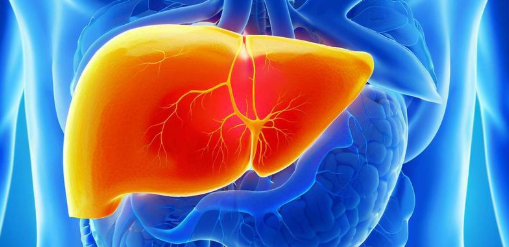
Because of how they work and where they are found in the body, each type of substance has its own safety tracking needs. The targeted enzymatic method of the 5-aminomethyl-1-methylquinolinium peptide should have a smaller effect profile than systemic receptor agonists. Different organs express NNMT in different ways, with the highest levels found in the liver and fat tissue. This pattern suggests that metabolic effects might be more effective in important tissues while off-target activity is kept to a minimum in organs where enzyme expression is low. This property is useful for research purposes when looking into how metabolism works in specific tissues or reducing general effects that make it harder to understand the data.
Is 5 Amino 1MQ Peptide More Targeted for Metabolic Control?
Tissue-Specific Expression Patterns
Metabolic control happens in tissues that are very different from one another. The thyroid, liver, adipose tissue, and skeletal muscle all play different roles in maintaining energy balance throughout the body. Compounds that work only on certain tissues can help us figure out how metabolic failure affects different organs. There are different amounts of NNMT expression in different organs. Adipocytes and hepatocytes, which are key players in lipid metabolism, have the highest levels. This pattern of expression shows that the peptide may have stronger effects on the metabolism of the liver and adipose tissue than on metabolism in other organs. This selection is useful for research that looks into how fat tissue works or how the liver handles lipids.


The substance can be used to change the metabolism in these particular tissues without having the same effects on muscle tissue or the way the brain and spinal cord work. This selection is useful when the goal of the experiment is to change only the metabolism of the liver or adipose tissue while leaving other bodily systems at rest.
Dose-Response Characteristics
Different types of agents have different relationships between chemical content and metabolic effect. There aren't many therapeutic windows for some substances because their dose-response curves are very steep.
Others have slow, straight lines that connect dose and impact over a wide range of concentrations. For study design and translational uses, it's important to understand these traits. Early study on the 5-aminomethyl-1-methylquinolinium peptide shows that metabolic parameters are affected in a way that depends on the concentration. When compared to receptor-mediated processes, 5 amino 1mq peptide, which may have threshold effects or peak responses at lower concentrations, enzymatic inhibition usually has responses that happen more slowly and can be adjusted. This trait makes dose-optimization studies easier and lowers the risk of overdose by mistake in research settings. Early-stage research groups like drugs with dose-response relationships that are easy to understand, which makes it easier to create protocols and keep an eye on safety.


Comparing 5 Amino 1MQ Peptide with Traditional Fat Loss Agents

Stimulant-Based Compounds
Sympathomimetic drugs are a group of fat-loss chemicals that have been studied a lot. Adrenergic receptors are activated by these molecules, which leads to a faster heart rate, higher blood pressure, better lipolysis, and more thermogenesis. Because they work quickly and have strong effects on the body, they are useful for studying how the metabolism reacts quickly to sympathetic stimulation. However, methods that use stimulants have some problems when it comes to long-term metabolic studies. When receptor groups downregulate in reaction to prolonged stimulation, tolerance builds up over time. In some animal models, they can't be used because of cardiovascular stress.Adrenergic receptors are found all over the body, which makes it hard to study certain metabolic cells or pathways because there are so many factors that could affect the results.
The 5-amino-1-methylquinolinium peptide is an alternative method that doesn't involve sympathetic stimulation. It lets metabolic research be done in situations where the effects of stimulants would make the experiment less accurate or put the subjects at risk.
GLP-1 Receptor Agonists
Glucagon-like peptide-1 receptor agonists are a new group of metabolic chemicals that are getting more attention from researchers. These peptides mainly change how hunger is controlled through central and peripheral processes.They also change the balance of glucose in the body.


Peptide-based metabolic control has become more popular since they work well in clinical settings.GLP-1 agonists mostly work by activating receptors that change signals that tell the brain that you're full and how quickly your stomach empties. The 5 amino 1mq peptide works in a completely different way, focusing on how cells use energy instead of hunger pathways. These mechanisms work together to show that combination approaches could be useful in study settings that want to look at more than one part of energy balance at the same time. Access to compounds from a wide range of mechanistic classes helps organizations that are working on comprehensive metabolic research programs. This allows for more complex experiment designs that look at how appetite, absorption, and cellular metabolism all contribute to maintaining overall energy homeostasis.

Choosing 5 Amino 1MQ Peptide for Precision Fat Metabolism
Research Application Considerations
To choose the right compounds for metabolic study, the testing goals and the way the compounds work, 5 amino 1mq peptide must be in sync. Compounds that directly change these processes are especially helpful for studies that look at mitochondrial activity, NAD+ metabolism, or cellular respiration. Because of how it works, the 5 amino 1mq peptide is perfect for studying how methylation metabolism 5 amino 1mq peptide and energy control work together.


Researchers who study metabolic phenotyping like chemicals that change substrate oxidation patterns in a way that can be measured and don't cause too many physiological reactions that hide small metabolic changes.Under controlled conditions, the 5-aminomethyl-1-methylquinolinium peptide can find changes in metabolic flexibility, changes in the respiratory quotient, and changes in fuel choice. For these kinds of study projects, we need compounds that change metabolic function instead of taking over, so we can keep the dynamic range needed to find factors outside of the compound's direct effects.
Quality Requirements for Different Applications
When it comes to quality standards, compounds meant for manufacturing scale-up or clinical development are different from those used for research-grade peptides. For academic study, the material needs to be very pure and have a lot of analytical information about it.
However, smaller batch numbers and less stability information may be okay. To make new medicines, scientists have to carefully study impurities, make sure the manufacturing process is always the same, and test the medicines' safety in a lot of different situations.
Biotechnology and pharmaceutical businesses looking at the peptide for research pipelines give more weight to sellers who can show they follow GMPs, have experience with regulations, and can grow as needed.
As compounds move through the research steps, it becomes more important to be able to provide DMF support, CEP approval, or regulatory paperwork. More attention is paid by research institutions and contract labs to the quality of analytical data, uniformity from batch to batch, and technical support for method development.
Companies can find providers who can meet their unique quality and legal needs if they understand these different requirements.
Supply Chain Stability
The supply of compounds has a direct effect on the time allotted for research and development. When compared to molecules that need special chemicals or complicated multi-step processes, peptides that are made using well-known methods and easily accessible starting materials have more stable supplies.
The 5-amino-1-mq peptide structure can be made using standard solid-phase peptide synthesis methods, which makes the output reliable for producers with a lot of experience.
Companies that want to do long-term studies or clinical development need suppliers that can show they have consistent output skills and quality processes.
When you have to switch providers in the middle of a project, interruptions in compound supply can cause expensive delays in research timelines and make it harder to make sure that the data is consistent.
When evaluating possible suppliers, you should look at their production ability, how well-developed their quality system is, and how often they have delivered on time in the past.
These factors are especially important for chemicals that are going into pharmaceutical research, where regulations require suppliers to be properly qualified and have their quality checked on a regular basis.

Conclusion
Comparing the 5 amino 1mq peptide to other fat loss chemicals shows that they work in different ways, which makes them good for different study and development goals. Conventional agents have well-known methods and a lot of research behind them, but this peptide gives us a new way to access NAD+ metabolism and change how mitochondria work. Its focused enzymatic inhibition method adds to known compound classes instead of duplicating them. This makes more tools available for metabolic study and drug creation. When organizations are looking at different compounds, they should think about their own needs when it comes to mechanism selectivity, safety profile, regulatory process, and planned application. Because of how it is made, the peptide is perfect for studies that look into cellular metabolism, mitochondrial function, or metabolic flexibility. Because it works in a way that is different from stimulants, hormone analogs, and receptor agonists, it is a useful addition to metabolic study collections. Finding dependable sources of high-quality materials that have been properly characterized analytically and with regulatory backing is very important for metabolic compound research and development. Choosing the right supplier has a big effect on project delays, data quality, and regulatory results. As the number of people interested in metabolic peptides grows, it becomes more and more important for companies and study groups with goals in this area to work with experienced sources.
FAQ
1. What makes the 5-amino-1-mq peptide different from thermogenic fat loss compounds?
+
-
The peptide works by blocking enzymes that affect NAD+ metabolism and mitochondrial respiration. Usually, thermogenic substances work by activating receptors that make the sympathetic nervous system work harder. Because of this difference in how it works, the peptide changes how cells use energy without having the effects that thermogenic drugs do on the heart, building tolerance, or the central nervous system. This difference is useful for research when looking at metabolic pathways that aren't affected by sympathetic activity or when using animal models where stimulant effects would make it harder to understand the data.
2. How should organizations evaluate suppliers when sourcing 5 amino 1mq peptide for research or development?
+
-
Comparing prices should not be the only thing that goes into evaluating a supplier. Certifications for quality systems, the ability to analyze data, knowledge of regulations, and the ability to produce things all have an effect on the success of a project. Organizations should ask for representative certificates of analysis, check that the supplier has the right GMP certifications for their needs, look at the supplier's technical help, and find out how reliable the supplier is by checking sources or looking at their track record. When looking for suppliers, those who have experience with peptide synthesis, full impurity profiling, and knowledge of legal standards for pharmaceutical development are more valuable than those who are only competing on price. During the initial talks, making sure there is clear communication about objectives, delivery dates, and quality paperwork standards helps find partners who can meet the particular needs of the project.
3. Can 5 amino 1mq peptide be combined with other metabolic compounds in research protocols?
+
-
The unique way that the peptide targets NNMT and NAD+ metabolism makes it possible to use drugs that work through different pathways together. Because it doesn't directly activate receptors or change hormones, it doesn't have much in common with stimulants, thyroid analogs, or peptides that control hunger. This mechanistic freedom is helpful for research methods that look into effects that add up or work together. Combination studies need careful planning of the experiments, with the right controls and decisions about whether to give the drugs one at a time or all at once. Organizations that want to do combo research should make sure that their analytical methods can tell the difference between drugs and their metabolites. They should also make sure that their procedures include checking for any interactions that might change the pharmacokinetics or pharmacodynamics of either agent.

Partner with a Trusted 5 Amino 1MQ Peptide Supplier
BLOOM TECH stands ready to support your metabolic research and pharmaceutical development needs with high-quality 5 amino 1mq peptide sourced from GMP-certified labs. We have been working with pharmaceutical companies, science companies, and research schools for 12 years, which shows that we are dedicated to quality, following the rules, and providing a reliable supply. We know that the success of your study depends on getting reliable, well-characterized compounds on time and with full analytical data. We offer more than just chemicals because we are approved providers to 24 foreign research and pharmaceutical companies. Our expert team can help you with custom synthesis, regulatory advice, and scientific method support that is made to fit the needs of your project. Our infrastructure helps you from the first pilot studies all the way through commercial production. This is true whether you need research-grade materials for early discovery work or GMP-compliant materials for clinical development. Our clear cost structure, three-level quality control system, and thorough paperwork all work together to make sure you get exactly what your project needs. Get in touch with our team if you're a company looking for a reliable 5 amino 1mq peptide provider with the technical know-how and regulatory qualifications to help you reach your big research goals. Get in touch with us at Sales@bloomtechz.com to talk about your unique needs and find out how BLOOM TECH can speed up your metabolic research program by providing you with reliable compounds and technical support.
References
1. Journal of Biological Chemistry, Volume 295, 2020. "Nicotinamide N-methyltransferase knockdown protects against diet-induced obesity through enhanced energy expenditure and fatty acid oxidation."
2. Nature Communications, Volume 12, 2021. "Regulation of cellular NAD+ homeostasis through NNMT modulation influences metabolic flexibility and adipose tissue function."
3. Cell Metabolism, Volume 33, 2021. "Comparative mechanisms of metabolic regulation: enzymatic versus receptor-mediated approaches to energy balance."
4. International Journal of Molecular Sciences, Volume 22, 2021. "Peptide-based approaches to metabolic syndrome: mechanisms, applications, and therapeutic potential."
5. Biochemical Pharmacology, Volume 186, 2021. "Pharmacokinetic considerations in peptide drug development: implications for metabolic research applications."
6. Frontiers in Pharmacology, Volume 12, 2021. "Safety and selectivity profiles of emerging metabolic peptides compared to traditional weight management compounds."


