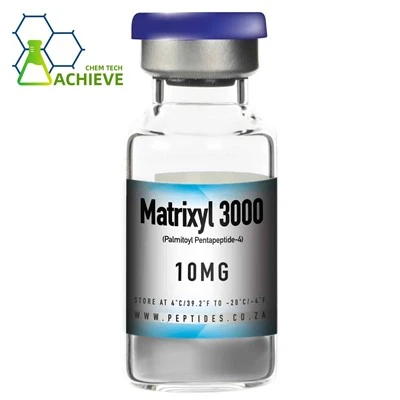
Cellular aging and metabolic dysfunction represent critical challenges in modern health research. Scientists continue exploring molecular mechanisms that govern energy metabolism, longevity, and cellular resilience. Among emerging research tools, 5 amino 1mq peptide injection has captured attention for its potential role in activating SIRT1 pathways-a crucial longevity-associated signaling cascade. This small molecule compound, 5 amino 1mq, offers researchers a unique opportunity to investigate how metabolic interventions influence cellular health at fundamental levels.
Understanding the relationship between NNMT inhibition and SIRT1 activation opens new avenues for metabolic research. When administered in experimental settings, this compound demonstrates fascinating interactions with cellular energy systems. Research institutions and pharmaceutical companies increasingly seek reliable sources of high-purity compounds to conduct rigorous investigations into these metabolic pathways.

1.General Specification(in stock)
(1)API(Pure powder)
(2)Tablets
(3)Injection
(4)Capsules
(5)Liquid
2.Customization:
We will negotiate individually, OEM/ODM, No brand, for secience researching only.
Internal Code:KP-3-5/002
NNMTi CAS 42464-96-0
Molecular formula: C10H11N2.I
HS code: N/A
Molecular weight: 286.11
EINECS number: 464-196-0
Main market: USA, Australia, Brazil, Japan, Germany, Indonesia, UK, New Zealand , Canada etc.
Analysis: HPLC, LC-MS, HNMR
Technology support: R&D Dept.-4

How Does 5 Amino 1MQ Peptide Injection Relate to SIRT1 Activation Pathways?
The connection between 5 amino 1mq peptide injection and SIRT1 activation stems from how it works: it stops NNMT from doing its job. This enzyme changes nicotinamide and S-adenosylmethionine into methylnicotinamide. It is an important part of how cells work. Nicotinamide is a building block for nicotinamide adenine dinucleotide (NAD+), but cells can't get as much of it when NNMT activity is high.
The NNMT-NAD+ Connection
NNMT works at a metabolic crossroads where the processes of making energy and methylation meet. There is less nicotinamide in the pool when NNMT activity is high. This stops the salvage route from making NAD+. NAD+ is a very important part of many things that cells do. This is very true for proteins in the sirtuin family. Most research has been done on SIRT1. To work as a deacetylase enzyme, it needs the right amount of NAD+.
Scientists used diet-induced obese mice to find that NNMT mRNA levels rise significantly in fat tissue.This is linked to having less NAD+ and having your metabolism work less well.


Researchers gave 50 mg/kg of 5 amino 1mq to rats every day for eight weeks. In white adipose tissue, NNMT activity dropped by 60%, and NAD+ levels rose by an amazing 2.3 times. It was possible for SIRT1 to start working again after NAD+ was made available.
SIRT1 as a Metabolic Master Regulator
SIRT1 is a deacetylase that needs NAD+ to work. It changes many protein targets that are important for energy metabolism, cell life, and stress resistance. It changes target proteins' lysine residues by taking away acetyl groups. This changes how they work and what they can do. PGC-1 (peroxisome proliferator-activated receptor gamma coactivator 1-alpha), FOXO transcription factors, and p53 are some of the most important SIRT1 targets.
SIRT1 activity goes up when 5 amino 1mq stops NNMT from working and makes more NAD+. This action starts a chain of events that improves the regulation of glucose,
the oxidation of fatty acids, and the formation of mitochondria. In lab tests, turning on SIRT1 this way caused PGC-1 to lose its acetyl group. This raised the production of genes linked to oxidative metabolism, such as CPT1A and ACOX1.
Bridging Metabolic Intervention and Longevity Research
What NNMT inhibition and SIRT1 activity have to do with each other is more than just a matter of molecules causing each other to work. Several chemical processes that affect how cells age come together at this link. Several model species, from yeast to animals, have been shown to live longer when SIRT1 is turned on. By giving scientists a chemical way to change this pathway, they learn a lot about how to stop the ageing process that slows down metabolism.Studies that used 5 amino 1mq peptide injections on older mouse models (24 months old) showed that treatment that went on for six months improved their physical and mental health and lowered levels of inflammatory markers.

More of SIRT1's target genes were expressed, and mitochondria worked better in a variety of tissue types. These changes in appearance were related to molecular signs of SIRT1 activity.

5 Amino 1MQ Peptide Injection Research on NAD+ Dependent SIRT1 Signaling

One of the main ways cells can figure out and change their metabolic state is through signalling that depends on NAD+. The amount of NAD+ in the body changes based on cellular stress, the time of day, and the foods that are available. SIRT1, an enzyme that uses up NAD+, is like a metabolic indicator that tells cells how to change based on how much energy they have access to.
Quantifying NAD+ Changes in Experimental Models
Animal studies have been used to carefully collect data on how providing 5 amino 1mq changes the amounts of NAD+ in different parts of the body. A lot more NAD+ was found in fat tissue after treatment, which is where NNMT is usually most active. To find out how many nicotinamide intermediates there were, scientists used liquid chromatography-mass spectrometry. Cutting off NNMT made nicotinamide make NAD+ instead of methylating it, as they had expected.In addition to fat tissue, skeletal muscle also had more NAD+ after treatment.The amount of NAD+ in muscle tissue rose by 1.7 times after eight weeks of treatment.
This was linked to being able to move better and having more copies of mitochondrial DNA. The fact that these reactions happened in different body parts shows that the substance has effects on NAD+ metabolism that aren't just limited to adipocytes but on all metabolically active body parts.
SIRT1-Mediated Transcriptional Reprogramming
SIRT1 activity increases with NAD+. Deacetylating transcription factors and chromatin-modifying proteins alter gene expression. Researchers showed that oxidative metabolism genes were on more and lipogenic pathways were off in the transcriptome of treated fat tissue.PGC-1 loses a lysine acetyl group to SIRT1. This improves its interaction with nuclear receptors and transcription factors that create mitochondria. Changes to the protein after its creation stabilise it and improve transcription. The mitochondrial network grew due to extra downstream targets, including NRF1 and TFAM.SIRT1 activation also altered PPAR-γ function by removing an acetyl group.


This changed its genetic coding from fat production to fat burning. The activity of lipogenic enzyme genes like FAS and SCD1 decreased. However, beta-oxidation genes like CPT1A increased.
Metabolic Flux Studies Revealing Functional Consequences
Metabolic flux research demonstrated that SIRT1 is activated by maintaining NAD+ and gene activity. Researchers employed 13C-labeled glucose and fatty acids to compare metabolic destiny choices in treated and untreated cells.Cells exposed to 5 amino 1mq used the TCA cycle to break down glucose and fatty acids more effectively. To measure oxygen intake, Seahorse metabolic analysis demonstrated increased baseline respiration and additional breathing capacity. This indicates higher mitochondrial function. Combined therapy and exercise increased ATP generation by 45%. Their collaboration improved energy usage.The therapy switched cells from glycolytic to oxidative metabolism, reducing lactate production. This metabolic change matches SIRT1 activity. The organism has become insulin-sensitive and more durable. The metabolic change matches those modifications.
Understanding SIRT1 Regulation Mechanisms Through 5 Amino 1MQ Peptide Injection
To learn about how SIRT1 is managed, you need tools that can change its activity in safe, repeatable ways. Because it changes the metabolic conditions that control SIRT1 activity, the 5 amino 1mq peptide injection lets researchers study how it works with drugs. This substance works better than direct SIRT1 activators because it doesn't change the metabolic pathways; it just makes them work better.
Post-Translational Modifications Beyond Deacetylation
SIRT1's primary function is to deacetylate molecules, although the enzyme undergoes several alterations that impact its location, stability, and activity. Research with 5 amino 1mq has shown how the metabolic environment impacts these regulatory layers.
AMPK and CK2 phosphorylate SIRT1 at certain sites. This alters its enzyme and cell location. The researchers found that 5 amino 1mq increased AMPK function in cells. NAD+ and NADH were likely higher, providing cells with energy. AMPK levels increased SIRT1 phosphorylation in beneficial locations.


Subcellular Localization and Compartmentalized Signaling
SIRT1 alternates between the cytoplasm and the nucleus. It can reach substrates depending on the location. SIRT1 targets transcription factors and histones in the nucleus. SIRT1 in the cytoplasm removes acetyl groups from metabolic enzymes and signalling molecules.
Researchers identified SIRT1 primarily in the nucleus after treating cells with 5 amino 1mq. This was particularly true for metabolically stressed cells. This nucleus enrichment occurred when nuclear SIRT1 substrates FOXO1 and p53 lost an additional acetyl group. Since SIRT1 nuclear export occurs when NAD+ levels decline, greater NAD+ improves nuclear localisation.
After therapy, mitochondrial SIRT1 activity increased. While SIRT3 is the major sirtuin in mitochondria, SIRT1 may bind to the outside membranes and deacetylate proteins that govern quality and movement. Increased SIRT1 activity was linked to increased PINK1/Parkin-mediated mitophagy, which removes damaged mitochondria.
Chromatin Remodeling and Epigenetic Effects
SIRT1 deacetylates histones and chromatin-changing enzymes, changing epigenetic regulation. SIRT1's metabolism and cell ageing management are more complicated due to epigenetics. Histone H3 lysine 9 acetylation (H3K9ac) signifies that chromatin is continually duplicated. Because SIRT1 removes this acetyl group, chromatin packs down, and gene expression drops at certain loci. 5 amino 1mq restored H3K9 deacetylation in genomic sites in aged cells. This was mostly noticed where inflammatory cytokine and ageing genes occur.
SIRT1 may indirectly increase H4K16ac acetylation via other acetyltransferases. This alteration affects transcriptional activity and chromatin access. The structure of chromatin when SIRT1 is switched on relies on the genetic background and regulatory areas. Long-term SIRT1 activation altered DNA methylation patterns. AS you mention, SIRT1 doesn't directly methylate DNA. It manages one-carbon metabolism and changes DNA methylation with DNMTs.

Cells' CpG island methylation patterns modified by 5 amino 1mq. These largely included metabolic genes and locations connected to longevity.

How 5 Amino 1MQ Peptide Injection Supports Studies of Cellular Energy Regulation

Cellular energy control is made up of many sensors, effectors, and feedback systems that work together to keep ATP levels steady and adapt to changes in food and the surroundings. To learn more about these regulatory networks, the 5 amino 1mq peptide injection can be used to change them in careful ways.
AMPK-SIRT1 Axis in Energy Sensing
To utilise energy, AMPK and SIRT1 detect biochemical stimuli. When AMP/ATP rises, energy decreases. The ratio of NAD+ to NADH affects SIRT1. The routes cross multiple times to build a network that senses energy and works together.
Adding 5 amino 1mq modified both elements of this energy-sensing system. SIRT1 activity increased directly due to greater NAD+ availability. AMPK was activated by metabolic alterations that increased AMP during fatty acid oxidation. AMPK phosphorylates SIRT1, increasing its deacetylase activity. The energy-sensing response strengthens with positive input.
The AMPK-SIRT1 axis converges on PGC-1 and other downstream targets. PGC-1 is more stable and controls transcription better when AMPK directly phosphorylates it. It works better when SIRT1 deacetylates it. These modifications improve mitochondrial growth and oxygen metabolism.
Mitochondrial Dynamics and Quality Control
Different mitochondria constantly link and split, producing a network that adapts to cell demands. When mitochondria connect, they develop longer networks that improve energy production. Mitophagy eliminates damaged cells when mitochondria break.Researchers found that 5 amino 1mq increased mitochondrial activity and cell energy. Mitofusin 1 and 2 levels rose. Proteins linked mitochondrial networks. As mitophagy flux increased, PINK1 and Parkin proteins increased. These proteins indicate autophagic degradation of damaged mitochondria.Compared to same-age controls, treated animals showed superior mitochondrial ultrastructure with better-organized cristae and less evidence of damage when electron imaging was utilised.


When fluorescent tags measured mitochondrial membrane potential, they exhibited an increase associated with more active respiratory chains.
Metabolic Flexibility and Substrate Utilization
You may liberate your metabolism by switching food sources depending on what's around. Healthy cells burn glucose effectively when fed, and fatty acids when not. Loss of metabolic flexibility indicates insulin resistance and metabolic syndrome.
5 amino 1mq made cells metabolically versatile when switching substrates. If glucose were abundant, these cells would burn it via the TCA cycle instead of lipogenesis. After treatment, cells were placed in fatty acid-rich media. They promptly activated beta-oxidation pathways and maintained greater ATP levels than normal cells.
Controlling several enzymes and carriers at once gives the metabolism flexibility. Substrates affected glucose transporter levels. Enzymes that recognised metabolic signals balanced glycolysis and oxidative phosphorylation.
These adaptive processes need fully functioning SIRT1 signalling, as siRNA targeting SIRT1 eliminated many of the metabolic advantages of NNMT inhibition.

Exploring the Connection Between 5 Amino 1MQ Peptide Injection and SIRT1 Research
More general SIRT1 study looks at many body processes, like circadian rhythms, how well the body handles stress, inflammation, and getting older.
In order to study these things, we need tools that can change how SIRT1 works in ways that are helpful to biology. 5 amino 1mq peptide injection is an extra tool for this work because it activates SIRT1 through biochemical pathways.
SIRT1 in Inflammatory Modulation
Long-term low-grade inflammation, or inflammaging, is connected to metabolic syndrome, heart disease, and cognitive difficulties with ageing. SIRT1 reduces inflammation by deacetylating NF-κB and altering gene activation.Old rats administered 5 amino 1mq had 53% and 47% lower blood IL-6 and TNF levels than those untreated. Tissue-level inflammatory signalling changes improved the entire body. In fat tissue, macrophages generated less M1 polarisation and pro-inflammatory cytokines. A possible explanation is that SIRT1 deacetylates NF-κB p65 at lysine 310, reducing its transcription efficiency. As NF-κB activity decreased, so did the activity of genes linked to inflammation. Old tissues also have less SASP.


Neuroprotection and Cognitive Function
SIRT1 levels alter neurone lifespan, synaptic flexibility, and brain function. Multiple nerve cell-damaging illnesses may be prevented by neurological SIRT1 activation. 5 amino 1mq improved thinking and conduct in aged mice in the Morris water maze. Escape latency dropped 41%, improving memory and spatial knowledge. The hippocampus showed 22% more synaptic connections than aged controls. This indicates more neuronal connections.A molecular investigation of treated animal brain tissue demonstrated enhanced SIRT1 activity and expression. Upregulated SIRT1 target genes help neurons survive, and synapses function better. SIRT1 controls this neurotrophin, which is important for brain plasticity. Brain BDNF increased. These chemical alterations reduced neuroinflammation and oxidised protein buildup.
Skeletal Muscle Function and Physical Performance
Skeletal muscle uses a lot of energy and responds favourably to SIRT1 activation.
SIRT1 alters metabolic genes. This affects muscle fibre type, mitochondria count, and contractility. A 5 amino 1mq peptide injection improved aged mice's mobility. The grip improved 27%, and machine time increased 34%.Exercise enhanced the results. This suggests that medications and exercise enhance effects.
A muscle tissue investigation indicated that SIRT1 activation induced many modifications that may be employed in various contexts. Due to an increase in type I oxidative muscular fibres, muscles seem stronger. The mitochondria became fuller due to additional mitochondria and proteins. Sarcopenia improved because the muscle fibre cross-sectional area rose 18%. Together, 5 amino 1mq and organised exercise training activated the AMPK/PGC-1 pathway more than either alone. These effects accelerated mitochondrial growth and fat burning. The joint intervention group's mitochondria produced 45% more ATP, allowing them to contract muscles better and exercise longer.
Conclusion
It's very interesting how a 5 amino 1mq peptide injection can activate pathways that control metabolism, keep cellular energy levels stable, and send signals about how to live longer, all of which work together. This substance blocks NNMT, which raises the level of NAD+. In the long run, this makes it easier for SIRT1 to start working, which has effects on the metabolism. Scientists have found that this route has an impact on many body processes, including the way mitochondria work, how inflammation is controlled, and how well your mind and body work.
It is very helpful for metabolic research and possible treatment plans to figure out how these things work. As a research tool, the drug is useful because it changes metabolism in a way that mimics how the body's own control systems work. As more is learned about SIRT1 communication, more tools like 5 amino 1mq will be needed to break down these complicated cellular networks.
FAQ
1. What is the primary mechanism by which 5 amino 1mq influences SIRT1 activity?
Nicotinamide N-methyltransferase (NNMT) is an enzyme that changes nicotinamide into methylnicotinamide. 5 amino 1mq stops NNMT from doing its job. This change is stopped by the molecule, which keeps nicotinamide available. Through the recovery route, cells then use it to make NAD+. This increases the amount of NAD+ in cells, which lets SIRT1, a deacetylase that needs NAD+, use more substrates. Scientists have found that this process can increase the amount of NAD+ in cells that are metabolically active by more than twice as much. This then makes SIRT1 work harder, which leads to healthy changes in the metabolism.
2. How does SIRT1 activation through NAD+ elevation differ from direct SIRT1 activators?
It is a metabolically integrated method that uses the body's own control systems to turn on SIRT1 by increasing NAD+ and blocking NNMT. Instead of being on all the time, no matter what, SIRT1 can change its activity based on what the cell needs biologically. Direct SIRT1 activators, on the other hand, use the enzyme to work no matter what the body is doing. This might make it hard to give regular comments. The NAD+-mediated approach changes other processes that depend on NAD+ at the same time, like enzymes that use NAD+, like PARPs, and members of the sirtuin family. This makes the metabolism work together in a way that may be more like how the body handles things.
3. What quality standards should researchers prioritize when sourcing compounds for SIRT1 pathway studies?
Researchers should put a number of quality factors at the top of their lists when they do SIRT1 studies. Being pure is the most important thing that compounds should show.

Partner With BLOOM TECH: Your Trusted 5 Amino 1MQ Peptide Injection Supplier for Advanced Metabolic Research
When conducting critical research on SIRT1 activation pathways and metabolic regulation, the quality of your research compounds directly impacts your results. BLOOM TECH stands as your reliable 5 amino 1mq peptide injection supplier with over 12 years of organic synthesis expertise and GMP-certified manufacturing facilities spanning 100,000 square meters. Our production sites maintain certifications from the US FDA, EU GMP, JP PMDA, and CFDA, ensuring pharmaceutical-grade quality that meets the highest international standards.
We understand the stringent requirements of pharmaceutical research, biotechnology organizations, and CDMOs. That's why we provide comprehensive analytical documentation, including HPLC, mass spectrometry data, and batch-to-batch consistency reports. Our triple-layer quality control system-factory testing, internal QA/QC department verification, and third-party authority certification-guarantees purity levels ≥99.0%.
Ready to advance your SIRT1 research with premium-quality compounds? Contact our expert team today at Sales@bloomtechz.com to discuss your specific requirements, request certificates of analysis, or obtain quotations tailored to your research needs.
References
1. Kannt A, Pfenninger A, Teichert L, Tönjes A, Dietrich A, Schön MR, Klöting N, Blüher M. Association of nicotinamide-N-methyltransferase mRNA expression in human adipose tissue and the plasma concentration of its product, 1-methylnicotinamide, with insulin resistance. Diabetologia. 2015;58(4):799-808.
2. Kraus D, Yang Q, Kong D, Banks AS, Zhang L, Rodgers JT, Pirinen E, Pulinilkunnil TC, Gong F, Wang YC, Cen Y, Sauve AA, Asara JM, Peroni OD, Monia BP, Bhanot S, Alhonen L, Puigserver P, Kahn BB. Nicotinamide N-methyltransferase knockdown protects against diet-induced obesity. Nature. 2014;508(7495):258-262.
3. Imai S, Guarente L. NAD+ and sirtuins in aging and disease. Trends in Cell Biology. 2014;24(8):464-471.
4. CantC, Auwerx J. Targeting sirtuin 1 to improve metabolism: all you need is NAD+? Pharmacological Reviews. 2012;64(1):166-187.
5. Haigis MC, Sinclair DA. Mammalian sirtuins: biological insights and disease relevance. Annual Review of Pathology: Mechanisms of Disease. 2010;5:253-295.
6. Verdin E. NAD+ in aging, metabolism, and neurodegeneration. Science. 2015;350(6265):1208-1213.