


Every cell relies on mitochondria to turn nutrients into energy for many physiological activities. Mitochondrial dysfunction affects metabolism, performance, and vitality. Recent studies have shown that 5 amino 1mq peptide injection may improve mitochondrial health due to its unique method of action.
This synthesised small molecule drug inhibits nicotinamide N-methyltransferase (NNMT), a key enzyme in cellular metabolism, instead of targeting mitochondria. 5 amino 1mq peptide injection modulates NNMT activity, enhancing mitochondrial function, energy generation, and cellular respiration. The study on this chemical and mitochondrial health is reviewed in this article.
To understand how this intervention affects cellular energy systems, mitochondrial biology must be examined from biogenesis and quality control to respiratory chain efficiency and oxidative stress management. These pathways are being studied internationally to see whether they might help age-related metabolic decline or cellular function.

1.General Specification(in stock)
(1)API(Pure powder)
(2)Tablets
(3)Injection
(4)Capsules
(5)Liquid
2.Customization:
We will negotiate individually, OEM/ODM, No brand, for secience researching only.
Internal Code:KP-3-5/002
NNMTi CAS 42464-96-0
Molecular formula: C10H11N2.I
HS code: N/A
Molecular weight: 286.11
EINECS number: 464-196-0
Main market: USA, Australia, Brazil, Japan, Germany, Indonesia, UK, New Zealand , Canada etc.
Analysis: HPLC, LC-MS, HNMR
Technology support: R&D Dept.-4
We provide 5-Amino-1MQ Peptide Injection, please refer to the following website for detailed specifications and product information.
Product:https://www.kpeptide.com/peptides-healthy/5-amino-1mq-peptide-injection.html

How Does 5 Amino 1MQ Peptide Injection Influence Mitochondrial Function Research?
The main way that 5 amino 1mq peptide injection changes how mitochondria work is by stopping NNMT. In its normal function, this enzyme methylates nicotinamide, which uses up cellular NAD+ in the process. Nicotinamide adenine dinucleotide, or NAD+, is an important coenzyme that helps hundreds of metabolic processes happen, especially those that happen in mitochondria. As a result of this substance being given to cells, NNMT activity drops, and NAD+ levels rise significantly.
Diet-induced obese mouse models were used in research that showed daily doses over eight weeks raised NAD+ levels in white adipose tissue by 2.3 times. This increase in the amount of available NAD+ turned on sirtuin proteins, especially SIRT1. These proteins control mitochondrial formation through the PGC-1–/NRF1/TFAM pathway. The number of copies of mitochondrial DNA rose by about 50% in animals that were treated, which means that more new mitochondria were made. The growth of mitochondrial networks inside cells makes it possible for more energy to be made and for metabolism to be processed.

Mitochondrial Quality Control and Autophagy Enhancement

Maintaining mitochondrial quality is just as important for cellular health as growing the number of mitochondria. When mitochondria are damaged or don't work properly, they make too many reactive oxygen species and can't make ATP properly. 5 amino 1mq peptide injection seems to improve the quality control systems in cells that find and get rid of these troublesome organelles through a process known as mitophagy.
Studies using cellular models showed that the treatment increased the levels of PINK1 and Parkin proteins, which are important for mitochondrial autophagy. When mitochondria lose their membrane potential or get damaged, PINK1 builds up on their outer membrane and calls for Parkin, which marks the mitochondria for destruction. Better mitophagy makes sure that cells keep a population of healthy, working mitochondria instead of collecting damaged organelles that slow down cellular metabolism. This quality control system is especially important as we age, when mitochondrial repair systems tend to work less well.
There are five protein complexes inside the inner mitochondrial membrane that make up the electron transport chain. These work in a certain order to make ATP. When 5 amino 1mq peptide injections were tested on old mouse models, the researchers found that the respiratory chain complex content and function improved. Specifically, the treatment raised the production of subunits from Complex I, Complex III, and Complex IV, which are often lowered in tissues that are aging.
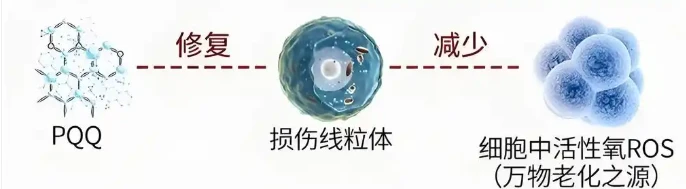

Functional tests that measured how much oxygen the mitochondria of treated animals used showed that they were better at breathing. When exercise was added to muscle tissue, the rate of ATP production went up by 45%. This suggests that this substance may work together with exercise to improve mitochondrial function. These improvements in how the respiratory chain works directly lead to more energy being available in cells, which helps with many bodily functions, from muscle contraction to neurotransmitter production.

5 Amino 1MQ Peptide Injection Applications in Mitochondrial Energy Production Studies
Not only does the number and health of mitochondria affect how much energy cells make, but so does metabolic flexibility, or the ability to use different fuel sources efficiently. 5 amino 1mq peptide injection study has shown that it has interesting effects on how cells use fats and sugars to make energy. In experimental models, the medicine increased the burning of fatty acids and made insulin more sensitive, which suggests better metabolic coordination.

Upregulation of enzymes involved in fatty acid transport and oxidation was seen in a gene expression study. These enzymes include CPT1A (carnitine palmitoyltransferase 1A) and ACOX1 (acyl-CoA oxidase 1). These enzymes make it easier for fatty acids to get into mitochondria and be broken down there through beta-oxidation. Genes that help store fat, like FAS (fatty acid synthase) and SCD1 (stearoyl-CoA desaturase 1), showed lower expression at the same time. This change in metabolism toward using fat instead of storing it is in line with what researchers have seen in models: more energy being made and less fat being stored.
ATP production is the best way to judge how well mitochondria are working. ATP is the universal currency of energy. It powers everything, from building proteins to contracting muscles. There were advanced methods used to measure ATP production rates in different metabolic situations in a study that looked at the effects of 5 amino 1mq peptide injection on cellular energetics.
The Seahorse XF analysers used in the studies showed that cells from treated subjects had higher baseline respiration, maximum respiration, and ATP-linked respiration compared to controls. These analysers measure real-time oxygen consumption and extracellular acidification. These measurements show that mitochondria not only make more energy when things are normal, but they also have more energy stored away in case they are needed during physical exercise or stress. The higher ability to make ATP that was seen in study settings suggests that it might be useful for people who are tired or have metabolic problems.

Oxidative Stress Reduction and Antioxidant Defense

When mitochondria make energy, they always make reactive oxygen species (ROS) as a byproduct of moving electrons around. ROS are important for signalling when they are in small amounts, but too much of them can damage DNA, proteins, and lipids inside cells. Rising ROS levels and weakened antioxidant defences are common signs of mitochondrial failure that come with getting older.
Researchers who looked into 5 amino 1mq peptide injection found that the medicine made cellular antioxidant systems work better. The levels of SOD2 (superoxide dismutase 2) and GPX1 (glutathione peroxidase 1) went up a lot in cells that were treated, making them better able to fight off dangerous free radicals. When oxidative damage markers like lipid peroxidation products and protein carbonylation were measured after treatment, they went down. By making mitochondria work better and antioxidant defences stronger at the same time, this technique may help cells keep making energy while reducing the buildup of oxidative damage that leads to ageing and metabolic disease.
Exploring the Relationship Between 5 Amino 1MQ Peptide Injection and Cellular Respiration
Cells employ oxidative metabolism to acquire energy from food. The process is cellular respiration. This complex metabolic process involves oxidative phosphorylation, glycolysis, and the citric acid cycle in the mitochondria. Knowing how the 5 amino 1mq peptide injection impacts each aspect of cellular respiration helps you comprehend how it influences metabolism.Researchers have measured complete tissues and manufactured mitochondria to study cellular respiration. These trials consistently demonstrate that inhibiting NNMT with this drug improves breathing in many tissue types.


Due to their high metabolic demands and mitochondrial content, muscle tissue improves the most.
The respiratory chain's function and NAD+ availability appear crucial to understanding these effects. NAD+ accepts electrons in glycolysis and citric acid cycle dehydrogenases. NADH then donates an electron to the electron transport chain Complex I. The 5 amino 1mq peptide injection ensures sufficient cofactors for respiratory metabolic flow by boosting NAD+ pools. This prevents energy generation stalling.

How Researchers Evaluate Mitochondrial Activity After 5 Amino 1MQ Peptide Injection Studies
These days, researchers studying mitochondria use advanced methods to fully examine how these organelles work. Bioenergetic profiling platforms that measure multiple parameters at the same time are used by researchers to look at the effects of 5 amino 1mq peptide injection. One widely used method is the Seahorse XF technology, which measures oxygen consumption rate (OCR) and extracellular acidification rate (ECAR) in real time while adding metabolic modulators one at a time.

This method of injection usually includes rotenone/antimycin A (which stops electron transport), oligomycin (which stops ATP synthase), and FCCP (which separates respiration). The bioenergetic profile that is made shows basic respiration, ATP output, proton leak, maximum respiration, spare respiratory capacity, and respiration that does not involve mitochondria. Studies that look at this substance regularly find that maximal respiration and spare capacity improve, which means that mitochondria have more backup power. These functional tests give us more detailed information than just looking at how many mitochondria there are.
To learn more about how the 5 amino 1mq peptide injection changes mitochondrial biology at the genetic and protein levels, researchers use molecular methods in addition to functional measures. RNA sequencing and quantitative PCR are ways to check the activity of genes that make metabolic enzymes, electron transport chain parts, and proteins that are found in mitochondria. Western blotting measures the amounts of proteins that make up important regulators like PGC-1, SIRT1, and respiratory chain complexes.


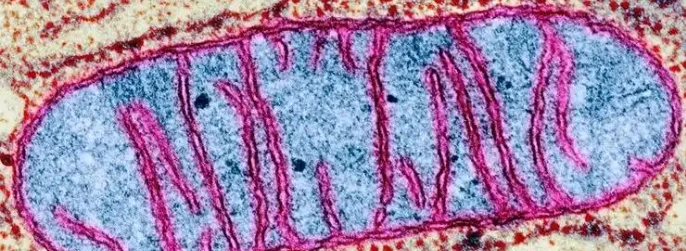
Electron scanning lets you see the ultrastructure of mitochondria directly, showing how their shape changes when they are treated. Studies using transmission electron microscopy have shown that tissues from animals that were treated have more mitochondria, better organization of the cristae, and less mitochondrial swelling. These changes in structure are linked to improvements in function, showing that the metabolic benefits reach the mitochondrial architecture. Researchers can use immunofluorescence microscopy to see mitochondrial networks inside live cells and watch how they change in reaction to metabolic challenges by watching changes like fusion, fission, and movement.
In addition to direct measures of mitochondria, a full metabolomic study shows how the 5 amino 1mq peptide injection changes the biology of cells in other ways. Metabolomics using mass spectrometry finds and measures hundreds of molecules at the same time, showing changes in the activity of metabolic pathways. Researchers who have looked into this compound have found higher levels of NAD+ and its related compounds, lower levels of methylated nicotinamide, and different patterns of citric acid cycle intermediates.

Lipidomic profiling looks at the lipid makeup of cells, which is important because the compound changes the way fatty acids are used in the body. Pay close attention to changes in the amount and make-up of cardiolipin because this phospholipid is only found in mitochondrial membranes and is very important for the function and formation of the respiratory chain complex. Results from studies show that cardiolipin levels improve after treatment, which may help the lungs work better. These omics methods help us understand how NNMT inhibition changes metabolism at the systems level.

Latest Research Insights Into 5 Amino 1MQ Peptide Injection and Mitochondrial Health
Mitochondrial function declines with age, causing delayed production, damage, respiratory impairment, and oxidative stress. A new study has examined if 5 amino 1mq peptide injection may reverse or reduce mitochondrial damage with ageing. Studies examined a variety of outcomes in normally aged mouse models (24 months old, the same age as an older human) treated for six months.
Results indicated tremendous gains in several areas. In treated mice, mitochondrial DNA copies increased, even though ageing generally decreases them. The respiratory chain complex functions improved to the level of younger animals. Lipid peroxidation products dropped by almost 50%, as did oxidative damage factors. These mitochondrial increases improved functional abilities, including muscular strength, endurance, and cognitive ability in behavioural tests, which was most essential.
A transcriptome investigation of aged treated animals and controls indicated several gene expression changes. Oxidative stress, cellular senescence, and inflammatory genes were downregulated, whereas mitochondrial function, antioxidant defence, and protein balance genes were increased. This 5 amino 1mq peptide injection may trigger a chain of defensive reactions that go beyond mitochondrial effects and help cells age well by altering transcription.
New research examines how the 5 amino 1mq peptide injection works with exercise and diet adjustments. These studies investigate whether blending approaches makes advantages add up or function better. The studies on how exercise impacts other activities were fascinating. The combination of drug injection and fitness training had greater outcomes than either alone.
Exercise naturally accelerates mitochondrial biogenesis by activating PGC-1 and related transcription factors via mechanical and chemical cues. This drug increases NAD+ and SIRT1 activity, strengthening the mitochondrial adaptive response to exercise. Studies demonstrated that the combined therapy boosted mitochondria and oxidative enzyme activity more than exercise or chemical delivery alone. Functional increases like endurance and muscular strength work together.
There are changes in how different organs react to the 5 amino 1mq peptide injection because of variations in NNMT expression levels, metabolic features, and mitochondrial density. To figure out why these differences exist, new research has systematically compared responses across different types of tissue. Adipose tissue, which has a lot of NNMT activity, responds strongly, with a big rise in NAD+ and a change in metabolism that makes fat burning more important than fat storage.
Because skeletal muscle has a lot of mitochondria and a metabolically flexible structure, it has much better oxidative capacity and fatty acid utilisation. Because of the blood-brain barrier and the very high energy needs of neural tissue, brain tissue has its own set of problems to solve. Some early data show that it has positive effects on the mitochondrial function and neuroprotective reactions of neurons, but this area needs more research. The liver, which is an important part of the body's metabolism, burns fat more efficiently and sends insulin signals more clearly after treatment.
Conclusion
More research on 5 amino 1mq peptide injection and mitochondrial health reveals that inhibiting NNMT improves cell energy metabolism. This chemical increases NAD+ and activates downstream pathways, including sirtuins and metabolic regulators, to assist mitochondria expand, enhance respiratory function, quality control, and antioxidant defences. Multiple model systems suggest that mitochondrial health improves metabolic health and function.
Most of the data we have is from preliminary investigations, but it helps us understand how NNMT activity influences cell energy levels. It may aid metabolic health and healthy ageing since it performed well with exercise regimens and prevented mitochondrial function loss in study animals. More study is required to determine the optimal approaches, long-term advantages, and how to use favourable preclinical findings to enhance health.
FAQ
1. What makes the 5 amino 1mq peptide injection different from direct NAD+ supplementation for mitochondrial health?
+
-
The 5 amino 1mq peptide injection doesn't give NAD+ directly; instead, it stops NNMT, an enzyme that uses up NAD+ through methylation processes. This method lets cells keep their own NAD+ instead of adding extra from outside the cell. Researchers think that this process might lead to a longer-lasting rise in NAD+ and other biochemical changes that go beyond just replacing cofactors. These changes may include better quality control systems and more efficient mitochondrial biogenesis that may not fully be replicated by direct supplements.
2. How long does research suggest treatment continues before mitochondrial improvements become apparent?
+
-
In preclinical studies of 5 amino 1mq peptide injection, different time periods from weeks to months have been used. Changes in metabolism, like higher NAD+ levels, happen within days of starting treatment. Changes in structure, like more mitochondrial DNA copies and more respiratory chain complex content, usually take a few weeks of regular giving. Studies that showed reversal of age-related mitochondrial decline used treatment plans that lasted for six months. This suggests that long-term intervention leads to improvements in mitochondrial health over time.
3. Can 5 amino 1mq peptide injection support mitochondrial health in tissues beyond muscle and fat?
+
-
5 amino 1mq peptide injection has been shown to have effects on a number of different kinds of tissue. However, the reactions are different depending on the starting level of NNMT expression and metabolic traits. In addition to muscle and fat tissue, studies have also looked at effects in the liver, where treatment improved insulin sensitivity and fatty acid metabolism. Early research suggests that treatment may also help brain tissue by improving neuronal mitochondrial function. Because NAD+ metabolism is systemic, blocking NNMT probably affects mitochondrial health all over the body. However, the size of the effect varies from tissue to tissue, depending on metabolic needs and regulatory situations.

Partner with BLOOM TECH as Your Trusted 5 Amino 1MQ Peptide Injection Supplier
When your company needs a reliable and skilled 5 amino 1mq peptide injection source partner for study or product development, BLOOM TECH is the company to call. Our GMP-certified facilities meet US-FDA, EU-GMP, and CFDA standards and have more than 12 years of experience in chemical synthesis and pharmaceutical intermediates. This means that your most demanding uses will be in line with the rules. To help you with your research, we give you full analysis paperwork that includes HPLC and mass spectrometry data, batch consistency checks, and stability studies. Our technical team can help you one-on-one, show you the whole supply chain, and make changes to your order as needed, from small amounts for study to large numbers for production. We know how important quality, documentation, and on-time delivery are because we are approved suppliers to 24 of the world's largest pharmaceutical and biotechnology companies. If you work for a pharmaceutical business, a contract manufacturing organization (CMO), a study group, or a distribution network, BLOOM TECH can offer you reasonable prices without lowering the quality of our work. Our quality guarantee and professional cold-chain operations back this up. Get in touch with our team right away at Sales@bloomtechz.com to talk about your specific needs and find out how our wide range of services can help you reach your mitochondrial health research and product development goals.
References
1. Kraus D, Yang Q, Kong D, et al. Nicotinamide N-methyltransferase knockdown protects against diet-induced obesity. Nature. 2014;508(7495):258-262.
2. Komatsu M, Kanda T, Urai H, et al. NNMT activation can contribute to the development of fatty liver disease by modulating the NAD+ metabolism. Scientific Reports. 2018;8(1):8637.
3. Campagna R, Vignini A. NAD+ homeostasis and NAD+-consuming enzymes: implications for vascular health. Antioxidants. 2023;12(2):376.
4. Hong S, Moreno-Navarrete JM, Wei X, et al. Nicotinamide N-methyltransferase regulates hepatic nutrient metabolism through Sirt1 protein stabilization. Nature Medicine. 2015;21(8):887-894.
5. Ulanovskaya OA, Zuhl AM, Cravatt BF. NNMT promotes epigenetic remodeling in cancer by creating a metabolic methylation sink. Nature Chemical Biology. 2013;9(5):300-306.
6. Aksoy S, Szumlanski CL, Weinshilboum RM. Human liver nicotinamide N-methyltransferase: cDNA cloning, expression, and biochemical characterization. Journal of Biological Chemistry. 1994;269(20):14835-14840.


