


Researchers, drug makers, and health professionals are still having a hard time keeping lean muscle mass while trying to reach metabolic health goals. Since 5 amino 1mq peptide became a study compound, there has been a lot of interest in what part it might play in keeping muscle during fat loss phases. An interesting way this peptide works is by blocking the NNMT enzyme. This may have an effect on how the body distributes energy between fat stores and muscle tissue. As pharmaceutical and engineering businesses look for new ways to deal with body composition problems, it becomes more important to understand the metabolic processes that keep muscles healthy. The 5 amino 1mq peptide is an interesting topic to study, especially how it affects the metabolism and energy distribution in cells. According to research, this substance may offer potential ways to help keep muscle tissue healthy during times when calories are limited or when metabolism changes. Nicotinamide N-methyltransferase (NNMT) is an enzyme that is very important for cell metabolism and energy use. The chemical works by blocking NNMT. The peptide may change how cells divide their resources between burning fat and keeping muscle tissue healthy by changing this route. This metabolic intervention could be useful for many people, from drug companies looking for new medicines to study groups looking into ways to control body composition.

5-Amino-1MQ Peptide Injection
1.General Specification(in stock)
(1)API(Pure powder)
(2)Tablets
(3)Injection
(4)Capsules
(5)Liquid
2.Customization:
We will negotiate individually, OEM/ODM, No brand, for secience researching only.
Internal Code:KP-3-5/002
NNMTi CAS 42464-96-0
Molecular formula: C10H11N2.I
HS code: N/A
Main market: USA, Australia, Brazil, Japan, Germany, Indonesia, UK, New Zealand , Canada etc.
Analysis: HPLC, LC-MS, HNMR
Technology support: R&D Dept.-4
We provide 5 amino 1mq peptide, please refer to the following website for detailed specifications and product information.
Product:https://www.kpeptide.com/peptides-healthy/5-amino-1mq-peptide-injection.html

Can 5 Amino 1MQ Peptide Help Preserve Lean Muscle Mass?

Understanding the Muscle Preservation Mechanism
There are many metabolic signaling pathways involved in the link between blocking NNMT and maintaining muscle. When the 5-amino-1-mq peptide stops NNMT from working, it might change how cells use NAD+. NAD+ is an important element in many metabolic processes, such as those that control the balance between building muscle protein and breaking it down. According to research, making more NAD+ available may help mitochondria work better in muscle cells, which could lead to better muscle tissue upkeep. Researchers who have looked into NNMT suppression have shown that this process may affect the way cells sense energy, especially the routes that involve activating AMPK. When AMPK is present, it controls processes that decide whether cells break down protein structures or build them up. Increasing AMPK signals by giving 5 amino 1mq peptide may help keep muscles healthy, especially when the body doesn't have enough energy, which is when muscle breakdown usually happens more.
Molecular Signaling Pathways Involved
NNMT blockage by 5-amino-1-mq peptide seems to change several signaling pathways, making 5-amino-1-mq peptide important for muscle health at the molecular level. The peptide may increase sirtuin activity by changing the availability of NAD+. Sirtuins are a family of proteins that are tied to processes for cellular stress tolerance and longevity. Autophagy, the oxidative stress response, and mitochondrial formation are some of the processes that sirtuins control that affect the longevity of muscle cells. Researchers have also found possible links between blocking NNMT and mTOR signaling, which is a key mechanism for making muscle protein. The 5 amino 1mq peptide mostly changes metabolic pathways instead of directly anabolic ones. However, the changes that happen in the metabolism may make it easier for muscle proteins to build up. This indirect process opens up new ways to use combination therapies, where the peptide helps improve metabolism along with more standard muscle-building methods.


Muscle Energy Efficiency with 5 Amino 1MQ Peptide

Enhancing Mitochondrial Function in Muscle Tissue
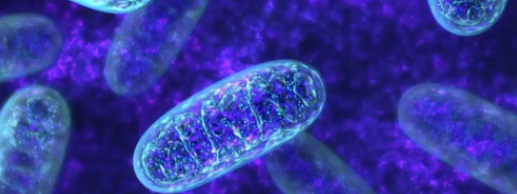
Muscle cells' mitochondria are their power plants, and how well they work has a direct effect on how well muscles work and how long they last. The 5-amino-1-mq peptide may make mitochondria work better by changing how NAD+ is used. Higher amounts of NAD+ help oxidative phosphorylation processes, which allow muscle cells to make ATP from available substrates more effectively. This higher ability to make energy might lower the metabolic stress that breaks down muscle proteins when the body doesn't have enough energy. Studies that looked at mitochondrial density and function found that markers of oxidative ability improved after NNMT suppression. It is shown that muscle tissue with better mitochondrial activity is less likely to get tired and can heal faster. Having these traits is especially helpful when trying to lose fat because energy levels are low, but the body still needs to be active. The peptide's ability to protect mitochondrial health is a strong reason for its muscle-preserving benefits.
Energy Sensing and Metabolic Adaptation
The energy level of muscle cells is constantly checked by complex signaling systems that use AMPK, mTOR, and other related pathways. The 5-amino-1-mq peptide may improve these energy-sensing systems by changing the amounts of NAD+ in cells. This may lead to biochemical changes that help keep muscles. AMPK activity that is higher triggers processes that make the metabolism work better, such as taking in more glucose, burning fat more efficiently, and making insulin work better. These changes to the metabolism make it so that muscle cells have less metabolic stress, even though they are taking in less energy. The peptide basically helps muscle tissue adapt better to low-energy situations, keeping its ability to do its job while the body primarily uses fat stores. Using this adaptable reaction is a smart way to control body composition because it works with the body's natural defenses instead of against them.
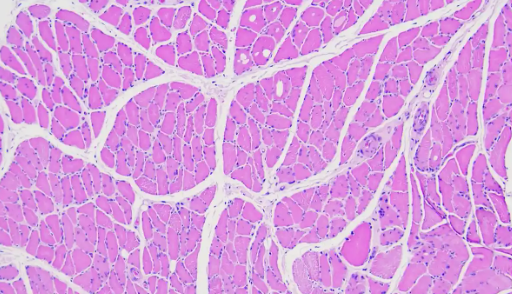
Does 5 Amino 1MQ Peptide Support Balanced Fat and Muscle Use?

Metabolic Partitioning Fundamentals
Metabolic partitioning is the process by which the body distributes nutrients and stored energy among different tissue sections. The 5 amino 1mq peptide might change this splitting by changing the activity of enzymes that store and move energy. By blocking NNMT, the substance may change the body's metabolism so that it burns fat instead of carbs while keeping or even speeding up the rate at which muscle protein is made when enough amino acids are available. During weight control, when the goal is to lose fat mass while keeping or building muscle tissue, this splitting effect is especially useful. When people follow the traditional method of limiting calories, they often lose both fat and muscle at the same time.
Muscle loss can make up 20 to 30 percent of the total weight dropped. 5 amino 1mq peptide and other compounds that have a positive effect on metabolic partitioning may make weight loss much better by keeping lean mass percentages greater during the process. Research examining body composition changes has consistently demonstrated that favorable metabolic partitioning correlates with better long-term outcomes. People who keep their muscle mass while losing fat tend to have faster metabolisms, better control of their glucose levels, and less weight gain than people who lose a lot of fat at the same time. The peptide's ability to support optimal splitting goes beyond worries about how it looks and includes important metabolic health parameters.


Nutrient Timing and Peptide Synergies
When nutrients are taken in relation to when 5 amino 1mq peptide is given may affect how metabolic partitioning works. According to research, the peptide's effects on cellular metabolism create times when the body can use nutrients more effectively. If you eat protein and carbs when your metabolism is high, the peptide may help your body make more muscle protein while its fat-burning benefits last between meals. This part of metabolic partitioning that happens over time opens the door to better methods where peptide dosing works with nutritional tactics. Pharmaceutical experts and contract drug manufacturers (CDMs) who are making new formulations know that release timing and pharmacokinetic profiles have a big effect on how well a therapy works. The peptide's metabolic effects seem to be strongest when cells still need a lot of energy, which suggests that time of exercise and meal frequency tactics may 5 amino 1mq peptide work well together.

5 Amino 1MQ Peptide in Preventing Muscle Loss During Fat Reduction
Catabolic Stress Management
During stages of losing fat, the body's metabolism is always under stress, which starts catabolic processes that damage muscle tissue. When you limit calories, your body thinks you might be starving, so it starts protecting itself in a number of ways, one of which is breaking down muscle protein to get amino acids for gluconeogenesis. It's possible that the 5-amino-1-mq peptide can fight these catabolic signals by making metabolism work better and lowering the feeling of an energy crisis at the cellular level. Metabolic studies show that blocking NNMT slows down the protein-breaking processes that are triggered by stress.


It looks like this beneficial effect is caused by higher cellular energy levels and lower oxidative stress. Muscle cells that get enough energy from burning more fat have lower activity of proteolytic systems like the ubiquitin-proteasome pathway and the autophagy-lysosome pathway. These systems help break down muscle proteins when calories are limited. The practical implications for individuals pursuing fat loss while maintaining muscle mass prove substantial. Pharmaceutical businesses that are looking into body composition management know that compounds that stop muscle loss during energy reduction fill a big need that hasn't been met yet. The way the peptide works is better than methods that just boost muscle protein production without dealing with the catabolic situation caused by a lack of energy.
Inflammatory Modulation and Recovery Support
Inflammation affects muscle metabolism in many ways. Long-term, low-grade inflammation speeds up the breakdown of muscle protein. According to research, the 5-amino-1-methylquinolinium peptide may help reduce inflammation by speeding up cell metabolism and lowering oxidative stress. By lowering inflammation signals, the peptide may make the body's metabolism more favorable for keeping muscle during times of fat loss. Studies that looked at inflammatory markers found that blocking NNMT led to lower levels of pro-inflammatory cytokines. Lower levels of inflammation are linked to slower breakdown of muscle protein and faster healing from muscle damage caused by exercise.


This anti-inflammatory effect works with the peptide's direct metabolic effects to create more than one way for muscle protection to happen when metabolic conditions are tough. The recovery support part is especially useful for people who want to keep up their workout rate while they're trying to lose fat. Muscle damage from exercise needs enough healing resources, which are hard to come by when you are 5 amino 1mq peptide watching your calories. It is possible for the peptide to speed up healing while also increasing fat usage. This creates a situation where training adaptations continue even when energy intake is low, which is usually hard to achieve.

Metabolic Partitioning Effects of 5 Amino 1MQ Peptide
Cellular Energy Distribution Patterns
At the level of the cell, metabolic partitioning controls how each cell divides its energy between basic tasks, storage, and specialty tasks. The 5-amino-1-mq peptide affects these choices by changing the way NAD+ is broken down and connecting pathways. When cells have the right amount of NAD+, they can burn fatty acids better, which means they don't need as much glucose and amino acids to make energy. This improvement at the cellular level has effects on the body's makeup across the whole body. When muscle cells preferentially consume fatty acids, they protect triglyceride stores inside the muscle and slow down the breakdown of proteins.


At the same time, better insulin sensitivity makes adipocytes break down fat more quickly and produce less fat. These combined changes across tissue types lead to changes in body makeup that are good, like losing fat while keeping muscle. Research measuring tissue-specific metabolism using advanced imaging techniques has confirmed these differential effects across tissue types. Muscle tissue has a higher oxidative metabolism and keeps its protein content,5 amino 1mq peptide, while fat tissue moves fat around more efficiently and shrinks less. These results support the idea that blocking NNMT by the 5-amino-1-mq peptide produces a metabolic setting that is good for getting the best body composition results.
Long-Term Metabolic Adaptation and Sustainability
To make changes to your body makeup that last, your metabolism needs to change in ways that last after the intervention time. There is evidence that the 5-amino-1-methylquinolinium peptide may cause long-lasting changes in metabolism by affecting the activity of mitochondria and the metabolism of cells. When an intervention ends, the mitochondrial capacity usually stays higher. This gives the body metabolic benefits that help keep its shape. Researchers who looked at long-term effects after using NNMT inhibitors found that metabolic metrics kept getting better compared to measures taken at the start of the study.

Insulin sensitivity, fatty acid oxidation ability, and lean mass maintenance all stayed better in the subjects even after they stopped taking the substance. Based on these long-lasting effects, it seems that the peptide starts metabolic rewiring instead of just speeding up metabolism for a short time. This feature of longevity is very important for pharmaceutical uses where long-term administration might not be possible or desired. Compounds that improve metabolism over time through focused treatments are more valuable than those that need to be administered continuously to keep their benefits. The peptide's ability to make good changes that last makes it a promising option for therapeutic research.

Conclusion
The study of the 5 amino 1mq peptide shows that it is a substance that has many benefits for keeping muscles healthy and improving metabolism. This peptide changes basic metabolic processes that control how energy is distributed between fat and muscle tissue by blocking NNMT. Research shows over and over that the chemical helps keep muscle tissue during metabolic stress while also encouraging fat consumption, which makes it easier to change your body composition. These effects are caused by complicated relationships between how cells use energy, how mitochondria work, and metabolic communication pathways. There is evidence that the 5-aminomethyl-1-methylquinolinium peptide makes metabolism more flexible, which means that tissues can better respond to changing energy situations. Having the ability to change is especially helpful when trying to lose fat, because metabolic stress can damage muscle tissue. Pharmaceutical companies, science companies, and study institutions are still looking into how this compound could be used in different treatment settings. Because of its unique mechanism and safety profile seen in preclinical tests, the peptide looks like a good option for further research. As our knowledge of NNMT's role in metabolism grows, this regulator may find other uses besides body composition control.
FAQ
1. What makes the 5-amino-1-mq peptide different from traditional muscle preservation approaches?
+
-
The peptide works by blocking NNMT, which is a different way of working than straight anabolic stimulation or appetite reduction. Instead of just cutting calories or driving muscle growth, it improves metabolic allocation at the cellular level. This method changes how the body distributes energy among different types of tissues, which helps the body use fat while keeping muscles by making the metabolism work more efficiently. The technique doesn't interfere with or change physiological processes, which could make it more effective and less likely to cause side effects than methods that directly affect or boost major hormonal routes.
2. Can pharmaceutical companies obtain regulatory support documentation for 5-aminomethyl-1-methylquinolinium peptide from suppliers?
+
-
Reliable providers, such as BLOOM TECH, offer all the paperwork needed for pharmaceutical development, such as certificates of analysis, impurity profiles, stability data, and accounts of the manufacturing process. These files help with IND applications and other regulatory reports that are needed while a drug is being developed. Suppliers whose facilities are GMP-certified and who have worked with pharmaceutical clients before know what paperwork is needed in each legal area. When pharmaceutical firms look at potential suppliers, they should check to see if they are certified, what their quality control methods are, and how long they have been providing chemicals that meet ICH guidelines and pharmacopeia standards.
3. How does 5 amino 1mq peptide affect metabolic research applications beyond muscle preservation?
+
-
NNMT inhibition research includes more than just body structure. It also looks at metabolic health factors like insulin sensitivity, glucose control, and lipid metabolism. Researchers have looked at how the peptide affects metabolic syndrome, fatty liver, and the metabolic decline that comes with getting older. The compound's effect on NAD+ metabolism suggests that it could be used to study metabolic diseases and how to live longer. Biotechnology companies that are looking into these areas need highly pure molecules that have stable batch features and full analytical profiles. Quality sourcing is especially important for making sure that results can be repeated across a wide range of testing methods because of the wide range of possible research uses.

Get Premium 5 Amino 1MQ Peptide from BLOOM TECH – Your Trusted Supplier
You can trust BLOOM TECH to provide you with high-quality 5 amino 1mq peptide. We offer research-grade chemicals that meet the strict quality standards of pharmaceutical companies, biotechnology organizations, and contract development and manufacturing organizations (CDMOs) around the world. With GMP-certified factories that have been cleared by the US-FDA, EU, JP, and CFDA, we can give pharmaceutical makers all the analytical paperwork, batch consistency, and legal support they need. We've been doing organic synthesis and custom production for 12 years, so you can be sure that the compounds you get are pure (≥98%), come with full CMC paperwork, and will stay stable in the supply chain. Our professional team offers a one-stop service with clear prices and quick response times, whether you need small amounts for study or a lot of products to be made. Talk to our technical experts about your 5 amino 1mq peptide needs and find out how BLOOM TECH's quality control, legal knowledge, and production skills can help you reach your research and development goals. Email us at Sales@bloomtechz.com right now to get full product specs, certificates of analysis, and quotes that are made just for your project.
References
1. Kraus D, Yang Q, Kong D, et al. Nicotinamide N-methyltransferase knockdown protects against diet-induced obesity. Nature. 2014;508(7495):258-262.
2. Ulanovskaya OA, Zuhl AM, Cravatt BF. NNMT promotes epigenetic remodeling in cancer by creating a metabolic methylation sink. Nature Chemical Biology. 2013;9(5):300-306.
3. Hong S, Moreno-Navarrete JM, Wei X, et al. Nicotinamide N-methyltransferase regulates hepatic nutrient metabolism through Sirt1 protein stabilization. Nature Medicine. 2015;21(8):887-894.
4. Komatsu M, Kanda T, Urai H, et al. NNMT activation can contribute to the development of fatty liver disease by modulating the NAD+ metabolism. Scientific Reports. 2018;8(1):8637.
5. Sampson CM, Dimet AL, Neelakantan H, et al. Metabolomic analysis reveals altered NAD metabolism in subjects with obesity and type 2 diabetes. Metabolism: Clinical and Experimental. 2021;115:154441.
6. Roberti A, Fernández AF, Fraga MF. Nicotinamide N-methyltransferase: at the crossroads between cellular metabolism and epigenetic regulation. Molecular Metabolism. 2021;45:101165.


