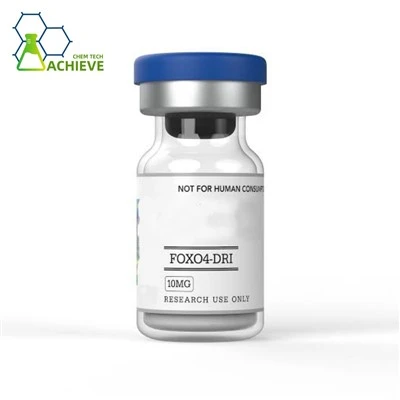

In the past few years, metabolic science has made a lot of progress, especially in learning how small molecules affect how much energy is used and how adipose tissue is controlled. 5 amino 1MQ peptide has become one of the most interesting of these molecules for scientists. A lot of work has gone into figuring out how this peptide works in biological systems by researchers who are studying fat and metabolic pathways. Because the substance has a unique effect on cellular metabolism, it has been used in many studies to help reduce fat. Scientists are still looking into different ways to fix metabolism problems and stop people from gaining too much fat. Traditional methods have provided foundational knowledge, but new study tools are opening up new ways to learn more. The peptide we're talking about here is one of these tools that labs all over the world use to learn more about the complicated processes that control how lipids are stored and used. Understanding how it works gives us a better understanding of how metabolism works in general. The need for high-purity study materials rises as pharmaceutical development teams and research institutions look for molecules they can trust for their experiments. This study looks into what part the 5-amino-1MQ peptide plays in metabolic studies, how it adds to modern research on fat loss, and what new evidence shows about its experimental uses.

1.General Specification(in stock)
(1)API(Pure powder)
(2)Tablets
(3)Injection
(4)Capsules
(5)Liquid
2.Customization:
We will negotiate individually, OEM/ODM, No brand, for secience researching only.
Internal Code:KP-3-5/002
NNMTi CAS 42464-96-0
Molecular formula: C10H11N2.I
HS code: N/A
Molecular weight: 286.11
EINECS number: 464-196-0
Main market: USA, Australia, Brazil, Japan, Germany, Indonesia, UK, New Zealand , Canada etc.
Analysis: HPLC, LC-MS, HNMR
Technology support: R&D Dept.-4
We provide 5-Amino-1MQ peptide injection, please refer to the following website for detailed specifications and product information.
Product:https://www.kpeptide.com/peptides-healthy/5-amino-1mq-peptide-injection.html

How Is 5 Amino 1MQ Peptide Used in Fat Reduction Research Models
Understanding the Peptide's Mechanism in Research Settings

5-amino-1MQ peptide is mostly used by scientists to study the function of the nicotinamide N-methyltransferase (NNMT) enzyme. This enzyme is very important for cell respiration, especially for how cells use and store energy. Researchers can see how changing the activity of NNMT affects metabolic pathways that control how much fat is stored and how much energy is used by the body. Scientists can separate and study these specific biological processes because the peptide acts as a screening agent. Studies in the lab that use this compound usually use controlled experimental models that let researchers carefully measure metabolic factors.
Researchers give the peptide in different doses to see how the cellular energy production changes with dose. In these kinds of studies, factors like mitochondrial activity, cellular respiration rates, and metabolic substrate usage are often looked at. Scientists can learn more about how cells control energy balance by looking at the data that was collected. It can be used for more than just viewing. Researchers can test their ideas about metabolic flexibility and adaptive thermogenesis by using methods that include this peptide. When cells' NNMT activity changes, they have to change how they use energy, which shows us about backup routes and control systems. Having this information helps us understand metabolic resistance and disorders.

Research Model Design and Experimental Protocols

Using the 5-amino-1MQ peptide in study models needs careful planning of the experiments. Scientists have to think about things like the quality of the peptide, how it will be stored, how it will be administered, and when it will be given. High-quality research-grade material makes sure that results can be repeated and that confusing factors are kept to a minimum. Laboratories that work with metabolic chemicals really appreciate sources that give them a lot of scientific information, like HPLC profiles and mass spectrometry data. In studies on fat loss, different research methods are used for different reasons. Researchers can look at direct cellular reactions in cell culture setups without having to deal with complicated organismal variables.
For these in vitro studies, controlled settings are used to separate and study specific metabolic processes. Scientists watch changes in how lipid droplets form, how cellular energy monitors like AMPK work, and how genes are expressed that are connected to fat metabolism. Tissue preparations and ex vivo methods that keep some physiological context while letting the experimenter change them are used in more complicated models. These methods are between studying whole organisms and studying simpler cellular systems. The way the peptide acts in these situations helps researchers figure out how metabolism at the 5 amino 1MQ peptide tissue level might react. This information links molecular processes to bodily results.


5 Amino 1MQ Peptide Role in Lipid Metabolism and Fat Breakdown Studies
Exploring NNMT and Metabolic Regulation
The connection between NNMT enzyme activity and lipid metabolism is the basis for figuring out how the 5-amino-1MQ peptide works in study settings. NNMT speeds up the methylation of nicotinamide, which changes the amount of key biochemical cofactors that are available.
Nicotinamide adenine dinucleotide (NAD+) is an important ingredient in many metabolic processes, such as those that break down fat and make energy. NNMT activity changes cause NAD+ levels to change, which has affects that spread through the metabolism of cells.
Researchers have found a link between changes in NNMT expression and changes in how fatty tissue works and how the body's energy balance works. When NNMT activity is high, adipocytes have different metabolic patterns than when production is low.
These differences show up in how much fat the body can store, how sensitive it is to insulin, and how thermogenic genes are expressed. Scientists can use substances that change NNMT to test experimentally what these relationships mean in terms of function.
This peptide affects an enzyme system that works with a number of other metabolic factors. AMPK activity, sirtuin function, and mitochondrial production are all linked to the amount of NAD+ that is available.
Because of this, studying NNMT regulation gives you information about many metabolic processes at the same time. Researchers can see how changes in one metabolic node affect systems that are connected to it. This shows that cellular energy management is very integrated.
Cellular Fat Breakdown Mechanisms
A very important part of fat metabolism is lipolysis, which breaks down stored triglycerides into fatty acids and glycerol. Using the 5-amino-1MQ peptide in research helps scientists figure out what controls the rate of lipolysis.
When NNMT regulation changes the metabolic state of cells, their lipolytic machinery reacts in the same way. Lipolysis is usually sped up by hormones like epinephrine and signaling molecules like cAMP.
However, the metabolic state of the body affects how well these signals lead to fat breakdown. Studies that look at the movement of lipid droplets show how changes in metabolism affect the way cells store fat.
Triglycerides are stored in cells and can only be accessed by proteins called perilipins that cover lipid droplets. Changes in metabolism caused by experimental chemicals can change how these regulatory proteins work and how they are expressed.
When biochemical data are added to microscopic research, they give a full picture of how cellular fat stores react to metabolic difficulties. Net fat buildup is based on the balance between lipogenesis (the process of making fat) and lipolysis.
Scientists can look at both sides of this problem using research models that use metabolic modulators. Studies of gene expression show changes in enzymes like fatty acid synthase and acetyl-CoA carboxylase that help make fat.
At the same time, researchers measure hormone-sensitive lipase and adipose triglyceride lipase, two enzymes that break down fat. This two-sided view makes it clear whether the effects seen are caused by less synthesis, more breakdown, or both.

What Do Fat Reduction Studies Reveal About 5 Amino 1MQ Peptide
Mechanisms Uncovered Through Experimental Evidence

A recent study has shed light on several ways that changing NNMT changes the metabolism of fat. Studies show that decreasing NNMT activity raises the amount of NAD+ in cells, which turns on sirtuins and proteins that control the production of metabolic genes. This action leads to better mitochondrial function and more fat being burned. Researchers can use controlled experiments to find these direct connections thanks to the peptide that is used to change NNMT. Different gene expression patterns can be seen in adipose tissue from experimental models whose NNMT activity has been changed. Genes that help burn fat may become more active, while genes that help store fat may become less active. This change in transcriptional control shows that metabolic therapies can greatly affect how adipose tissue works.
RNA sequencing and microarray studies make detailed maps of these changes in gene expression, showing links between biochemical pathways that were not known before.The links between inflammation and metabolic health are complicated, and researchers are still trying to figure them out. Studies show that metabolic problems in fat tissue often happen at the same time as inflammation signals. When researchers use experiments to study metabolism, they sometimes get anti-inflammatory results as a side effect. To study these relationships, researchers check the amounts of cytokines, the number of immune cells that enter, and the expression of genes that cause inflammation. Figuring out these links helps explain why metabolic interventions might have effects other than just lowering fat.

Translational Insights from Laboratory Models

Findings from lab studies help us understand metabolic 5 amino 1MQ peptide control in a wider way, even though they are mostly used in research settings right now. Changing the NNMT pathway in animal models has been shown to cause observable changes in body structure and metabolic health factors. Body weight, fat mass, lean mass, glucose tolerance, and insulin sensitivity are often measured in these kinds of studies. The results help show that metabolic pathways could be used as possible targets for interventions. Comparative works using various experimental methods show that the main results are consistent, while context-dependent variables are brought to light.
The outcomes of cell cultures usually match up with observations made at the tissue level, which in turn match up with outcomes seen in the whole organism. This cross-validation makes it easier to believe in the biology behind it. But experts have also found things that are different between systems, like hormonal effects and contact between organs that only happen in whole animals. As more study groups around the world share results about NNMT and metabolic control, the body of scientific literature keeps growing. Meta-analyses and review papers take data from many studies and put it all together to find strong results that hold up in different labs and situations. As more and more information comes in, it becomes easier to see how certain metabolic pathways work and how they could be changed for research reasons.


Why Researchers Use 5 Amino-1MQ Peptide in Body Fat Research
Advantages in Experimental Design
For metabolic studies, researchers choose the 5-amino-1MQ peptide because it has a number of useful and scientific benefits. Because the substance only reacts with NNMT, it can be used to study this enzyme's role without having a big impact on other biological processes.
This selection cuts down on factors that can throw off the results of an experiment, making it easier to understand what happened. Scientists get a better sense of how biological systems work when they can link the effects they see to a specific molecular target.
The chemical features of the peptide make it easier to use in a number of different testing methods. Because of how they dissolve, you can make stock solutions with the right amounts for biochemical and cellular tests.
Because the substance is stable in normal lab settings, researchers can work with it without worrying too much about it breaking down. These real issues have a big effect on the possibility and repeatability of an experiment.
Dose-response patterns tell us a lot about how biological processes work. The peptide's activity profile at different amounts helps researchers figure out the best dose for each experiment.
Complementary Research Tools and Approaches
These days, metabolic studies don't depend on just one substance or method. Multiple methods are used by scientists to get a full picture of things. Genetic methods, like knocking out or overexpressing the NNMT gene, work well with drug methods that use substances like the peptide we've been talking about here.
When you look at the results of genetic and drug treatments side by side, you can tell the difference between specific effects and off-target or compensatory reactions.
To describe metabolic effects, different types of analytical methods are used, from simple chemistry tests to cutting-edge omics technologies. Lipidomics looks at the whole lipid makeup in cells or tissues and shows how certain lipid species have changed.
By measuring hundreds of molecules at the same time, metabolicomics gives us a bigger picture of how metabolic pathways work. Proteomics looks at trends of protein production and modification.
When these all-around methods are used, they create large datasets that can be mined for trends and insights using computer analysis. Adding temporal dynamics to metabolic studies gives it a new angle.
You can tell the difference between direct and secondary effects by watching how quickly things change after an action. Time-course studies look at metabolic markers at different times, showing the order of events that happen after metabolic changes.
Some changes happen right away, which means they are direct reactions, while others happen over days or weeks, which means they are adaptable or compensatory.

Experimental Applications of 5 Amino-1MQ Peptide in Metabolic Studies
Investigating Metabolic Flexibility and Adaptation

Metabolic flexibility is when cells and animals can change how they use food based on the 5 amino 1MQ peptide, which they need, and what is available. Using the 5-amino-1MQ peptide in research helps us understand this ability to change. When NNMT regulation changes metabolic conditions, cells have to change the fuels they use and the way they use them. The respiratory quotient, which is the percentage of carbon dioxide created to oxygen used, shows whether cells burn mostly fats or carbs. Metabolic switching between fed and hungry states is studied to see how metabolic changes affect adaptability. When cells are hungry, they tend to burn glucose and store fat. When you fast, your body starts to burn fat instead of storing it.
When the NNMT activity is changed in experimental models, they sometimes have more metabolic flexibility and can switch between food sources more easily.This ability to change may lead to better digestive health in some situations. Researchers are also looking into how metabolic response affects the ability to handle stress. Cells with strong metabolic ability can handle a wider range of stresses, such as not getting enough nutrients, oxidative stress, and inflammation problems, better. Experiments that put cells through controlled conditions and check their survival and function show whether metabolic interventions make them more resilient. These studies show how cellular metabolism is related to bigger ideas about health and being able to fight off disease.

Examining Inter-Organ Metabolic Communication

Cellular and tissue studies give us basic information, but whole-organism metabolism is more complicated because it includes parts talking to each other. Organs like adipose tissue, liver, muscle, and others send and receive messages that keep the body's energy balance in check. Research models that let you watch these exchanges give you information that you can't get from systems that aren't connected to each other. Adipokines are hormones that are released by fat tissue. They are one way that researchers look at how cells can talk to each other. When the metabolism of fatty tissue changes, the amounts of leptin, adiponectin, and resistin also change.
These factors change how insulin works, how much energy cells use, and how much food we eat. Checking the levels of adipokines in the blood in lab models shows how changes in fat tissue metabolism have effects on the whole system. The movement of metabolic byproducts between organs is another way that metabolism works together. Fatty acids produced from adipose tissue are taken in by the liver and processed in a number of ways, such as through oxidation, ketogenesis, or re-esterification. Muscle tissue can use both glucose and fatty acids as fuel, but how they are used depends on the body's metabolism and hormones. Following marked metabolites through these paths creates a picture of the metabolic links between organs that control energy balance in the whole body.


Conclusion
Scientists are still learning more about how fats are burned and how energy is controlled by looking into metabolic pathways using experimental chemicals. Researchers using the 5 amino 1MQ peptide have learned a lot about how NNMT works and what role it plays in maintaining metabolic balance. From cell studies that look at how lipid droplets move to full metabolic tracking in complicated laboratory models, this research tool lets scientists learn more about basic biological processes. Scientists in biotechnology companies, pharmaceutical companies, research institutions, and specialized labs all depend on high-quality substances to make their tests useful. The accuracy of study results rests a lot on the quality of the materials used, the reliability of the supply, and the accuracy of the analysis. As metabolic research moves toward real-world uses, the foundation built through careful lab studies is more and more critical. More research into metabolic regulation should show more ways that energy balance, fat storage, and metabolic health are controlled. Each study adds a piece to a big puzzle that slowly makes it clearer how biological systems use energy and how problems with that management lead to metabolic diseases. Research chemicals that let us look into specific pathways are still very important to this ongoing science project.
FAQ
What purity level should researchers expect for 5-amino-1MQ peptide used in metabolic studies?
+
-
High-quality materials for research should be very pure, usually ሸ 98%, as shown by several different testing methods. Batch-to-batch consistency makes sure that studies can be done again and again, even over time and by different study groups. For release and regulatory filing, proof of the compound's identity, purity, and stability is needed.
How should laboratories store 5-amino-1MQ peptide to maintain stability?
+
-
Compound purity and biological function are protected by proper storage. Peptides should be stored at -20°C or below in firmly sealed containers that block light and moisture. Most lyophilized powders are more stable than liquids. Aliquoting once-use quantities after reconstitution prevents quality loss from freeze-thaw cycles. Following the supplier's stability test recommendations ensures the greatest material performance throughout the trial.
What analytical documentation supports research applications of this peptide?
+
-
HPLC chromatograms verify purity, mass spectrometry data validate molecular weight and structure, and certificates of analysis describe batch-specific quality variables. Some applications need further testing, such as peptide sequence, residual liquid, or endotoxin. Research institutes and pharmaceutical companies must demonstrate controlled study and peer-reviewed journal materials.
Partner with BLOOM TECH for Your 5 Amino 1MQ Peptide Research Needs
For science to progress, it needs to work with companies that know what researchers need and can provide things that meet the highest standards. Pharmaceutical companies, science study groups, and academic institutions all over the world trust BLOOM TECH to provide them with high-quality 5 amino 1MQ peptide. Our production sites are GMP-certified and have been through thorough reviews by the US-FDA, the PMDA, and the EU. This makes sure that the materials meet international quality standards. We know that the success of research relies on the purity of the compounds, the uniformity of the batches, and full analytical data. Triple-verification testing is part of our quality assurance procedures. It happens during production, in our QA/QC department, and by approved independent labs. This strict method makes sure that materials meet written standards and helps researchers get the same results over and over again. We offer full returns for any materials that don't meet the agreed-upon standards. This shows that we care about our customers' success.
In addition to quality, we offer clear pricing and dependable supply lines that 5-amino-1MQ peptide help study projects stay on schedule. Our skilled technical team helps experts one-on-one by helping them choose the right materials and giving them advice on how to handle and store them. With more than 250,000 chemical substances to choose from and the ability to customize on a small or large scale, BLOOM TECH is a one-stop shop for metabolic research and drug development projects. We can meet your needs because we have worked with 24 big international pharmaceutical and biotechnology companies on projects ranging from early-stage exploratory research to advanced development that needs regulatory documentation. Researchers and people who work in buying are welcome to talk about how BLOOM TECH can help your metabolic research projects. Email our team right now at Sales@bloomtechz.com.
References
1. Komatsu M, Kanda T, Urai H, et al. NNMT activation can contribute to the development of fatty liver disease by modulating the NAD+ metabolism. Scientific Reports. 2018;8(1):8637-8649.
2. Kraus D, Yang Q, Kong D, et al. Nicotinamide N-methyltransferase knockdown protects against diet-induced obesity. Nature. 2014;508(7495):258-262.
3. Ullrich S, Münzberg H, Lachnit N, et al. Nicotinamide N-methyltransferase: A new player in adipose tissue inflammation and metabolic dysfunction. Biochemistry and Biophysics Reports. 2019;19:100662-100671.
4. Hong S, Moreno-Navarrete JM, Wei X, et al. Nicotinamide N-methyltransferase regulates hepatic nutrient metabolism through Sirt1 protein stabilization. Nature Medicine. 2015;21(8):887-894.
5. Pointner A, Stadlbauer V, Stiegler P, et al. NNMT promotes adipose tissue function and metabolism through SAM consumption and NAD+ biosynthesis. Molecular Metabolism. 2020;42:101092-101105.
6. Brachs S, Polack J, Brachs M, et al. Genetic nicotinamide N-methyltransferase inhibition improves diet-induced metabolic syndrome through enhanced adipose tissue thermogenesis. Diabetes. 2019;68(2):389-401.