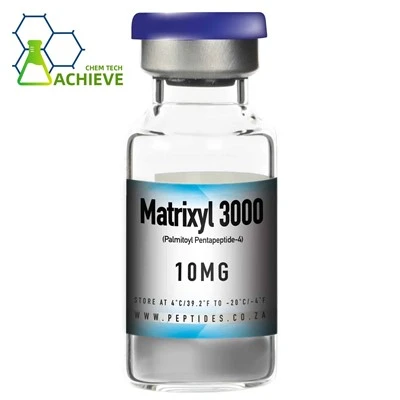

Many people seeking long-term weight reduction and wellness concentrate on metabolic health. Metabolic research is interested in 5 amino 1mq peptide, a novel bioactive molecule that may change enzymes to increase energy use. A small-molecule inhibitor inhibits nicotinamide N-methyltransferase (NNMT), an enzyme increasingly linked to cellular metabolism and fat formation.
5 amino 1mq peptide differs from metabolic therapies that lower appetite or inhibit macronutrient absorption. Overexpressing NNMT may cause metabolic dysfunction by lowering NAD⁺ levels in cells, which this chemical can enhance by blocking its effect. Increased NAD⁺ levels trigger ageing-related pathways, such as the SIRT1 signalling cascade, which controls metabolic processes such as mitochondrial development, lipid oxidation, and inflammation.
To understand how 5 amino 1mq peptide affects energy use, we must analyse cellular processes, thermogenic activity, and metabolic coordination. This study shows why researchers think this chemical might fix fat-related metabolic disorders by restoring energy balance instead of cutting calories.

1.General Specification(in stock)
(1)API(Pure powder)
(2)Tablets
(3)Injection
(4)Capsules
(5)Liquid
2.Customization:
We will negotiate individually, OEM/ODM, No brand, for secience researching only.
Internal Code:KP-3-5/002
NNMTi CAS 42464-96-0
Molecular formula: C10H11N2.I
HS code: N/A
Molecular weight: 286.11
EINECS number: 464-196-0
Main market: USA, Australia, Brazil, Japan, Germany, Indonesia, UK, New Zealand , Canada etc.
Analysis: HPLC, LC-MS, HNMR
Technology support: R&D Dept.-4
We provide 5-Amino-1MQ Peptide Injection, please refer to the following website for detailed specifications and product information.
Product:https://www.kpeptide.com/peptides-healthy/5-amino-1mq-peptide-injection.html

How Does 5 Amino 1MQ Peptide Enhance Basal Metabolic Rate at the Cellular Level?
5 amino 1mq peptide increases mitochondrial basal metabolic rate. NNMT transforms nicotinamide to N-methyl-nicotinamide using NAD⁺ as a cofactor. In lower metabolic performance, increasing NNMT decreases NAD⁺, limiting mitochondrial oxidative phosphorylation efficiency. Tests indicate that blocking NNMT with a 5 amino 1mq peptide boosts NAD⁺ levels in cells by 30-50% in fatty tissue.Immediate NAD⁺ replenishment improves mitochondrial respiratory chain function. All enzymes in Complex I-V must cycle NAD⁺ and NADH for efficient electron transport. Electron transport efficiency boosts ATP and oxygen usage.


Both suggest high metabolism. Lab experiments show that 5 amino 1mq peptide-treated cells use more oxygen, suggesting faster respiration and energy generation.
Increased NAD⁺ levels may improve lung function and mitochondrial development by activating the PGC-1α pathway. This transcriptional coactivator increases mitochondrial development and cell energy. Improved mitochondrial efficiency and density boost basal metabolic rate. This makes the body utilise more energy at rest.
The 5-amino-1-mq peptide boosts NAD⁺, activating SIRT1, a key metabolic regulator. Multiple energy-metabolising protein targets are altered by SIRT1. A coordinated metabolic shift toward catabolism releases energy. Enzyme activity boosts fatty acid-burning genes and prevents fat-accumulating lipogenic pathways.Experiments show that SIRT1 activation impacts basal metabolic rate via many routes. The enzyme triggers mitochondrial formation signals by removing an acetyl group from PGC-1α. SIRT1 activates antioxidant enzyme and metabolic control protein genes by removing fatty acids from FOXO transcription factors.


All of these changes move cells' energy from storage to use. High basal metabolic rates are linked to this composition.
The metabolic reset changes substrate use. This 5 amino 1mq peptide helps cells burn fat instead of glucose. This metabolic flexibility is characteristic of fit people. Different from fat and insulin resistance, metabolic stiffness.
Protein production, breakdown, and cell health need energy, which is frequently overlooked in basal metabolic rate. The metabolic activity generated by 5 amino 1mq peptide speeds up energy-intensive activities. Autophagy, the process by which cells recycle damaged proteins and structures, is accelerated by SIRT1. This quality control method uses a lot of ATP, increasing energy usage.
Protein turnover increases with 5 amino 1mq peptide, notably in physiologically active areas. Skeletal muscle tissue accelerates protein production and breakdown. Resting energy utilisation is mostly from these mechanisms. Cellular maintenance operations provide long-term energy demands that don't go away, increasing 24-hour energy use beyond exercise's energy expenses.


5 Amino 1MQ Peptide and Thermogenic Pathway Activation in Energy Expenditure

Uncoupling proteins govern thermogenesis, which utilises a lot of energy without shaking. Researchers found that 5 amino 1mq peptide stimulates UCP1 production in brown adipose and white tissue. Changes increase thermogenicity. ATP production is separated from oxidative phosphorylation by UCP1. The proton gradient becomes heat instead of high-energy phosphate bonds.
Bypassing ATP generation, metabolic uncoupling turns calories into heat. 5 amino 1mq peptide increases thermogenic activity in brown adipose tissue by using more oxygen without creating as much ATP. Constant and moderate heat creation accounts for most of daily energy use, especially in cooler temperatures.
Brown white fat tissue is key. Signalled white adipocytes develop thermogenic machinery like UCP1 from stored energy. According to various studies, the 5 amino 1mq peptide promotes this genetic change, forming brown adipocytes that store energy and become thermogenic. This changes energy-storing tissue to energy-losing tissue, affecting energy balance.
The 5 amino 1mq peptide generates complicated sympathetic nervous system impulses for thermogenesis. There are many β-adrenergic receptors in brown and beige adipocytes. Both norepinephrine and epinephrine activate these receptors, starting thermogenic activities. Researchers found that 5 amino 1mq peptide metabolic boosts enhance catecholamine responsiveness.This increased awareness takes numerous forms. This 5-amino-1-mq peptide boosts β-adrenergic receptor signalling effectiveness by stimulating NAD⁺-dependent pathways. Heat responsiveness to physiological catecholamines increases.


By blocking NNMT, NAD⁺ levels increase, enhancing signalling pathways including cAMP generation and protein kinase A activation. Normal sympathetic nervous system function enhances thermogenic activation in metabolism-impaired circumstances.
In practice, stress and chores boost thermogenesis. The sympathetic nervous system increases thermogenesis when stimulated by exercise, cold, or eating. These factors affect NNMT-high persons less, lowering their daily energy needs. The 5-amino-1-mq peptide restores considerable thermogenic reactions, enabling the body to consume as much energy as before metabolic failure.
5 amino 1mq peptide influences skeletal muscle energy consumption, the body's major metabolic system, as well as adipose tissue thermogenesis. Skeletal muscle protein turnover, ion pump function, and substrate cycle impact basal metabolic rate. The metabolic boost from 5 amino 1mq peptide increases muscle energy-using systems.
Researchers found that 5 amino 1mq peptide enhances muscular fat-burning and mitochondrial function genes. Due to increased oxidation, resting and exercising may require more energy. Muscle mitochondria grow following treatment. Metabolic flux boosts tissue oxidative metabolism and heat generation.


Sarcolipin, a muscle-only protein, separates calcium transport from mechanical action. An additional metabolic thermal process. This protein converts ATP into heat during muscle calcium cycling, a non-shivering thermogenesis process. The metabolic benefits of 5 amino 1mq peptide may improve this muscle-based thermogenic system, but further study is needed.

What Metabolic Switches Are Triggered by 5 Amino-1MQ Peptide for Higher Energy Output?
The ability to move between food sources based on availability and bodily demands is crucial to metabolic health. This metabolic flexibility is restored by 5 amino 1mq, which enhances glucose and fat oxidation. Metabolic dysfunction makes cells prefer glucose and burn less fat. This characteristic is connected to obesity and insulin resistance.5 amino 1mq peptide increases beta-oxidation enzymes, which convert lipids into energy in mitochondria. SIRT1 and metabolic factors are activated. Additionally, the chemical improves insulin function, which helps the body absorb and utilise glucose when carbohydrates are available.


These two advances make the metabolism flexible enough to utilise any food source effectively.
In real life, this implies calories are utilised more effectively for quick energy rather than saved. Better glucose oxidation prevents feeding-induced fat transfer. Fasting and exercise improve lipid oxidation, which consumes fat for energy. When your metabolism is healthy, it may flip between metabolic states, which use more energy in each condition.
AMPK, a cellular energy sensor, activates when ATP levels drop below AMP levels. This enzyme switches from anabolic to catabolic activities to restore energy balance. The 5 amino 1mq peptide increases NAD⁺ and interacts with AMPK signalling, leading to increased energy usage in cells.The NAD⁺ and AMPK pathways communicate in many ways. SIRT1 directly deacetylates and activates liver kinase B1 (LKB1), which activates AMPK. Collaboration between NAD⁺-dependent and AMPK-dependent metabolic pathways accelerates food breakdown and energy production.


After 5 amino 1mq peptide administration, cells exhibit AMPK activation by increasing mitochondrial production, fatty acid oxidation, and decreasing lipogenesis.
SIRT1 and AMPK activation trigger a metabolic switch that increases energy usage for a long time. These channels speed up the short metabolic rate spike and affect how cells utilise energy to create more energy over time. The impact outlasts therapy, suggesting metabolic alterations are more persistent than pharmacological stimulation.
Controlling metabolism involves complicated organ interaction, notably between adipose tissue and the liver. 5 amino 1mq peptide impacts organ chemical communication in many ways. The chemical affects adipokine patterns in adipose tissue, which notify other tissues about metabolism. These altered instructions increase liver and muscle calorie burning, boosting metabolism.Because the liver is so crucial to metabolism, its response to 5 amino 1mq peptide therapy should be continuously monitored.


Researchers showed that the drug reduces liver cholesterol accumulation and boosts fatty acid burning. The direct effects of 5-aminomethyl-1-methylquinoline peptide on liver NNMT and the downstream effects of adipose tissue signalling increase liver metabolism.
Total energy usage increases as tissue metabolism improves. Better adipose tissue lipolysis provides fatty acids for liver and muscle energy. When you fast, your liver produces more ketone bodies due to greater metabolism. These fuel sources provide energy without glucose. The body uses more energy throughout this coordinated metabolic process's intricate systemic remodelling.

5 Amino 1MQ Peptide Role in Promoting Calorie-Burning Metabolic States
Circadian rhythms help our bodies utilise energy according to light-dark cycles. Circadian rhythm issues are connected to metabolic disorders and obesity. New research indicates that the 5 amino 1mq peptide regulates circadian metabolism via NAD⁺-dependent mechanisms. Regular changes in NAD⁺ levels occur throughout the day. SIRT1 and other NAD⁺-dependent enzymes maintain circadian rhythms in cellular metabolism.SIRT1 directly modulates circadian clock proteins by deacetylation, affecting gene expression. Increased NAD⁺ availability in the 5-amino-1-mq peptide may strengthen circadian rhythms, potentially increasing metabolic rate differences between night and day.


Energy balance is maintained by strong circadian cycles that regulate feeding, activity, and metabolism. High circadian amplitude is associated with metabolic health.
Circadian alignment boosts metabolism by timing calorie burn. Using more energy during the day and effectively at night creates a strong 24-hour energy balance. This metabolic structure across time is an essential element of energy utilisation that is frequently overlooked yet affects weight management.
Exercise may vary a lot in energy consumption. 5 amino 1mq peptide alters metabolism to make exercise simpler and increase energy usage. Better mitochondrial activity immediately improves aerobic performance, allowing you to exercise harder and burn more calories. Muscle tissue with stronger oxidative capacity works out longer and is less exhausted.
Metabolic therapy targeting NAD⁺ pathways enhances exercise performance, according to research. 5 amino 1mq peptide-fed animals exercised longer and recovered quicker. These alterations make it simpler for working muscles to employ oxidative metabolism and mobilise and use fat reserves for lengthy durations during exercise.
It means you burn more energy with the same effort. Exercise with a high metabolism burns more calories than exercise with a low metabolism. All daily physical activities-organised exercise, ordinary motions, and recreational activities-amplify this impact. This increases daily energy use.

Metabolic Elevation and Recovery Energy Costs After Exercise

Energy used during exercise is a minor percentage of calories burnt. Oxygen utilisation after exercise, dubbed "afterburn," boosts healing energy. 5 amino 1mq peptide strengthens this metabolic surge after exercise by increasing metabolic flexibility and speeding up exercise-induced cell repair.
5 amino 1mq peptide enhances mitochondrial activity, which boosts post-exercise stress response pathways. These adaptive responses include increased mitochondrial biogenesis, protein synthesis for muscle rehabilitation, and autophagy for cell cleaning. These energy-intensive activities boost metabolism long after exercise. Healing and adaptability need a lot of energy, making exercise utilise more energy.
Better recovery enables you to work out more frequently and for longer, giving your body more energy to utilise. Faster healers can train more without overtraining. This allows them to exercise and utilise more energy.

System-Wide Energy Expenditure Regulation Driven by 5 Amino 1MQ Peptide Activity
Chronic low-grade inflammation causes metabolic failure. Fatty tissue and liver inflammation worsen insulin resistance, damages mitochondria, and disrupt metabolic regulation. In particular, 5 amino 1mq peptide reduces inflammation and boosts metabolism and energy use.Anti-inflammatory properties are multifaceted. Activating SIRT1 inhibits NF-κB signalling, which regulates genes that induce inflammation. Reducing inflammatory cytokines improves liver and adipose tissue metabolism.
Research indicates that administering the 5 amino 1mq peptide to cells reduces pro-inflammatory indicators like TNF-α and IL-6 and boosts anti-inflammatory signalling molecules.
Resolving inflammation boosts metabolism and energy consumption. Inflammation reduces insulin signalling, limiting glucose uptake and forcing cells to seek less efficient metabolic paths. Moreover, inflammation directly damages mitochondrial function, reducing energy usage and oxidation. 5 amino 1mq peptide reduces metabolic brakes that inhibit energy burning by removing chronic inflammation, restoring powerful metabolic states that burn calories.
New research demonstrates complex links between metabolism and gut microbiota. By producing short-chain fatty acids, managing inflammation, and delivering metabolic signals, the microbiome alters the host's metabolism. There isn't much direct research on how 5 amino 1mq peptide influences the microbiome; however, indirect microbiome interactions may induce its metabolic consequences.Better host metabolism modifies gut substrates and environment to shift microbial composition. High-fat oxidation decreases blood triglycerides and inflammatory lipid species, which influences gut microbes.
When insulin sensitivity increases, glucose is handled differently, changing the gut bacteria's food sources. These host metabolic modifications favour beneficial bacterial populations over harmful ones.
Bacteria and metabolism communicate both ways. As the host's metabolism improves and the microbiome improves, bacterial compounds improve metabolism. Short-chain fatty acids from bacterial fermentation increase insulin sensitivity, reduce inflammation, and may affect energy usage. This positive feedback loop between the host's metabolism and the microbiome's composition enhances 5 amino 1mq peptide treatment's metabolic benefits.
Traditional weight loss methods emphasise appetite management and calorie reduction. 5 amino 1mq peptide method is unique since it burns more calories without reducing appetite. Research reveals that even with the same diet, metabolism increases. Energy balance adjustments are driven by greater expenditures, not reduced intakes.
This appetite-free method has several advantages. Caloric restriction alters metabolism, helping individuals lose weight. These include a lower basal metabolic rate, greater hunger signals, and less random activity. 5 amino 1mq may increase energy expenditure without compensatory responses to prolong metabolic benefits.
Hunger and energy hormones follow independent pathways. Some metabolic procedures influence both systems simultaneously, causing negative effects. The targeted NNMT suppression by the 5-amino-1-mq peptide mostly impacts energy-using pathways. Selectivity improves metabolism without the side effects of hunger reduction, making it medicinal.
Conclusion
Data on 5 amino 1mq peptide and energy usage demonstrates that it is a sophisticated metabolic regulator that may boost energy use via coordinated mechanisms. Blocking NNMT and restoring NAD⁺ levels in cells may prevent ageing, enhance mitochondrial function, increase thermogenesis, and improve metabolism, leading to increased energy usage daily.
Chemical processes make the medication operate differently from other weight reduction techniques. Instead of making you feel less hungry or preventing nutrient absorption, 5 amino 1mq peptide boosts metabolism, burning more calories naturally. Instead of concealing the symptoms, this treatment resolves the metabolic issues, which may lead to longer-lasting metabolic health improvements.
More is being researched about this intriguing material. There is considerable evidence of metabolic advantages in experimental models, and further study is being done to discover the optimum uses and long-term effects. For metabolic health researchers, clinicians, and companies, 5-amino-1-mq peptide offers a novel technique to boost energy expenditure and regulate metabolic dysfunction.
FAQ
Q1: How quickly does 5 amino 1mq peptide increase energy expenditure after administration?
Within hours, the metabolic effects start because blocking NNMT quickly raises the amounts of NAD⁺ in cells. Within a few days, measurable improvements in energy use usually show up as downstream signalling pathways become active and mitochondrial function improves. The most powerful effects happen over a period of weeks, as the body's metabolism changes in more ways, such as through mitochondrial biogenesis and fatty tissue pattern transformation. The time course changes depending on the person's metabolism, amount, and other bodily factors.
Q2: Does the 5-amino-1-mq peptide work equally well in all tissue types for energy expenditure enhancement?
Based on the starting amount of NNMT expression and metabolic features, different tissues show different reactions. Because NNMT mRNA is high in obese people, adipose tissue responds very strongly. There are big changes in the metabolism of liver cells, including better fatty acid combustion. Better mitochondrial activity and oxidative ability are good for skeletal muscle. Because NAD⁺-dependent pathways work throughout the body, they have a big impact on metabolism in many organs, which increases energy use all over the body.
Q3: Can the energy expenditure effects of 5-amino-1-mq peptide be sustained long-term?
Based on what we know now, metabolic changes that last during continued treatment are likely to happen. Instead of short-term drug stimulation, the processes involve basic changes in metabolism. Changes that last a long time and keep up high energy use include mitochondrial biogenesis, browning of fatty tissue, and healing of inflammation. Long-term studies with people are still needed to fully understand what sustainability is. Long-term metabolism results are likely to be best when 5 amino 1mq peptide is combined with lifestyle changes like healthy eating and regular exercise.

Your Trusted 5 Amino 1MQ Peptide Supplier: Partner with BLOOM TECH
Are you ready to find out how 5 amino 1mq peptide can help your study or product development? Bloom Tech is a dependable company that can provide you with 5 amino 1mq peptide. They have been in the business for over 12 years and are experts in organic synthesis and pharmaceutical intermediate making. Our production sites are in the US, EU, JP, and CFDA GMP-certified, so we know that every compound we send out is of the best quality.
We know that metabolic study and product creation need to be completely consistent, pure, and in line with regulations. That's why BLOOM TECH uses three levels of quality control: QA/QC in the plant, our own Quality Assurance Department, and approval from a third party. This makes sure that every batch meets international pharmaceutical standards. Because we are committed to long-term relationships and have clear pricing, you can get affordable rates without sacrificing quality.
As approved suppliers to 24 of the world's largest pharmaceutical and research companies, we've built our name on on-time deliveries, thorough paperwork for easy customs clearance, and quick technical help throughout the lifecycle of your project. Our production ability is flexible enough to meet your needs, whether you need small amounts for study or a lot of products for mass production.
Get in touch with our staff right away to talk about your 5 amino 1mq peptide needs. Email us at Sales@bloomtechz.com to find out how BLOOM TECH's knowledge can help you make metabolic study breakthroughs and product improvements faster.
References
1. Kannt A, Rajagopal S, Kadnur SV, et al. A small molecule inhibitor of Nicotinamide N-methyltransferase for the treatment of metabolic disorders. Scientific Reports. 2018;8(1):3660.
2. Kraus D, Yang Q, Kong D, et al. Nicotinamide N-methyltransferase knockdown protects against diet-induced obesity. Nature Communications. 2014;5:3238.
3. Ulanovskaya OA, Zuhl AM, Cravatt BF. NNMT promotes epigenetic remodeling in cancer by creating a metabolic methylation sink. Nature Chemical Biology. 2013;9(5):300-306.
4. Sambeat A, Gulyaeva O, Dempersmier J, et al. LSD1 interacts with Zfp516 to promote UCP1 transcription and the brown adipocyte program. Cell Reports. 2016;15(11):2536-2549.
5. Hong S, Moreno-Navarrete JM, Wei X, et al. Nicotinamide N-methyltransferase regulates hepatic nutrient metabolism through Sirt1 protein stabilization. Nature Medicine. 2015;21(8):887-894.
6. Roberti A, Fernández AF, Fraga MF. Nicotinamide N-methyltransferase: at the crossroads between cellular metabolism and epigenetic regulation. Molecular Metabolism. 2021;45:101165.