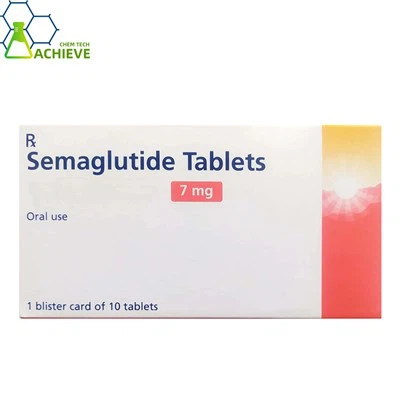
Tirzepatide Spray is a new drug formulation developed based on Tirzepatide. Tilpolide is the world's first glucose dependent insulin stimulating polypeptide (GIP) and glucagon like peptide-1 (GLP-1) dual receptor agonist developed by Lilly. At present, it is mainly used in the form of subcutaneous injection (such as Mounjaro and Zepbound) to treat type 2 diabetes and obesity. While Tirzepatide Spray aims to achieve rapid absorption and convenient administration of drugs through mucosal delivery systems (such as oral spray or nasal spray), thereby overcoming the limitations of traditional injection preparations. In recent years, mucosal drug delivery systems have made significant progress in the field of drug delivery, especially with the application of nanotechnology and microfluidics, making mucosal absorption of large molecule drugs such as peptides and proteins possible. As a large molecule dual receptor agonist, the research on mucosal delivery of tilpotide has become a hot topic. The comorbidity rate of metabolic diseases (such as diabetes and obesity) and emotional disorders (such as anxiety and depression) is high, and traditional treatment methods cannot meet the needs of metabolic regulation and emotional improvement at the same time. Tilpotide exhibits potential anti anxiety and anti depression effects through bidirectional regulation of the gut brain axis and HPA axis. The mucosal drug delivery system can further amplify this advantage, achieving synchronous management of metabolism and emotions through rapid onset and central penetration.
Our products
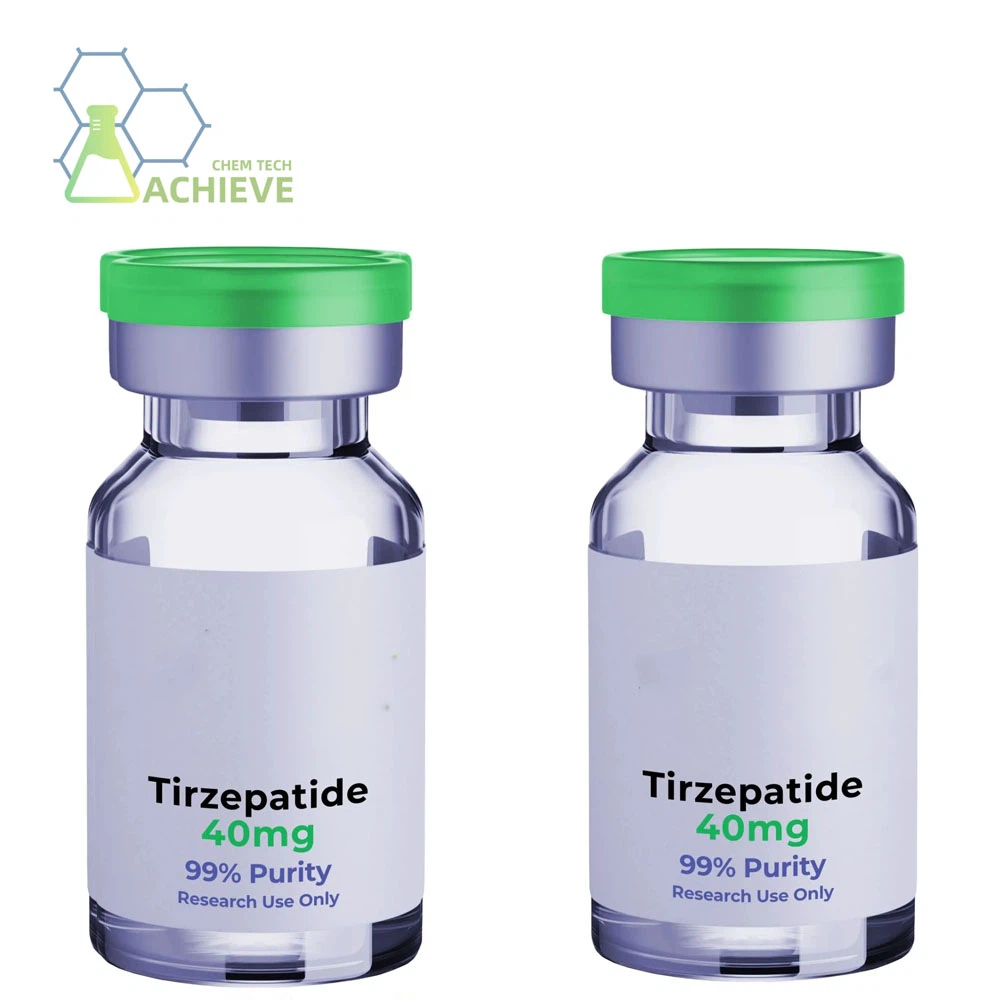


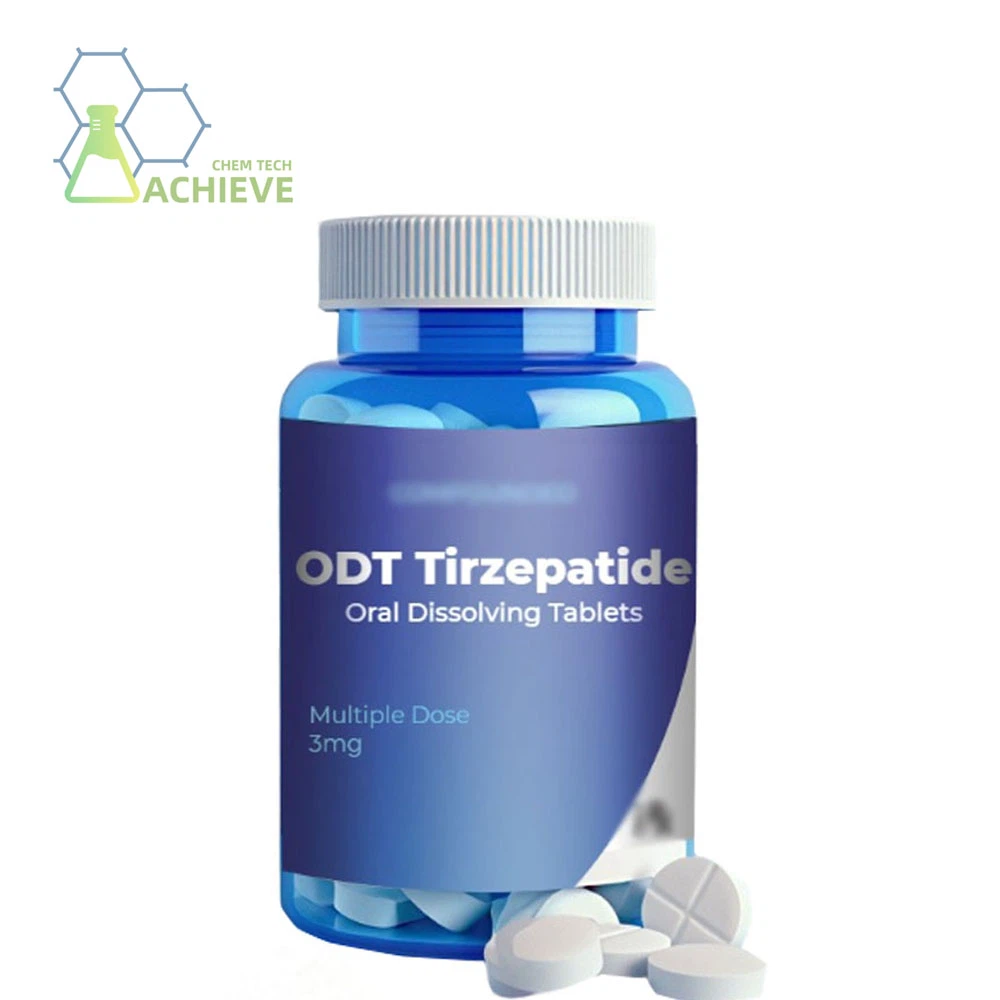


Tirzepatide COA

The physiological mechanism and rate limiting process of lung absorption of Tirzepatide Spray
Tirzepatide Spray,as an innovative GLP-1/GIP dual target agonist, exhibits excellent efficacy in reducing appetite, increasing energy expenditure, improving blood glucose control, and weight management by simultaneously activating the GLP-1 and GIP receptor signaling pathways. Its unique dual activation mechanism shows great potential in the treatment of type 2 diabetes and obesity. At present, Tirzepatide is mainly administered by subcutaneous injection, but there are problems with poor patient compliance and local pain in the injection administration method. Pulmonary administration, as a non-invasive method of drug delivery, has advantages such as high bioavailability, fast onset, and good patient compliance, providing a new option for the delivery of Tirzepatide.
The physiological basis of lung absorption
Anatomical characteristics of the lungs
The lungs are important respiratory organs in the human body, with a huge absorption area. The total number of alveoli in adults is about 300-400 million, with a total surface area of up to 100 square meters, which is about 25 times the body surface area. The alveolar wall is composed of a single layer of epithelial cells, and the thickness of the blood air barrier is only about 0.5 micrometers, which allows drugs to quickly penetrate the alveolar epithelial cells and enter the bloodstream. In addition, the lungs have a rich network of capillaries, with a total surface area of approximately 90 square meters around the alveoli and high blood flow. After drug absorption, it can quickly enter the systemic circulation, avoiding first pass effects and thus improving the bioavailability of drugs.

Physiological characteristics of the lungs
The enzyme activity in the lungs is relatively low, and the pH value is close to neutral (7.4). Compared with the harsh acidic environment of the gastrointestinal tract, the degradation effect of peptide drugs is relatively small. This relatively mild environment provides favorable conditions for the absorption of peptide drugs, reducing the loss of drugs during the absorption process. At the same time, the non-invasive administration method in the lungs avoids the pain and inconvenience caused by injection administration, improves patient acceptance and compliance, and is particularly suitable for chronic disease patients who require long-term medication.

The physiological mechanism of lung absorption of Tirzepatide Spray

Deposition of drugs in the lungs
Tirzepatide Spray sprays medication into the lungs in the form of aerosols or dry powder through a specific inhalation device. The deposition of drug particles in the lungs is mainly influenced by factors such as aerosol particle size, inhalation airflow velocity, and respiratory type. Generally speaking, drug particles with a size of 2-5 microns are most likely to deposit in the alveolar region, thereby achieving efficient absorption. When patients inhale medication, larger particles are prone to deposit in the upper respiratory tract, while smaller particles may be expelled through exhalation. Therefore, controlling the size of drug particles is key to ensuring effective drug deposition in the lungs.
Dissolution of drugs in the mucus layer
After drug particles deposit in the lungs, they first need to dissolve in respiratory mucus in order to further complete the absorption process. The respiratory mucus layer is one of the barriers for drug absorption, and its viscosity and composition can affect the dissolution rate of drugs. Mucus is mainly composed of water, mucin, lipids, and inorganic salts, and has a certain degree of viscoelasticity. Tirzepatide, as a peptide drug, needs to overcome the barrier effect of the mucus layer in order to reach the surface of alveolar epithelial cells. The dissolution rate of drugs in mucus depends on their physicochemical properties, such as lipophilicity and molecular size. Drugs with higher lipid solubility are more likely to dissolve in mucus, thereby accelerating absorption rate.


Drug permeation through alveolar epithelial cells
The drug molecules dissolved in mucus then need to enter the bloodstream through alveolar epithelial cells. Alveolar epithelial cells are mainly composed of type I and type II alveolar cells. Type I alveolar cells are flat and thin, covering most of the surface of the alveoli and serving as the main site for gas exchange; Type II alveolar cells have the function of secreting surfactants. Drug molecules can pass through alveolar epithelial cells through passive diffusion, active transport, and other means. For small molecule peptide drugs like Tirzepatide, they mainly diffuse passively through the cell membrane. The lipid solubility, molecular size, and charge of drugs can affect their ability to penetrate cell membranes. The higher the lipophilicity, the smaller the molecule, and the easier it is for uncharged drug molecules to penetrate the cell membrane.
Entering the bloodstream
After passing through the alveolar epithelial cells, the drug enters the capillaries around the alveoli, then enters the left atrium through the pulmonary vein, and finally enters the systemic circulation. Due to the abundant blood flow in the lungs, drugs can quickly distribute to various tissues and organs throughout the body, exerting therapeutic effects. Compared with subcutaneous injection, pulmonary administration can achieve effective blood drug concentration faster, thereby exerting therapeutic effects more quickly. For example, in the treatment of diabetes, the lung administered insulin can reach the peak blood concentration within 7 to 20 minutes, while subcutaneous injection takes 30 to 60 minutes.

Key factors affecting lung absorption of Tirzepatide Spray
The physicochemical properties of drugs, such as lipid solubility, molecular size, and particle size, have a significant impact on lung absorption. Drugs with high lipid solubility are more likely to penetrate the lipid membrane of alveolar epithelial cells, thereby accelerating absorption rate. For example, liposoluble drugs such as cortisone, hydrocortisone, and dexamethasone are easily absorbed through lipid membranes with a half-life of approximately 1.0-1.7 minutes. Water soluble compounds are mainly absorbed through cellular pathways, and absorption is slower than that of lipophilic drugs, such as quaternary ammonium salts, hippurate salts, and mannitol, with absorption half lives of 45-70 minutes. The molecular size of drugs can also affect the absorption rate, with small molecule drugs absorbing faster and large molecule drugs absorbing relatively slower. When the relative molecular mass is less than 1000, the effect of relative molecular mass on absorption rate is not significant. In addition, the size of drug particles directly affects their deposition sites in the lungs, and controlling the particle size between 2-5 microns is key to ensuring effective drug deposition in the alveolar region.
The design of inhalation devices is crucial for the efficiency of drug delivery and lung deposition rate. At present, new dosage forms and preparations for lung administration mainly include quantitative inhalers, sprays, dry powder inhalers, microspheres and liposomes. Quantitative inhalants are easy to use, reliable and durable, and the medication is not easily contaminated by bacteria. However, there are problems such as lack of coordination between start-up and inhalation, and large individual differences among patients. Spray can make a large dose of drug reach the deep lung, and avoid incompatibility between drug and propellant, inhaling and starting incompatibility and other problems. Dry powder inhalers are activated by respiration, overcoming the problem of inconsistent drug release and inhalation, and are suitable for a variety of drugs, including biomolecules such as proteins and peptides. Different inhalation devices have different characteristics and applicability, and choosing the appropriate inhalation device can improve the lung absorption efficiency of drugs.
The patient's respiratory volume, respiratory rate, and type are related to the location of aerosol particles reaching the lungs. Generally speaking, the amount of drug particles entering the respiratory system is proportional to the respiratory rate and inversely proportional to the respiratory rate. Short and fast inhalation can increase the momentum of drug particles, making them more likely to deposit in the trachea of the respiratory tract and reducing the amount of drug reaching the alveoli; And a thin and long inhalation can allow drugs to reach deep parts of the lungs such as alveoli. A brief breath hold between two breaths can delay the deposition of drug particles. Sometimes, in order to achieve maximum lung administration effect, it is common to hold the breath for 5-10 seconds after inhaling the drug. Therefore, guiding patients on the correct breathing pattern is crucial for improving the lung absorption effect of drugs.
The rate limiting process and optimization strategy for lung absorption of Tirzepatide Spray
Speed limiting step: The deposition of drug particles in the lungs is a critical step in lung absorption, but it is influenced by various factors such as particle size and inhalation airflow velocity. Larger drug particles are prone to deposition in the upper respiratory tract, while smaller particles may be expelled through exhalation, leading to a decrease in the deposition rate of drugs in the lungs.
Optimization strategy: By optimizing the design of the inhalation device and controlling the size of drug particles to 2-5 microns, the deposition rate of drugs in the alveolar region can be improved. For example, the use of micronization technology and new drug delivery devices enables drug particles to reach the target site more accurately. At the same time, guiding patients on the correct breathing pattern, using thin and long inspirations and appropriate breath holding, can also help improve the pulmonary deposition rate of drugs.

Barrier effect of mucus layer

Speed limiting step: The mucous layer of the respiratory tract is one of the barriers to drug absorption, and its viscosity and composition can affect the dissolution rate of drugs. Drugs need to overcome the barrier effect of the mucus layer in order to reach the surface of alveolar epithelial cells. For some drugs with strong viscosity, the dissolution rate in mucus is slow, which can limit the absorption of the drug.
Optimization strategy: Adding appropriate absorption enhancers, such as surfactants, mucus solubilizers, etc., to drug formulations can reduce the viscosity of the mucus layer and promote drug dissolution and penetration. For example, the addition of the enamine derivative phenylaniline ethyl acetoacetate can significantly improve the absorption of insulin in the rectum, and a similar principle can also be applied to pulmonary administration. In addition, optimizing the physicochemical properties of drugs and improving their lipid solubility also contribute to the dissolution and absorption of drugs in mucus.
Speed limiting link: The tight junctions between alveolar epithelial cells are one of the main barriers for protein and peptide drug absorption. These tight connections limit the passage of large molecule drugs, making it difficult for them to enter the bloodstream.
Optimization strategy: Adopting new drug delivery systems such as liposomes and microspheres can protect drugs from enzymatic degradation and bypass tight junctions through cell phagocytosis or cell bypass transport, thereby improving drug absorption efficiency. For example, insulin liposomes can slow down the absorption of insulin into the systemic circulation through the lungs, increase the uptake of insulin by the lungs, and thus prolong its hypoglycemic effect. In addition, modifying drugs through genetic engineering techniques to alter their molecular structure may also help improve their ability to penetrate tight intercellular connections.

Enzyme Metabolism

Speed limiting step: There are various metabolic enzymes in the respiratory mucosa, such as phosphatase and peptidase. Drugs may be cleared or metabolized in the epithelial tissue of the lungs, resulting in loss of activity. Experiments have shown that serotonin, norepinephrine, prostaglandin E2, adenosine triphosphate, bradykinin, and other substances can all be metabolized in the lungs. Enzyme metabolism is also one of the barrier factors for drug absorption in the lungs.
Optimization strategy: Adding protease inhibitors to drug formulations can inhibit enzyme activity, reduce drug metabolism and degradation, and improve drug bioavailability. For example, combined use with protease inhibitors is an effective method to improve insulin absorption in the lungs. In addition, optimizing the chemical structure of drugs and improving their stability against enzymes can also help reduce drug metabolism in the lungs.
Hot Tags: tirzepatide spray, China tirzepatide spray manufacturers, suppliers, Tirzepatide Oral Drops, hgh fragment 176 191 peptide, Semaglutide Gummies, AOD 9604 Powder, AOD 9604 Injection, ghrp 6 tablets