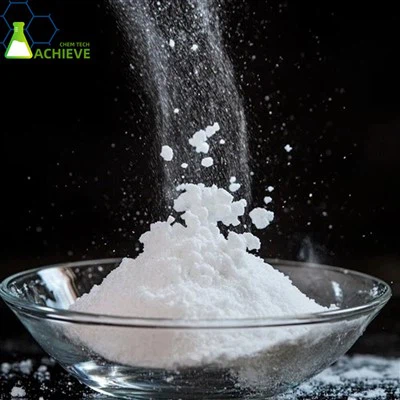



Tirzepatide Oral Tablets is an orally administered GIP/GLP-1 receptor dual agonist, belonging to the class of intestinal insulinotropic drugs. Its active ingredient, Tirzepatide, simulates the effects of two naturally occurring intestinal insulinotropic hormones in the human body - glucose dependent insulinotropic polypeptide (GIP) and glucagon like peptide-1 (GLP-1) - while activating GIP receptors and GLP-1 receptors, exerting synergistic physiological effects. GLP-1 plays a leading role in blood glucose regulation and weight control, while the role of GIP is relatively limited, and even may fail in patients with type 2 diabetes. However, recent studies have found that the combined activation of GIP and GLP-1 can produce a synergistic effect of "1+1>2", significantly enhancing insulin secretion, inhibiting glucagon release, and improving insulin sensitivity, while regulating appetite through the central nervous system and reducing energy intake.
We not only provide pure powder and capsules, but also other dosage forms. If necessary, please contact our sales team.
Our products
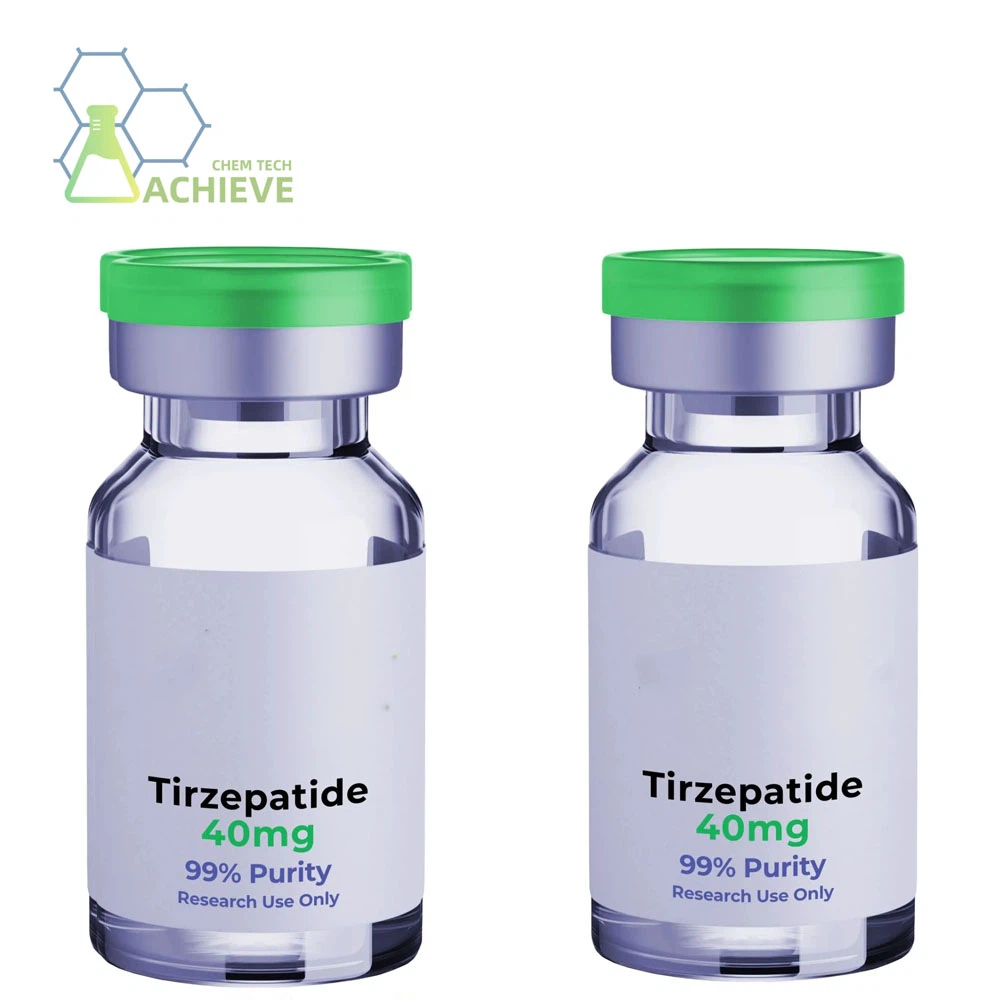


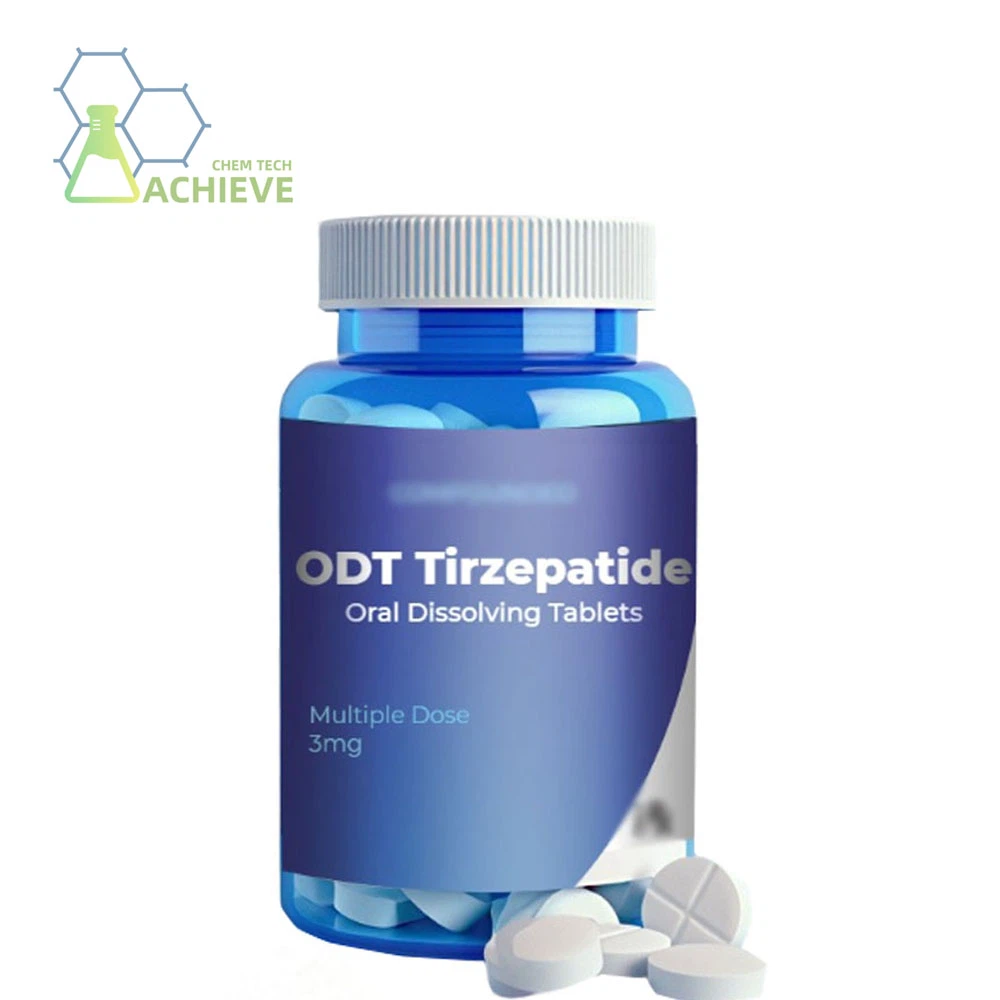
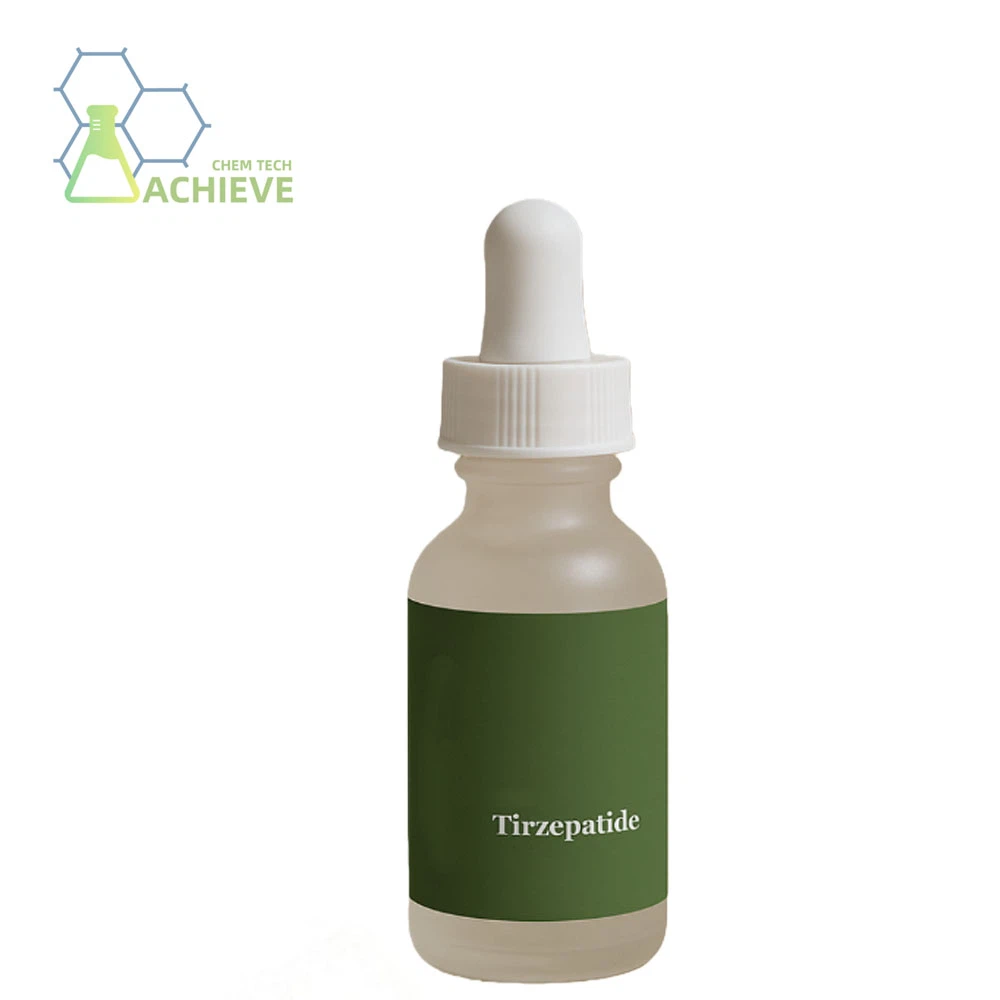
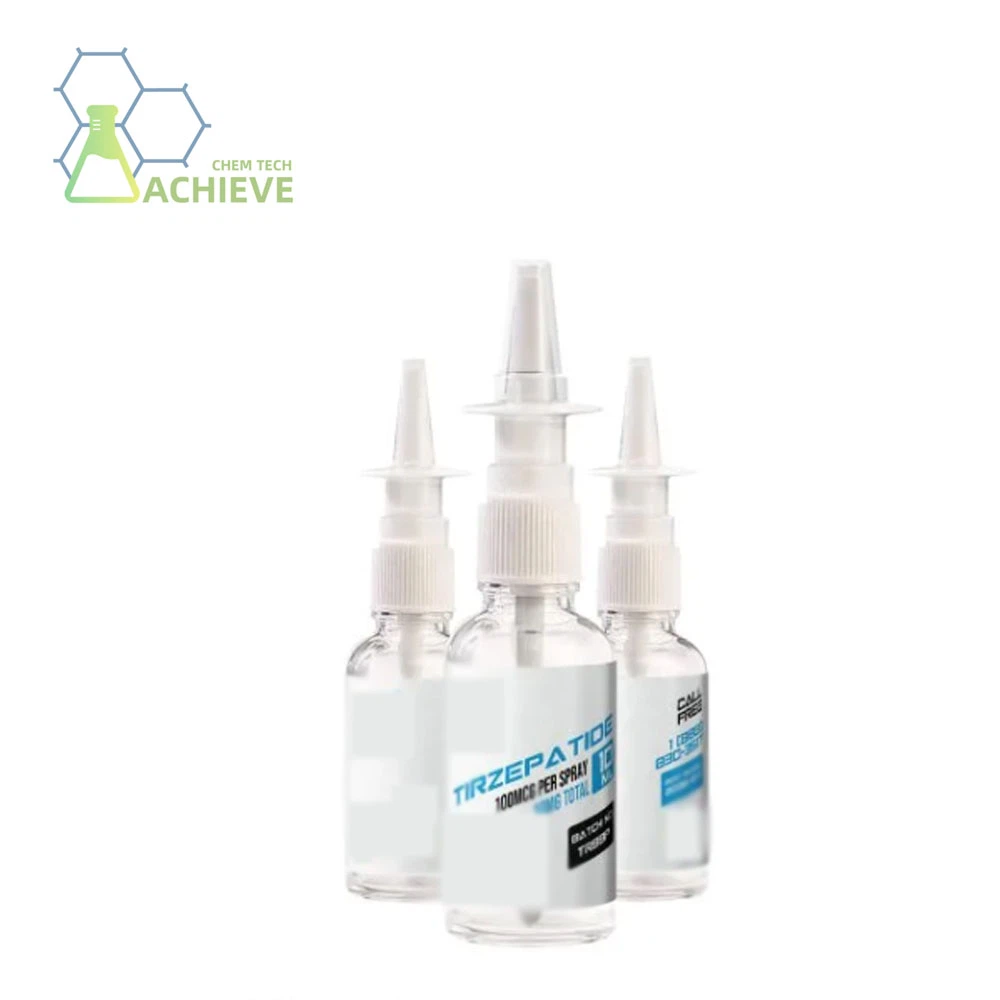


Tirzepatide COA


Tirzepatide,as the world's first dual GIP/GLP-1 receptor agonist, has swiftly emerged as a benchmark drug in the field of metabolic disease treatment since its injection formulation was approved by the US FDA in 2022. By simultaneously activating the glucose-dependent insulinotropic polypeptide (GIP) and glucagon-like peptide-1 (GLP-1) receptors, it achieves potent glucose lowering, significant weight loss, and comprehensive metabolic improvement. With technological breakthroughs, Tirzepatide Oral Tablets (Oral Rapid Dissolve Tablets, RDT) have entered the research and development pipeline as a non-injection alternative. Although it has not yet been formally approved by the FDA, its manufacturing process, pharmacological mechanism, and clinical potential have garnered widespread attention.
Molecular design: The leap from injectable to oral preparations
The injectable formulation of Tirzepatide is a polypeptide drug consisting of 39 amino acids. Its core structure includes:
GIP receptor agonist domain: mimics natural GIP hormone to enhance insulin secretion;
GLP-1 receptor agonist domain: prolongs gastric emptying time and suppresses appetite;
Fatty acid side chain: By linking eicosanedioic acid with glutamic acid and polyethylene glycol units to form a long-chain modification, the binding ability of the drug to plasma albumin is significantly enhanced, extending the half-life to 5 days, enabling once-weekly administration.

Challenges and Breakthroughs in Oral Formulations

Oral peptide drugs face two core obstacles. Firstly, gastrointestinal degradation, as gastric acid and digestive enzymes (such as pepsin and trypsin) can easily damage the peptide structure; Moreover, it has low permeability, high molecular weight of peptides, and strong hydrophilicity, making it difficult to penetrate the intestinal mucosal barrier. To overcome these challenges, Tirzepatide oral tablets use rapid dissolution technology to prepare sublingual instant tablets (RDT) through microcrystallization, nanomaterialization, or freeze-drying processes, bypassing the first pass effect in the gastrointestinal tract and directly absorbed through the sublingual mucosa; Penetration enhancers can be added with bile salts (such as sodium deoxycholate), fatty acid esters (such as glycerol caprylate), or polymers (such as chitosan) to open tight junctions between cells and promote drug transmembrane transport; Enzyme inhibitors are used in combination with protease inhibitors (such as aprotinin) or pH regulators (such as sodium bicarbonate) to protect drugs from enzymatic hydrolysis.
Oral preparations may involve fine-tuning of the Tirzepatide molecule, such as:
Shortening the side chain length: Reducing the number of carbon atoms in the fatty acid side chain, lowering the molecular weight, and enhancing permeability;
Introducing D-amino acids: replacing some L-amino acids to enhance resistance to enzymatic hydrolysis;
Cyclization modification: Forming a cyclic structure through disulfide bonds or chemical crosslinking to stabilize the molecular conformation.

Formulation development: The translational pathway from laboratory to clinical application
The core formulation of Tirzepatide oral tablets includes:
Active ingredient: Tirzepatide (Dose range may be 2.5mg-15mg, similar to injectable formulations);
Disintegrant: croscarmellose sodium (CCNa), crospovidone (PVPP), or low-substituted hydroxypropyl cellulose (L-HPC), ensuring rapid disintegration of the tablet under the tongue;
Penetration enhancers: such as sodium deoxycholate (5%-10%), caprylic acid glyceride (2%-5%);
Stabilizer: mannitol, sucrose, or trehalose, to prevent drug moisture absorption or crystallization;
Lubricant: Magnesium stearate or silicon dioxide, to improve the flowability of the compressed tablets;
Flavoring agent: menthol, aspartame, to mask the bitter taste of the drug.

Process Flow

Preprocessing stage
Crushing of active pharmaceutical ingredient: Tirzepatide active pharmaceutical ingredient is crushed by airflow or wet grinding to obtain micronized powder with a particle size D90 < 50 μm;
Mixing: Mix the drug micronized powder with disintegrant and stabilizer in a V-type mixer according to the prescribed ratio for 15-30 minutes;
Granulation: Wet granulation or fluidized bed granulation is employed, with the addition of a binder (such as povidone K30 solution) to form uniform particles.

Tableting stage
Drying: Dry the wet particles in a fluidized bed dryer at 40-60℃ until the moisture content is less than 3%;
Whole granulation: Obtain particles with uniform size by screening through a shaking granulator;
Main mixing: Add lubricant, penetration enhancer, and flavoring agent, and mix for 10-20 minutes;
Tabletting: Use a rotary tablet press, control the tablet weight variation to be less than 5%, and set the hardness to 30-50N, ensuring that the tablets completely disintegrate within 30 seconds under the tongue.

Coating and Packaging
Coating: Using film coating technology, spraying hydroxypropyl methylcellulose (HPMC) or polyvinyl alcohol (PVA) coating solution to form a smooth surface, reducing friction between the drug and oral mucosa;
Packaging: Using aluminum-plastic blister packaging or high-density polyethylene bottles, with desiccant inside to ensure tablet stability.
Production process: scaling up from laboratory scale to industrial production

Laboratory scale (1-10kg/batch)
Equipment: Small V-type mixer (5L), wet granulation machine (10L), fluidized bed dryer (20L), rotary tablet press (16 stations)
Key parameters: mixing time, granulation fluid flow rate, drying temperature and time, tablet pressing speed and pressure;
Quality control: Particle size distribution is detected by laser diffraction, tablet hardness is measured using a hardness tester, and disintegration time is verified using a disintegrator.

Pilot scale (10-100kg/batch)
Equipment upgrade: medium-sized mixer (50L), fluidized bed granulator (100L), high-speed rotary tablet press (32 stations);
Process optimization: determine the best process parameters through design experiments (DOE), such as the concentration of granulating solution, spray pressure, and tablet pressing speed;
Stability study: Conduct accelerated tests (40 ℃/75% RH) and long-term tests (25 ℃/60% RH) to evaluate changes in tablet content, related substances, and dissolution over a period of 6 months.

Industrial production (>100kg/batch)
Continuous production: adopting continuous mixing, granulation, drying, and tablet pressing technologies to improve production efficiency;
Automated control: Real time monitoring of key parameters such as temperature, humidity, and pressure through a distributed control system (DCS) to ensure process reproducibility;
Cleaning verification: Adopt cleaning verification procedures (such as TOC detection) to prevent cross contamination;
Packaging line integration: achieve automation of blister packaging or bottling, reducing manual operation errors.
Quality control: strict supervision from raw materials to finished products

Quality control of raw materials
Identification: High performance liquid chromatography-mass spectrometry (HPLC-MS) was used to confirm the molecular weight and structure;
Purity: Determine the content of relevant substances (such as missing peptides and oxidized peptides) by HPLC, with total impurities<1.0%;
Content determination: Use ultraviolet spectrophotometry (UV) or HPLC to determine the content of Tirzepatide, ranging from 95.0% to 105.0%;
Moisture content: determined by Karl Fischer method,<5.0%;
Heavy metals: Atomic absorption spectroscopy (AAS) was used to detect heavy metals such as lead, arsenic, and mercury, all of which were<10ppm.
Quality control of formulations
Appearance and Characteristics
Tablet appearance: white or off white, smooth surface, no cracks, missing corners or foreign objects;
Disintegration time limit: Sublingual tablets should completely disintegrate within 30 seconds and have no residual particles;
Hardness: 30-50N, ensuring that it is not easily broken during transportation and storage.
Content uniformity
Measurement method: Take 10 tablets and measure the content separately. Calculate the relative standard deviation (RSD), which should be less than 5.0%;
Dissolution rate: Using the paddle method (50rpm, 900mL pH 6.8 phosphate buffer), the dissolution rate should be ≥ 80% within 15 minutes.
Related substances
Determination method: HPLC method, mobile phase is acetonitrile water (containing 0.1% trifluoroacetic acid), gradient elution;
Limit: Individual impurities<0.5%, total impurities<1.5%.
Microbial limits
Total aerobic bacteria count:<1000 CFU/g;
Total number of mold and yeast:<100 CFU/g;
Escherichia coli: Not detectable.
Clinical application prospects: from alternative injection to expanding indications
Advantage Analysis
Patient compliance: Oral tablets eliminate injection fear, especially suitable for children, the elderly, and patients with needle phobia;
Medication convenience: No need for refrigeration storage (some prescriptions can be stored at room temperature), easy to carry and travel;
Cost effectiveness: If produced on a large scale, the unit dose cost may be lower than that of injectable forms, reducing the economic burden on patients.
Potential Challenges
Bioaccumulation: The bioavailability of sublingual absorption may be lower than that of injectable form (about 80% bioavailability of injectable form), and dosage adjustment or process optimization is needed to ensure efficacy;
Individual differences: The condition of the oral mucosa (such as dryness and inflammation) may affect drug absorption and require personalized medication regimens;
Regulatory approval: Strict review by FDA or EMA is required, with sufficient pharmacokinetic (PK), pharmacodynamic (PD), and safety data provided.
Indications Expansion
Pre diabetes: early intervention can delay the progress of type 2 diabetes;
Non alcoholic steatohepatitis (NASH): Relieve liver inflammation and fibrosis by reducing weight and improving metabolic indicators;
Cardiovascular disease: lowering blood pressure, improving blood lipids, and reducing the risk of cardiovascular events;
Polycystic ovary syndrome (PCOS): regulates insulin resistance and hormone levels, improves reproductive function.
Hot Tags: tirzepatide oral tablets, China tirzepatide oral tablets manufacturers, suppliers, Tirzepatide Oral Drops, hgh fragment 176 191 peptide, Semaglutide Gummies, AOD 9604 Powder, AOD 9604 Injection, ghrp 6 tablets