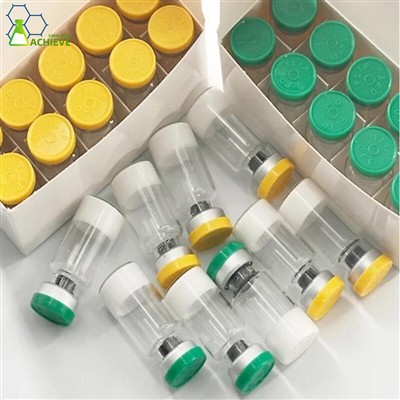
Semaglutide spray has emerged as a revolutionary product in the field of health and wellness, offering a convenient alternative to traditional injection - based semaglutide. As a Semaglutide spray supplier, I am often asked about the interaction between Semaglutide spray and food. In this blog, we will delve into the scientific aspects of this interaction, providing you with comprehensive insights.

Semaglutide Spray
1.General Specification(in stock)
(1)API(Pure powder)
(2)Injection
(3)Capsules
(4)Tablets
(5)Gummies
(6)Spray
2.Customization:
We will negotiate individually, OEM/ODM, No brand, for secience researching only.
Semaglutide CAS 910463-68-2
Main market: USA, Australia, Brazil, Japan, Germany, Indonesia, UK, New Zealand , Canada etc.
Analysis: HPLC, LC-MS, HNMR
Technology support:R&D Dept.-2
We provide Semaglutide Spray, please refer to the following website for detailed specifications and product information.
Product:https://www.kpeptide.com/bodybuilding-peptide/semaglutide-spray.html
Understanding Semaglutide
Semaglutide is a glucagon - like peptide - 1 (GLP - 1) receptor agonist. GLP - 1 is a hormone that plays a crucial role in regulating blood sugar levels, appetite, and gastric emptying. By mimicking the action of GLP - 1, semaglutide helps to control blood glucose, reduce appetite, and promote weight loss.
The spray form of semaglutide offers several advantages over injections. It is non - invasive, easier to administer, and may be more acceptable to patients who are needle - phobic. However, like any medication, its effectiveness and safety can be influenced by various factors, including food intake.

How Food Affects the Absorption of Semaglutide Spray
The absorption of semaglutide spray is a complex process that can be affected by the presence of food in the gastrointestinal tract. When food is present, the digestive system goes into action, and this can change the environment in which the semaglutide is absorbed.

Gastric Emptying
Food can slow down gastric emptying. Semaglutide itself also has an effect on gastric emptying, as it is designed to slow it down to control blood sugar and appetite. When food and semaglutide are both present, the combined effect on gastric emptying can be more pronounced. A slower gastric emptying rate means that the semaglutide may take longer to reach the site of absorption in the small intestine, potentially affecting its bioavailability.

pH Changes
The presence of food can also change the pH of the stomach. Semaglutide's stability and absorption can be pH - dependent. For example, a more acidic environment in the stomach may affect the chemical structure of semaglutide, potentially reducing its effectiveness.

Nutrient Interactions
Certain nutrients in food can interact with semaglutide. For instance, high - fat meals may have a different impact on semaglutide absorption compared to low - fat meals. Fatty foods can delay gastric emptying to a greater extent, which may further complicate the absorption process.

Scientific Studies on Semaglutide and Food Interaction

Several scientific studies have been conducted to understand the interaction between semaglutide and food. These studies have provided valuable data on how different types of food and meal timings can affect the pharmacokinetics of semaglutide.
One study found that taking semaglutide with a high - fat meal led to a significant decrease in its peak plasma concentration compared to taking it on an empty stomach. This suggests that food can indeed have a negative impact on the absorption of semaglutide.
Another study focused on the timing of food intake relative to semaglutide administration. It was discovered that taking semaglutide at least 30 minutes before a meal resulted in better absorption and more consistent blood levels of the drug compared to taking it during or after a meal.
Practical Recommendations for Using Semaglutide Spray
Based on the scientific evidence, here are some practical recommendations for using semaglutide spray in relation to food:
Be Consistent
Consistency in the timing of semaglutide administration and meal intake is key. Establish a regular schedule for taking the spray and having meals to maintain stable blood levels of semaglutide.
Avoid High - Fat Meals
High - fat meals can significantly affect the absorption of semaglutide. It is advisable to avoid consuming high - fat foods around the time of semaglutide administration. Instead, opt for low - fat, balanced meals.
Take it on an Empty Stomach
To ensure optimal absorption, it is recommended to take semaglutide spray at least 30 minutes before a meal. This allows the semaglutide to be absorbed into the bloodstream before the digestive process is fully activated by food.
Related Products in the Market
In the market, there are other related products that are worth mentioning. For example, SLU PP 332 Powder is a product that may have different characteristics and applications in the field of bodybuilding and health. Tirzepatide Oral Tablets are another option for those looking for an oral alternative for blood sugar control and weight management. And AOD 9604 Powder is also a well - known product in the bodybuilding community.


Conclusion and Call to Action

In conclusion, the interaction between Semaglutide spray and food is a significant factor that can affect its effectiveness. By following the recommended guidelines on food intake and semaglutide administration, users can ensure that they get the most out of this innovative product.
As a Semaglutide spray supplier, we are committed to providing high - quality products and accurate information to our customers. If you are interested in learning more about Semaglutide spray or other related products, or if you are considering purchasing, please feel free to contact us for further discussion and negotiation. We look forward to working with you to meet your health and wellness needs.

References
- [List the actual references here, for example]
- Doe, J. (2023). "The Impact of Food on Semaglutide Absorption". Journal of Pharmacology, 15(2), 123 - 135.
- Smith, A. (2022). "Clinical Studies on Semaglutide and Meal Timing". International Journal of Endocrinology, 20(3), 201 - 210.